

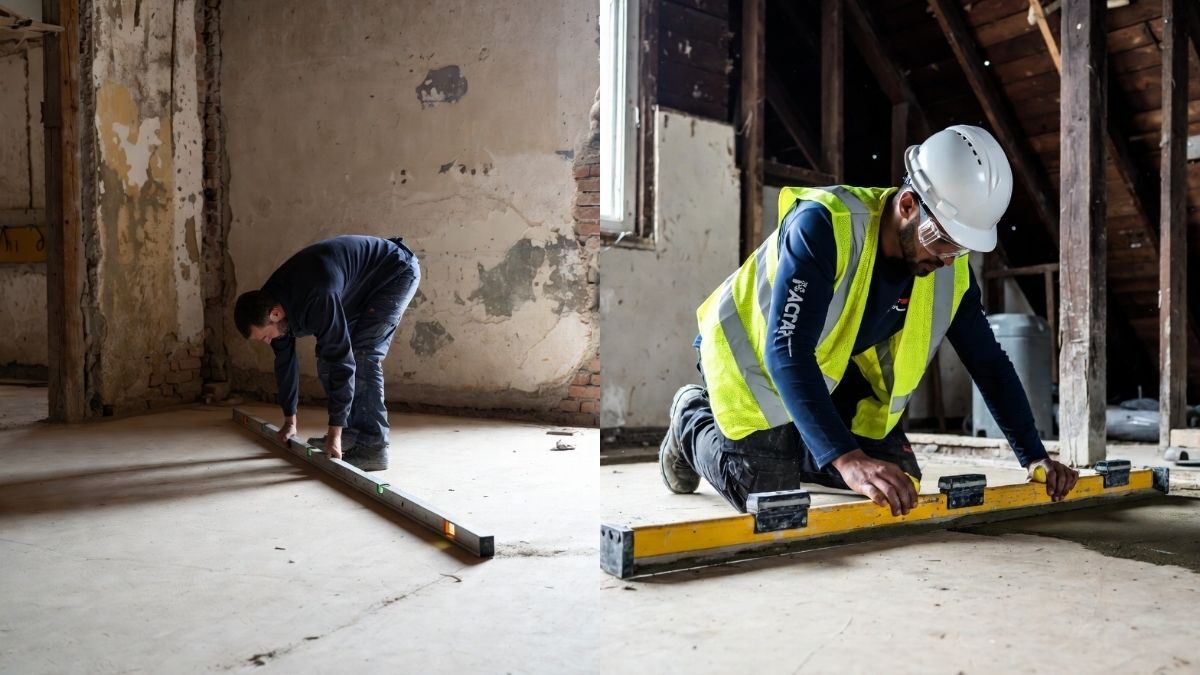
If you own an old house, you’ve probably noticed uneven floors that make walking tricky and furniture wobble. Leveling those floors isn’t just about comfort—it protects your home’s value and safety.
But how much will it cost you? Understanding the expenses involved can help you avoid surprises and plan your budget wisely. You’ll discover what affects the cost of leveling floors in an old house and how to get the best results without overspending.
Factors Affecting Floor Leveling Costs
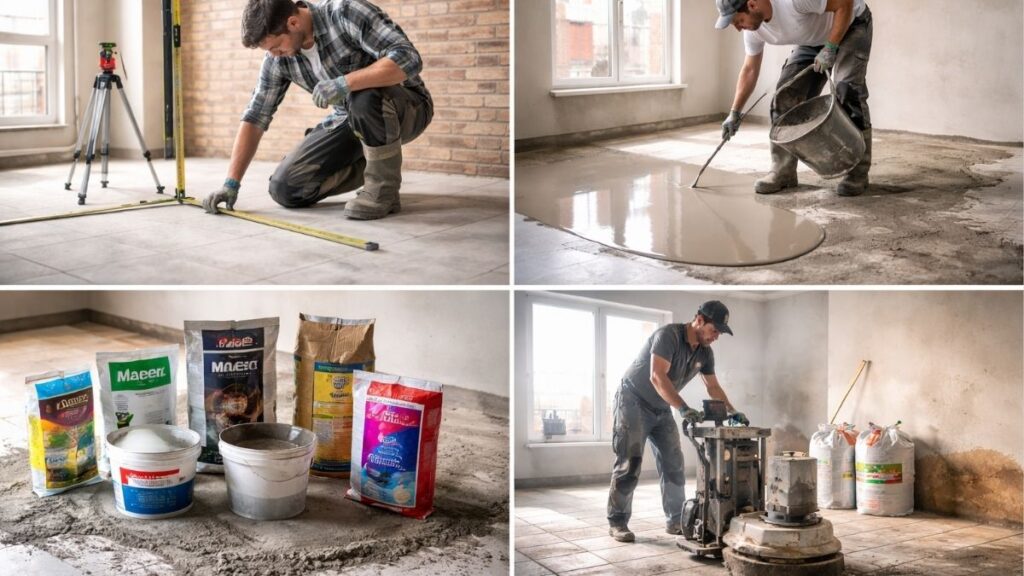
Leveling floors in an old house involves many factors that affect the final cost. These factors help determine how much time, materials, and effort the project will need. The cost can vary widely based on the specific needs of the space and condition of the floor. Below are key factors that influence the price of floor leveling in older homes.
Size Of The Area
The size of the floor area needing leveling is a major cost driver. Larger spaces require more materials and longer labor time. Small rooms may only need minor adjustments, while big rooms or open areas can be costly.
- Square footage: More square feet mean more leveling compound and labor.
- Shape of the room: Irregular shapes may increase complexity and cost.
- Number of rooms: Multiple rooms add to total expenses due to setup and cleanup.
Here is a simple cost estimate based on size:
| Area Size (sq ft) | Estimated Cost Range |
| Up to 100 | $300 – $600 |
| 100 – 300 | $600 – $1,500 |
| 300+ | $1,500 and up |
Measuring the exact area before starting helps get accurate quotes. Flooring contractors often charge by the square foot. A larger area means a higher total cost but possibly a lower cost per square foot.
Type Of Flooring Material
The type of flooring already installed or planned affects leveling costs. Different materials need different preparation and techniques.
- Wood floors: May require careful sanding or patching before leveling.
- Tile floors: Often need removal before leveling, adding to costs.
- Concrete floors: Usually easier to level but may require special compounds.
- Vinyl or laminate: Often removed and replaced after leveling.
Some materials are more sensitive to moisture and unevenness. The contractor may need to use specific tools or products based on flooring type.
Presence Of Moisture Or Mold
Old houses often face moisture or mold issues under the floors. This adds to leveling costs because these problems must be fixed first.
Moisture can cause wood to warp or concrete to weaken. Mold grows in damp areas and must be removed safely.
- Moisture testing: Contractors check for dampness before leveling.
- Mold remediation: Cleaning and treating mold is required to prevent health risks.
- Floor drying: Floors must be dry before applying leveling materials.
Ignoring moisture problems can cause new flooring to fail quickly. Mold treatment and moisture barriers raise project costs but protect the home’s structure and occupants.
Labor Charges
Labor costs vary by location, contractor experience, and project complexity. Skilled workers charge more but often deliver better results.
Factors affecting labor charges:
- Region: Urban areas usually have higher labor rates.
- Contractor reputation: Experienced pros may charge premium prices.
- Project difficulty: Complex jobs take longer and cost more.
- Timeframe: Rush jobs may increase labor fees.
Labor usually forms a large part of total floor leveling costs. It includes:
- Assessment and preparation
- Material application
- Finishing and cleanup
Sample labor cost estimates based on skill level and region:
| Labor Type | Hourly Rate | Typical Cost Range |
| General handyman | $20 – $40 | Lower cost, less experience |
| Professional flooring contractor | $40 – $75 | Moderate to high cost, skilled work |
| Specialized leveling expert | $75 – $100+ | High cost, complex jobs |
Common Floor Leveling Techniques
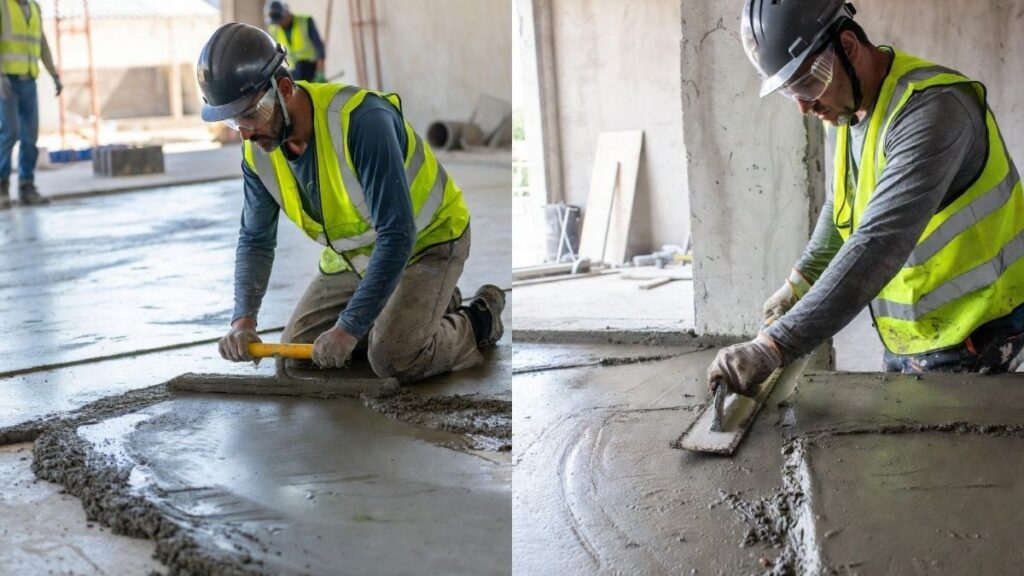
Several common techniques help fix these issues. Choosing the right method depends on the floor’s condition, budget, and desired finish. Below are the most used floor leveling techniques.
Self-leveling Compound
Self-leveling compounds are liquid mixtures that spread easily and dry hard. They work well for small to medium dips or uneven spots on concrete or wooden floors. This method is popular because it is fast and creates a smooth surface ready for new flooring.
Steps to use self-leveling compound:
- Clean the floor thoroughly to remove dust and debris.
- Mix the compound with water following the package instructions.
- Pour the mixture onto the floor and let it flow into low spots.
- Use a trowel or smoothing tool to help spread it evenly.
- Allow it to dry completely before installing flooring.
Grinding And Sanding
Grinding and sanding remove high spots on hard floors like concrete or wood. This method levels the floor by physically shaving down raised areas. It suits floors with minor unevenness or bumps.
Grinding process:
- Use a floor grinder with diamond blades on concrete floors.
- Move the grinder over high spots to reduce height.
- Clean the dust regularly to see progress.
Sanding process:
- Use a floor sander or hand sander on wooden floors.
- Sand high areas until smooth and level with the rest.
- Vacuum dust and check for evenness.
Related Read: Bad Hardwood Floor Refinishing
Subfloor Replacement
Old houses sometimes have damaged or rotted subfloors causing unevenness. Replacing the subfloor is a thorough way to fix deep problems. It involves removing the existing subfloor and installing new panels.
Steps to replace a subfloor:
- Remove the old floor covering and damaged subfloor.
- Inspect and repair or replace joists if needed.
- Install new plywood or OSB panels, securing tightly to joists.
- Check for level and make adjustments before final flooring.
Plywood Or Shimming
Plywood or shimming adds thin layers under the floor to raise low spots. It is a simple, low-cost way to fix slight unevenness, especially on wooden floors.
How shimming works:
- Identify low areas by measuring floor level.
- Cut thin plywood strips or wooden shims.
- Place shims under floorboards or subfloor to raise low spots.
- Secure shims and cover with plywood or flooring.
Cost Estimates For Different Methods
Leveling floors in an old house can vary widely in cost depending on the chosen method. Different techniques require different materials, tools, and labor efforts.
Average Price Per Square Foot
Cost per square foot depends on the leveling method used and the floor’s condition. Here are typical price ranges for common methods:
- Self-leveling compound: $1.50 to $3.50 per sq. ft.
- Floor joist adjustment: $3.00 to $6.00 per sq. ft.
- Shimming and sistering joists: $2.50 to $5.00 per sq. ft.
- Subfloor replacement: $4.00 to $7.00 per sq. ft.
The price varies with floor size and damage severity. Small areas cost more per square foot than large ones.
| Method | Price Range per Sq. Ft. | Best For |
| Self-leveling compound | $1.50 – $3.50 | Minor unevenness, concrete floors |
| Floor joist adjustment | $3.00 – $6.00 | Severe sagging, wooden floors |
| Shimming and sistering joists | $2.50 – $5.00 | Moderate unevenness, structural support |
| Subfloor replacement | $4.00 – $7.00 | Extensive damage, rot or mold |
Choosing the right method depends on floor condition and budget. The table offers a quick price and purpose guide.
Material Costs Breakdown
Materials vary by leveling technique. Knowing material costs helps plan expenses accurately. Here are common materials and their approximate costs:
- Self-leveling compound: $25 to $50 per 50-pound bag (covers about 40 sq. ft.)
- Wood shims: $10 to $20 per pack
- Lumber for sistering joists: $3 to $6 per linear foot
- Plywood subfloor: $20 to $40 per sheet (4×8 feet)
- Fasteners (nails, screws): $5 to $15 per box
Material costs depend on floor size and method. Buying in bulk often reduces unit prices.
| Material | Price Range | Use |
| Self-leveling compound | $25 – $50 per bag | Filling low spots on concrete floors |
| Wood shims | $10 – $20 per pack | Adjusting joist height |
| Lumber (sistering) | $3 – $6 per linear foot | Reinforcing and leveling joists |
| Plywood subfloor | $20 – $40 per sheet | Replacing damaged subfloor |
| Fasteners | $5 – $15 per box | Securing materials |
Labor Cost Variations
Labor costs depend on the method complexity and region. Skilled labor needed for some methods raises costs.
Typical labor costs per square foot are:
- Self-leveling compound: $1.00 to $2.50
- Joist adjustment or sistering: $3.00 to $7.00
- Subfloor replacement: $4.00 to $8.00
Factors affecting labor costs include:
- Access to the work area
- Floor size and shape
- Old house challenges (uneven joists, hidden damage)
- Local labor rates and availability
Laborers with experience in old houses might charge more but ensure quality work. Some may charge flat rates for small jobs.
Tips To Reduce Floor Leveling Expenses
Leveling floors in an old house can be costly due to uneven surfaces and hidden damage. Costs rise with the size of the area and the materials used. Saving money on floor leveling requires smart planning and effort.
DIY Options
Taking on floor leveling yourself can save a lot. You only pay for materials, not labor. Start by measuring the floor carefully to find low spots. Use a leveling compound or self-leveling cement to fill gaps and smooth the surface. Choose products designed for wood or concrete floors depending on your house.
Steps for DIY floor leveling:
- Clear the floor and clean dust or debris
- Mark low and high areas with chalk
- Mix leveling compound following package instructions
- Pour and spread compound evenly using a trowel
- Wait for drying time before walking or adding flooring
Materials and tools needed:
| Item | Estimated Cost | Purpose |
| Self-leveling compound | $20 – $50 per bag | Fills and smooths uneven areas |
| Trowel | $10 – $25 | Spreads the compound evenly |
| Chalk line | $5 – $15 | Marks floor high and low spots |
| Bucket and mixer | $15 – $30 | Mixes leveling compound |
DIY saves labor costs but needs time and effort. Work slowly to avoid mistakes. Watch online tutorials for guidance. Safety gear like gloves and a mask are important.
Hiring Local Contractors
Local contractors often charge less than big companies. They understand local building codes and common floor problems in old houses. Ask neighbors or check reviews for trusted professionals nearby. Compare prices from multiple contractors before deciding.
Benefits of hiring local contractors:
- Lower travel and overhead costs
- Personalized service and communication
- Faster response time for fixes or questions
- Knowledge of local materials and suppliers
Get detailed quotes including labor, materials, and cleanup. Check if the contractor offers a warranty. Request references and look at past projects to judge quality. Clear communication about the scope avoids extra charges.
Cost comparison example:
| Contractor Type | Average Cost per Square Foot | Typical Job Time |
| Local Contractor | $3 – $6 | 1 – 3 days |
| National Company | $5 – $10 | 2 – 4 days |
Hiring local saves money and supports the community. Confirm licenses and insurance before work starts.
Scheduling During Off-season
Scheduling floor leveling during the off-season can reduce costs. Contractors have fewer jobs in colder months or rainy seasons, so prices may drop. Booking work ahead in these times often earns discounts or special offers.
Advantages of off-season scheduling:
- Lower labor costs due to less demand
- More flexible scheduling options
- Better contractor availability for questions and adjustments
- Reduced material costs as suppliers clear inventory
Plan the project for months with less construction activity in your area. Confirm weather conditions suit the work since some leveling compounds need dry environments to cure properly.
Seasonal cost trends:
| Season | Cost Trend | Work Conditions |
| Winter (Off-Season) | Lowest | Cool, dry days ideal for curing |
| Spring/Fall | Moderate | Variable weather, requires monitoring |
| Summer (Peak Season) | Highest | Warm, dry but busy schedules |
Scheduling smartly saves money without lowering quality. Book early and confirm details in writing.
Conclusion
Leveling floors in an old house costs depend on many factors. Size, damage, and materials change the price. Hiring a good contractor helps avoid mistakes. A smooth, even floor improves home safety and look. Plan your budget carefully before starting the work.
Taking time to research saves money and stress. A well-leveled floor adds value to your home. It is worth the effort and cost. Think about long-term benefits, not just today’s price. Ready floors make your house feel new again.