

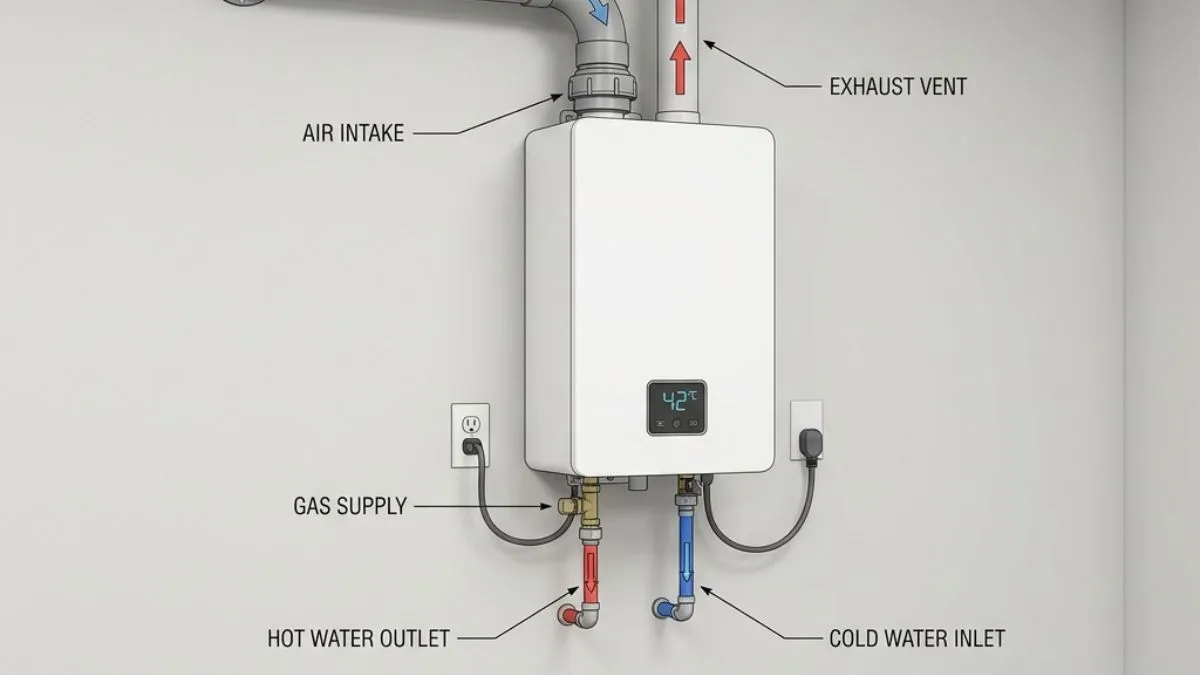
Are you curious about where your tankless water heater draws its air from? Understanding the air intake inside your tankless water heater is key to keeping it running efficiently and safely.
If the air supply isn’t right, your heater might not work well or could even cause problems in your home. You’ll discover how the air intake works, why it matters for your comfort and safety, and simple steps you can take to make sure your system is set up perfectly.
Tankless Water Heater Air Intake Basics
Tankless water heaters rely on a steady flow of air to function properly. The air intake system plays a key role in supplying this air.
Purpose Of Air Intake
The air intake allows fresh air to enter the heater’s combustion chamber. This air is essential for burning fuel efficiently. Without enough air, the heater cannot produce hot water properly. The main purposes of the air intake include:
- Supplying oxygen for combustion to generate heat.
- Ensuring safe operation by preventing dangerous gas buildup.
- Improving energy efficiency by maintaining proper flame control.
- Reducing harmful emissions through complete fuel burning.
Air intake also helps keep the heater cool by providing ventilation. Proper airflow prevents overheating and damage to internal parts. Poor air intake can cause:
- Flame failure or weak flames.
- Increased fuel consumption.
- Carbon monoxide risks.
- Shorter heater lifespan.
Maintaining clean, unobstructed air intake is essential for reliable heater performance. Regular checks ensure the system works well.
Types Of Air Intake Systems
Tankless water heaters use different air intake systems depending on model and installation. The two main types are:
| Air Intake Type | Description | Advantages | Common Use |
| Direct Vent | Draws air from outside through a sealed pipe system. | Prevents indoor air contamination.Improves safety.Reduces drafts. | Homes with tight or sealed rooms. |
| Atmospheric Vent | Uses air from the room where the heater is installed. | Simpler installation.Lower upfront cost. | Well-ventilated utility rooms or basements. |
Choosing the right air intake depends on the room size, ventilation, and local building codes. Proper installation of the air intake system ensures safe and efficient heater operation.
Indoor Air Intake Design
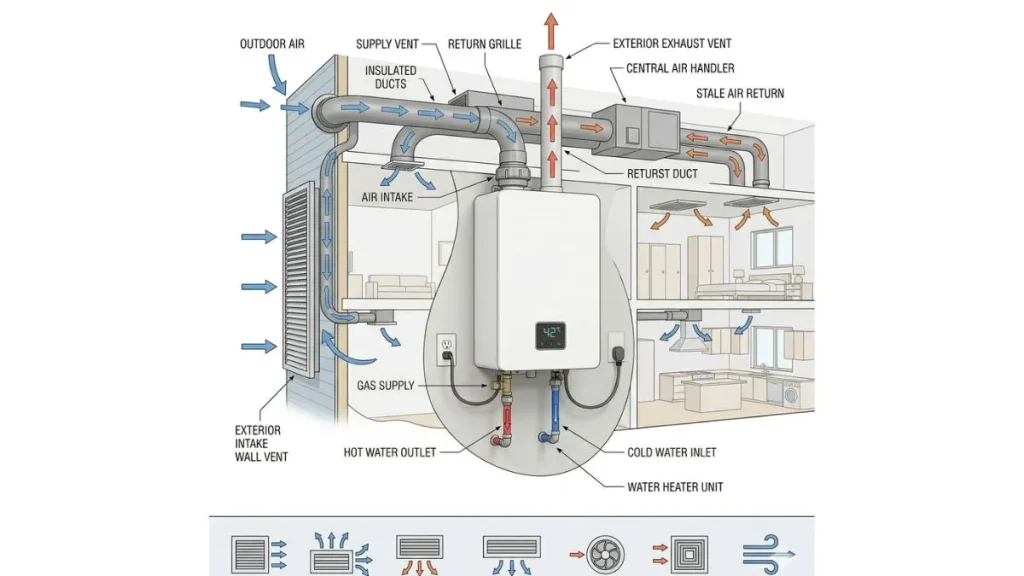
Indoor air intake design is a key part of tankless water heater installation. It controls how air enters the heater for combustion. Proper design ensures the heater works safely and efficiently. Without enough fresh air, the unit may not burn fuel well, causing poor performance or dangerous fumes. Good indoor air intake design helps keep your home safe and your water heater reliable.
Ventilation Requirements
Tankless water heaters need enough air for burning fuel. Air intake must meet specific ventilation rules to avoid problems like incomplete combustion or carbon monoxide buildup. Most gas units require a steady flow of fresh air. Check local codes and manufacturer guidelines for exact needs.
Key ventilation points include:
- Air volume: The heater needs a certain amount of air per minute for safe operation.
- Air flow: Ventilation openings must allow easy air movement without blockages.
- Sealing: Avoid leaks around air intake to keep combustion air clean and controlled.
- Exhaust separation: Intake air should not mix with exhaust gases to prevent contamination.
Proper ventilation helps the heater burn fuel cleanly. It reduces risks of flame failure and carbon monoxide leaks. Always maintain clear air pathways and avoid sealing the room too tightly without balanced air supply.
Location Considerations
The place where the indoor air intake is installed affects heater safety and efficiency. Choose a spot with easy access to fresh air and away from contaminants. The air intake must not draw air from dusty, smoky, or damp areas. These conditions can harm the heater or indoor air quality.
Important location tips:
- Install the intake in a well-ventilated room or space.
- Avoid placing near kitchens, garages, or areas with strong fumes.
- Keep intake openings clear of furniture, curtains, or obstacles.
- Ensure intake is above floor level to prevent dust or debris intake.
- Consider noise; some intakes can transmit sound into living areas.
Example of ideal and poor locations:
| Location | Pros | Cons |
| Utility Room | Good ventilation, easy access | May need noise control |
| Bathroom | Convenient plumbing access | High humidity can damage intake |
| Garage | Spacious, plenty of air | Fumes from cars, chemicals |
Choosing the right location protects your water heater and household air. Keep the intake clean and unobstructed for best results. Regular checks prevent blockages and maintain safe operation.
Installation Guidelines
Installing the air intake for a tankless water heater inside requires careful planning. Proper installation ensures safety, efficiency, and long-lasting performance. Following clear guidelines helps avoid common problems like poor air flow or dangerous fumes.
Clearance And Safety
Maintaining proper clearance around the air intake is crucial for safe operation. The intake must not be blocked or too close to combustible materials. Lack of space can cause overheating or fire risks.
- Minimum clearance: Leave at least 12 inches of open space around the air intake vent.
- Avoid obstacles: Do not place furniture, curtains, or boxes near the intake area.
- Vent placement: Position the intake away from exhaust vents to prevent mixing of fresh air and fumes.
- Fire safety: Keep the intake clear of flammable liquids and materials.
Use a heat-resistant barrier if the intake is near walls or ceilings made of wood or drywall. This barrier stops heat transfer and lowers fire risk.
| Safety Factor | Recommended Clearance |
| Combustible Materials | At least 12 inches |
| Exhaust Vent Distance | Minimum 3 feet apart |
| Obstruction-Free Zone | Full 360° clearance |
Check local codes for additional safety rules. Always follow the manufacturer’s instructions for your specific model.
Ducting Materials And Layout
Choosing the right ducting materials is essential for efficient air intake. Use materials that resist corrosion, heat, and moisture. The duct layout should provide a smooth, direct path for air to flow without leaks or sharp bends.
- Material options: Stainless steel and aluminum ducts are common choices.
- Insulation: Insulate ducts in cold areas to prevent condensation and freezing.
- Diameter size: Match the duct diameter to the water heater’s air intake requirements for proper airflow.
The duct layout should avoid long runs and sharp turns. Sharp bends reduce airflow and increase strain on the unit.
- Plan the shortest route from the intake point to the water heater.
- Use smooth, gradual bends when direction changes are needed.
- Seal all joints tightly with metal tape or approved sealants to stop air leaks.
| Aspect | Recommendation |
| Duct Material | Stainless steel or aluminum |
| Duct Diameter | As per manufacturer’s specs |
| Bends | Smooth, gradual curves only |
| Insulation | Required in unheated spaces |
Proper ducting prevents air blockage and protects the water heater from damage. A well-planned layout improves system efficiency and durability.
Common Problems With Indoor Air Intake
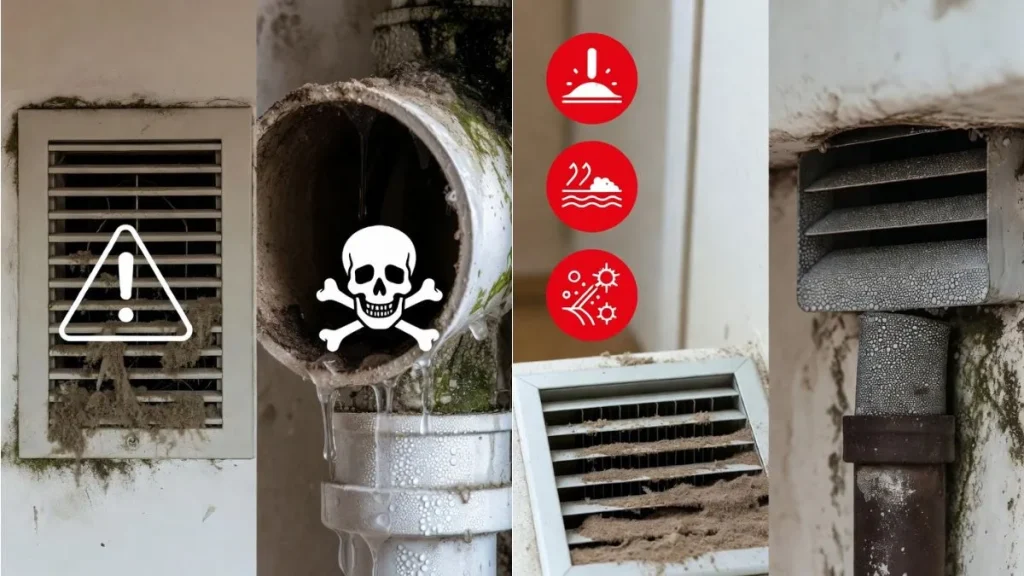
Tankless water heaters need a steady supply of fresh air to work well. When the air intake is inside a building, it can face some common problems. These problems can stop the heater from working properly or even cause safety risks. Knowing these issues helps keep the system running safely and efficiently. Below are two main problems that affect indoor air intakes for tankless water heaters.
Airflow Obstructions
Airflow obstructions happen when something blocks the path of fresh air going into the water heater. This can make the heater work harder and use more energy. Poor airflow can also cause the heater to shut down or run inefficiently.
Common causes of airflow obstructions include:
- Dust and debris buildup: Dust, dirt, and small particles can collect around the air intake, blocking airflow.
- Furniture or storage items: Items placed too close to the intake vent can block air from entering.
- Improper vent placement: Vents installed in tight or enclosed spaces may limit the amount of air available.
Regular checks help spot airflow problems early. Here is a simple checklist to prevent obstructions:
| Task | Frequency | Purpose |
| Clear dust and debris from intake | Monthly | Maintain clear airflow |
| Remove nearby furniture or objects | As needed | Prevent blockage |
| Inspect vent location | Annually | Ensure proper air supply |
Proper airflow extends the heater’s life and keeps energy costs low. It also reduces the chance of dangerous carbon monoxide buildup.
Condensation Issues
Condensation happens when warm air meets a cold surface, causing water droplets to form. Indoor air intakes can face condensation problems, especially in colder climates or damp areas.
Condensation can cause several issues:
- Water damage: Moisture can damage walls, floors, and the heater itself.
- Mold growth: Damp areas encourage mold, which harms air quality and health.
- Corrosion: Water can rust metal parts of the heater or vent system.
Prevent condensation by following these tips:
- Keep the intake area dry and well-ventilated.
- Use insulation around cold pipes and vents.
- Install a drip pan or drainage system near the intake.
- Check for leaks and fix them quickly.
Tracking temperature and humidity near the intake helps catch condensation early. Use a simple hygrometer or thermometer for monitoring. Keeping condensation under control ensures the heater lasts longer and works safely.
Maintenance Tips
Maintaining the tankless water heater air intake inside your home is key to keeping the system efficient and safe. Proper care prevents blockages and ensures fresh air flows smoothly for combustion. Regular maintenance helps extend the life of your heater and avoids costly repairs. Focus on simple steps like inspection and cleaning to keep the air intake clear and working well.
Regular Inspection
Inspect the air intake at least once every three months. Look for signs of dirt, dust, or debris blocking the intake vent. A blocked air intake can reduce the heater’s efficiency and cause it to overheat.
- Check for physical damage: Cracks or holes in the intake pipe can allow pests or water inside.
- Look for dust buildup: Dust can clog the vent and reduce airflow.
- Ensure proper clearance: No objects should be within 12 inches of the intake vent.
- Watch for signs of rust or corrosion: This may indicate moisture problems.
Use this table as a quick inspection checklist:
| Inspection Point | What to Look For | Action Needed |
| Vent Opening | Blocked or clear | Remove debris if blocked |
| Pipe Condition | Cracks or holes | Repair or replace damaged parts |
| Surrounding Area | Objects or obstacles | Clear area around vent |
| Signs of Corrosion | Rust spots | Clean and treat affected areas |
Keep a simple checklist and mark the date of inspection. This helps track maintenance and prevents issues early.
Cleaning Procedures
Cleaning the air intake is essential to maintain good airflow. Start by turning off the tankless water heater and allowing it to cool. Use a soft brush or vacuum cleaner with a brush attachment to remove dust and debris gently.
Follow these steps for effective cleaning:
- Turn off the water heater and disconnect power.
- Remove any covers or grilles from the intake vent.
- Use a soft brush or vacuum to clean inside the vent opening.
- Wipe the vent cover with a damp cloth to remove dirt.
- Check for and remove any spider webs or insect nests.
- Reinstall the vent cover securely.
- Restore power and test the heater for proper operation.
Important: Avoid using water or harsh chemicals inside the air intake. Moisture can damage the heater or cause corrosion.
Maintain a cleaning schedule every 6 months or more often in dusty areas. This simple routine keeps your tankless water heater running efficiently and safely.
Energy Efficiency And Air Intake
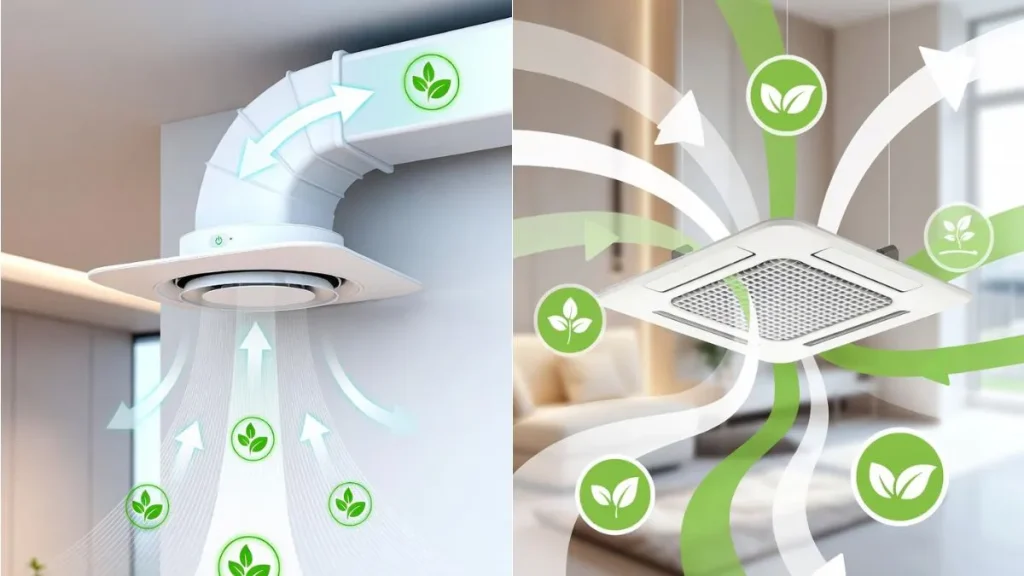
The air intake system in a tankless water heater plays a crucial role in its energy efficiency. Proper air supply helps the heater burn fuel cleanly and effectively. Without enough air, the heater works harder, wasting energy and increasing costs.
Impact On Heater Performance
The air intake affects how well the tankless water heater performs. A steady flow of fresh air is needed for complete combustion. Poor air supply can cause these problems:
- Incomplete combustion: Not enough oxygen leads to leftover fuel and pollutants.
- Reduced heat output: The heater cannot reach its full power without proper air.
- Increased fuel use: The system burns more fuel to reach the desired temperature.
- Shortened lifespan: Strain on parts causes faster wear and tear.
Ensuring enough fresh air reaches the heater prevents these issues. Proper ventilation improves burning quality and heater output. This saves energy and money.
Improving Efficiency
Improving air intake can boost a tankless water heater’s efficiency significantly. Here are ways to enhance air supply:
- Clear air vents: Keep intake vents free from dust and debris.
- Proper vent placement: Install vents away from exhaust gases and obstructions.
- Use sealed combustion units: These use outside air directly, avoiding indoor air depletion.
- Regular inspections: Check air intake and exhaust systems for blockages or damage.
Consider these benefits of improved air intake:
- Better combustion reduces fuel use.
- Stable heat output improves comfort.
- Lower emissions protect the environment.
- Longer heater lifespan cuts replacement costs.
Simple maintenance tips keep air intake efficient:
- Clean vents every 6 months.
- Ensure no furniture or plants block air paths.
- Replace damaged vent covers quickly.
- Hire professionals for yearly system checks.
Improving air intake is an easy step toward saving energy. It supports better heater function and lowers bills over time.
Read Also: Air Handler Insulation Replacement
Conclusion
Proper air intake is key for tankless water heaters to work well. It keeps the heater safe and efficient every day. Clean air helps the system burn fuel fully and avoid damage. Place the intake in a clear spot, away from dirt and dust.
Regular checks prevent problems and keep your heater lasting longer. Good air flow means warm water without interruption. Simple steps make a big difference in your home’s comfort and safety.