

Thinking about adding a bathroom to your home? Before you start, you need to know what happens if you build a bathroom without a permit.
It might seem like a quick way to save time and money, but skipping this important step can lead to serious problems. From unexpected fines to safety risks, your decision could affect your wallet and your peace of mind. Keep reading to find out why permits matter and how avoiding them can turn your dream bathroom into a costly headache.
Legal Risks
Building a bathroom without a permit brings serious legal risks. Permits ensure work meets safety and building codes. Skipping this step can cause trouble with local authorities. Many homeowners do not realize the problems that follow. These issues can delay your project and increase costs.
Fines And Penalties
Authorities impose fines and penalties on unpermitted bathroom construction. These fines vary by location but can be expensive. The amount depends on the violation and how long the work has gone on without approval.
Common consequences include:
- Monetary fines that increase over time
- Requirement to pay for inspections and re-inspections
- Costs to undo or fix non-compliant work
- Possible legal fees if violations escalate
The table below shows typical fine ranges in some areas:
| Location | Minimum Fine | Maximum Fine |
| New York City | $1,000 | $25,000 |
| Los Angeles | $500 | $10,000 |
| Chicago | $750 | $15,000 |
Ignoring fines can lead to higher penalties and legal action. Paying fines does not solve the problem alone. The work must comply with local codes to avoid further penalties.
Stop-work Orders
A stop-work order is a legal demand to halt construction immediately. Authorities issue this when they find unpermitted work. This order stops the bathroom project until the permit is obtained.
Stop-work orders cause:
- Project delays that can last weeks or months
- Extra costs for inspections and paperwork
- Possible need to remove or redo work
Ignoring a stop-work order can lead to:
- Fines that increase daily
- Legal action or court appearances
- Forced demolition of the bathroom
To lift a stop-work order, homeowners must:
- Apply for the proper permit
- Pass all required inspections
- Fix any code violations found
Stop-work orders protect public safety and building standards. They ensure your bathroom is safe and legal. Avoid these risks by following local rules before starting construction.
Safety Concerns
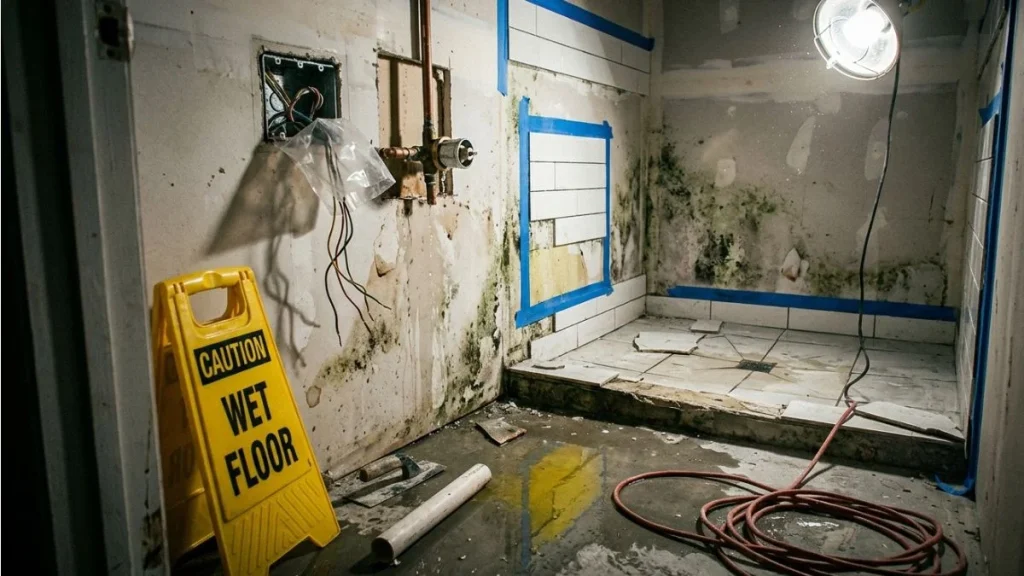
Building a bathroom without a permit can lead to serious safety concerns. Permits ensure the construction follows local rules designed to protect everyone. Skipping this step risks poor work that may cause harm or damage over time. Many problems hide behind the walls, unseen until it is too late. Proper inspections catch these issues early. Without permits, these checks do not happen, putting your home and family at risk.
Building Code Violations
Building codes set minimum standards for bathroom construction. Without a permit, the work may not meet these rules. This creates legal and safety problems. Common violations include:
- Incorrect plumbing connections causing leaks or backflow
- Improper electrical wiring that risks shocks or fires
- Insufficient ventilation leading to mold growth
- Wrong materials used, not rated for wet areas
- Structural changes that weaken walls or floors
Municipal inspectors review these points during permit approval. Without inspection, mistakes stay unnoticed and uncorrected. Here is a simple table showing typical code areas affected:
| Code Area | Common Violation | Risk |
| Plumbing | Leaky pipes, wrong pipe sizes | Water damage, health risks |
| Electrical | Exposed wires, no GFCI outlets | Electric shock, fire hazards |
| Ventilation | No exhaust fan or vent | Mold, poor air quality |
| Structure | Cutting load-bearing walls | Building instability |
Ignoring code violations can cause costly repairs and even legal trouble later. Always follow local rules for safe construction.
Potential Hazards
Bathrooms contain water and electricity—both dangerous if mishandled. Building without a permit increases hazards that affect health and safety. Common dangers include:
- Water leaks: Poor plumbing can cause leaks, damaging walls and floors.
- Electric shocks: Incorrect wiring may expose users to shocks or fires.
- Mold growth: Lack of ventilation leads to dampness and mold, harming health.
- Structural damage: Unsafe changes may weaken the building’s frame.
- Slip and fall risks: Improper floor slopes or surfaces increase accidents.
These hazards may not appear right away. Over time, small problems grow and become dangerous. Safety checks with permits catch these early. Without them, hidden faults remain, putting lives at risk.
Financial Consequences
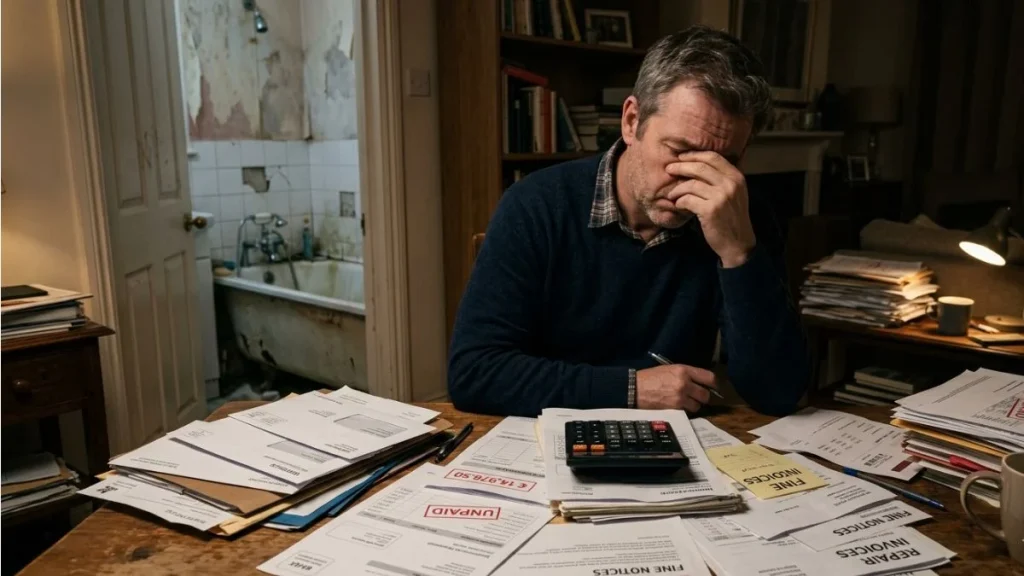
Building a bathroom without a permit can lead to serious financial consequences. The costs do not stop at the initial construction. Unpermitted work often results in extra expenses, fines, and loss of property value.
Increased Repair Costs
Without a permit, inspections are skipped, so mistakes often go unnoticed. Problems like faulty plumbing or poor wiring might cause damage later. Fixing these issues can be very expensive. Contractors may need to undo and redo the work to meet building codes.
Common reasons repair costs rise include:
- Unapproved materials or methods used
- Hidden damages that worsen over time
- Additional work to bring the bathroom up to code
- Fines for working without a permit
Here is a simple overview of potential extra costs:
| Issue | Estimated Extra Cost |
| Code corrections | $1,000 – $5,000 |
| Plumbing rework | $500 – $3,000 |
| Electrical fixes | $1,000 – $4,000 |
| Permit fines | $500 – $2,000 |
Ignoring permits can also delay your project. Delays increase labor costs and cause frustration. Spending more on repairs and fines hurts your budget badly.
Impact On Property Value
Unpermitted bathrooms often lower the home’s market value. Buyers want to avoid future costs and legal issues. They may offer less money or refuse to buy the house altogether.
Here are some ways property value is affected:
- Reduced buyer interest: Many buyers avoid homes with unpermitted work.
- Loan and insurance problems: Banks and insurers may reject the property.
- Inspection failures: Property inspections highlight unpermitted areas, causing price drops.
- Time on market: The house may take longer to sell.
Below is a comparison showing how permits influence property value:
| Bathroom Status | Typical Property Value Impact |
| Permitted Bathroom | Maintains or increases value |
| Unpermitted Bathroom | Value drops by 5-15% |
Proper permits protect your investment. They ensure your bathroom adds value and avoids costly resale issues.
Insurance Issues
Building a bathroom without a permit can cause serious insurance issues. Insurance companies require all home improvements to follow local rules. Without a permit, your insurer may not accept claims related to the unpermitted bathroom. This creates major risks for homeowners.
Claim Denials
Insurance companies often deny claims linked to unpermitted work. They see unpermitted bathrooms as a higher risk because the work might not meet safety standards. If damage happens, like water leaks or fires, the insurer may reject your claim.
Common reasons for claim denial:
- Work done without official inspection.
- Use of substandard materials or methods.
- Failure to meet building codes.
- Unknown risks due to hidden problems.
Below is a simple table showing typical scenarios and possible insurance responses:
| Scenario | Insurance Response |
| Water damage from faulty plumbing in unpermitted bathroom | Claim denied due to lack of permit and inspection |
| Fire caused by improper electrical work in bathroom | Claim denied; insurer cites code violations |
| Bathroom upgrades with permits and inspections | Claim approved if damage is covered |
Insurance companies want proof that work meets safety codes. Without permits, that proof is missing. This often leads to claim denials and financial losses for homeowners.
Liability Risks
Unpermitted bathroom construction raises liability risks for homeowners. If someone gets hurt because of unsafe work, the homeowner could be responsible. Injuries could happen from slippery floors, faulty wiring, or weak structures.
Key liability risks include:
- Accidents due to poor workmanship.
- Legal costs from injury claims.
- Fines and penalties from building authorities.
- Higher insurance premiums after incidents.
Insurance policies may not cover injuries linked to unpermitted work. This leaves homeowners to pay medical bills and legal fees out of pocket.
Here are important points about liability:
- Permits ensure work is inspected and safe.
- Inspections reduce chances of hidden dangers.
- Without permits, proving safety is difficult.
- Homeowners may face lawsuits for damages.
Building a bathroom with permits protects your family and finances. It lowers liability and ensures insurance will respond if problems occur.
Permitting Process
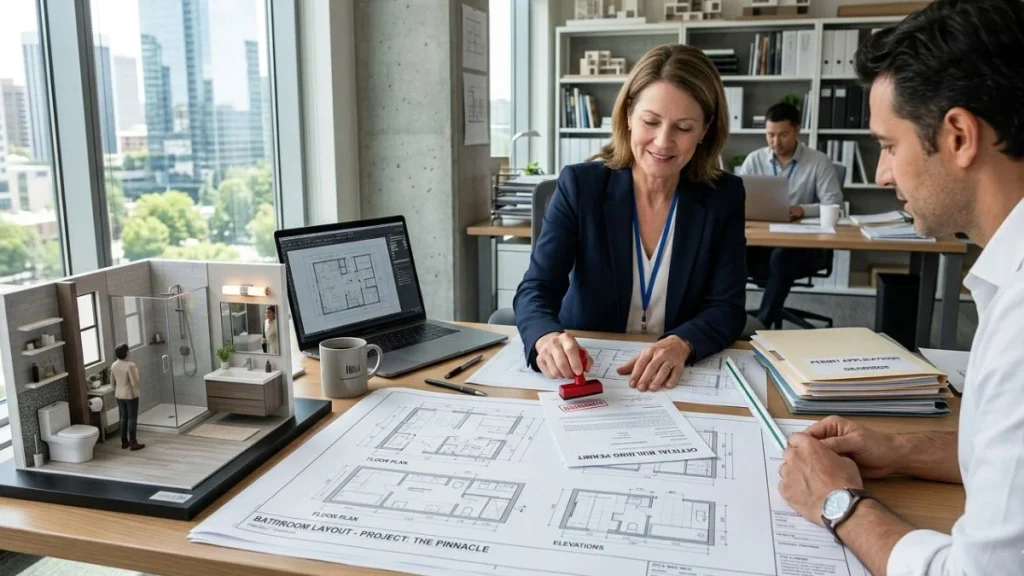
Building a bathroom without a permit can cause serious problems. The permitting process exists to ensure safety and legal compliance. It helps local authorities check that the work meets building codes and standards. This process protects homeowners from unsafe structures and costly fines.
How To Obtain A Permit
Obtaining a permit for bathroom construction involves several clear steps. Following these steps keeps the project legal and safe.
- Research local requirements: Building codes and permit rules vary by city or county.
- Prepare detailed plans: Include plumbing, electrical, and structural changes in your drawings.
- Submit an application: Provide plans and necessary documents to the local building department.
- Pay fees: Permit fees differ based on project size and location.
- Schedule inspections: Inspectors visit during and after construction to verify compliance.
Retroactive Permitting
Retroactive permitting applies when a bathroom is built without a permit. This process allows homeowners to legalize the work after completion.
Start by contacting the local building department. They will explain the steps and requirements for retroactive approval.
- Submit as-built plans: Provide drawings showing exactly what was built.
- Schedule inspections: Inspectors check if the bathroom meets safety codes.
- Make necessary corrections: Fix any code violations identified during inspections.
- Pay fees and penalties: These are often higher for retroactive permits.
Here is a checklist for retroactive permitting:
- Contact building department
- Submit detailed as-built plans
- Pass safety inspections
- Complete required corrections
- Pay fees and penalties
- Receive official permit approval
Retroactive permitting can be costly and time-consuming. Some areas may impose fines or require removal of the bathroom if it fails inspections. Always try to get a permit before starting construction to avoid these problems.
Neighbor And Community Impact
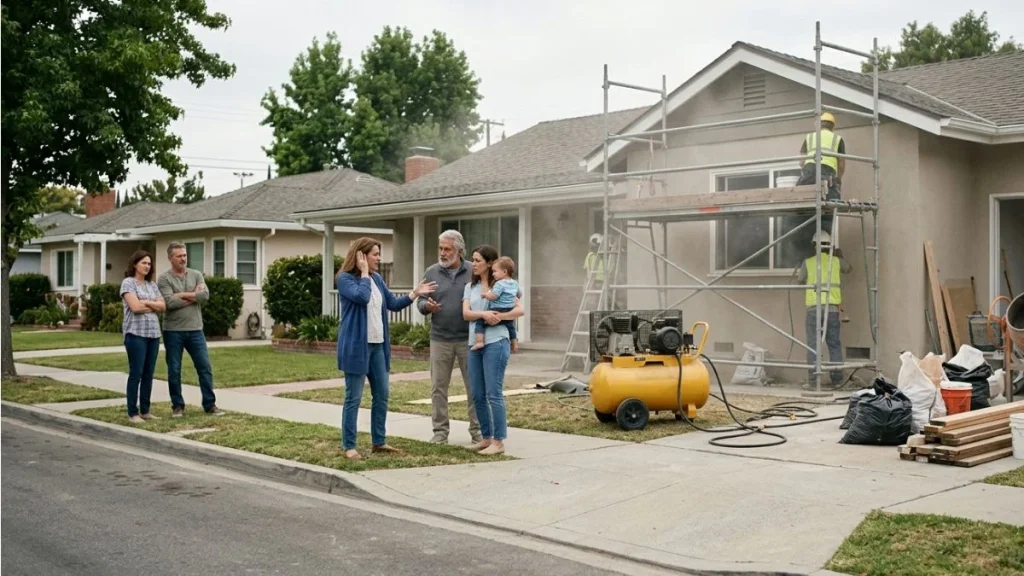
Building a bathroom without a permit can affect more than just your property. The impact often extends to neighbors and the whole community. Unapproved construction may cause problems that lead to tension and complaints. It can also disrupt the neighborhood’s appearance and safety standards.
Disputes And Complaints
Unauthorized bathroom construction often leads to disputes among neighbors. Noise, debris, and unexpected changes can cause frustration. Neighbors may feel their property value is at risk or that their quiet enjoyment is disturbed. Complaints may arise about the construction’s quality and safety.
- Noise complaints: Construction noise can last days or weeks, disrupting peace.
- Property value concerns: Poorly done work may lower nearby home prices.
- Safety worries: Faulty plumbing or electrical work can pose hazards.
- Visual impact: An unfinished or odd-looking bathroom may reduce neighborhood appeal.
Neighbors might contact local authorities to report the issue. This can lead to inspections and fines. In some cases, forced removal of the bathroom may occur, causing financial loss and strained relationships. Keeping good neighbor relations requires following the rules and communicating before starting projects.
Community Regulations
Communities have regulations to keep neighborhoods safe and attractive. Building permits ensure work meets these rules. Ignoring permits breaks community standards and may harm public welfare. These rules cover plumbing, electrical, and structural safety. They also protect shared resources like water and sewage systems.
Below is a simple table outlining common community regulations related to bathroom construction:
| Regulation Area | Purpose | Example |
| Plumbing Codes | Prevent leaks and contamination | Proper pipe installation and venting |
| Electrical Safety | Avoid shocks and fires | Ground-fault circuit interrupters (GFCI) |
| Structural Integrity | Ensure stable and safe construction | Correct framing and support |
| Zoning Laws | Maintain neighborhood look and density | Bathroom size limits and placement rules |
Ignoring these regulations can lead to penalties and costly repairs. Communities rely on these rules to keep everyone safe and happy. Following them respects neighbors and the shared environment.
Conclusion
Building a bathroom without a permit can cause many problems. You might face fines or legal trouble. Inspectors can stop your work and make you remove it. Insurance might not cover damages from unpermitted work. Selling your home later could become difficult.
Following the proper steps keeps your project safe and legal. Always check local rules before starting construction. Taking time now saves stress and money later. Don’t risk your home’s value or safety by skipping permits.