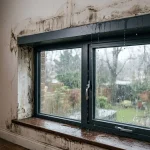


Is water leaking from your garage ceiling? This is a problem you don’t want to ignore.
Even a small drip can quickly turn into costly damage. You might worry about mold, ruined belongings, or a weakened structure. But don’t panic just yet. You’ll discover why the leak is happening and how to fix it before things get worse.
Identifying The Leak Source
Water leaking from the garage ceiling can cause serious damage if not fixed quickly. The first step is identifying the leak source. This helps to stop the leak and prevent more problems. Leaks can come from different places like the roof, pipes, or even the ceiling itself. Careful inspection is key to finding the exact spot where water enters. Below are important steps to check the common sources of leaks.
Inspecting The Roof
The roof is a common cause of water leaks in garage ceilings. Start by looking for signs of damage on the roof surface. Check for:
- Missing or broken shingles
- Cracks or holes in roofing materials
- Damaged flashing around chimneys, vents, or edges
- Clogged gutters that can cause water overflow
Use a ladder to get a closer view, but be careful. Look during dry weather and after rain to spot wet spots or stains on the underside of the roof. Also, check the attic or garage ceiling for dark patches or mold, which can show roof leaks.
Checking Pipes And Fixtures
Pipes or plumbing fixtures above the garage may cause leaks. Inspect any water pipes, sprinkler systems, or appliances near or above the ceiling. Common problems include:
- Loose or broken joints in pipes
- Corrosion or rust on metal pipes
- Faulty seals on fixtures
- Condensation buildup on cold pipes
Turn off water supply and check for dripping sounds or visible water. Look for stains or wet spots around pipe connections. Pay attention to pipes running through walls or ceilings, as leaks here often go unnoticed until damage appears.
Examining Garage Ceiling
Examine the garage ceiling itself for signs of water entry. Look for:
- Discoloration or water stains on drywall or paint
- Peeling paint or bubbling areas
- Soft or sagging spots that feel weak
- Mold or mildew growth on the ceiling surface
Use a flashlight to spot damp areas. Tap the ceiling gently to detect soft spots, which may indicate water damage inside. Check seams and joints for cracks or gaps allowing water to seep through. Moisture trapped inside can cause structural damage over time.
Here is a quick guide on what to check on the ceiling:
| Ceiling Sign | Possible Cause | Recommended Action |
| Water Stains | Leak above ceiling | Find and fix leak source |
| Soft Spots | Water damage, weakened structure | Replace damaged material |
| Mold Growth | Excess moisture | Clean mold, improve ventilation |
Using Moisture Detection Tools
Moisture detection tools help find hidden leaks inside walls or ceilings. Common tools include:
- Moisture meters: Measure moisture levels in wood or drywall
- Infrared cameras: Detect temperature changes caused by moisture
- Humidity sensors: Monitor air moisture near leak areas
Use a moisture meter by pressing its sensor against suspect areas to get readings. High moisture levels signal a leak or trapped water. Infrared cameras show cooler spots where water collects, even behind surfaces.
Potential Risks
Water leaking from a garage ceiling can cause many problems. It is not just a small annoyance. The leak can harm your home’s structure, create health risks, and cause electrical dangers. Acting quickly is important to avoid costly repairs and keep your family safe.
Structural Damage
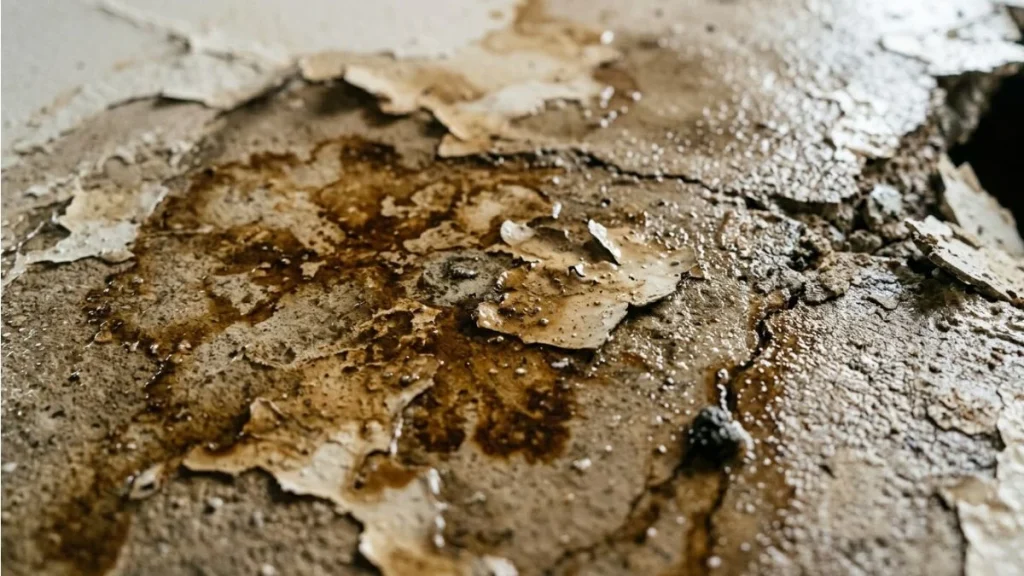
Water can weaken the garage ceiling and the structure above it. Over time, the leak causes wood to rot and metal to rust. This reduces the strength of beams and supports.
- Wood rot: Water softens wood, making it break easily.
- Ceiling collapse: Wet materials get heavy and may fall.
- Damage to drywall: Water stains, warping, and crumbling drywall are common.
Below is a simple table showing common structural problems from water leaks:
| Issue | Effect | Signs |
| Wood Rot | Weakens beams | Soft spots, discoloration |
| Drywall Damage | Cracks, sagging | Peeling paint, bubbles |
| Ceiling Collapse | Safety hazard | Sagging ceiling, leaks |
Ignoring leaks can lead to expensive repairs. Fixing small leaks early protects your home’s structure and your safety.
Mold Growth
Moisture from leaks creates the perfect place for mold to grow. Mold spreads fast and can affect health.
Mold needs moisture, warmth, and organic material to grow. A wet garage ceiling provides all three. Mold spores in the air can cause:
- Allergic reactions like sneezing and itchy eyes
- Respiratory problems such as coughing and difficulty breathing
- Skin irritation and infections
Common places for mold to grow in a garage include:
- Ceiling drywall
- Wood beams
- Insulation materials
Electrical Hazards
Water and electricity do not mix well. A leak in the garage ceiling can reach electrical wiring or outlets.
Wet electrical parts can cause:
- Short circuits
- Power outages
- Fire risks
- Electric shocks
Signs of electrical problems from leaks include flickering lights, tripped breakers, or burning smells. Never touch wet electrical devices or outlets.
Important safety tips:
- Turn off power to the garage if you see water near outlets or wires.
- Call a licensed electrician to inspect the area.
- Fix the leak to stop further water contact with electrical systems.
Protecting your home from water leaks means protecting your electrical system too. Ignoring this risk can lead to serious injury or fire.
Temporary Fixes
Water leaking from a garage ceiling can cause damage to stored items and the structure itself. Temporary fixes help control leaks until a professional repair can be done. These quick solutions reduce water damage and keep the garage usable for a while. Acting fast is important to protect your property and avoid costly repairs later. Below are some easy ways to stop or slow down the leak temporarily.
Sealing Small Cracks
Small cracks in the garage ceiling are common points where water enters. Sealing these cracks quickly helps reduce water flow inside. Use weather-resistant sealants or caulk designed for exterior use. Follow these steps for best results:
- Clean the crack area with a brush or cloth to remove dust and debris.
- Apply the sealant evenly along the crack using a caulking gun or putty knife.
- Press the sealant into the crack to fill it completely.
- Allow the sealant to dry as per the product instructions before exposing it to moisture.
Here is a quick comparison of common sealants used for small cracks:
| Sealant Type | Best For | Drying Time | Water Resistance |
| Silicone Caulk | Flexible, outdoor cracks | 24 hours | High |
| Polyurethane Sealant | Concrete and masonry | 48 hours | Very High |
| Acrylic Latex Caulk | Indoor, small cracks | 30 minutes | Moderate |
Note: Sealants are temporary. Check them regularly and reapply if needed.
Using Tarps And Plastic Covers
Tarps and plastic covers create a barrier that stops water from dripping inside the garage. They are easy to install and protect both the ceiling and items below. Use heavy-duty tarps or thick plastic sheets for better durability. Follow these tips for effective coverage:
- Measure the leaking area to cut the tarp or plastic to the right size.
- Secure the cover tightly with nails, staples, or strong tape around the edges.
- Overlap multiple sheets if the leak area is large or irregular.
- Place buckets or containers under leaks to catch dripping water.
Redirecting Water Flow
Stopping water at the source helps reduce leaks inside the garage. Redirecting water flow away from the garage ceiling is a smart temporary fix. Use simple methods to guide rainwater or melting snow elsewhere. These ideas work well:
- Clean and clear gutters and downspouts to avoid blockages.
- Attach downspout extensions to push water further from the garage foundation.
- Place sandbags or temporary barriers near the garage to divert surface water.
- Use a garden hose or PVC pipes to channel water away safely.
Here is a quick checklist for redirecting water flow:
| Task | Purpose | Tools Needed |
| Clean Gutters | Prevent overflow and leaks | Gloves, ladder, gutter scoop |
| Install Downspout Extensions | Direct water away from garage | Downspout extension pieces, screws |
| Set Up Barriers | Block surface water | Sandbags, plastic sheets |
Tip: Regularly inspect water flow paths during heavy rain to adjust barriers or extensions as needed.
Permanent Solutions
Water leaking from a garage ceiling signals serious problems. Temporary fixes only delay damage and costs. Permanent solutions stop leaks for good. These methods address the root causes and protect your property. Focus areas include the roof, plumbing, ventilation, and drainage. Proper repairs prevent mold, structural harm, and electrical risks. Below are effective strategies to make your garage leak-free and safe.

Roof Repair And Replacement
The roof often causes leaks in a garage ceiling. Cracks, missing shingles, or worn materials let water inside. Repairing or replacing the roof is the most direct fix.
- Inspect for damage: Look for cracked shingles, holes, or loose flashing.
- Seal small cracks: Use roofing sealant to patch minor leaks.
- Replace old shingles: Shingles past their lifespan lose waterproofing.
- Consider full replacement: When damage is widespread, replacing the roof saves money long-term.
Regular roof upkeep avoids leaks:
| Maintenance Task | Frequency | Benefit |
| Roof inspection | Every 6 months | Detect early damage |
| Clean gutters | Quarterly | Prevent water buildup |
| Remove debris | Monthly | Keep roof clear |
Roof repair and replacement remove water entry points. They restore your garage’s protection and extend roof life.
Fixing Plumbing Leaks
Leaking pipes inside or above the garage cause ceiling water stains. Plumbing leaks often hide behind walls or ceilings, making detection tricky.
Steps to fix plumbing leaks:
- Identify leak source: Check visible pipes, listen for dripping sounds.
- Turn off water supply: Prevent further damage before repair.
- Replace damaged sections: Swap out cracked or corroded pipes.
- Seal joints properly: Use plumber’s tape or sealant on fittings.
- Test after repair: Run water to confirm leak stops.
Common plumbing issues causing leaks:
| Problem | Cause | Solution |
| Corroded pipes | Old metal, water exposure | Replace with PVC or copper pipes |
| Loose joints | Wear and tear, poor installation | Tighten or reseal connections |
| Cracked pipes | Freezing, impact damage | Cut out and replace pipe section |
Fixing plumbing leaks stops water at the source. Timely repairs prevent costly ceiling damage and mold growth.
Improving Ventilation
Poor ventilation increases moisture inside a garage. Moist air condenses on the ceiling, causing leaks and stains over time. Improving airflow controls humidity and prevents water damage.
Effective ventilation solutions:
- Install vents: Add roof or wall vents for air exchange.
- Use exhaust fans: Remove moist air during activities like car washing.
- Open windows and doors: Promote natural airflow when weather allows.
- Dehumidifiers: Lower indoor humidity levels effectively.
Improving ventilation keeps your garage dry and fresh. It supports other leak-prevention efforts.
Upgrading Drainage Systems
Water pooling around your garage foundation can seep through the ceiling. Upgrading drainage channels water away effectively.
Key drainage upgrades include:
- Install gutters and downspouts: Direct roof water away from walls.
- Extend downspouts: Lead water at least 5 feet from foundation.
- French drains: Subsurface drains collect and reroute groundwater.
- Improve grading: Slope soil away from garage to prevent pooling.
Drainage system comparison:
| Drainage Type | Function | Installation Ease | Cost |
| Gutters & Downspouts | Collect and channel roof water | Moderate | Low to medium |
| French Drains | Redirect underground water | Complex | Medium to high |
| Soil Grading | Prevent surface water pooling | Easy | Low |
Upgrading drainage systems protects your garage from external water threats. It reduces pressure on the ceiling and walls.
When To Call A Professional
Water leaking from a garage ceiling signals a problem that needs attention. Some leaks are small and easy to fix. Others can cause serious damage or danger. Knowing when to call a professional saves time, money, and stress. A trained expert can find the source quickly and fix it safely. Don’t wait if signs point to a bigger issue.

Signs Of Major Damage
Major damage from water leaks can weaken your garage structure and cause costly repairs. Watch for these clear signs:
- Large water stains spreading across the ceiling or walls.
- Cracks or sagging areas on the ceiling.
- Peeling paint or bubbling drywall.
- Mold or mildew growth with a strong musty smell.
- Soft or spongy spots when you press the ceiling.
These signs show the leak has been active for some time. Water weakens wood, drywall, and insulation. Mold spreads quickly and harms health. A professional can inspect the damage and recommend repairs that protect your home’s safety.
Complex Plumbing Issues
Plumbing problems often cause leaks in garage ceilings. Pipes may burst, joints can loosen, or seals break. These issues are tricky to fix without experience.
Signs of complex plumbing leaks include:
- Dripping or pooling water near plumbing lines above the garage.
- Water pressure changes in sinks or outdoor faucets.
- Visible pipe corrosion or rust.
- Unexplained damp spots that grow over time.
Professional plumbers have tools like cameras and pressure testers. They locate hidden leaks accurately. DIY attempts risk worsening damage or causing floods. Experts also ensure repairs follow building codes.
Electrical Concerns
Water near electrical wiring in your garage ceiling is dangerous. It can cause short circuits, shocks, or fires. Handling electrical issues requires special skills and safety gear.
Warning signs include:
- Flickering or dimming lights in the garage.
- Burning smell or scorched outlets near the leak.
- Buzzing sounds from electrical boxes.
- Tripped breakers when water leaks occur.
Do not touch wet switches or outlets. Turn off power at the main breaker if safe. A licensed electrician can inspect wiring and fix damage. They ensure your garage is safe and code-compliant.
Similar Read: Roof Leaking Where Porch Meets House
Conclusion
Water leaking from the garage ceiling needs quick attention. Small leaks can cause big problems over time. Check the roof and pipes often to spot issues early. Fix leaks fast to avoid costly damage and mold growth. Keep your garage dry and safe with regular care.
Don’t wait for signs to get worse. Act now to protect your home and belongings. Simple steps can save you money and stress later. Stay alert and maintain your garage well.