
Is your boiler making strange noises or not heating your home evenly? Air trapped in your heating system could be the culprit.
Learning how to purge air from your boiler with zone valves can solve these problems quickly and save you money on repairs. In this guide, you’ll discover simple steps you can take to get your boiler running smoothly again. Keep reading to find out how to improve your heating system’s performance and enjoy a warmer, more comfortable home.
Identifying Air Trapped In The System
Air trapped inside a boiler system with zone valves can cause many problems. It stops hot water from flowing properly and makes heating uneven. Finding air pockets early helps keep the system working well. Knowing how to spot and find trapped air is important before purging it out.
Signs Of Air In Boilers
Air in the boiler system causes several clear signs. These signs show the presence of air pockets that block water flow. Watch for these symptoms to know if your system has trapped air:
- Uneven heating: Some rooms stay cold even when the boiler is on.
- Strange noises: Gurgling, banging, or knocking sounds come from the pipes.
- Radiators not heating: Parts of radiators feel cold or warm only halfway.
- Pressure drop: The boiler pressure gauge shows lower than normal levels.
- Boiler cycling: The boiler turns on and off more often than usual.
These signs often happen because air blocks water flow inside pipes and radiators. Air pockets reduce heat transfer and cause the boiler to work harder. Ignoring these signs can lead to higher energy bills and damage to the system.
Common Air Trapping Points
Air does not spread evenly in the boiler system. It collects in certain spots where water flow slows or changes direction. Knowing these points helps find and remove trapped air faster.
- High points in pipes: Air rises and stays at the highest pipe sections.
- Zone valve areas: Air often collects near or inside zone valves due to flow changes.
- Radiator tops: Air bubbles gather at the top of radiators, blocking heat.
- Expansion tanks: Air may build up if the tank is not working properly.
- Dead-end pipe sections: Pipes with no flow can trap air easily.
Inspect these areas carefully when checking for air. Using manual or automatic air vents at high points is common to release trapped air. In systems with multiple zones, focus on each zone valve and connected pipes. Proper maintenance of these points keeps the system running smoothly.
Manual Air Purging Process
Removing trapped air from a boiler system improves heating efficiency and prevents noisy pipes. The manual air purging process involves releasing air pockets step-by-step to restore smooth water flow. This process is essential for boilers with zone valves, as air can block heat distribution in different zones. Follow simple steps to clear air manually, ensuring your heating system works quietly and efficiently.
Opening Bleed Valves
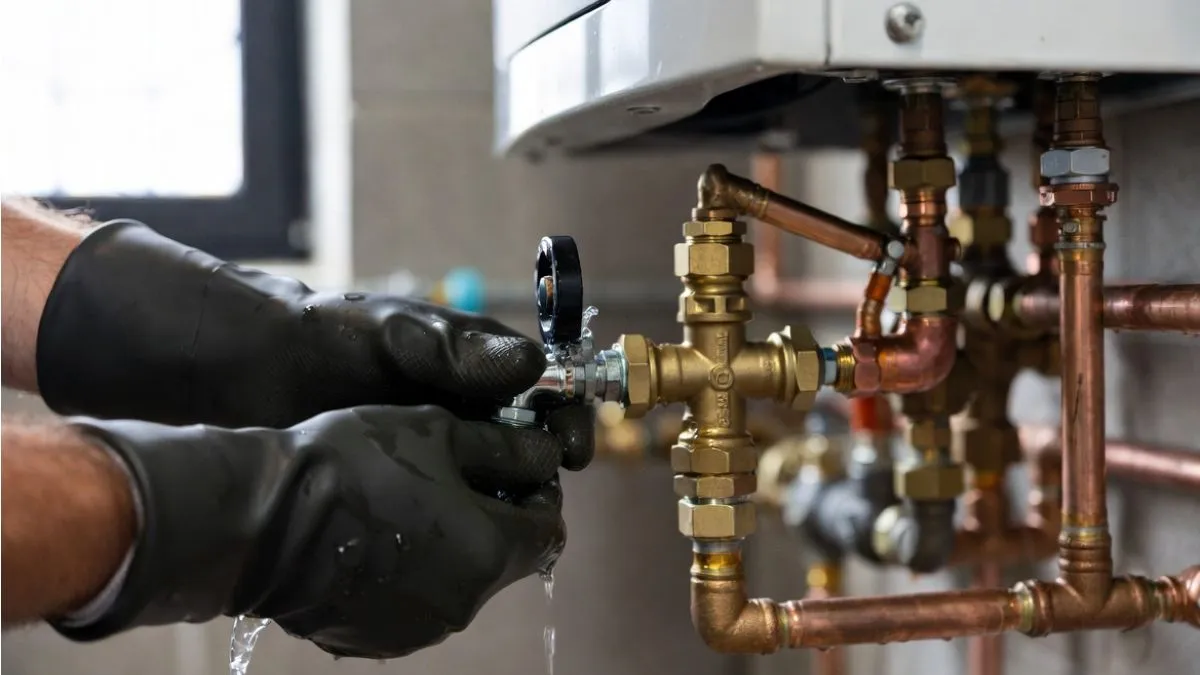
Bleed valves are small valves found on radiators or near the boiler. They allow trapped air to escape safely. Start by locating these valves on each radiator or heating zone. Use a cloth or small container to catch any water that may leak out.
- Turn off the boiler to prevent circulation during purging.
- Use a flat screwdriver or a special key to slowly open the bleed valve.
- You will hear a hissing sound as air escapes.
- Once water starts flowing steadily, close the valve tightly.
Opening bleed valves helps remove air pockets that cause uneven heating or noise. Repeat this process for each radiator or zone valve connected to the boiler. This method is simple and requires no special tools other than a key or screwdriver.
Using A Radiator Key
A radiator key is a small tool designed to open bleed valves. It fits perfectly into the valve and makes air purging easier. Using a radiator key reduces the risk of damaging valves compared to using a screwdriver.
Steps to use a radiator key:
- Turn off the boiler and let the system cool.
- Place a cloth or small bowl under the bleed valve to catch any water.
- Insert the radiator key into the valve square head.
- Turn the key gently counterclockwise to open the valve.
- Listen for air escaping in a steady hiss.
- Close the valve when water starts to flow without bubbles.
Using a radiator key ensures a controlled release of air and prevents leaks. It is a handy tool for boiler maintenance and helps keep your heating system running smoothly.
Draining Air Through Zone Valves
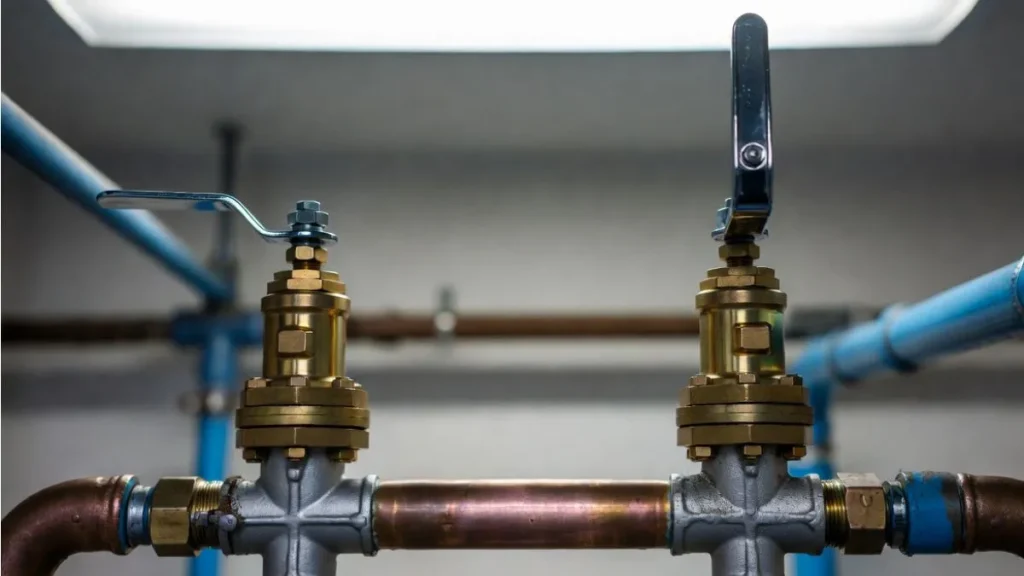
Zone valves control water flow to different parts of the heating system. Trapped air can block these valves and reduce heat delivery. Draining air through zone valves helps maintain balanced heating across all zones.
Follow this process:
- Turn off the boiler and isolate the zone valve you want to purge.
- Locate the manual bleed screw or vent on the zone valve.
- Use a screwdriver or bleed key to open the vent slowly.
- Allow air to escape until water flows steadily.
- Close the vent securely to prevent leaks.
Repeat for each zone valve in your system. This step ensures that no air blocks the valve mechanism, which can cause cold spots or noisy pipes. Proper air purging through zone valves improves system performance and extends boiler lifespan.
Automatic Air Purging Options
Removing trapped air from a boiler system is essential for smooth heating and energy efficiency. Automatic air purging options help clear air pockets without manual effort. These systems work well with zone valves, ensuring each heating zone runs correctly.
Installing Automatic Air Vents
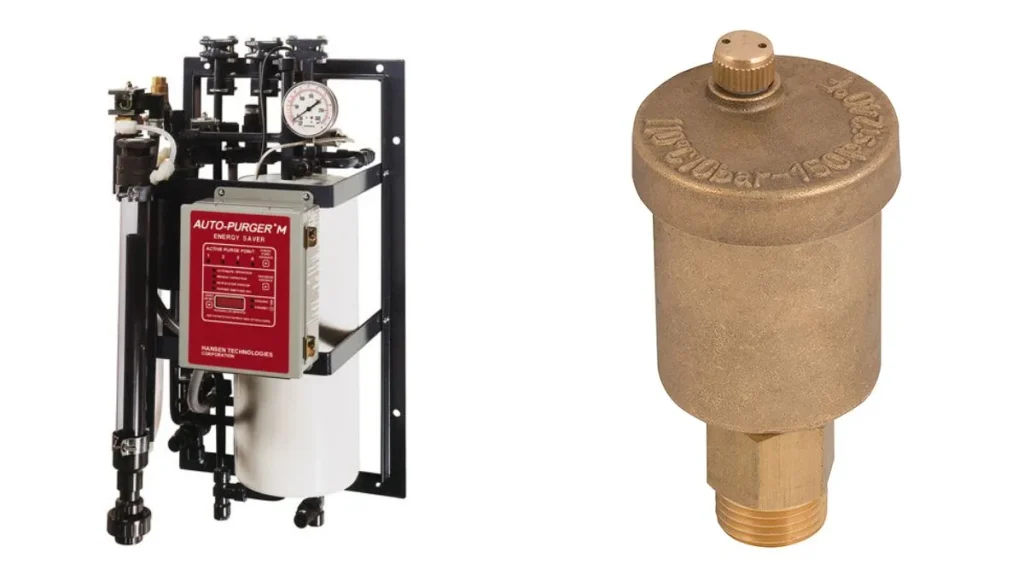
Automatic air vents are devices that release trapped air from the boiler system automatically. They work by sensing air pockets and opening a valve to let air escape. Installing these vents in the right locations is key to effective air purging.
Follow these steps to install automatic air vents:
- Identify high points: Air rises, so place vents at the highest spots in the piping system.
- Turn off the boiler: Ensure the system is off and cooled down before installation.
- Drain the system partially: This prevents water leakage during vent installation.
- Install the vents: Attach the automatic air vents using appropriate fittings. Use thread seal tape to avoid leaks.
- Test the system: Restart the boiler and observe the vents for proper air release.
Benefits Of Automatic Purging
Automatic air purging offers many advantages over manual air removal methods. It keeps the boiler system running smoothly without frequent human intervention.
Key benefits include:
- Improved heating efficiency: Air pockets reduce heat transfer. Removing air automatically allows better heat flow.
- Reduced noise: Air trapped in pipes causes banging or gurgling sounds. Automatic vents stop these noises by releasing air quickly.
- Lower maintenance: Less manual bleeding means fewer service visits and lower costs.
- Longer system life: Air causes corrosion and damage inside pipes. Automatic purging protects components.
- Energy savings: Efficient air removal means the boiler uses less fuel to heat the building.
Post-purge System Checks
After purging air from a boiler system with zone valves, post-purge system checks ensure everything runs smoothly. These checks confirm the system’s safety and efficiency before full operation. Skipping this step can cause problems like poor heating or system damage. Focus on restoring power and fuel, monitoring pressure and temperature, and testing zone valve operation. These actions help maintain a safe and effective boiler system.
Restoring Power And Fuel
After air is removed, restore power and fuel supply carefully. This step reactivates the boiler and prepares it for heating. Follow these guidelines for safe restoration:
- Check all electrical connections for damage or loose wires before turning power back on.
- Turn on the main power switch to the boiler system slowly.
- Open the fuel supply valve gradually to avoid pressure surges.
- Observe any warning lights or error codes on the control panel.
Safety tip: Do not rush this process. Sudden power or fuel surges can harm the boiler or cause hazards.
Monitoring Pressure And Temperature
Once power and fuel are restored, monitor the boiler’s pressure and temperature closely. Proper pressure and temperature levels ensure the system runs efficiently and safely. Here are key points to monitor:
- Check pressure gauges to confirm the system pressure is within the recommended range, usually 12-15 psi for residential boilers.
- Observe temperature readings on the boiler’s control panel or thermostat.
- Look for sudden changes or drops in pressure or temperature as they may indicate leaks or blockages.
- Listen for unusual noises like banging or gurgling, which suggest trapped air or pressure issues.
Tip: Record pressure and temperature readings every 10 minutes during the first hour after purging air. This helps detect any problems early.
Testing Zone Valve Operation
Zone valves control water flow in different heating zones. After purging air, test each zone valve to confirm proper operation. Follow these steps:
- Manually open and close each zone valve using the control switch or thermostat.
- Listen for valve movement. It should open and close smoothly without noise or resistance.
- Check water flow in the corresponding heating zone to ensure it heats up properly.
- Look for leaks near valve connections.
- Verify the boiler responds correctly by firing up when a zone valve opens.
Use this checklist to track valve testing:
| Zone Valve | Manual Operation | Water Flow | Leak Check | Boiler Response |
| Zone 1 | Opens/closes smoothly | Good flow, warms area | No leaks | Boiler fires correctly |
| Zone 2 | Opens/closes smoothly | Good flow, warms area | No leaks | Boiler fires correctly |
| Zone 3 | Opens/closes smoothly | Good flow, warms area | No leaks | Boiler fires correctly |
Note: Faulty zone valves can cause uneven heating or system failure. Replace or repair any valve that does not pass these tests.
Conclusion
Purge air from your boiler carefully to keep it working well. Always close zone valves before starting the process. Open vents slowly to let trapped air escape. Listen for gurgling sounds; they show air leaving. Watch water flow steady to know the job is done.
Keep your system clean and free of air for better heat. Regular checks help avoid cold spots and noises. Take your time and follow each step for safe results. Your boiler will run smoother and last longer this way.