


Have you ever noticed your gutter making a strange vibrating noise when the wind picks up? That buzzing or rattling sound can be more than just annoying—it might signal a problem that could lead to costly repairs if ignored.
You’re probably wondering what’s causing this vibration and whether it’s something you can fix yourself. Keep reading, because understanding why your gutter vibrates when windy can help you protect your home and save money in the long run.
Causes Of Gutter Vibrations
Gutter vibrations during windy conditions can be both annoying and a sign of a deeper problem. These vibrations occur for several reasons, often related to how wind interacts with the gutter system and the condition of the gutters themselves. Understanding the main causes of gutter vibrations helps in identifying the issue early and preventing damage to your home. Below, we explore the primary causes that make gutters shake or rattle in the wind.
Wind Impact On Gutters
Wind plays a major role in causing gutters to vibrate. When wind blows strongly, it creates pressure differences around the edges of gutters. These forces can cause gutters to move or shake, especially if the wind hits at certain angles. The shape and size of gutters also affect how wind impacts them.
Key points about wind impact:
- Strong gusts push and pull gutters, leading to vibration.
- Wind passing over the roof can create swirling air currents near gutters.
- Long, straight gutters tend to catch more wind and vibrate more.
- Open or damaged end caps can allow wind to enter and cause rattling.
Loose Or Damaged Components
Gutters often vibrate because parts become loose or damaged. When hangers, brackets, or fasteners are not tight, gutters can move freely during wind. This movement creates noise and may cause damage over time.
Common loose or damaged parts include:
- Loose gutter hangers or brackets
- Missing or bent fasteners
- Damaged end caps or corners
- Cracks or holes in the gutter body
Improper Installation
Gutter vibrations can also result from poor installation. Incorrect slope, wrong fastener type, or insufficient support cause gutters to move too much in wind. Proper installation ensures gutters stay secure and quiet.
Common installation mistakes that cause vibrations:
- Gutters not sloped correctly for drainage
- Using too few hangers or brackets
- Incorrect hanger placement
- Fasteners that do not fit the gutter material
Types Of Gutter Vibrations

Gutters often vibrate during windy conditions. These vibrations can cause noise and sometimes damage. Understanding the types of gutter vibrations helps homeowners identify issues early. Vibrations mainly occur as rattling sounds or swaying movements. Each type has unique causes and effects. Knowing these can guide proper gutter maintenance and repairs.
Rattling Sounds
Rattling sounds happen when parts of the gutter shake and hit each other or the house. This noise is common during strong winds. Loose gutter components often cause rattling. For example, loose screws, brackets, or hangers can move and create noise.
Common causes of rattling sounds include:
- Loose gutter hangers or brackets
- Gaps between gutter sections
- Debris trapped inside the gutter
- Damaged or worn-out fasteners
Rattling sounds may seem small but can lead to bigger problems. Continuous shaking can wear down materials and cause leaks or detachments.
Swaying Movements
Swaying movements happen when gutters move side to side. This often occurs in strong, steady winds. Gutters attached loosely or with damaged brackets sway more.
Key factors causing swaying include:
- Weak or broken gutter hangers
- Improper installation
- Heavy wind pressure
- Long gutter sections without support
Swaying can cause gutters to pull away from the house. Over time, this leads to bending or even falling gutters. It also stresses the entire gutter system.
Signs of swaying gutters:
- Visible movement during wind
- Gutters feel loose when touched
- Cracks or bends in the gutter
- Water leaks at joints
Identifying Problem Areas
Gutters that vibrate during windy conditions can become a noisy annoyance and may signal underlying issues. Identifying problem areas in your gutter system helps stop the noise and prevents damage. Checking the main parts of the gutters reveals the source of vibrations. Focus on fasteners, brackets, gutter alignment, and downspouts. These areas often cause gutters to move and rattle when the wind blows. A careful inspection saves time and money by catching small problems early.
Inspecting Fasteners And Brackets
Fasteners and brackets hold gutters firmly against the house. Over time, they can loosen, break, or rust, leading to gutter movement and vibrations. Start by examining each fastener and bracket along the gutter line.
- Look for loose screws or nails. These cause gutters to sway in the wind.
- Check for missing fasteners. Gaps reduce support and increase movement.
- Inspect brackets for cracks or bending. Damaged brackets cannot hold gutters tight.
- Assess rust or corrosion. Rust weakens metal parts and causes failure.
Checking Gutter Alignment
Misaligned gutters catch wind differently, causing vibrations and noise. Proper alignment ensures gutters remain steady and drain water correctly. Start by observing the gutters from the ground and roof.
- Look for sagging sections. These collect water and shake in the wind.
- Check the slope. Gutters should slope slightly toward downspouts.
- Identify gaps between gutters and fascia board. Loose spots rattle when windy.
Use a level or straight edge to measure slope. The ideal slope is about 1/4 inch per 10 feet toward the downspout.
Signs of poor alignment include:
- Pooling water in gutter sections
- Visible gaps or separation from the house
- Loud rattling noises during wind
Fix alignment issues by adjusting hangers or brackets. Tighten or reposition parts to restore proper slope. Well-aligned gutters reduce wind vibration and protect your home from water damage.
Examining Downspouts
Downspouts channel water from gutters away from your home. Loose or damaged downspouts can cause gutters to shake and vibrate. Inspect each downspout carefully along its length.
- Check connections between gutters and downspouts. Loose joints allow movement.
- Look for dents or bends. Deformed downspouts catch wind and cause noise.
- Inspect downspout straps and brackets. These should hold the downspout snugly to the wall.
- Ensure downspouts are clear of debris. Blockages cause water backup and stress on gutters.
Use a flashlight to see inside and a hose to flush out debris. Tighten or replace any loose straps or brackets. Straighten bent downspouts carefully to restore proper flow and reduce wind noise.
Properly secured downspouts stabilize gutters and prevent vibrations during storms.
Preventing Gutter Vibrations
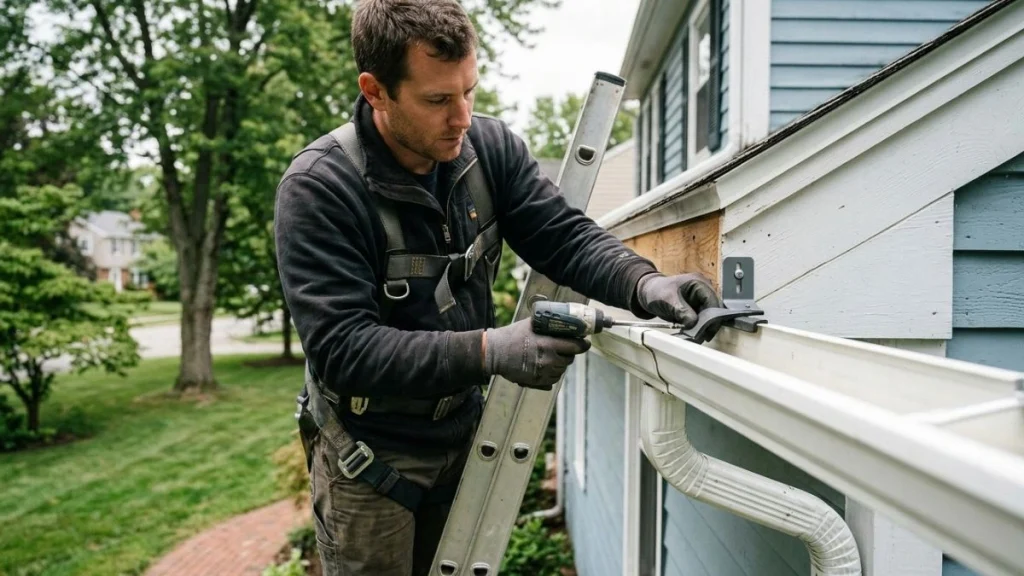
Preventing gutter vibrations is key to keeping your gutters quiet and functional during windy days. Vibrations happen when wind pushes on loose parts of the gutter system. This noise can be annoying and may signal damage that needs fixing. Taking simple steps to stop gutters from moving can save money and prevent bigger problems later. Below are three effective ways to reduce or stop gutter vibrations.
Tightening And Replacing Fasteners
Loose fasteners are often the main cause of gutter vibrations. Over time, nails or screws can loosen due to weather changes or the weight of debris. Tightening existing fasteners or replacing old ones helps secure gutters firmly against the house. This action reduces movement and noise.
Follow these steps to tighten or replace fasteners:
- Inspect gutters for loose or missing fasteners.
- Use a screwdriver or drill to tighten screws or nails.
- Replace damaged fasteners with rust-resistant screws.
- Check fasteners every few months for stability.
Types of fasteners to consider:
| Fastener Type | Best Use | Durability |
| Galvanized Screws | Standard gutters | Good resistance to rust |
| Stainless Steel Screws | Coastal or wet areas | Excellent rust resistance |
| Aluminum Rivets | Lightweight gutters | Moderate durability |
Always use the right size fastener for your gutter type. Tightening fasteners regularly keeps gutters stable and quiet.
Adding Support Brackets
Support brackets add strength to gutters and stop them from shaking in strong winds. When gutters lack enough support, wind can push them away from the roof edge. Installing extra brackets helps hold gutters firmly in place.
Here are key points about support brackets:
- Place brackets every 18 to 24 inches along the gutter.
- Use brackets made from sturdy materials like aluminum or stainless steel.
- Check existing brackets for damage or bending.
- Secure brackets tightly to the fascia board.
Benefits of adding support brackets:
- Reduces gutter movement and noise.
- Prevents sagging and water pooling.
- Extends gutter lifespan by distributing weight evenly.
Adding brackets is a simple fix that strengthens gutters against wind pressure. Well-supported gutters stand firm and stay quiet.
Sealing Loose Sections
Gutters often have joints where sections connect. Loose joints can vibrate and cause noise during windy conditions. Sealing these joints tightly prevents movement and stops water leaks.
Steps to seal loose gutter sections:
- Clean the joint area to remove dirt and debris.
- Apply a high-quality gutter sealant or silicone caulk.
- Press the sections together firmly while the sealant cures.
- Check for gaps and apply extra sealant if needed.
Types of sealants suitable for gutters:
| Sealant Type | Features | Drying Time |
| Silicone Caulk | Flexible, waterproof | 24 hours |
| Polyurethane Sealant | Durable, UV resistant | 48 hours |
| Butyl Rubber Sealant | Good adhesion, weatherproof | 12-24 hours |
Sealing loose sections stops air from entering gaps and reduces vibrations. This simple step improves gutter stability and prevents leaks.
Read Also: Installing Gutters on Rafter Tails
Conclusion
Gutters that vibrate during windy days can be annoying and cause damage. Tightening loose parts and adding support helps stop the noise. Clearing debris improves airflow and reduces shaking. Check gutters regularly to catch problems early. Small fixes keep your home safe and quiet.
Don’t ignore gutter sounds—they often mean a simple repair. Taking action now saves money and stress later. A calm, secure home starts with well-maintained gutters. Easy steps make a big difference in windy weather.