
Are you worried about water pooling around your home’s foundation? A gutter drain under concrete might be the solution you need.
It keeps rainwater flowing away from your property, preventing costly damage and messy puddles. Imagine never having to deal with soggy sidewalks or cracked concrete again. You’ll discover how a hidden gutter drain works, why it’s important, and how it can protect your home for years to come.
Purpose Of Gutter Drains
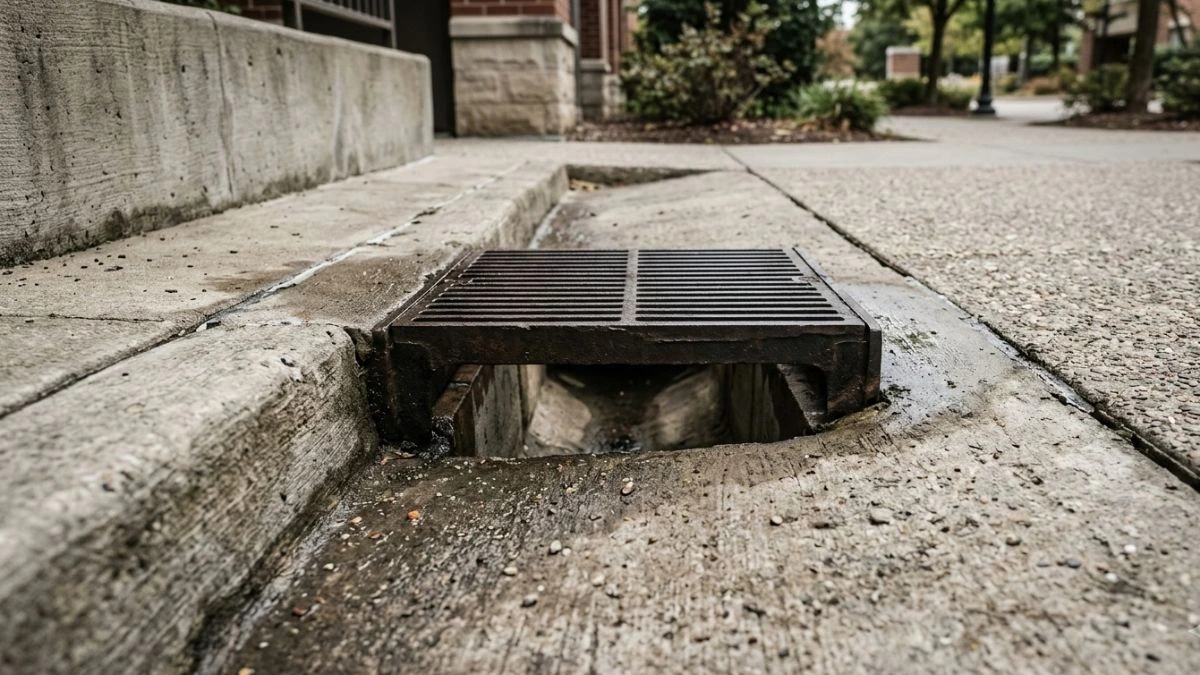
Gutter drains under concrete play a crucial role in managing water around buildings and paved areas. Their main purpose is to collect and direct water away from surfaces like driveways, patios, and walkways. This prevents water from pooling and causing damage to the concrete or the foundation beneath it.
These drains work quietly beneath the surface, protecting structures and keeping outdoor spaces safe and dry. Understanding their purpose helps to appreciate their importance in construction and landscaping.
What Gutter Drains Protect Against
Gutter drains help stop water problems that can harm concrete and nearby structures. They protect against:
- Water pooling on surfaces, which can cause cracks and erosion.
- Soil erosion under concrete, leading to sinking or cracking.
- Foundation damage by directing water away from building bases.
- Ice buildup in cold climates, reducing slip hazards.
How Gutter Drains Improve Safety
Water on walkways and driveways can be dangerous. Gutter drains reduce this risk by:
- Preventing slippery puddles that cause falls.
- Reducing ice patches in winter.
- Keeping surfaces dry and easy to walk on.
Benefits Of Installing Gutter Drains Under Concrete
| Benefit | Description |
| Longer Concrete Life | Prevents water damage, cracks, and erosion. |
| Reduced Maintenance | Less need for repairs and cleaning. |
| Improved Drainage | Efficient water flow away from surfaces. |
| Enhanced Property Value | Well-maintained drainage adds to property appeal. |
Key Features Of Effective Gutter Drains Under Concrete
- Durable materials that resist corrosion and wear.
- Proper slope to guide water efficiently.
- Wide capacity to handle heavy rainfall.
- Easy access for cleaning and maintenance.
Types Of Gutter Drains
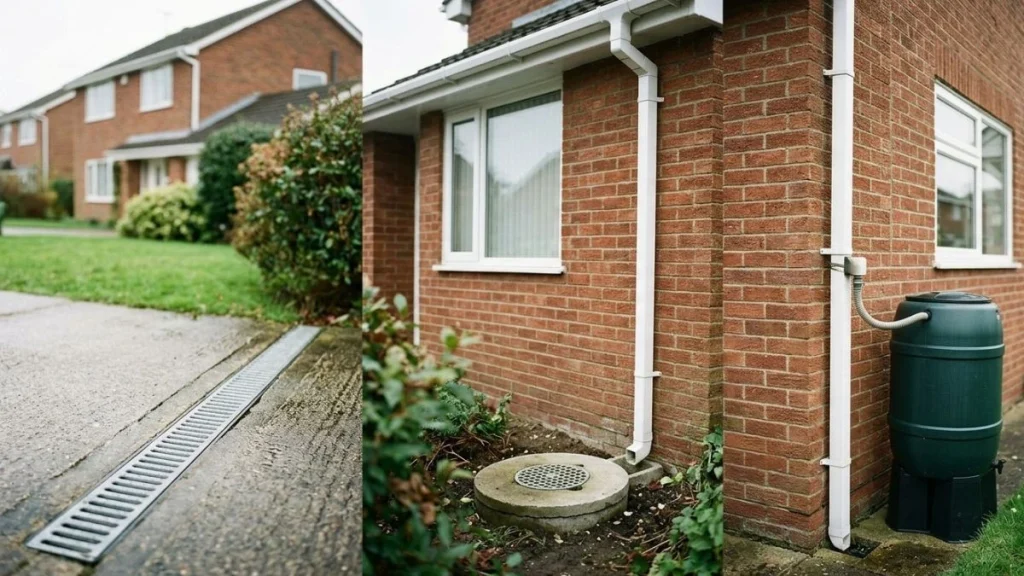
Gutter drains under concrete help manage water flow and protect buildings from damage. These drains collect and redirect water away from surfaces like driveways, patios, and walkways.
Choosing the right type of gutter drain depends on the area size, water volume, and installation needs. The main types of gutter drains include trench drains, channel drains, and French drains. Each type has unique features and suits different situations.
Trench Drains
Trench drains are long, narrow drains that fit into a shallow trench under concrete surfaces. They collect surface water and direct it to a safe drainage point. These drains are common in areas with heavy water flow, such as parking lots and industrial spaces.
Key features of trench drains:
- Made from concrete, plastic, or metal
- Includes a grate on top to catch debris
- Easy to clean and maintain
- Handles large volumes of water
Trench drains offer a strong solution for water management under concrete. They prevent water pooling, reduce slip hazards, and protect the concrete from water damage. Proper installation requires digging a trench, placing the drain, and securing the grate. The trench must slope slightly to ensure water flows smoothly toward the outlet.
| Material | Advantages | Common Uses |
| Concrete | Durable, strong | Industrial, commercial areas |
| Plastic | Lightweight, easy to install | Residential driveways, patios |
| Metal | Corrosion-resistant | High-traffic zones |
Channel Drains
Channel drains are surface drains installed under concrete to capture water along walkways or driveways. They resemble trench drains but are typically shallower and narrower. The channel collects water and directs it through a connected pipe system.
Benefits of channel drains include:
- Simple design and installation
- Effective for controlling surface runoff
- Available in various sizes and materials
- Works well in residential and commercial settings
Channel drains usually feature a removable grate. This allows easy cleaning and prevents blockages. They work best in areas where water tends to flow in a line, such as along the edge of a driveway or near a garage door. Concrete or polymer concrete channel drains are popular for their strength and durability.
| Drain Type | Ideal Location | Material Options |
| Concrete Channel Drain | Driveways, sidewalks | Concrete, polymer concrete |
| Plastic Channel Drain | Gardens, patios | High-density polyethylene |
French Drains
French drains use gravel-filled trenches with perforated pipes under concrete to remove groundwater. Water seeps into the gravel, enters the pipe, and flows away from the area. This system helps prevent water buildup under concrete slabs.
Main advantages of French drains:
- Controls groundwater and surface water
- Prevents soil erosion around foundations
- Requires less surface space
- Can be hidden underground
Installation of a French drain involves digging a trench, laying a perforated pipe, and filling it with gravel. A filter fabric is often used to stop soil from clogging the pipe. French drains are ideal for areas with poor surface drainage or heavy rain. They protect concrete by reducing hydrostatic pressure and water damage risk.
| Component | Function |
| Perforated Pipe | Collects and directs water |
| Gravel | Allows water flow and filters debris |
| Filter Fabric | Prevents soil intrusion |
Materials Used For Installation
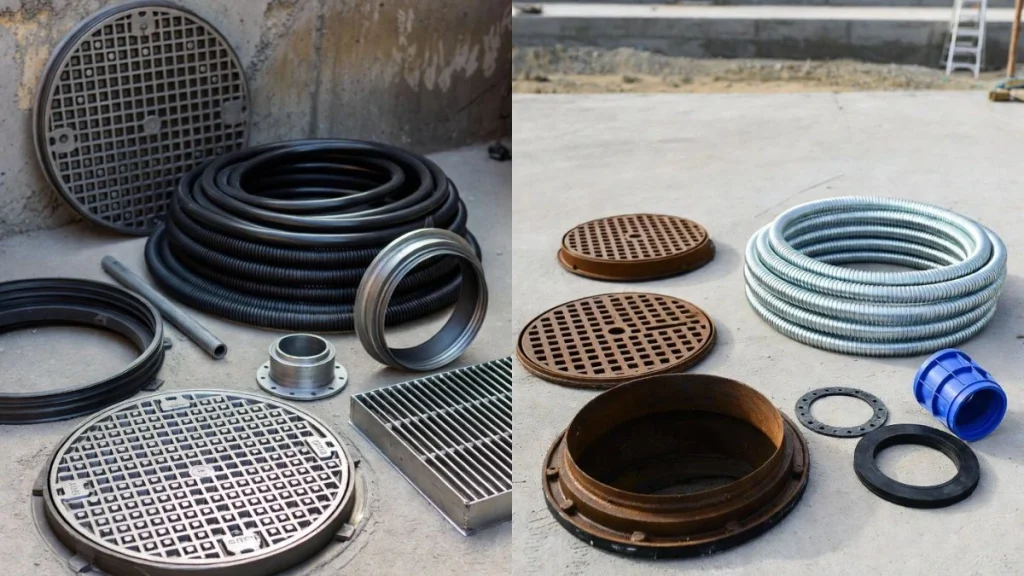
Installing a gutter drain under concrete requires careful choice of materials. These materials must be strong, durable, and able to handle water flow efficiently. Proper materials prevent water damage and ensure long-lasting drainage. Choosing the right materials also makes installation easier and maintenance simple. This section explains the common materials used for gutter drains under concrete.
Pvc Pipes
PVC pipes are popular for gutter drains under concrete because they are lightweight and resistant to corrosion. These pipes handle water well and last many years without cracking or rusting. PVC is easy to cut and join, which makes installation faster and less costly.
Key benefits of PVC pipes include:
- Durability: Resistant to most chemicals and corrosion.
- Flexibility: Can bend slightly without breaking.
- Low cost: More affordable than metal pipes.
- Easy installation: Simple to glue and connect.
Here is a quick comparison table of PVC pipe features:
| Feature | Description |
| Material | Polyvinyl Chloride (PVC) |
| Resistance | Corrosion, chemical, and weather resistant |
| Weight | Lightweight |
| Installation | Easy to cut and glue |
| Cost | Low |
Metal Grates
Metal grates cover the gutter drain opening. They stop debris like leaves and dirt from entering the drain. Metal grates must be strong to support foot traffic and resist rust over time. Common metals for grates include stainless steel, cast iron, and aluminum.
Benefits of metal grates:
- Strength: Can hold heavy loads without bending.
- Longevity: Lasts for years with proper coating.
- Safety: Prevents accidents by covering open drains.
- Design: Available in various shapes and patterns.
Metal grates are usually coated with paint or galvanization to protect against rust. Stainless steel grates cost more but need less maintenance. Cast iron is heavy and durable but can rust if not coated. Aluminum is lightweight but less strong.
Concrete Components
Concrete components form the base and structure around the gutter drain. Concrete provides stability and protects pipes and grates. It also helps direct water flow efficiently toward the drain.
Concrete parts include:
- Concrete channels: Shaped paths for water flow.
- Concrete slabs: Cover and protect the drain system.
- Concrete collars: Secure pipes in place.
Concrete is strong and long-lasting but can crack if the ground shifts. Proper mixing and curing are essential for durability. Adding reinforcement like steel bars improves strength. Concrete blends well with outdoor surfaces and supports heavy loads.
Advantages of concrete components:
- High compressive strength
- Resistance to weather and wear
- Customizable shapes and sizes
- Good protection for pipes and drains
Installation Process
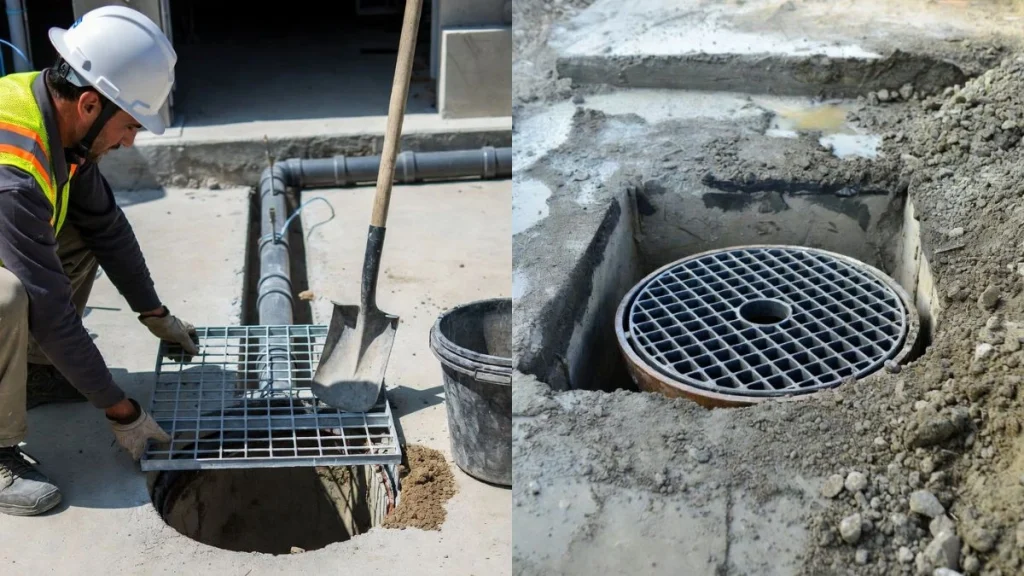
Installing a gutter drain under concrete is a careful, step-by-step process. It helps manage water flow and protects your structure from water damage. The installation must be done precisely to ensure proper drainage and long-lasting results. This section explains the main stages of the installation process, breaking down each step clearly.
Site Preparation
The first step is preparing the site. This involves clearing the area and marking where the gutter drain will go. A clean, level surface is essential to avoid future problems with water pooling or concrete cracking.
Key tasks in site preparation include:
- Removing debris, plants, and loose soil.
- Marking the layout with spray paint or stakes.
- Checking the slope to ensure water will flow towards the drain.
- Confirming underground utilities are not in the way.
Proper site preparation sets the foundation for smooth installation and effective drainage. It also reduces the risk of costly repairs later.
Excavation Under Concrete
Excavation is digging the trench where the gutter drain will be placed. This step requires precision to avoid damaging existing structures and to create the correct depth and width.
Follow these guidelines during excavation:
- Use appropriate tools like a mini-excavator or hand tools for small areas.
- Excavate to the specified depth, usually below the concrete slab thickness.
- Keep the trench width wide enough for the drain and surrounding bedding material.
- Ensure the bottom of the trench slopes gently for water flow, typically 1-2% gradient.
Excavation must be done carefully to maintain the site’s stability. The trench should be free of loose soil and debris before moving to the next step.
Drain Placement
Placing the gutter drain correctly is crucial for system performance. The drain channels water away efficiently and prevents blockages.
Steps for proper drain placement include:
- Lay a layer of gravel or sand at the trench bottom for drainage and support.
- Position the drain pipe or channel according to the layout markings.
- Connect drain sections firmly using seals or couplings to avoid leaks.
- Check the slope again to ensure water flows smoothly towards the outlet.
- Cover the drain with a protective mesh or filter fabric to stop debris entry.
Double-check alignment and connections before covering the drain. This helps avoid costly fixes after the concrete is poured.
Concrete Pouring
Pouring concrete over the installed gutter drain seals the system in place and provides a smooth surface. Careful handling during this phase prevents damage to the drain and keeps drainage effective.
Follow these steps during concrete pouring:
- Use concrete mix suitable for your project’s load and environment.
- Pour concrete evenly to avoid shifting the drain.
- Use a vibrator or tamping tool to remove air pockets.
- Finish the surface to the desired texture and slope.
- Allow concrete to cure properly before applying any load or traffic.
Proper curing time is essential for concrete strength. This step protects both the gutter drain and the concrete slab from damage.
Common Challenges
Installing a gutter drain under concrete surfaces helps control water runoff and prevents flooding. Despite its usefulness, this system faces several common challenges that affect its efficiency and lifespan. Understanding these issues is key to maintaining proper drainage and avoiding costly repairs.
Water Flow Issues
Water flow problems often arise in gutter drains under concrete. Poor design or installation can cause water to move slowly or pool, leading to damage.
- Improper slope: If the drain is not angled correctly, water may not flow smoothly.
- Low capacity: The drain size might be too small for heavy rain, causing overflow.
- Surface damage: Cracks or uneven concrete above can alter water direction.
Slow or blocked water flow can cause standing water, which increases pressure under the concrete. This may lead to cracks or erosion around the drain.
| Cause | Effect | Solution |
| Incorrect slope | Water pools and drains slowly | Re-level drain with proper angle |
| Small drain size | Overflow during heavy rain | Use larger or multiple drains |
| Damaged concrete | Water diverts, pooling on surface | Repair cracks and smooth surface |
Blockages And Maintenance
Blockages are a frequent issue in gutter drains under concrete. Dirt, leaves, and debris accumulate inside the drain pipe, reducing water flow.
Regular maintenance is essential. Without it, blockages can cause water to back up and damage the concrete above.
- Debris buildup: Leaves and soil enter the drain from surface openings.
- Root intrusion: Tree roots can grow into and clog the pipes.
- Corrosion or sediment: Over time, pipes may corrode or fill with sediment.
Maintenance tips include:
- Inspect the drain at least twice a year.
- Remove visible debris from surface grates.
- Use water jetting or pipe cleaning tools to clear blockages.
- Trim nearby trees to prevent root growth into pipes.
Proper upkeep reduces the risk of costly repairs and keeps water flowing freely.
Structural Concerns
Structural issues can develop around gutter drains under concrete. These problems threaten both the drain system and the concrete slab.
Common structural concerns include:
- Concrete cracking: Water pressure or poor installation causes cracks near the drain.
- Soil erosion: Water escaping from leaks erodes soil beneath concrete.
- Pipe displacement: Shifting soil or heavy loads move the drain pipes out of place.
Signs to watch for:
- Visible cracks or sinking of concrete surface.
- Wet spots or pooling water near the drain.
- Unusual noises from drainage pipes during rain.
Prevent structural damage by ensuring correct installation, regular inspection, and prompt repair of any defects.
Benefits Of Sub-concrete Drains
Installing gutter drains under concrete offers several key benefits that improve property function and value. These drains help manage water effectively, protect structures, and maintain clean, smooth surfaces. Sub-concrete drains work quietly beneath the surface, preventing water buildup without disrupting daily life. Their hidden design keeps the area tidy and safe.
Improved Drainage
Sub-concrete gutter drains excel at channeling water away from concrete surfaces. They reduce water pooling and prevent flooding around homes and walkways. This system directs rainwater efficiently to drainage points, keeping the concrete dry and safe.
- Prevents water damage: Stops water from seeping under concrete slabs.
- Reduces soil erosion: Controls runoff to protect landscaping.
- Minimizes slip hazards: Keeps walking areas dry and secure.
- Helps prevent mold growth: Limits moisture buildup under concrete.
| Drainage Type | Water Flow Efficiency | Risk of Pooling |
| Surface Drainage Only | Medium | High |
| Sub-Concrete Gutter Drain | High | Low |
These drains perform well in heavy rain, keeping concrete surfaces stable and dry.
Durability
Gutter drains placed under concrete last long and withstand tough conditions. They are made from strong materials like PVC or HDPE, which resist corrosion and cracking. This ensures the drainage system stays effective for many years.
- Protected from damage: Being under concrete shields the drains from physical wear.
- Resistant to rust: Plastic materials avoid rusting issues common in metal drains.
- Minimal maintenance: Once installed, these drains need little upkeep.
- Withstands pressure: Supports weight from vehicles or foot traffic above.
Durability leads to fewer repairs and replacements, saving money over time. Proper installation also helps prevent blockages and damage caused by shifting soil or heavy loads.
Aesthetic Appeal
Sub-concrete gutter drains keep outdoor areas neat and clean. Since they are hidden under the concrete, there are no visible grates or channels interrupting the surface. This creates a smooth, attractive look for patios, driveways, and walkways.
- Unobstructed surfaces: No drain covers or open channels on top.
- Cleaner appearance: Water is removed without leaving stains or puddles.
- Better landscaping: No visible drainage parts to disrupt garden design.
- Safe for walking and driving: Flat surfaces reduce tripping and vehicle wear.
Hidden drainage systems blend seamlessly with the environment. They allow homeowners to maintain a polished look without sacrificing function.
Related Read: How to Install Gutter Guards on Metal Roof
Conclusion
Gutter drains under concrete help keep water away from your home. They stop water from building up and causing damage. Proper installation makes drainage work well for many years. Clean your gutters often to avoid clogs and problems. Choosing the right materials adds strength and long life.
Small steps now save big repairs later. Good drainage protects your foundation and yard. A simple system can prevent costly water issues. Take care of gutters and drainage to keep your home safe.