

Are you tired of looking down and seeing scratches on your beautiful engineered hardwood floors? If you have a dog, those tiny nail marks can quickly turn your floor from sleek to scratched.
It’s frustrating to keep your home looking perfect while your furry friend’s nails keep leaving their mark. But don’t worry—this article will help you understand why those scratches happen and what you can do to protect your floors without giving up your pet’s comfort.
Causes Of Scratches
Dog nail scratches on engineered hardwood floors often occur from daily pet activities. Scratches usually result from the interaction between dog nails and the floor surface. Several factors influence the damage’s extent, including the dog’s nail condition, floor finish, and movement patterns. Identifying these causes guides proper care and preventive steps.
Dog Nail Impact
The main source of scratches is the direct contact of dog nails with the floor. Nails act like small claws that dig into the wood surface. Sharp or long nails increase scratch risks. Dogs running, jumping, or even walking can create enough pressure to mark the floor.
- Sharp nails: Cause deeper and more visible scratches.
- Long nails: Increase the surface area that touches the floor, raising damage chances.
- Active dogs: More movement means more contact and more scratches.
Surface pressure depends on the dog’s weight and speed. For example, a heavy dog sprinting causes greater impact than a small dog walking slowly. Some dog behaviors also raise scratch risks:
- Running or playing indoors
- Scratching the floor to dig
- Jumping off furniture
Regular nail trimming reduces the sharpness and length, lowering scratch chances. Nail caps or socks can add protection but may need adjustment. The interaction between nails and the floor often creates tiny grooves and marks that accumulate over time.
Floor Material Sensitivity
Engineered hardwood floors vary in their resistance to scratches. The type of wood, finish, and surface hardness affect how easily nails leave marks. Some floors handle scratches better due to stronger top layers or special coatings.
| Floor Feature | Effect on Scratch Resistance |
| Wood Species | Hardwoods like oak resist scratches better than softwoods like pine. |
| Surface Finish | Polyurethane coatings add a protective layer, reducing damage. |
| Wear Layer Thickness | Thicker top layers allow for sanding and refinishing after scratches. |
Some engineered floors have a matte finish that hides scratches better than glossy ones. Floors with softer finishes may show every small mark clearly. Temperature and humidity also affect the wood’s hardness and scratch resistance.
- Dry air can make wood more brittle and prone to scratches.
- High humidity can soften wood, causing dents but fewer scratches.
Choosing floors with durable finishes and harder wood species helps reduce scratch visibility from dog nails.
Common Scratch Patterns
Scratches from dog nails often follow specific patterns based on dog activity and floor contact angles. Recognizing these patterns helps identify problem areas and behaviors to address.
- Linear scratches: Long, thin lines usually from walking or running.
- Clustered scratches: Groups of short marks near doorways or feeding areas.
- Circular or swirl marks: From dogs turning quickly or digging motions.
Most scratches appear near entry points, pet resting spots, and high-traffic zones. Floors often show more marks near sliding doors where dogs enter or exit.
| Scratch Type | Cause | Location |
| Linear | Walking, running | Hallways, open spaces |
| Clustered | Scratching, digging | Near feeding areas, doors |
| Circular | Turning, spinning | Play areas, corners |
Tracking these patterns helps focus cleaning and protection efforts. Using rugs or mats in key spots reduces direct nail contact. Regular floor inspections catch early damage before it worsens.
Types Of Engineered Hardwood
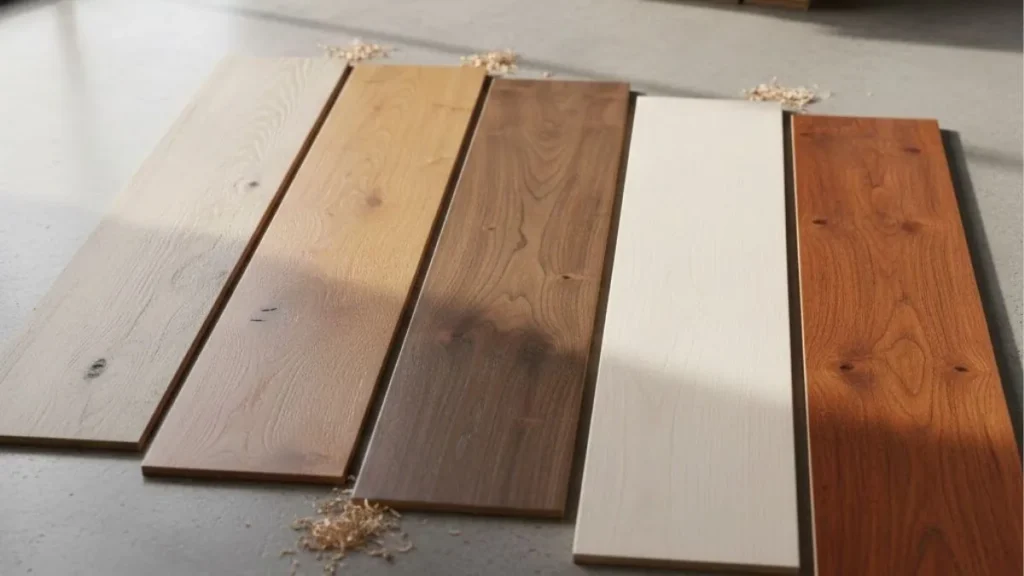
Types of engineered hardwood vary by their surface finishes and construction, which impacts their ability to handle scratches and wear from dogs’ nails.
Surface Finishes
The surface finish is the first line of defense against dog nail scratches on engineered hardwood floors. It protects the wood veneer and affects how visible scratches appear. There are several common types of finishes:
- Polyurethane Finish: A thick, durable coating that creates a hard surface. It is available in oil-based and water-based forms. Oil-based finishes tend to be more durable but have a stronger odor during application.
- Aluminum Oxide Finish: Often factory-applied, this finish is extremely hard and scratch-resistant. It extends the life of the floor and reduces visible damage from pet nails.
- UV-Cured Finish: Cured using ultraviolet light, this finish is tough and dries quickly. It offers good protection but can be less flexible than other finishes.
- Wax Finish: Provides a softer surface and natural look but is less resistant to scratches. It requires regular maintenance.
Durability Factors
Durability plays a key role in how well engineered hardwood floors resist dog nail scratches. Several factors impact this durability:
- Wood Species: Harder wood species like oak, hickory, and maple have better resistance to scratches than softer woods.
- Veneer Thickness: Thicker wood veneers allow for sanding and refinishing, extending the floor’s life.
- Core Construction: A high-quality plywood or hardwood core adds stability and reduces warping or damage.
- Finish Quality: A strong finish adds extra protection against surface damage.
Preventing Nail Scratches
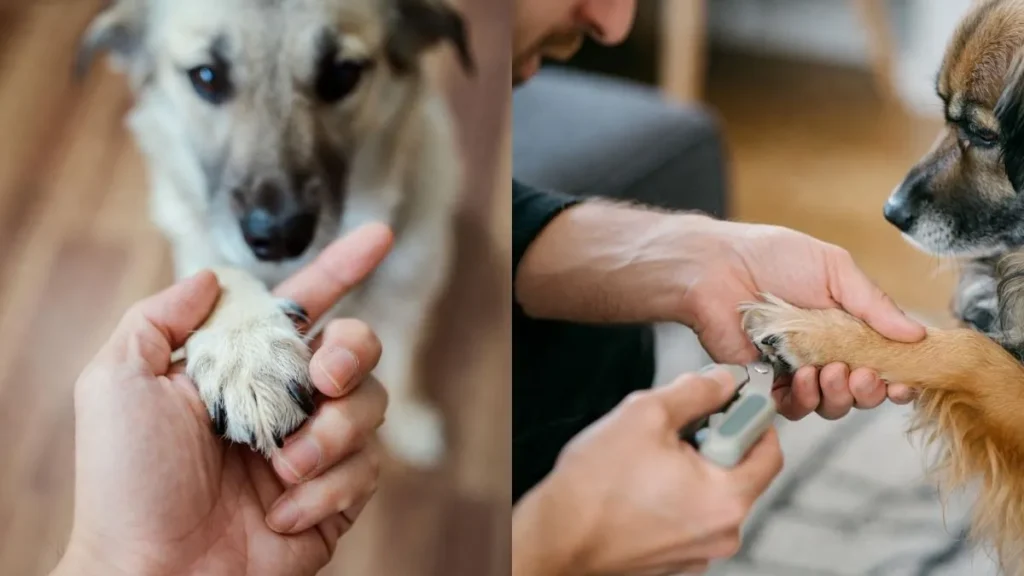
Dog nail scratches on engineered hardwood floors can damage the surface and ruin its beauty. Preventing nail scratches is essential to keep floors looking new and clean. Simple steps can protect floors from these scratches while allowing dogs to move freely indoors. Effective prevention combines care for the dog’s nails, floor protection, and good dog behavior inside the home.
Regular Nail Trimming
Regular nail trimming is the first and most important step to prevent scratches. Long nails dig into hardwood floors and leave marks. Keeping nails short reduces this risk significantly.
Trimming nails often helps avoid damage. Some dogs need nail care every 1-2 weeks, while others can go longer. Check nails weekly and trim as needed.
- Use proper nail clippers: Use clippers made for dogs to avoid splitting or hurting nails.
- Be cautious of the quick: The quick is the sensitive part inside the nail. Avoid cutting it to prevent pain and bleeding.
- File nails after trimming: Smooth edges reduce the chance of scratches.
- Ask a vet or groomer for help: Professionals can trim nails safely and show you how to do it at home.
Regular nail trimming keeps floors safe and dogs comfortable. It also reduces slipping on hardwood floors.
Protective Floor Coverings
Protective floor coverings add a barrier between dog nails and hardwood floors. They help prevent scratches without limiting your dog’s movement.
Here are some good options:
- Area rugs and runners: Place these in high-traffic areas. They absorb the impact of nails and stop direct contact with floors.
- Floor mats: Use mats near doors, feeding areas, or play spots to protect floors from scratches and spills.
- Clear protective films: Thin, clear films stick to floors and provide a scratch-resistant layer without changing the floor’s look.
- Furniture pads: Pads under furniture legs prevent scratches when dogs run or jump near furniture.
Using protective coverings keeps floors safe and adds style to your home. Choose coverings based on your dog’s activity and room use.
Training Dogs Indoors
Training dogs helps reduce nail scratches by controlling their behavior indoors. Teaching dogs where and how to walk, run, and play protects floors from damage.
Simple training tips:
- Teach calm walking: Encourage dogs to walk slowly inside to limit running and jumping.
- Use designated play areas: Train dogs to play on rugs or mats instead of hardwood floors.
- Discourage scratching behavior: Stop dogs from scratching doors or furniture by redirecting them to toys.
- Reward gentle behavior: Use treats or praise to reinforce calm actions indoors.
Training improves your dog’s habits and protects floors. It also creates a safer, calmer home environment.
Consistency matters. Practice training daily and use positive reinforcement to get the best results. This effort reduces scratches and keeps your floors beautiful for years.
Repairing Minor Scratches
Dog nail scratches on engineered hardwood floors are common and can make floors look worn. Minor scratches do not need full replacement of the boards. Repairing these small marks keeps floors looking smooth and fresh. Simple tools and products can fix scratches without much effort. This saves money and extends the life of your floors. Here are easy ways to repair minor scratches and restore your floor’s shine.
Using Wood Fillers
Wood fillers are a great way to fix small scratches on engineered hardwood floors. They fill in the scratch and blend with the floor’s color. Choose a filler that matches your floor tone for the best result.
Steps to use wood fillers:
- Clean the scratched area with a soft cloth and mild cleaner.
- Apply the wood filler using a putty knife, pressing it into the scratch.
- Remove extra filler around the scratch with the knife edge.
- Let the filler dry as per the instructions on the package.
- Lightly sand the area with fine-grit sandpaper for a smooth finish.
- Wipe away sanding dust before any further treatment.
Applying Touch-up Pens
Touch-up pens are designed for quick fixes on minor scratches. They come in many wood tones and help hide scratches by coloring the damaged spot.
How to apply touch-up pens:
- Clean the floor surface to remove dirt and dust.
- Shake the pen well to mix the color inside.
- Test the color on a hidden area to check the match.
- Draw over the scratch carefully using the pen tip.
- Allow the color to dry completely.
- Repeat if needed for better coverage.
Polishing Techniques
Polishing helps remove light scratches and brings back the floor’s shine. It works well for surface marks that do not go deep into the wood.
Steps to polish scratched engineered hardwood floors:
- Clean the floor thoroughly with a wood floor cleaner.
- Use a soft cloth or buffing pad designed for hardwood.
- Apply a small amount of hardwood floor polish or restorer.
- Buff the scratched area in circular motions.
- Repeat polishing if necessary for better shine.
- Allow the polish to dry fully before walking on the floor.
Dealing With Deep Scratches
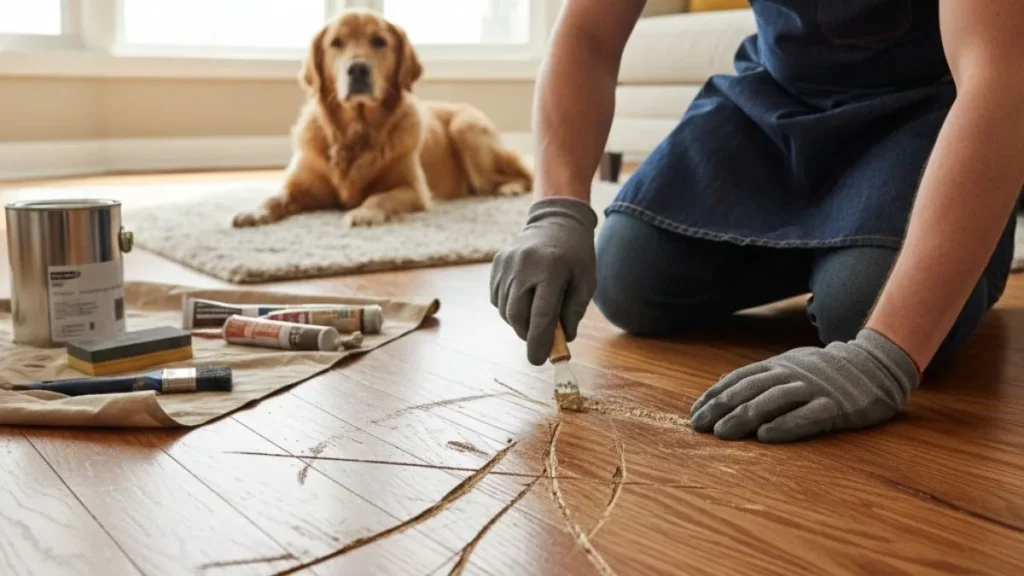
Dog nail scratches on engineered hardwood floors can be frustrating, especially when they are deep. These scratches not only affect the look of your floor but can also weaken the surface over time. Dealing with deep scratches requires careful attention and the right methods to restore the floor’s beauty and durability.
Sanding And Refinishing
Sanding and refinishing is a common way to fix deep scratches on engineered hardwood floors. This process removes the damaged top layer and reveals fresh wood underneath. It helps to make the floor smooth and look new again.
The steps involved in sanding and refinishing include:
- Cleaning the floor to remove dust and dirt.
- Using a floor sander to sand the scratched surface.
- Vacuuming all sanding dust thoroughly.
- Applying a wood stain to match the floor color.
- Sealing the floor with a protective finish like polyurethane.
Important tips for sanding and refinishing:
- Use fine-grit sandpaper to avoid damaging the wood.
- Test the stain color on a small area first.
- Apply the finish evenly to prevent streaks or bubbles.
- Allow enough drying time between coats.
Sanding and refinishing can restore the floor’s surface well. It works best for scratches that reach deep into the wood layer.
Professional Repair Services
Deep scratches may need professional repair services to ensure proper restoration. Experts have the tools and skills to fix severe damage without harming the floor.
Professional services usually include:
- Detailed inspection to assess damage level.
- Using specialized sanding machines for even results.
- Color matching with custom stains and finishes.
- Applying multiple protective coats for durability.
- Repairing or replacing damaged floor sections if needed.
Cost and time estimates for professional repair:
| Service | Average Cost | Time Required |
| Inspection and Assessment | $50 – $100 | 1 hour |
| Sanding and Refinishing | $3 – $5 per sq.ft. | 1-3 days |
| Section Repair/Replacement | $100 – $300 per section | 1-2 days |
Professionals ensure your floor looks smooth and beautiful again. Their work helps extend the life of engineered hardwood floors, especially after deep nail scratches.
Long-term Floor Care
Dog nail scratches on engineered hardwood floors can cause visible wear over time. Protecting your floors requires ongoing care and smart habits. Long-term floor care means taking steps to reduce damage and maintain the floor’s beauty. Small efforts daily can prevent deep scratches and keep floors looking new longer.
Routine Cleaning Tips
Regular cleaning helps reduce dirt and grit that cause scratches. Dirt trapped under a dog’s nails can wear down the floor finish. Follow these tips for effective cleaning:
- Sweep or vacuum daily: Use a soft brush or vacuum with a hardwood floor attachment.
- Mop weekly: Use a damp mop with a cleaner made for engineered hardwood. Avoid too much water.
- Wipe spills immediately: Liquids can damage the wood and finish if left too long.
- Trim your dog’s nails regularly: Short nails cause fewer scratches.
- Use rugs and mats: Place them in high-traffic areas and near doors.
Choosing Durable Flooring Options
Engineered hardwood varies in durability. Picking the right type helps resist nail scratches better. Look for these features:
- Hardwood species: Oak, hickory, and maple offer harder surfaces.
- Finish type: Aluminum oxide finishes resist scratches well.
- Wear layer thickness: Thicker wear layers allow sanding and refinishing later.
- Multi-layer construction: More layers add stability and reduce warping.
Use the table below to compare common engineered hardwood features:
| Feature | Benefit | Notes |
| Oak Hardwood | High hardness, scratch resistance | Popular and affordable |
| Aluminum Oxide Finish | Strong scratch protection | Long-lasting surface |
| Wear Layer Thickness | Allows sanding and refinishing | Choose 3mm or more |
| Multi-Layer Core | Stable and less prone to warping | Improves floor lifespan |
Hardness and finish quality greatly affect scratch resistance. Prioritize these when buying floors. Durable floors reduce visible damage from dog nails and save money on repairs.
Conclusion
Dog nails can easily scratch engineered hardwood floors. Regular nail trimming helps reduce damage. Using rugs or mats adds extra floor protection. Clean floors gently to avoid making scratches worse. Choose a floor finish that resists scratches well. Small scratches can often be fixed at home.
Protecting your floors keeps your home looking nice. Taking simple steps saves time and money later. Keep your dog’s nails healthy and your floors safe. A little care goes a long way with hardwood floors.