
Are you noticing drafts or higher energy bills even though you have double pane windows? If your windows are leaking air, it can cost you comfort and money every day.
You might think double pane windows should keep your home sealed tight, but small leaks can sneak in and cause big problems. You’ll discover why your windows might be leaking, how to spot the signs early, and what simple steps you can take to fix the issue before it gets worse.
Causes Of Air Leaks
Double pane windows are designed to keep your home comfortable by reducing air leaks. These windows have two glass layers with a sealed space between them, which improves insulation. Air leaks reduce this efficiency and cause higher energy bills and uncomfortable drafts.
Seal Failure
Seal failure is the most common cause of air leaks in double pane windows. The seal is a thin strip around the glass edges that keeps air and moisture out. Over time, this seal can break down due to weather, temperature changes, or poor manufacturing. When the seal fails, the insulating gas between the panes escapes, and outside air enters.
Signs of seal failure include:
- Condensation or fogging between the glass panes
- Visible cracks or gaps in the seal
- Reduced energy efficiency and increased heating or cooling costs
Frame Damage
Frame damage causes gaps where air can enter or escape. Window frames can warp, crack, or rot, especially if made from wood or low-quality materials. Damage often results from:
- Water exposure causing wood rot or swelling
- Physical impact or accidents
- Extreme weather conditions like heat, cold, or wind
Damaged frames lose their tight fit, allowing air to flow freely. This reduces the window’s ability to insulate your home. Signs of frame damage include:
- Visible cracks or splits in the frame
- Difficulty opening or closing the window
- Noticeable drafts near the edges
Here’s how frame damage affects window performance:
- Energy Loss: Air leaks cause heating and cooling systems to work harder.
- Moisture Problems: Water can enter and cause mold or rot inside walls.
- Reduced Comfort: Cold spots or hot drafts make rooms uncomfortable.
Regular frame inspection and maintenance prevent serious damage. Repair or replacement might be needed to restore proper sealing.
Improper Installation
Improper installation is a frequent cause of air leaks in double pane windows. Even the best window can fail if not installed correctly. Gaps between the window frame and the wall let air flow through easily. Common installation mistakes include:
- Incorrect measurements leading to poor fit
- Insufficient sealing or caulking around the frame
- Failure to use proper insulation materials
Effects of poor installation:
| Problem | Result |
| Gaps and cracks | Allow air and moisture to enter |
| Uneven window placement | Compromises seal strength |
| Lack of insulation | Reduces energy efficiency |
Proper installation requires skilled professionals who follow manufacturer guidelines. Using quality sealants and insulation ensures a tight, long-lasting fit. Double checking measurements before installation avoids costly problems later.
Signs Of Air Leakage
Double pane windows are designed to keep homes insulated and comfortable. When these windows start leaking air, the indoor temperature can feel uneven, and energy costs may rise. Signs of air leakage in double pane windows help spot problems early. Recognizing these signs can save money and improve home comfort.
Drafts Around Window
One common sign of air leakage is feeling drafts near the window. You might notice a cold or warm breeze entering the room, especially on windy days. Drafts occur when the seal around the window breaks or gaps form between the window frame and wall.
Here are some key points about drafts:
- Drafts can make rooms feel colder in winter and hotter in summer.
- They often cause uneven temperature distribution inside the house.
- Small cracks or worn weatherstripping usually cause drafts.
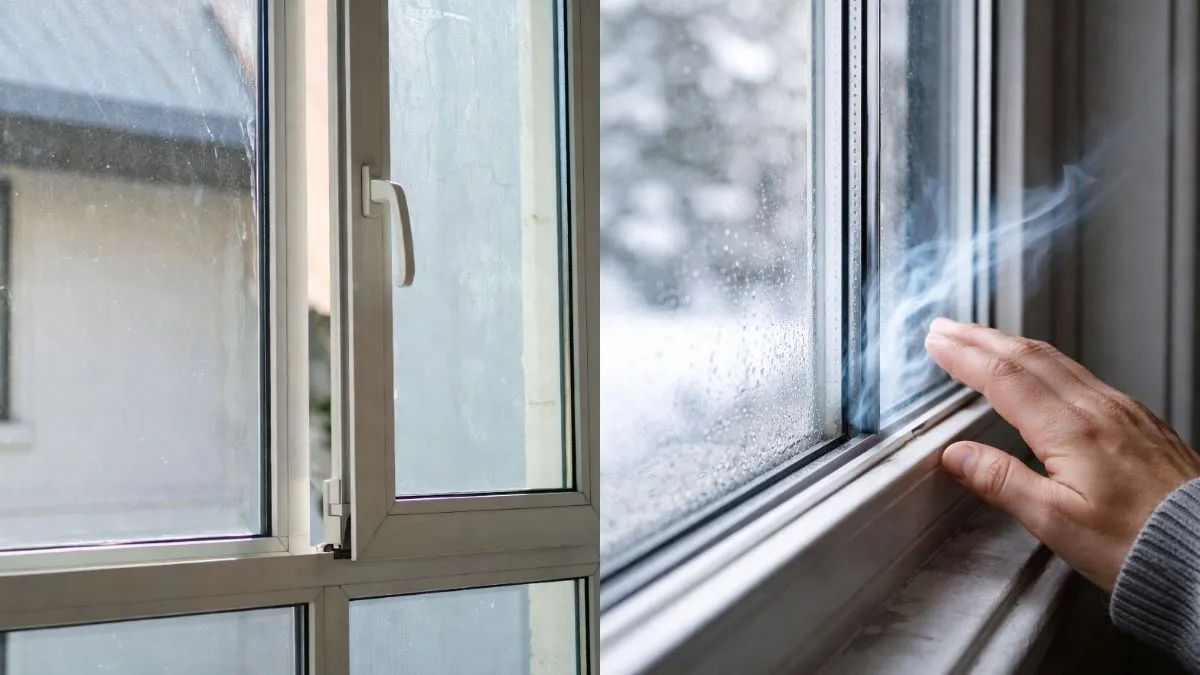
Testing for drafts is simple. Close the window and hold a lit candle or incense stick near the edges. If the flame or smoke flickers, air is leaking through.
| Draft Cause | Effect |
| Broken window seal | Cold or warm air enters, causing discomfort |
| Worn weatherstripping | Drafts and higher energy use |
| Improper installation | Gaps around frame allow air leaks |
Condensation Between Panes
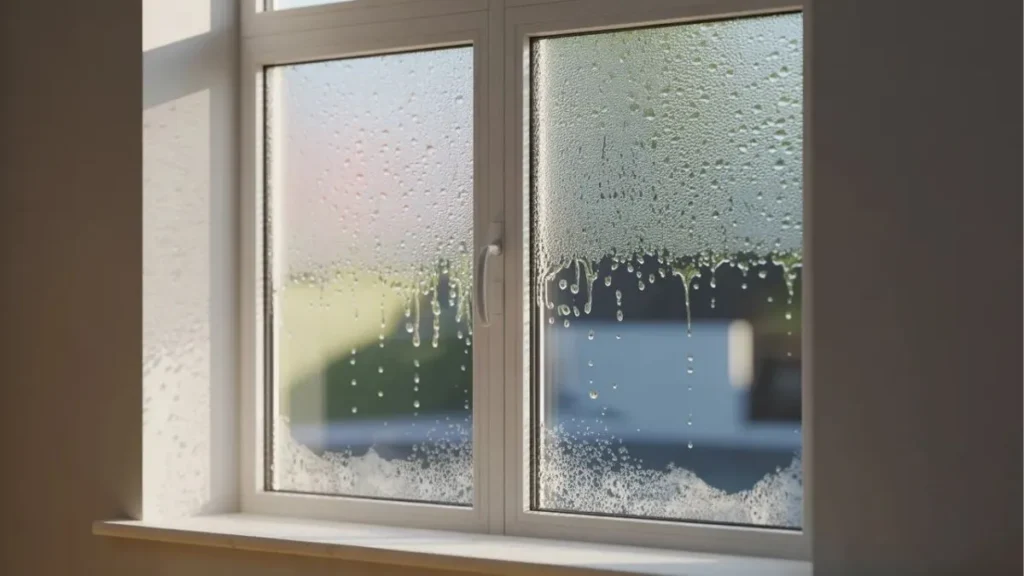
Condensation inside double pane windows is a clear sign of air leakage. This happens because the seal between the two glass panes breaks, allowing moist air inside. Water droplets or fog appear between the glass layers.
Condensation means the insulating gas has escaped, reducing window efficiency. It also indicates that the window no longer prevents air from passing through.
- Look for fogging or moisture trapped between the glass panes.
- Condensation usually appears in the corners or edges of the window.
- It often worsens in cold or humid weather.
Ignoring condensation can lead to mold growth and damage to the window frame. It also means the window needs repair or replacement to restore proper insulation.
Increased Energy Bills
Air leakage in double pane windows causes energy loss, which raises heating and cooling costs. Your HVAC system works harder to maintain a stable indoor temperature, using more energy.
Notice a sudden jump in utility bills? Air leaks may be the cause. Even small leaks can add up over time and increase expenses.
| Reason for Increased Bills | Impact on Energy Use |
| Lost conditioned air | More heating or cooling needed |
| HVAC runs longer | Higher electricity or fuel consumption |
| Poor window insulation | Heat or cold escapes easily |
Tracking energy bills regularly helps catch issues early. If bills rise without other causes, check windows for leaks. Fixing air leaks saves money and improves home comfort.
Impact On Home Efficiency
Double pane windows are designed to keep homes comfortable and energy-efficient. When these windows start leaking air, the impact on home efficiency is significant. Air leaks reduce the window’s ability to insulate, causing temperature imbalances inside the house. This inefficiency raises energy bills and makes heating or cooling systems work harder.
Heat Loss In Winter
Leaking double pane windows cause warm air to escape during cold months. This heat loss makes rooms feel colder and forces heating systems to run longer. The result is higher energy bills and less comfort.
Key effects of heat loss:
- Increased heating costs
- Uneven indoor temperatures
- Cold drafts near windows
- Frost buildup on window panes
The table below shows how much heat can escape through faulty windows compared to sealed ones:
| Window Type | Estimated Heat Loss (%) |
| Well-Sealed Double Pane | 10-15% |
| Leaking Double Pane | 30-40% |
Fixing leaks can improve warmth and lower energy use. Sealing gaps and replacing damaged windows helps keep heat inside.
Heat Gain In Summer
Leaking windows let hot air enter the home during summer. This heat gain raises indoor temperatures and strains air conditioning units. Cooling costs rise as the system runs more to cool the space.
Common issues caused by heat gain:
- Higher electricity bills
- Hot spots near windows
- Reduced air conditioner efficiency
- Uncomfortable living spaces
Humidity And Mold Issues
Air leaks in double pane windows allow moist air to enter the home. This moisture builds up between the panes and inside walls. Excess humidity creates a perfect environment for mold growth.
Problems caused by humidity and mold:
- Health risks like allergies and asthma
- Damage to window frames and walls
- Bad odors and stains
- Reduced indoor air quality
Detection Methods
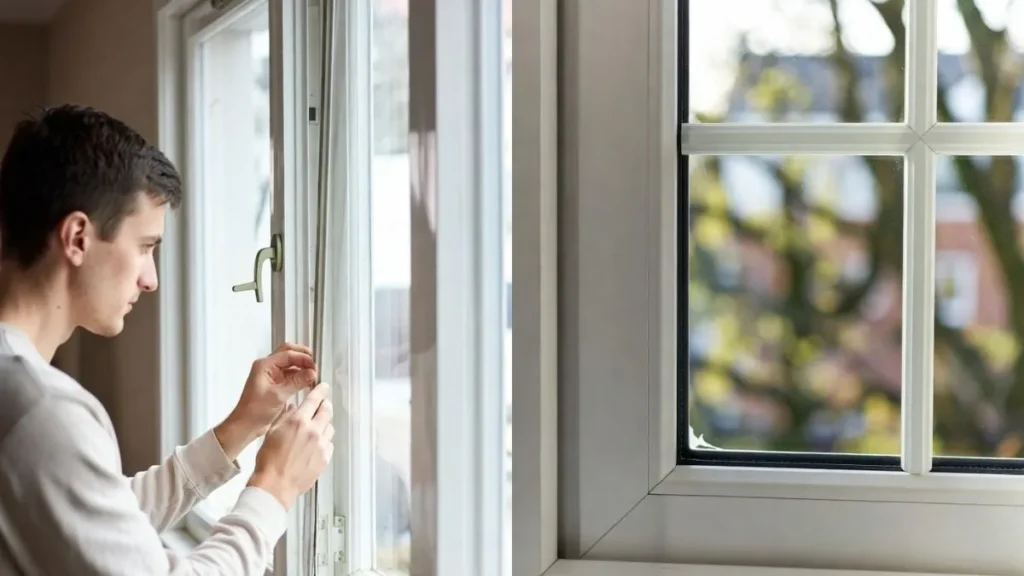
Detecting air leaks in double pane windows is essential to keep your home energy-efficient and comfortable. Air leaks can cause drafts, increase heating and cooling costs, and reduce indoor comfort. Several methods help identify these leaks quickly and accurately.
Visual Inspection
Visual inspection is the simplest way to check for air leaks around double pane windows. It involves carefully examining the window frames, seals, and glass for signs of damage or wear.
- Look for cracks or gaps in the window frame or sealant. These small openings allow air to pass through.
- Check the window glass for fogging or condensation between the panes, indicating a broken seal.
- Inspect the edges where the window meets the wall for visible gaps or missing weatherstripping.
Use a flashlight to spot small cracks in low light. Sometimes, peeling paint or discoloration near the window can signal moisture intrusion due to air leaks.
| Visual Signs | Possible Cause | Action |
| Cracks in frame or seal | Deteriorated weatherstripping or caulking | Re-caulk or replace weatherstripping |
| Fogging between panes | Broken seal inside double pane | Window replacement recommended |
| Gaps at window edges | Improper installation or shrinkage | Fill gaps with sealant or foam |
Visual inspection alone may not catch all leaks but provides a good starting point.
Smoke Test
The smoke test is an easy way to detect small drafts and leaks around double pane windows. This method uses smoke to reveal where air is escaping.
Hold a lit incense stick, candle, or smoke pen close to the window edges, frames, and seals. Watch the smoke carefully:
- If the smoke moves sideways or flickers, it shows air is leaking.
- Smoke drifting inward or outward identifies the direction of the draft.
This test works best on a calm day with no strong wind. Close doors and other windows to improve accuracy.
Steps for a smoke test:
- Close the window and all doors in the room.
- Light an incense stick or candle.
- Slowly move the smoke source along the window frame and edges.
- Watch for smoke disturbances indicating air leaks.
Smoke tests help find leaks that are invisible to the eye. They are safe and inexpensive, making them ideal for homeowners.
Thermal Imaging
Thermal imaging uses an infrared camera to detect temperature differences caused by air leaks in double pane windows. It creates a heat map showing cold or warm spots.
This method is highly accurate and works well in both winter and summer:
- Cold spots in winter reveal where cold air enters through leaks.
- Warm spots in summer show hot air infiltration.
Thermal imaging can scan the entire window area quickly. It helps find hidden leaks inside walls and window frames that visual inspection misses.
| Advantages | Limitations |
| Non-invasive and fast | Requires specialized equipment |
| Detects hidden leaks | Best used during big temperature differences |
| Provides clear visual evidence | May need professional help |
Professional energy auditors or home inspectors often use thermal imaging for thorough leak detection.
Repair Options
Double pane windows are designed to keep your home insulated and comfortable. When these windows start leaking air, it can cause energy loss and discomfort. Several repair options exist to fix this problem and restore your windows’ efficiency. Choosing the right repair depends on the damage’s cause and extent.
Resealing Windows
Resealing is often the first step to stop air leaks in double pane windows. Over time, the sealant around the glass can crack or wear out. This allows air and moisture to enter between the panes.
Resealing process includes:
- Removing the old, damaged sealant carefully.
- Cleaning the window edges to ensure a good bond.
- Applying new high-quality sealant designed for double pane windows.
- Allowing time for the sealant to cure properly.
This option is cost-effective and can extend the window’s life. It also prevents fogging inside the glass, which happens when air leaks in. However, resealing works best if the glass and frame are still in good shape.
| Pros | Cons |
| Low cost | Not suitable for severe damage |
| Quick repair time | May need reapplication over time |
| Improves insulation | Does not fix broken glass or frames |
Replacing Glass Units
When the glass in a double pane window is cracked or the seal has failed badly, replacing the glass unit may be necessary. This repair removes the old glass and installs a new insulated glass unit (IGU).
Steps to replace glass units:
- Carefully remove the window sash from the frame.
- Extract the damaged glass unit without harming the frame.
- Measure and order a new IGU matching the original specs.
- Install the new glass unit and reseal the edges.
- Reinstall the sash and test for leaks.
Replacing glass units restores the window’s full insulation power. It stops drafts and condensation between the panes. This option is more expensive than resealing but offers a longer-lasting solution.
| Benefits | Considerations |
| Restores full insulation | Higher cost than resealing |
| Stops fog and moisture | Requires professional handling |
| Extends window lifespan | Longer repair time |
Frame Repair
Air leaks sometimes come from damaged or warped window frames. Frames made of wood, vinyl, or aluminum can crack or lose their shape. Repairing the frame helps restore the window’s seal and prevents drafts.
Common frame repair tasks:
- Filling cracks and holes with wood filler or putty.
- Sanding and repainting wooden frames to protect them.
- Replacing damaged parts of vinyl or aluminum frames.
- Adjusting or tightening frame components for a better fit.
- Installing new weatherstripping to block air leaks.
Proper frame repair improves window performance and appearance. Ignoring frame damage can lead to bigger problems like water leaks or broken glass. This repair is often done alongside resealing or glass replacement.
Conclusion
Double pane windows leaking air can cause high energy bills. Sealing gaps and cracks helps keep your home warm. Choosing quality materials extends window life and comfort. Regular checks catch leaks before they grow worse. Small fixes save money and improve your living space.
Stay aware of signs like drafts and condensation. Taking action early protects your home and wallet. Keep your windows tight and your house cozy. Simple steps make a big difference in the long run.