

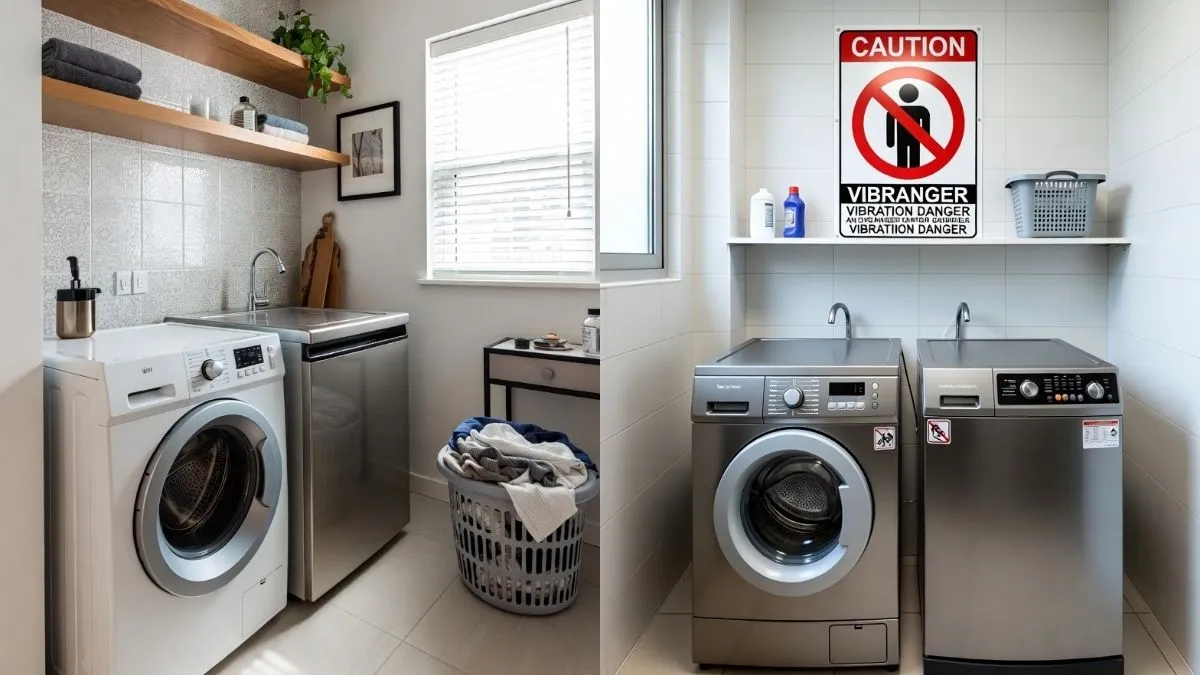
Have you ever noticed your washing machine shaking so much on your second-floor laundry room that it feels like the whole house is trembling? That vibration isn’t just annoying—it can cause serious problems for your home and your safety.
If you don’t address these vibrations, you might face costly repairs, damage to your floors, or even risk structural issues. You’ll learn exactly why second-floor laundry room vibration is dangerous and what you can do to protect your home and peace of mind.
Causes Of Laundry Room Vibration
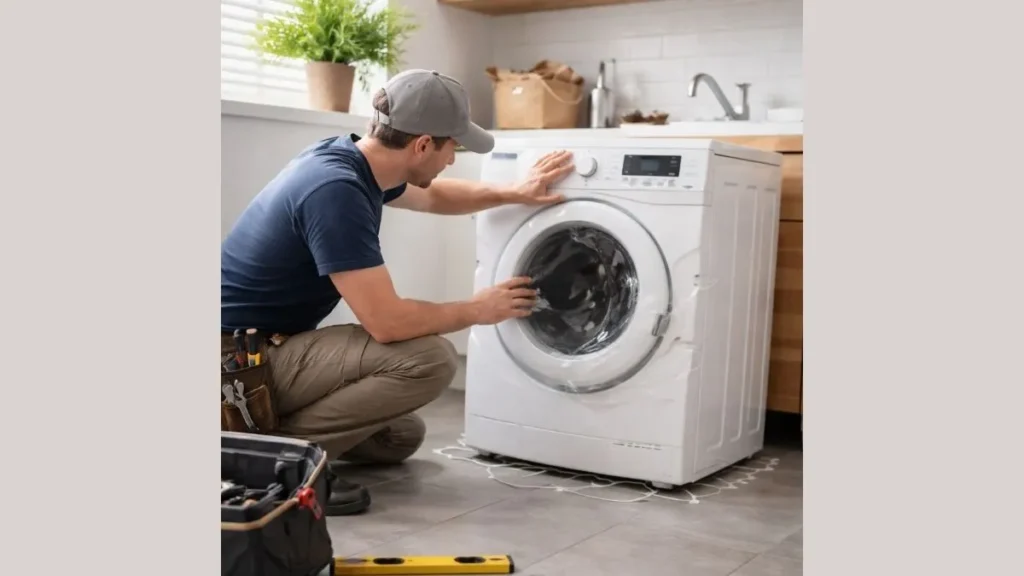
Vibration in a second-floor laundry room can cause serious problems. It creates noise, damages floors, and may even harm your home’s structure. Several key factors lead to laundry room vibrations on upper floors. These causes often work together, increasing the risk of damage and discomfort.
Imbalanced Washing Machines
One main cause of vibration is an imbalanced washing machine. When clothes are unevenly distributed inside the drum, the washer shakes more than usual. This happens especially during the spin cycle. The machine tries to balance the load but fails if the weight is off-center.
Common reasons for imbalance include:
- Washing heavy items with light ones.
- Small loads that do not spread evenly.
- Worn or broken shock absorbers inside the washer.
- Incorrect leveling of the machine on the floor.
Floor Structure Weakness
Another major cause is weak floor structure. Floors on upper levels may not be strong enough to handle the heavy weight and movement of laundry machines. Older homes often have wooden joists that can bend or weaken over time.
Signs of floor weakness include:
- Visible sagging or bouncing floors.
- Cracks in ceiling or walls below the laundry room.
- Loose or creaking floorboards.
Weak floors increase the effect of vibration. Even small shakes from the washer can cause big movements in the floor. This leads to:
- Structural damage like cracked beams.
- Unstable machine placement, causing more vibration.
- Unsafe conditions for residents.
Strengthening floors may involve adding support beams or reinforcing joists. This helps reduce vibration and protect your home.
Improper Installation
Improper installation of laundry machines and floors causes many vibration problems. Machines not placed on a level surface vibrate more during use. If the floor is uneven or not designed for heavy equipment, vibrations grow stronger.
Common installation mistakes include:
- Skipping floor leveling before placing the washer.
- Using weak or thin flooring materials under machines.
- Failing to secure machines with anti-vibration pads or mounts.
- Incorrect plumbing or electrical connections causing instability.
Structural Risks
Vibrations from a laundry room on the second floor can cause serious structural risks to your home. The constant shaking stresses various building parts. This damage can grow over time and lead to costly repairs.
Floor Damage And Cracks
Vibrations make floors shake and move slightly. Over time, this leads to floor damage and cracks. Floors in laundry rooms hold heavy machines. These machines create strong, repeated vibrations during use. This stress can cause:
- Cracks in floorboards or tiles
- Loose or squeaky floorboards
- Uneven floor surfaces
- Damage to floor joists underneath
Small cracks often start near the laundry machines. They may look harmless but can spread. Cracks let moisture enter, which causes wood to rot or metal to rust. This weakens the floor’s strength.
Ceiling And Wall Stress
Vibrations affect more than just the floor. Ceilings and walls below the laundry room also suffer stress. The shaking transfers through the structure, causing:
- Hairline cracks in walls and ceilings
- Loose plaster or drywall
- Damage to paint or wallpaper
- Squeaky or creaky ceiling boards
Walls and ceilings are not designed to handle constant vibration. Repeated shaking weakens the materials. Cracks may start small but grow larger, leading to water leaks or mold growth.
Signs of stress include:
- Cracks near light fixtures or corners
- Bulging or sagging drywall
- Noise when walking or during laundry cycles
Ignoring these signs risks major damage. Repairing ceiling and wall stress early saves money. Adding insulation or vibration dampeners can reduce impact.
Support Beam Wear
Support beams carry the weight of floors and rooms above. Vibrations cause these beams to shake and flex regularly. Over time, this leads to wear and weakening. Damage to support beams can be dangerous, risking structural failure.
Common issues with beams under vibrating laundry rooms include:
- Cracks or splits in wood beams
- Loosened fasteners and joints
- Warping or bending of beams
- Metal fatigue in steel supports
Support beams work best when stable. Constant vibration weakens their strength and reduces lifespan. Problems with beams may not be visible but cause:
- Uneven floors
- Doors or windows that stick
- Increased noise and creaking sounds
Inspect beams regularly, especially near laundry rooms. Reinforce or replace worn beams quickly to maintain safety. Using vibration isolators under machines helps protect these crucial supports.
Safety Concerns
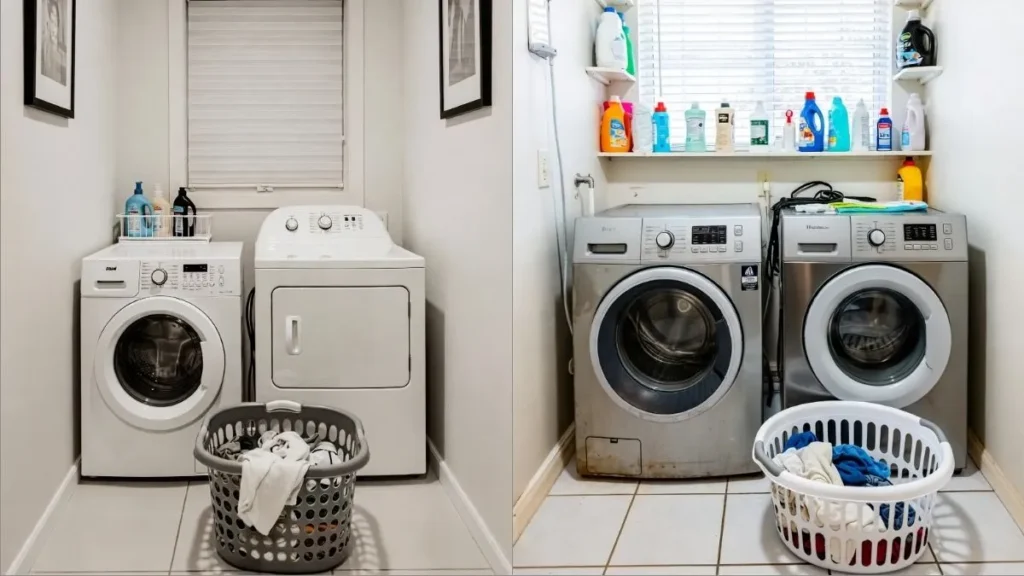
Placing a laundry room on the second floor brings unique safety concerns, especially due to the vibration from washers and dryers. These vibrations can affect the stability of appliances and the structure around them. Safety risks arise not only from the machines themselves but also from how their movement impacts people and the home.
Risk Of Appliance Movement
Vibration causes washing machines and dryers to shift or move during operation. On the second floor, this movement poses serious risks. Appliances may slide, tip, or even fall if not properly secured. This can lead to water leaks, electrical hazards, or damage to floors and walls.
Common causes of appliance movement include:
- Unbalanced loads inside the washer
- Improper leveling of the machine
- Loose or worn-out feet and pads
- Weak flooring structures unable to absorb vibration
Securing appliances with anti-vibration pads or brackets reduces the risk. Below is a simple table comparing the risks of secured vs. unsecured appliances:
| Appliance Status | Risk of Movement | Potential Damage |
| Properly Secured | Low | Minimal |
| Not Secured | High | Floor Damage, Water Leaks, Electrical Hazards |
Ignoring appliance movement can lead to costly repairs and unsafe conditions.
Potential For Falls And Injuries
Vibrations from laundry appliances on the second floor can create hazards for people. Shaking floors and moving machines increase the chance of slips, trips, and falls. This is especially risky in small laundry rooms with limited space.
Key safety issues include:
- Unstable footing: Vibrations can cause floorboards to shift slightly, making balance difficult.
- Obstacle hazards: Moving appliances may block pathways or create unexpected gaps.
- Falls from carrying laundry: Carrying heavy loads while navigating a vibrating room adds risk.
People with limited mobility or children face higher injury risks in these environments. Installing slip-resistant flooring and ensuring appliances stay fixed reduces accidents. Clear pathways and good lighting also help maintain safety.
Noise And Disturbance
Vibration on the second floor creates loud noise that travels through walls and ceilings. This noise can disturb daily activities and cause stress. Loud machines running during early mornings or late nights disrupt sleep and reduce comfort.
Noise problems include:
- Continuous humming and banging sounds
- Echoing vibrations through walls
- Interference with conversations and relaxation
Noise disturbance affects the whole household and neighbors. Soundproofing measures can help, such as:
- Installing vibration dampening pads
- Using sound-absorbing wall panels
- Ensuring machines are well-maintained to reduce clatter
Reducing noise improves living conditions and limits stress caused by appliance vibration.
Long-term Effects On Home Value
Vibrations from a laundry room on the second floor can cause serious problems for a home over time. These vibrations often come from heavy washing machines and dryers running on an upper floor. They create shaking that travels through the building’s structure. This shaking can lead to damage that affects the house’s overall value.
Decreased Structural Integrity
Continuous vibrations weaken the home’s structure gradually. Over months and years, this shaking can cause cracks in walls, floors, and ceilings. These cracks are signs that the materials are under stress and losing strength.
- Wood framing may loosen or warp.
- Drywall can crack and crumble.
- Fasteners like nails and screws may become loose.
Such damage reduces the home’s ability to support weight safely. Structural problems can lead to serious issues like sagging floors or uneven surfaces.
| Structural Issue | Cause | Effect |
| Cracked Walls | Vibration Stress | Water Leakage and Weakened Strength |
| Warped Floors | Loose Framing | Uneven Surface, Trip Hazard |
| Loose Fasteners | Repeated Movement | Reduced Stability of Fixtures |
Ignoring these signs leads to bigger problems. Repairing structural damage costs more as the issue grows. It also lowers the home’s safety and value.
Increased Maintenance Costs
Vibrations cause frequent wear and tear on home components. This means repairs become more common and costly.
Homeowners face expenses such as:
- Fixing cracked drywall and repainting.
- Replacing or reinforcing floor joists.
- Securing loose fixtures and fittings.
- Repairing damage to plumbing or electrical systems.
Maintenance costs add up quickly. Small repairs might seem easy but occur often and drain budgets.
| Repair Type | Estimated Cost | Frequency |
| Drywall Repair | $200 – $500 | Every 1-2 Years |
| Floor Joist Reinforcement | $1,000 – $3,000 | Every 5 Years |
| Fixture Tightening/Replacement | $100 – $300 | Annually |
Ignoring maintenance leads to bigger, costlier fixes later. Preventive care is cheaper but requires regular attention. Vibration damage forces homeowners into a cycle of repairs that reduce savings and peace of mind.
Negative Impact On Resale
Homes with vibration damage often sell for less. Buyers notice cracks, noises, or signs of wear. These issues create doubt about the home’s condition and future costs.
Common buyer concerns include:
- Safety risks from weakened structure.
- High repair costs after purchase.
- Potential for ongoing noise and discomfort.
Real estate agents may advise price reductions or require repairs before listing. Homes with visible damage spend more time on the market.
Pricing impact:
| Damage Level | Average Price Reduction | Buyer Interest |
| Minor cracks | 5% – 10% | Moderate |
| Moderate structural issues | 10% – 20% | Low |
| Severe damage | 20%+ | Very Low |
Homes affected by second-floor laundry vibrations lose appeal. Buyers prefer properties with stable, quiet, and well-maintained environments. This lowers resale value and limits market options.
Prevention And Solutions
Vibration from a laundry room on the second floor can cause serious problems. It may weaken the floor, damage appliances, and create noise that disturbs the whole house. Preventing and solving these issues keeps your home safe and your laundry running smoothly. Simple fixes and improvements reduce vibration and protect your floor and appliances.
Reinforcing Floor Support
Strong floor support is key to stopping vibration damage. Floors on upper levels may not be built to hold heavy, shaking washing machines and dryers. Reinforcing the floor helps spread the weight and absorb shaking. Here are some ways to reinforce your floor:
- Add extra joists: Installing more wooden beams between existing joists increases floor strength.
- Use thicker plywood: Replacing the floor base with thicker plywood adds stiffness.
- Install cross bracing: Metal or wood braces between joists reduce floor movement.
Each method helps reduce vibrations and stops the floor from flexing or cracking. A contractor can assess your floor’s condition and suggest the best reinforcement method. Reinforcement is a one-time fix that protects your home for years.
| Method | Benefit | Cost Range |
| Adding Joists | Stronger floor, less bounce | $$$ |
| Thicker Plywood | Stiffens floor base | $$ |
| Cross Bracing | Limits joist movement | $$ |
Leveling And Securing Appliances
Uneven or loose appliances cause more vibration. Properly leveling and securing your washer and dryer reduces shaking and noise. Follow these tips:
- Check appliance feet: Use a spirit level on top of the machine to find if it tilts.
- Adjust feet: Turn the adjustable feet to make the appliance level on the floor.
- Tighten connections: Secure bolts and screws on appliance feet to prevent wobbling.
- Anchor machines: Use brackets or straps to fix machines to walls or floors for extra stability.
Leveling prevents water from pooling inside washers. Securing stops machines from moving during spin cycles. Both reduce vibration and protect floors.
| Step | Purpose | Tools Needed |
| Check Feet | Find unevenness | Spirit level |
| Adjust Feet | Level appliance | Hands, wrench |
| Tighten Feet | Stop wobbling | Wrench |
| Anchor Machine | Prevent movement | Brackets, drill |
Using Vibration Pads
Vibration pads are simple, affordable tools that reduce shaking. These pads sit under washer and dryer feet to absorb vibrations and stop slipping. Benefits of vibration pads include:
- Noise reduction: Pads soften the sound of machines running.
- Floor protection: Pads prevent scratches and dents on hardwood or tile floors.
- Improved stability: Pads keep appliances from sliding on smooth floors.
Choose pads made from dense rubber or foam for best results. Install pads by lifting each appliance foot and placing the pad underneath. Replace worn pads regularly for continued protection.
Vibration pads cost less than other solutions. They are easy to install and work well with other methods like leveling or floor reinforcement.
| Pad Material | Pros | Cons |
| Rubber | Durable, absorbs vibration well | Can wear over time |
| Foam | Lightweight, good noise reduction | Less durable |
| Composite | Strong, long-lasting | Higher cost |
Conclusion
Vibration from a second-floor laundry room can cause serious problems. It may damage walls, floors, and even your washing machine. Noise and shaking can make your home uncomfortable. Fixing these issues early saves money and stress later. Simple solutions like anti-vibration pads help a lot.
Check your laundry setup often to catch problems fast. Protect your home and enjoy a quiet, safe space. Don’t let vibration ruin your comfort and peace.


