

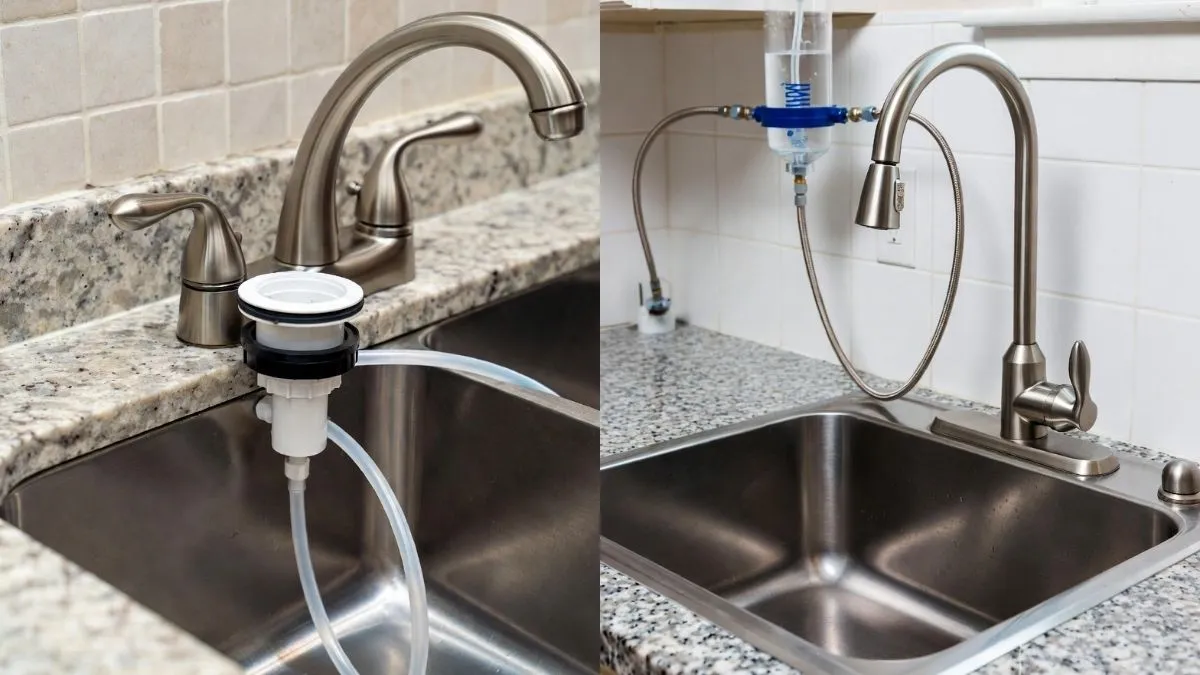
Have you just installed a new dishwasher and realized there’s no hole in your sink for the air gap? You’re not alone, and it can feel frustrating when your kitchen setup doesn’t match the standard installation steps.
But don’t worry—there are simple solutions to ensure your dishwasher drains properly and stays clog-free. You’ll discover easy ways to handle a dishwasher air gap with no hole in your sink, so you can keep your kitchen running smoothly without costly repairs or complicated changes.
Purpose Of Dishwasher Air Gap
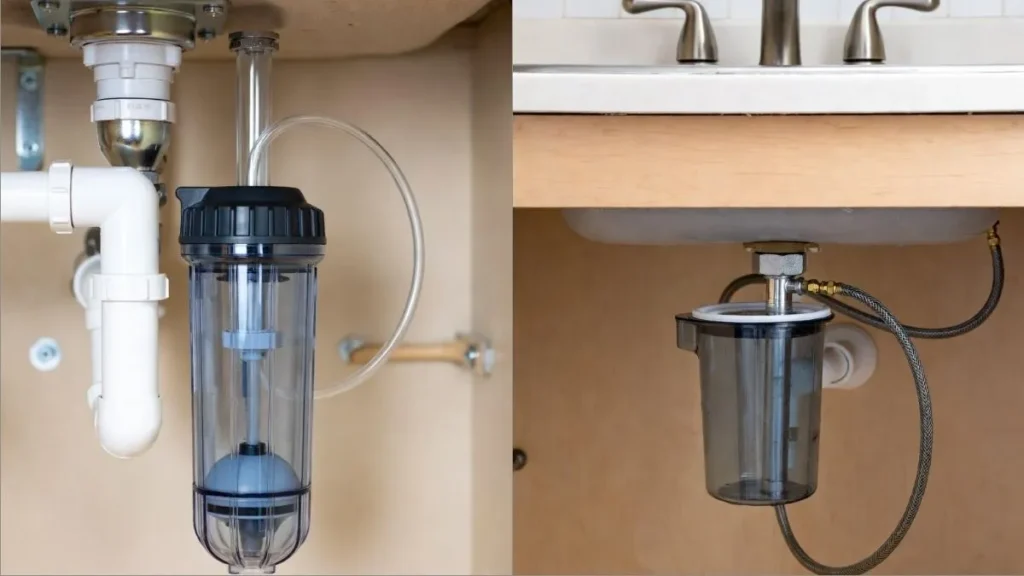
The dishwasher air gap is a small device that plays a big role in kitchen safety and cleanliness. It stops dirty water from the sink flowing back into the dishwasher. This keeps the dishwasher clean and prevents bad smells or germs from coming inside.
What Is The Dishwasher Air Gap?
The dishwasher air gap is a simple device made of plastic. It creates a break between the dishwasher drain and the sink drain. This break stops dirty water from flowing back into the dishwasher. It looks like a small cylinder on the sink or countertop.
Why Is An Air Gap Important?
- Prevents Backflow: It stops dirty water from the sink going back into the dishwasher.
- Keeps Water Clean: It helps keep dishwasher water fresh and free from germs.
- Protects Health: It reduces the risk of contamination from dirty water.
- Meets Plumbing Codes: Many local rules require an air gap for dishwashers.
How Does The Air Gap Work?
- Dishwasher water flows through a hose to the air gap device.
- The air gap allows water to flow down the drain but stops it from flowing back.
- If a clog happens, water spills out of the air gap instead of going back.
Key Benefits Of Using An Air Gap
| Benefit | Description |
| Health Protection | Prevents bacteria and dirty water from contaminating clean dishes. |
| Plumbing Safety | Stops backflow that can cause damage to dishwasher and plumbing. |
| Code Compliance | Meets local building and plumbing codes for dishwasher installation. |
| Easy Maintenance | Simple design helps detect clogs before causing bigger problems. |
Common Sink Configurations
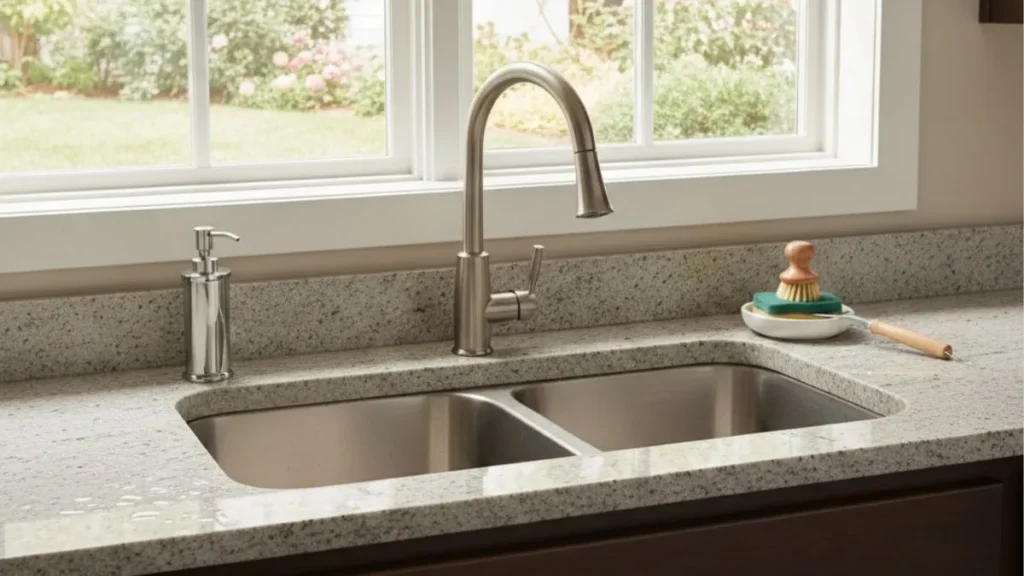
The installation of a dishwasher air gap can be tricky when the sink has no extra holes. Many kitchen sinks come in different designs, affecting where or if the air gap can fit. This knowledge ensures proper dishwasher drainage and prevents dirty water from flowing back into the dishwasher.
Single-hole Sinks
Single-hole sinks have one hole, usually for the faucet. This design is simple and modern, but it limits where to place an air gap. Since there is only one hole, the air gap cannot be installed directly on the sink. Instead, it must be mounted on the countertop or wall near the sink.
Here are some key points about single-hole sinks and air gap installation:
- Limited space: No extra holes mean no built-in spot for the air gap.
- Countertop mounting: The air gap is installed in the countertop beside the sink.
- Wall mounting: Another option is mounting the air gap on the wall behind the sink.
- Drilling a hole: Some homeowners drill a new hole in the countertop to fit the air gap.
Multiple-hole Sinks
Multiple-hole sinks have two or more holes to fit extra fixtures. These sinks often have holes for the faucet, sprayer, soap dispenser, or air gap. This setup allows easier installation of a dishwasher air gap without extra countertop work.
Some important points about multiple-hole sinks include:
- Extra holes: Usually one hole is reserved or can be used for the air gap.
- Flexibility: You can place the air gap in the sink without drilling elsewhere.
- Better appearance: Air gap looks neat and part of the sink design.
- Easy maintenance: Cleaning and inspecting the air gap is simple.
Alternatives When No Hole Is Available
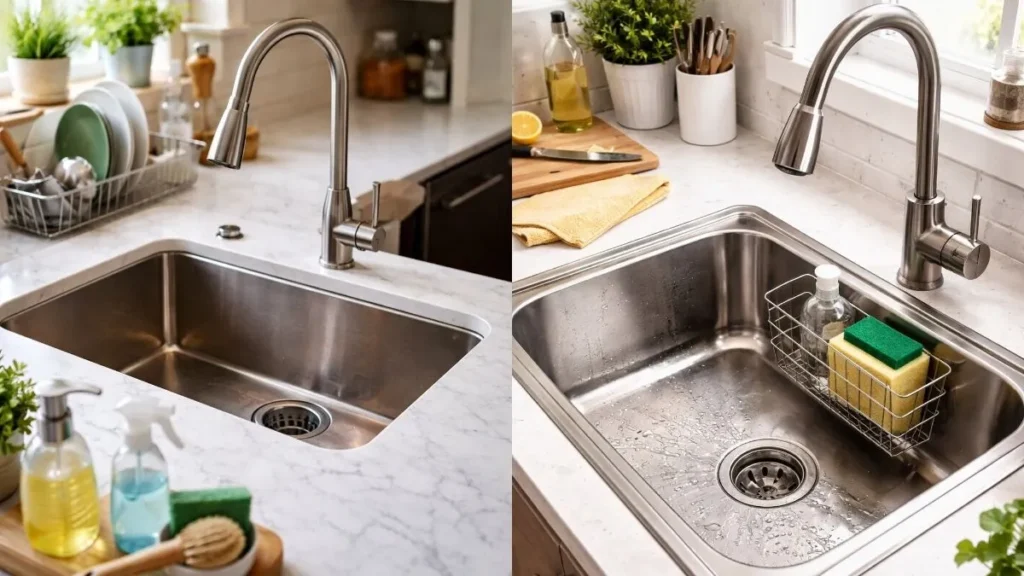
Dishwasher air gaps prevent dirty water from flowing back into the dishwasher. Usually, they require a hole in the sink or countertop for installation. Sometimes, the sink does not have a hole available, or drilling one is not an option. This situation calls for alternative methods to install an air gap. These alternatives ensure your dishwasher stays safe and meets plumbing codes without needing a hole in the sink.
Using Air Gap Adapters
Air gap adapters allow connection of the dishwasher drain hose to the garbage disposal or sink drain without a traditional air gap fitting on the sink. These adapters fit between the dishwasher hose and the disposal inlet.
Benefits of air gap adapters:
- Easy to install without extra drilling.
- Works with most dishwasher models.
- Compact size fits under the sink.
Installing Air Gap On Countertop
Installing the air gap on the countertop is a popular alternative when the sink has no hole. This method uses a separate hole drilled into the countertop instead of the sink.
Advantages of countertop installation:
- Keeps the air gap visible and easy to access.
- Does not require changes to the sink itself.
- Fits most kitchen designs and materials.
Under-sink Air Gap Installation
An under-sink air gap is hidden beneath the sink and does not require a visible hole on the sink or countertop. This method places the air gap fitting inside the cabinet, connecting hoses below the sink.
Key features of under-sink installation:
- Air gap is hidden from view.
- Requires flexible hoses and careful routing.
- Works well in tight cabinet spaces.
Step-by-step Installation Guide
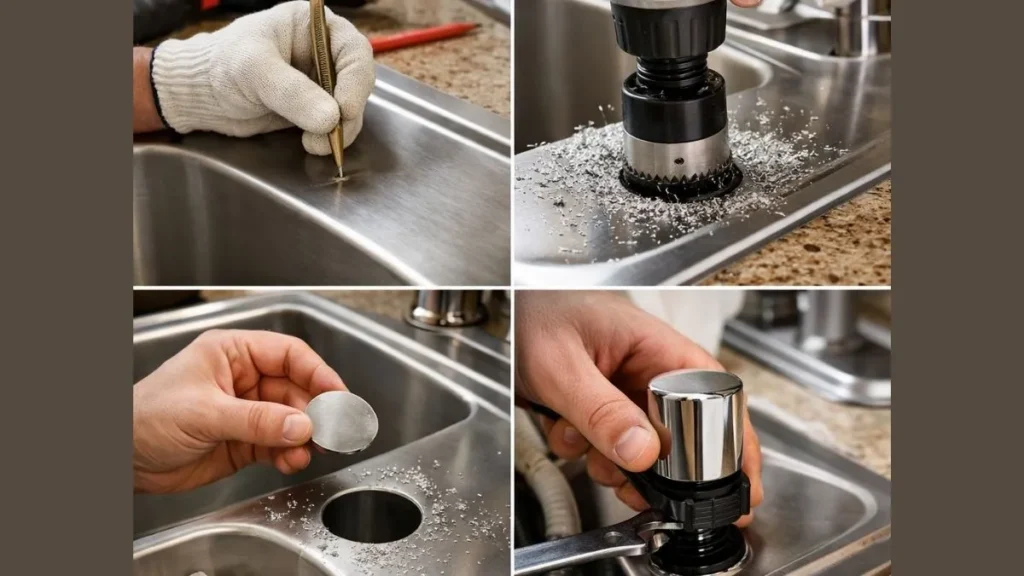
Follow this step-by-step installation guide to add an air gap neatly and safely. The air gap prevents dirty water from flowing back into your dishwasher, keeping your kitchen hygienic.
Preparing The Sink Area
Since there is no hole in the sink, prepare the countertop or sink edge for drilling. Choose a spot close to the sink, near the dishwasher drain line, and away from electrical wires or plumbing pipes.
Follow these preparation steps:
- Measure and mark the spot for the air gap hole. It should be within reach of the dishwasher and drain hoses.
- Clear the area under the sink to access the underside easily.
- Protect the countertop surface with painter’s tape over the drilling spot to prevent chipping.
- Check for obstructions under the countertop before drilling.
- Put on safety glasses and gloves to protect yourself during drilling.
Drill a hole carefully using the hole saw bit sized to fit the air gap. Drill slowly to avoid cracking the surface. After drilling, clean the area from dust and debris. This prepares the spot for mounting the air gap securely.
Mounting The Air Gap
Mount the air gap into the drilled hole following these steps:
- Insert the air gap body into the hole from above the countertop.
- Place the rubber gasket under the air gap body to create a tight seal.
- Secure the air gap from underneath the countertop using the mounting nut or bracket provided.
- Tighten the nut by hand first, then use a wrench to ensure a firm fit without overtightening.
- Check the air gap is straight and stable on the countertop surface.
Proper mounting prevents water leaks and keeps the air gap in place during dishwasher operation. If the air gap wobbles, adjust the mounting nut until it is snug. Avoid forcing the parts to prevent damage to the countertop or air gap.
Connecting Hoses
Connect the dishwasher and drain hoses to the air gap correctly. This step is crucial for proper drainage and preventing backflow.
Follow these connection instructions:
- Attach the dishwasher drain hose to the smaller inlet on the air gap. Use a hose clamp and tighten it securely.
- Connect the outlet hose from the air gap to the garbage disposal or sink drain. Secure with a hose clamp.
- Double-check hose routing to avoid kinks or bends that block water flow.
- Run a test cycle on the dishwasher to inspect for leaks around the air gap and hoses.
- Tighten any loose clamps if water leaks during the test.
Proper hose connection ensures water flows only one way, protecting your dishwasher and kitchen from dirty water backup. Keep hoses as short as possible and secure to prevent movement.
Recommended: Dishwasher Drain Through Floor
Troubleshooting Common Issues
Troubleshooting common issues with a dishwasher air gap installed where there is no hole in the sink can be challenging. Many homeowners face problems like leaks, noises, and water backflow.
Leaks And Drips
Leaks and drips around the air gap are common. They happen when water escapes from the connections or the air gap itself. This issue often occurs if the air gap is not sealed properly or if the hoses are loose.
Common causes of leaks and drips:
- Loose hose clamps
- Cracks in the air gap cover or housing
- Improper seal between air gap and countertop
- Blocked or clogged air gap
Fixing leaks involves checking each part carefully. Tighten the hose clamps using a screwdriver. Replace cracked parts immediately. Make sure the air gap fits snugly into the hole or mounting location.
| Problem | Cause | Solution |
| Water dripping from air gap | Loose hose clamps | Tighten clamps with a screwdriver |
| Water pooling around air gap base | Improper seal or gap | Apply plumber’s putty or silicone sealant |
| Leaks inside air gap housing | Cracked air gap parts | Replace air gap assembly |
Regular cleaning prevents clogs and reduces leaks. Remove the air gap cover and clean inside with warm water. Clear any debris blocking the drain.
Noisy Air Gap
A noisy air gap usually makes a loud gurgling or splashing sound during dishwasher cycles. These noises signal problems that need attention.
Common reasons for noisy air gaps:
- Clogged air gap chamber
- Loose or vibrating hoses
- Improper installation causing water turbulence
Noise often happens when water tries to pass through a narrow or blocked path. Cleaning the air gap can reduce or stop the noise. Remove the cover and flush the chamber with water.
Check hose connections for tightness. Secure any loose hoses with clamps or zip ties. Ensure hoses do not rub against cabinets or pipes, which causes vibration noise.
Steps to fix noisy air gap:
- Turn off the dishwasher and water supply.
- Remove the air gap cover carefully.
- Flush the air gap with clean water to clear blockages.
- Inspect hoses and tighten clamps if needed.
- Reinstall the cover and run a test cycle.
Noise should reduce after these steps. If it continues, the air gap may need replacement.
Water Backflow
Water backflow means dirty water flows back into the dishwasher or sink area. This problem is serious because it can cause contamination and odors.
Backflow often happens when the air gap is blocked or the drain hose is installed incorrectly. Air gaps prevent backflow by creating a break in the drain line.
Signs of water backflow:
- Water coming out of the air gap opening
- Water pooling in the sink after dishwasher cycle
- Unpleasant odors from the drain area
How to stop water backflow:
- Check for clogs in the air gap and drain hose.
- Ensure the drain hose is looped properly under the sink.
- Replace damaged or kinked hoses.
- Install a proper air gap fitting if missing.
Proper hose routing is critical. The drain hose must loop higher than the sink drain to prevent backflow. This loop acts as a natural barrier.
| Backflow Cause | How to Fix |
| Blocked air gap | Clean air gap thoroughly |
| Incorrect hose installation | Re-route hose with a high loop |
| Kinked or damaged hose | Replace hose with new one |
Regular inspection helps catch issues early. Clean the air gap every few months. Check hoses for wear and replace if needed. This keeps your dishwasher working well and prevents water backflow.
You May Like Also: How to Hide Dishwasher Air Gap
Conclusion
A dishwasher air gap keeps your sink safe from dirty water. Not having a hole in the sink does not stop you. You can install the air gap on the countertop or wall. This keeps the dishwasher working well and prevents clogs.
Always check local rules for the best spot. With the right setup, your kitchen stays clean and fresh. Small changes make a big difference. Take your time and follow simple steps. Your dishwasher will thank you.