


Is cold air sneaking into your home through your stove vent? You might not realize it, but this chilly draft can make your living space uncomfortable and drive up your heating bills.
If you’ve noticed a cold breeze when your stove isn’t in use, you’re not alone—and there’s a reason behind it. You’ll discover why cold air comes through your stove vent and what simple steps you can take to fix it.
Causes Of Cold Air Through Stove Vent
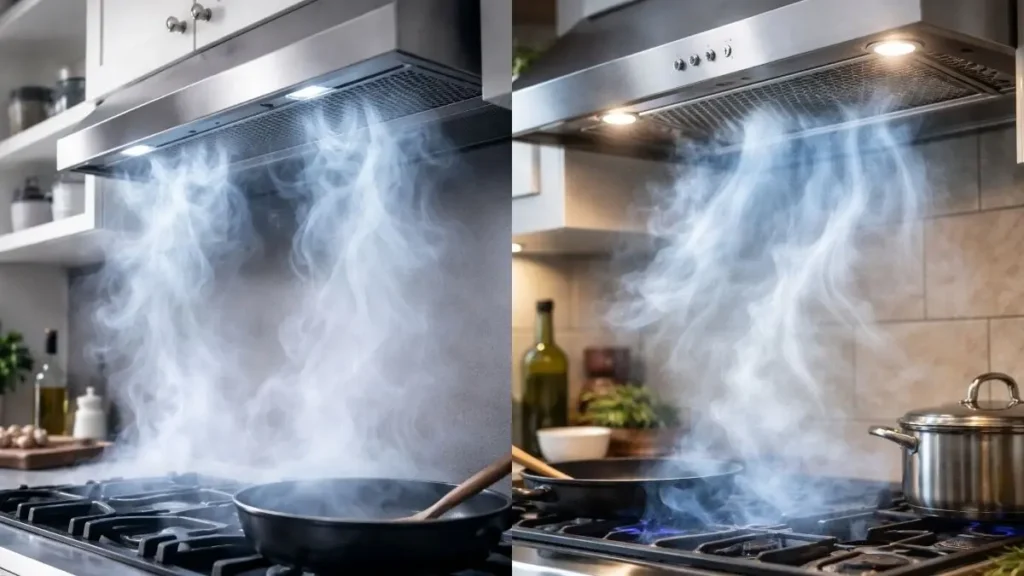
Cold air coming through a stove vent can cause discomfort and reduce heating efficiency. Identifying the causes helps fix the problem quickly. Several common issues lead to cold air entering through the stove vent.
Poor Vent Sealing
Poor vent sealing is a frequent cause of cold air entering through the stove vent. Gaps, cracks, or worn-out seals allow outside air to leak in. Over time, seals can dry out or break, making the vent less airtight.
Signs of poor sealing include:
- Drafts near the stove
- Visible gaps around the vent joints
- Increased heating costs due to heat loss
Sealing problems can occur at different points:
| Location | Common Issues |
| Vent pipe joints | Loose connections, missing sealant |
| Stove collar | Worn gasket or missing insulation |
| Wall or ceiling penetration | Cracks or gaps around vent sleeve |
Fixing poor vent sealing involves cleaning the vent area and applying high-temperature sealant or replacing gaskets. Regular inspection prevents leaks and keeps cold air out.
Improper Vent Installation
Improper vent installation often causes cold air to enter the home. Incorrect angles, poor connections, or wrong vent types reduce vent efficiency. A vent that is not installed to code may allow outside air to push back into the house.
Common installation mistakes include:
- Incorrect vent slope causing condensation
- Using the wrong vent material or size
- Loose or misaligned vent pipe sections
- Missing or faulty vent cap
Lack Of Insulation
Insufficient insulation around the stove vent pipe leads to cold air problems. The vent pipe passes through walls or ceilings, which may not be properly insulated. Cold air from outside can enter these uninsulated spaces and travel down the vent.
Effects of poor insulation include:
- Cold drafts near the stove
- Increased heat loss through the vent area
- Condensation build-up inside the vent
Backdraft Issues
Backdraft occurs when outside air flows backward into the stove vent. It causes cold air to enter and smoke or gases to stay inside the home. Backdraft happens due to pressure differences or poor vent design.
Common causes of backdraft include:
- Strong winds pushing air down the vent
- Exhaust fans or appliances creating negative pressure indoors
- Chimney blockages or obstructions
- Incorrect vent height or placement
Backdraft signs:
- Smoke smell inside the house
- Cold air blowing from the vent
- Difficulty lighting or keeping the stove fire burning
Identifying The Problem
Cold air coming through a stove vent can make your home uncomfortable and increase heating costs. Identifying the problem early helps stop cold drafts and improves warmth. Knowing where the cold air enters allows you to fix the issue faster.
Signs Of Cold Air Infiltration
Cold air infiltration through the stove vent shows in several clear ways. Recognizing these signs helps confirm the problem before taking action.
- Chilly spots near the stove: Feeling cold air around the vent or stove area is a strong sign.
- Uneven room temperature: Some parts of the room stay cold despite the stove running.
- Increased heating bills: More energy is needed to keep the room warm.
- Visible gaps or cracks: Small openings around the vent where cold air can enter.
- Whistling or hissing sounds: Noise near the vent caused by air movement.
Inspecting Vent Connections
Checking vent connections helps find where cold air enters. Loose or damaged parts let cold air flow inside.
Follow these steps for inspection:
- Turn off the stove and let it cool down.
- Look closely at each joint where vent pipes connect.
- Feel for air movement or cold spots around connections.
- Check for rust, cracks, or missing seals.
- Use a flashlight to spot hidden gaps inside vents.d
Checking For Drafts
Detecting drafts around the stove vent confirms cold air infiltration. Drafts often come from gaps or poor vent placement.
Try these simple methods to find drafts:
- Hold a lit incense stick or candle near vent edges. Watch for smoke or flame movement.
- Use your hand to feel for cold air flow around vents and pipes.
- On a windy day, close doors and windows, then check vent areas for air leaks.
- Apply a thin layer of tissue paper near vent seams. Movement means air is leaking.
Once you find drafts, mark the spots for repair. Sealing drafts with caulk or weatherstripping blocks cold air and keeps your home warmer.
Remember, small drafts cause big heat loss. Regular draft checks help maintain a cozy home.
Preventing Cold Air Entry
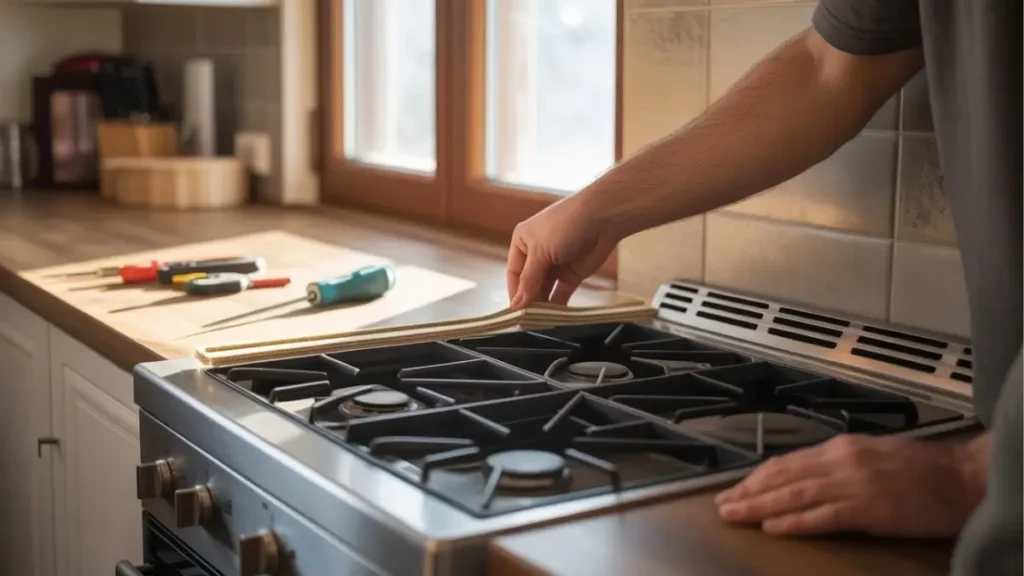
Cold air coming through a stove vent can make your home feel chilly and uncomfortable. Preventing cold air entry helps keep your space warm and reduces energy costs. Taking simple steps around the stove vent stops cold drafts from sneaking in.
Sealing Gaps And Cracks
Gaps and cracks around the stove vent are common entry points for cold air. Sealing these openings creates a barrier that stops drafts and keeps warm air inside.
Start by inspecting the vent area carefully. Look for:
- Visible cracks in the wall or ceiling near the vent
- Spaces between the vent pipe and the wall
- Loose or missing caulk around vent edges
Use these materials to seal gaps:
| Material | Use | Benefits |
| High-temperature silicone caulk | Seal small cracks and gaps | Flexible and heat resistant |
| Expanding foam sealant | Fill larger gaps around vent pipes | Expands to fill uneven spaces |
| Weatherstripping tape | Seal edges where vent meets wall | Easy to apply and remove |
Apply sealant carefully and allow it to dry fully. Check for any missed spots after drying. Sealing gaps reduces cold air flow and improves warmth around the stove vent.
Adding Insulation Around Vent
Insulating the area around the stove vent adds a strong layer of protection against cold air. Insulation slows heat loss and keeps your room cozy.
Choose insulation materials that resist heat and fit well in small spaces:
- Mineral wool: Fire-resistant and good for tight spaces
- Foam board insulation: Provides a solid thermal barrier
- Fiberglass batts: Common and easy to install
Steps to add insulation:
- Turn off the stove and ensure vent area is cool.
- Remove any damaged or old insulation around the vent.
- Cut insulation to fit snugly without compressing it.
- Place insulation around the vent pipe and inside wall cavities.
- Use fire-resistant barriers if required by local codes.
Proper insulation reduces cold drafts and keeps heat inside your home. It also prevents moisture buildup, which protects your vent system.
Installing Draft Stoppers
Draft stoppers block air from entering through gaps near the stove vent. They are easy to install and remove, making them a flexible solution.
Types of draft stoppers suitable for stove vents:
- Foam draft blockers: Soft, compressible, fits around pipes
- Fabric draft snakes: Long, weighted fabric tubes placed at vent openings
- Magnetic draft blockers: Attach to metal vent covers to seal edges
For best results, clean the vent area before installing draft stoppers. Check stoppers regularly for wear and replace as needed. Draft stoppers add an extra layer of defense against cold air near your stove vent.
Related Read: Cold Air Coming in from Gas Fireplace
Improving Vent Efficiency

Cold air coming through your stove vent can make your home uncomfortable and increase heating costs. Improving vent efficiency helps keep warm air inside and cold air out. Small changes can make a big difference in comfort and energy savings. Focus on sealing gaps, adding insulation, and checking vent design to boost efficiency.
Sealing Gaps And Cracks
Check around the vent for openings where cold air enters. Use weatherstripping or high-temperature caulk to seal these gaps. This stops cold drafts and keeps warm air inside. Pay attention to areas where the vent meets the wall or ceiling. Regularly inspect these spots for new cracks or wear.
Adding Insulation Around The Vent
Insulation helps reduce heat loss through the vent area. Use fire-resistant insulation materials safe for stove vents. Place insulation carefully to avoid blocking airflow. Proper insulation keeps cold air out and maintains a steady temperature around the vent.
Optimizing Vent Design
Vent design affects how air moves through your stove system. Choose vents with dampers to control airflow better. Make sure the vent path is as short and straight as possible. Avoid sharp bends that trap cold air or reduce heat flow. Good vent design improves heat retention and reduces cold air entry.
Conclusion
Cold air coming through your stove vent can cause discomfort and energy loss. Sealing gaps and checking vent covers helps keep the cold out. Regular maintenance stops drafts and keeps your home warm. Small fixes make a big difference in comfort and heating bills.
Stay alert to any new drafts and fix them quickly. A warm, cozy home is possible with simple care. Don’t let cold air sneak in through your stove vent again.