

Have you ever noticed water collecting in your window well after a heavy rain? If so, you’re not alone—and it’s more than just an annoying puddle.
Water filling your window well can cause serious problems like basement leaks, foundation damage, and mold growth. But don’t worry, understanding why this happens and how to fix it can save you time, money, and stress. Keep reading to learn what causes window well flooding and the simple steps you can take to protect your home.
Causes Of Water In Window Wells
Water collecting in window wells is a common problem for many homeowners. This issue often leads to basement leaks, mold growth, and foundation damage. Several factors contribute to this problem, including drainage issues, weather conditions, and maintenance problems. Knowing these causes allows for better care and timely fixes.
Poor Drainage Systems
Poor drainage systems are a leading cause of water filling window wells. When drainage is inadequate, water cannot flow away from the house properly. This causes water to pool around the window well and eventually fill it up. Many homes lack proper grading or have blocked drains, which worsens the problem.
Common drainage issues include:
- Soil sloping toward the foundation instead of away
- Blocked or missing drain pipes near the window well
- Drainage systems that are too small or damaged
- Improper installation of window well drains
Heavy Rainfall Impact
Heavy rainfall puts extra pressure on window wells. Large volumes of water can overwhelm drainage systems and cause water to fill the wells quickly. Even well-designed drainage may struggle during storms.
During heavy rain:
- Water collects faster than it can drain away
- Soil becomes saturated and cannot absorb more water
- Runoff flows directly into window wells
Heavy rainfall can cause sudden flooding in window wells, damaging basement windows and walls. It also increases the risk of mold and mildew growth due to constant moisture.
Homeowners living in areas with frequent heavy rain should consider extra protection:
- Installing larger or additional drains
- Using waterproof window well covers
- Adding sump pumps near window wells
These measures help control water during storms and prevent long-term damage.
Groundwater Seepage
Groundwater seepage occurs when water from underground sources moves through soil and enters window wells. This happens especially in areas with a high water table or after long periods of rain.
Seepage causes a constant presence of water, even without rainfall. It can make window wells damp and lead to water buildup over time.
Signs of groundwater seepage include:
- Wet soil around the window well without recent rain
- Slow but steady increase of water in the well
- Moisture stains on basement walls near windows
Clogged Gutters And Downspouts
Clogged gutters and downspouts cause water to overflow near window wells. Leaves, dirt, and debris block the flow of rainwater, making it spill onto the ground close to the foundation.
This extra water often ends up in window wells, filling them quickly and causing damage. Regular gutter cleaning is essential to prevent this issue.
Effects of clogged gutters and downspouts:
- Water pooling near the house foundation
- Increased water in window wells
- Potential basement leaks and foundation erosion
Risks Of Water Accumulation
Window wells are designed to keep light and air flowing into your basement. But when water fills these wells, it causes serious problems. Water accumulation in window wells can lead to risks that affect your home’s safety and comfort. Standing water puts pressure on your basement walls and can create a pathway for water to enter your home. This often leads to damage, health issues, and costly repairs.
Basement Flooding
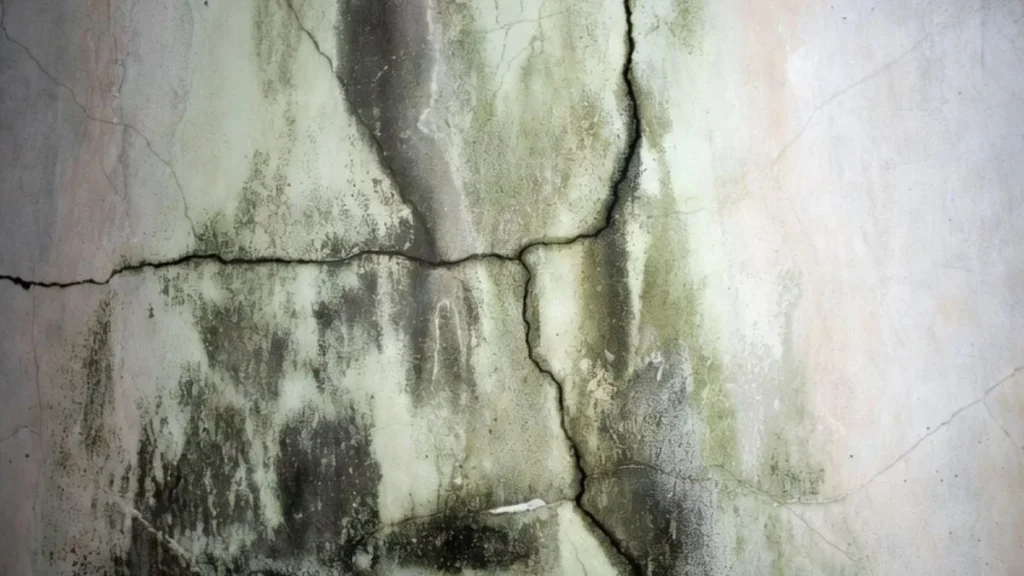
Water collecting in window wells can easily seep into your basement. Basements are below ground, so water moves downhill and pools near the foundation. When window wells fill with water, it creates a direct path for water to enter through windows or cracks.
Signs of basement flooding due to window well water:
- Wet or damp walls and floors
- Water stains or discoloration
- Musty smells
- Visible puddles or standing water
Flooding can cause damage to furniture, electronics, and stored items. It also creates a slippery surface that can be dangerous. Basement flooding is a common problem but often preventable by keeping window wells dry and clear.
| Cause | Effect |
| Clogged window well drains | Water builds up and overflows into basement |
| Cracks in basement window seals | Water leaks inside causing flooding |
| Poor grading around the home | Water pools near foundation and seeps in |
Foundation Damage
Water pressure from filled window wells can harm your home’s foundation. When water collects next to the foundation walls, it pushes against the concrete or masonry. Over time, this pressure can cause cracks or shifts in the foundation.
Effects of foundation damage include:
- Cracks in basement walls and floors
- Doors and windows that stick or do not close properly
- Uneven floors and visible gaps in walls
- Structural instability
Fixing foundation damage is expensive and complicated. Preventing water build-up is easier and saves money. Proper drainage, sealing cracks, and installing window well covers reduce water pressure on the foundation.
Mold And Mildew Growth
Moist environments from window well water promote mold and mildew growth. Basements with damp air and wet surfaces become breeding grounds for these fungi. Mold spores float in the air and settle on walls, floors, and belongings.
Health risks from mold and mildew:
- Allergic reactions and asthma attacks
- Respiratory problems
- Eye and skin irritation
- Worsening of chronic lung diseases
Mold spreads quickly in damp basements. It damages materials like drywall, wood, and fabrics. Cleaning mold is difficult and expensive. Removing water from window wells and improving ventilation helps stop mold growth.
Pest Attraction
Water-filled window wells attract pests looking for moisture and shelter. Standing water is a magnet for insects and rodents. Mosquitoes, ants, and cockroaches breed in wet areas. Small animals like mice and rats may nest nearby.
Common pests linked to water in window wells:
- Mosquitoes – lay eggs in stagnant water
- Ants – seek water sources
- Spiders – hunt near insect populations
- Rodents – attracted by shelter and moisture
Pests cause health risks by spreading diseases and triggering allergies. They also damage property by chewing wires and insulation. Removing water and sealing window wells reduce pest problems effectively.
Preventive Measures
Window wells filled with water can cause damage to your basement and home foundation. Taking preventive measures helps keep water out and protects your property. Simple steps can stop water buildup and avoid costly repairs.
Install Proper Drainage Systems
Good drainage prevents water from collecting in window wells. Use these methods:
- Drain tiles: Place them around the window well to carry water away.
- Gravel fill: Add gravel at the bottom to improve water flow.
- Drain pipes: Connect to the main drain or sewer to remove water.
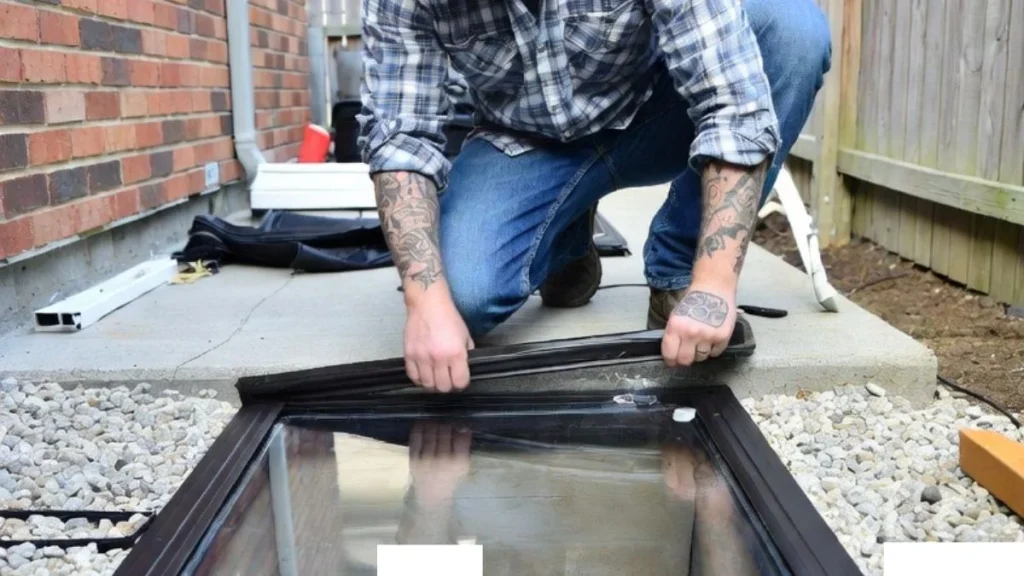
Use Window Well Covers
Window well covers stop rain and snow from entering. Benefits include:
- Keep debris and leaves out
- Reduce water accumulation
- Improve safety by preventing falls
Choose covers made of durable materials like polycarbonate or metal.
Grade The Soil Away From The House
Proper soil grading guides water away from window wells and foundation. Follow these tips:
- Ensure a slope of at least 6 inches over 10 feet.
- Check soil regularly for erosion or settling.
- Use landscaping to direct water flow.
Maintain Gutters And Downspouts
Clean gutters and downspouts keep rainwater flowing away from your home.
- Clear leaves and debris regularly
- Extend downspouts at least 5 feet from the foundation
- Fix leaks or clogs immediately
Seal Basement Windows And Walls
Sealing cracks prevents water from seeping into window wells. Use:
- Waterproof caulk for window frames
- Waterproof paint or sealant on basement walls
- Inspect seals yearly and repair as needed
Effective Water Removal Techniques

Sump Pump Installation
Window wells can fill with water due to heavy rain, poor drainage, or groundwater. This water buildup can cause damage to basement walls and floors. Effective water removal techniques help protect your home and keep window wells dry. These methods focus on removing water quickly and preventing future flooding. Proper care reduces the risk of leaks, mold, and structural issues.
A sump pump is a powerful tool to remove water from window wells and basements. It works by collecting water in a sump basin and pumping it outside your home. This helps keep window wells dry and prevents water damage.
Key benefits of sump pumps:
- Automatic operation: Pumps turn on when water reaches a certain level.
- Fast water removal: Prevents water from sitting and causing damage.
- Low maintenance: Requires occasional cleaning and inspection.
Consider these points before installation:
- Choose the right size pump for your home and water volume.
- Ensure proper placement of the sump basin within the window well.
- Install a discharge pipe to direct water far from the foundation.
- Include a battery backup for power outages.
Below is a simple table comparing common sump pump types:
| Type | Power Source | Cost Range | Best Use |
| Submersible | Electric | $$ | Basements with high water levels |
| Pedestal | Electric | $ | Areas with low water volume |
Manual Water Extraction
Manual water extraction is a simple way to remove water from window wells quickly. Use a wet/dry vacuum or a small pump to suck out the water. This method works best for minor flooding or emergency situations.
Steps for manual extraction:
- Clear debris from the window well to improve water flow.
- Use a wet/dry vacuum to suck out standing water.
- Remove water slowly to avoid soil collapse.
- Dispose of water away from the foundation.
Manual extraction suits smaller wells or homes without sump pumps. It requires regular attention during heavy rain. Wear waterproof gloves and boots for safety. Check for leaks or cracks after water removal.
Advantages:
- Low cost and easy to perform.
- No electricity needed.
- Immediate water removal.
Drawbacks:
- Labor-intensive for large water volumes.
- Not a permanent solution.
Improving Soil Grading
Soil grading helps direct water away from window wells and the home’s foundation. Proper slope prevents water buildup and reduces flooding risk. The ground should slope at least 6 inches down over 10 feet away from the house.
Steps to improve soil grading around window wells:
- Remove any soil or debris blocking water flow.
- Add soil to create a gentle slope away from the window well.
- Compact soil to prevent erosion.
- Install downspout extensions to divert roof water.
- Consider adding gravel around the well to improve drainage.
Benefits of good soil grading:
- Reduces water pressure near basement walls.
- Prevents soil erosion and pooling.
- Improves overall drainage around the house.
Check soil grading regularly, especially after storms. Poor grading can worsen water problems and cause structural damage.
Sealing Window Well Walls
Sealing window well walls blocks water from seeping through cracks and gaps. Use waterproof sealants designed for masonry or concrete. This method adds an extra layer of protection against water intrusion.
How to seal window well walls:
- Clean the walls thoroughly to remove dirt and mold.
- Inspect for cracks, holes, or damaged areas.
- Apply a high-quality waterproof sealant with a brush or roller.
- Allow sufficient drying time as per product instructions.
- Reapply sealant every few years for continued protection.
Types of sealants suitable for window wells include:
| Sealant Type | Material | Water Resistance | Application |
| Elastomeric Coating | Rubber-based | High | Brush or Spray |
| Silicone Sealant | Silicone | Moderate | Caulking Gun |
| Cementitious Waterproofing | Cement-based | High | Brush or Trowel |
Sealing is most effective combined with other drainage solutions. It does not remove water but prevents leaks. Regular maintenance extends the life of window wells and protects your basement.
Choosing The Right Window Well
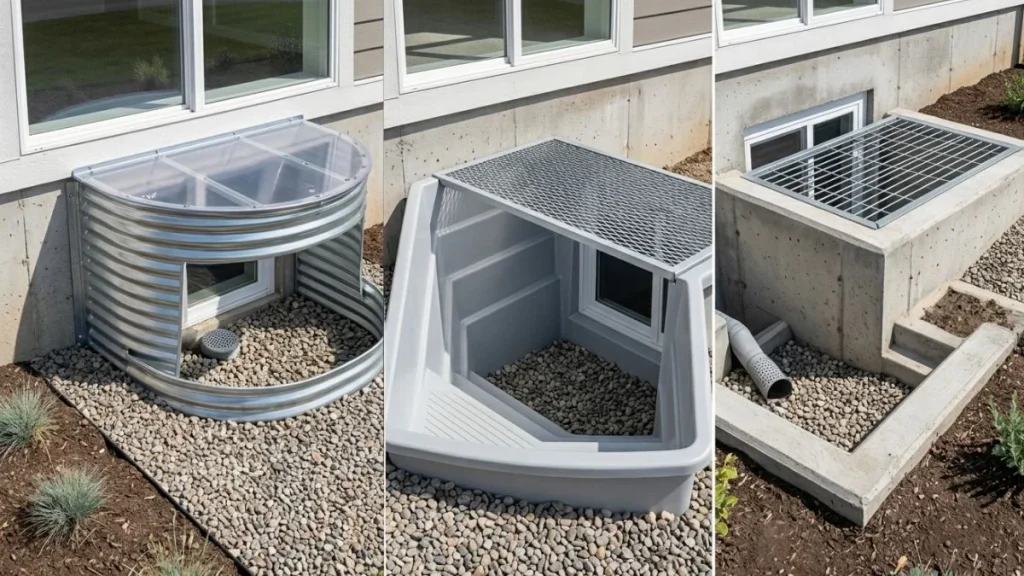
Choosing the right window well is important to keep your basement dry and safe. A good window well protects your window from water and dirt. It also lets sunlight in and provides emergency exit space. Picking the right type depends on your home’s needs and the local weather.
Material Types and Their Benefits
Window wells come in different materials. Each has pros and cons for water resistance and durability.
- Steel: Strong and long-lasting. Resists dents but can rust without coating.
- Aluminum: Lightweight and rust-proof. Less strong than steel.
- Plastic (Polyethylene): Affordable and rust-free. Can crack in cold weather.
- Concrete: Very durable and sturdy. Heavy and costly to install.
Size and Depth Considerations
Choose window wells big enough for safety and water protection.
- Depth should be at least 44 inches for emergency escape.
- Width and length must cover the window frame plus extra space.
- Consider local building codes for exact size rules.
Drainage Options and Prevention of Water Filling
Proper drainage stops window wells from filling with water.
| Drainage Method | Description | Benefits |
| Gravel Base | Layer of gravel under the well | Improves water flow away from window |
| Drain Pipe | Connected to home’s drainage system | Directs water away quickly |
| Sealed Well Covers | Plastic or metal covers over well | Keeps rainwater and debris out |
Style and Appearance Options
Window wells do not have to look plain. Choose a style that fits your home’s look.
- Decorative metal wells with patterns
- Clear polycarbonate covers for light
- Stone or brick surrounds for a natural look
- Painted steel wells matching your home color
Conclusion
Water in window wells can cause serious problems for your home. It can damage the foundation and let mold grow. Drainage and covers help keep water out. Clean your window well regularly to avoid blockages. Fix any cracks or leaks quickly.
Taking these steps protects your basement and home. Stay alert to water buildup after rain. A dry window well means a safer, healthier home. Simple care makes a big difference over time.