
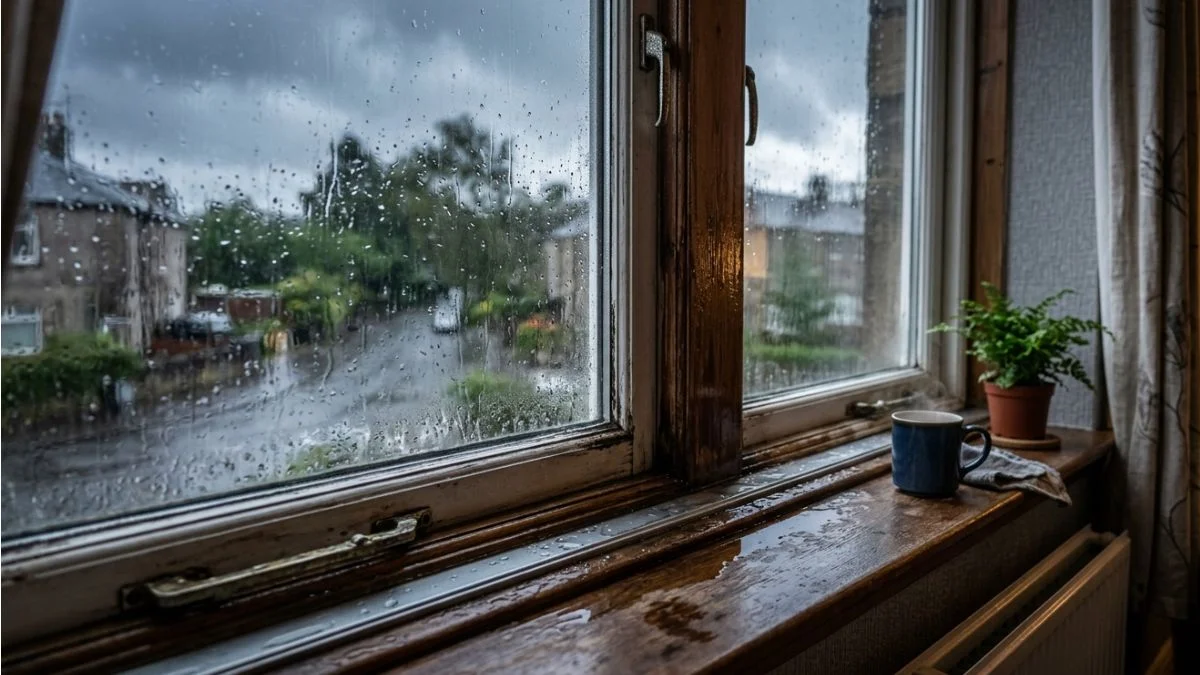
Have you ever noticed water pooling in your window track after a rainstorm? It might seem like a small problem, but that water can cause serious damage over time.
If you ignore it, you could face mold, rust, and even higher energy bills. You’ll discover why water collects in your window track and what you can do to stop it. Keep reading to protect your home and save money on costly repairs.
Causes Of Water In Window Track
Water collecting in window tracks is a common problem many homeowners face. This issue can cause damage to windows and surrounding walls. Several factors contribute to this water buildup, ranging from poor seals to weather effects. Identifying these causes is the first step to fixing the issue quickly and effectively.
Poor Window Seals
Poor window seals are one of the main reasons water enters window tracks. Over time, seals made of rubber or silicone can crack, shrink, or peel away. This damage allows water to slip past the frame and settle in the track below.
Signs of poor seals include:
- Visible gaps around the window edges
- Peeling or brittle sealant
- Drafts or cold air near the window
Damaged seals reduce a window’s ability to keep out water and air. This leads to constant moisture in the track, which can cause rust, mold, and wood rot. Repairing or replacing window seals is often necessary to stop water leaks.
Clogged Drainage Channels
Windows often have drainage channels to guide rainwater away from the track. These channels can get clogged with dirt, leaves, and debris. When blocked, water cannot drain properly and pools in the window track.
Common causes of clogged drainage include:
- Accumulated dust and dirt
- Fallen leaves and twigs
- Insect nests or spider webs
Regular cleaning of drainage channels prevents water buildup. Use a small brush or vacuum to clear blockages. Check channels every few months, especially after storms or autumn leaf fall. Proper drainage maintenance helps keep window tracks dry and prolongs window life.
Heavy Rain And Weather
Heavy rain and harsh weather conditions increase the risk of water entering window tracks. Strong winds can push water under the window frame. Long periods of rain saturate the surrounding walls and window areas.
Weather factors that cause water buildup:
- Heavy rainfall intensity
- Wind direction and speed
- Frequent storms or hail
- Snow melting near windows
Windows exposed to extreme weather need extra protection. Installing awnings or storm windows can reduce water exposure. Ensure window seals and drainage are in good condition before rainy seasons.
Condensation Issues
Condensation forms when warm, moist air meets a cold window surface. This moisture often gathers in window tracks, especially in cooler months. Poor ventilation or high indoor humidity increases condensation risk.
Common causes of condensation include:
- Cooking, showering, and drying clothes indoors
- Poor air circulation near windows
- Single-pane or old windows with low insulation
Condensation water can collect and cause mold or damage in window tracks. Reducing indoor humidity and improving airflow helps control condensation.
Keeping window tracks dry prevents long-term damage and maintains a healthy home environment.
Recommended: Water Leaking above Window Frame
Problems From Water Accumulation
Water accumulation in window tracks causes many problems that affect home comfort and safety. Standing water creates a damp environment that harms window parts and the surrounding area. This buildup often leads to long-term damage if not addressed quickly.
Mold And Mildew Growth
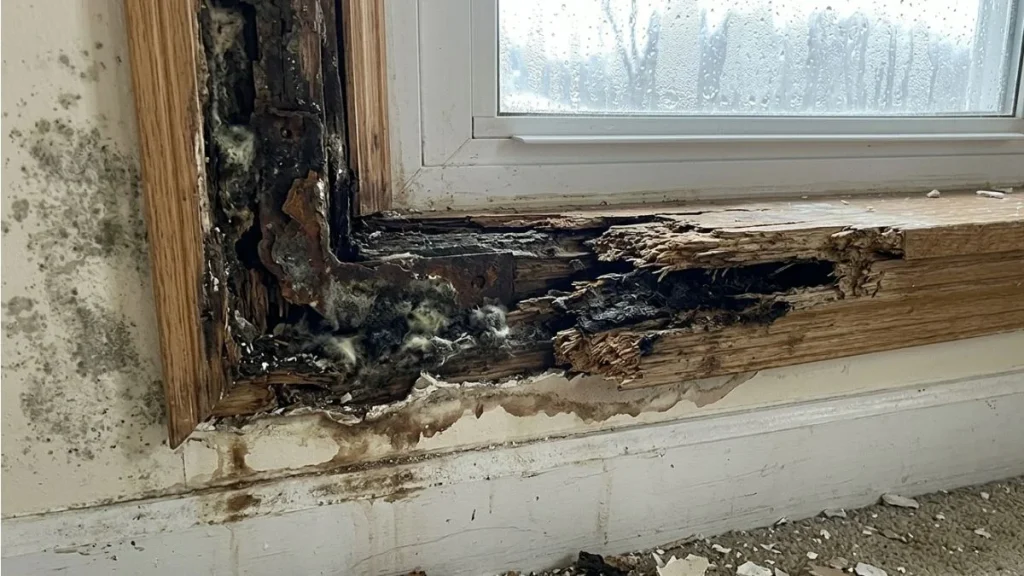
Water trapped in window tracks creates the perfect place for mold and mildew to grow. These fungi thrive in moist, dark spaces and spread quickly. Mold appears as black or green patches, while mildew looks powdery or fuzzy. Both can cause health problems like allergies and breathing issues.
- Health risks: Mold spores irritate the eyes, nose, and throat.
- Unpleasant odors: Mold produces a musty smell that lingers in the room.
- Damage to walls and paint: Mold can spread beyond the window track to walls and ceilings.
Cleaning mold requires special cleaners and protective gear. Ignoring it lets mold grow deeper into wood and drywall, making removal harder and more expensive.
Damage To Window Frame
Water in window tracks can severely damage window frames, especially wooden ones. Wood soaks up water, causing it to swell, warp, and eventually rot. This weakens the frame and reduces the window’s stability.
Metal and vinyl frames also face problems:
- Metal frames: Can rust and corrode over time.
- Vinyl frames: May crack or become brittle due to water exposure.
Difficulty Opening And Closing
Water collecting in window tracks creates debris buildup, making windows hard to open or close. Dirt, leaves, and mold mix with water, forming a sticky sludge. This sludge blocks the window’s sliding path and jams the mechanism.
Common issues include:
- Windows sticking or getting stuck halfway
- Increased force needed to slide the window
- Window locks not aligning properly
Hard-to-operate windows reduce comfort and safety. Emergency exits may become unusable. Regular cleaning and drying of window tracks help maintain smooth movement.
Simple tips for easier windows:
- Remove debris regularly
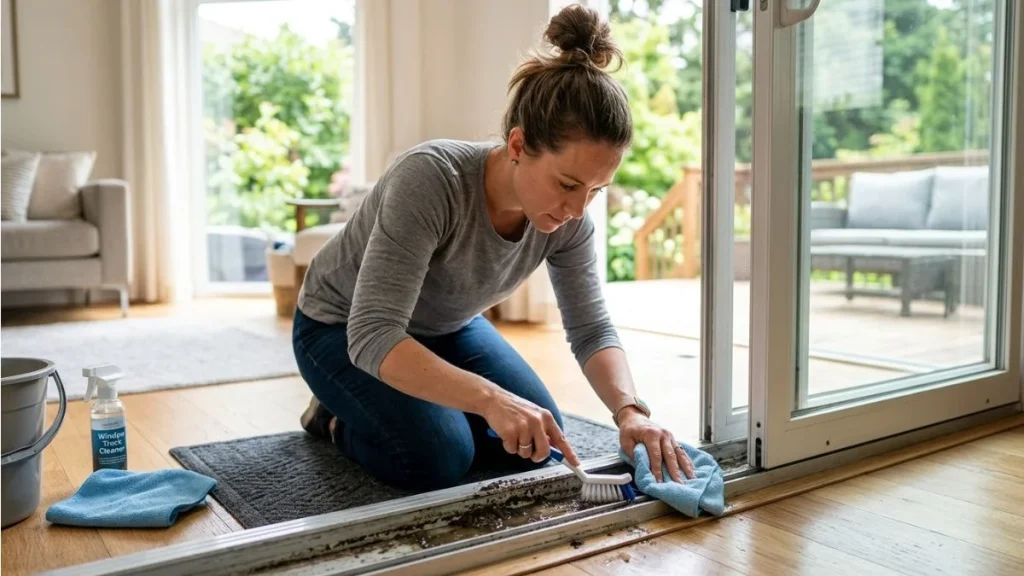
- Use a vacuum or brush to clean tracks
- Apply silicone lubricant to sliding parts
Pest Attraction
Standing water in window tracks attracts many pests. Moisture draws insects and small animals that seek water and shelter. Common pests include:
- Ants searching for water sources
- Spiders building webs near damp areas
- Flies breeding in stagnant water
- Termites attracted to wet wood
Pests cause several problems:
- Damage to window frames and nearby walls
- Unwanted noise and movement
- Health concerns from insect bites or droppings
Keeping window tracks dry and clean reduces pest attraction. Seal gaps and cracks to prevent pest entry. Use pest control methods if infestations occur.
DIY Fixes For Water In Tracks
Water collecting in window tracks causes damage and makes windows hard to open. Simple DIY fixes stop water buildup and protect your home. These easy steps save money and keep windows working well. Learn how to use sealants, weatherstripping, drainage fixes, and quick removal tricks for dry window tracks.
Using Sealant And Caulk
Sealant and caulk block water from entering window tracks. They fill cracks and gaps where water seeps through. Use a silicone-based sealant for good waterproofing. Here is how to apply it:
- Clean the window track completely. Remove dirt and old caulk.
- Dry the area well before applying sealant.
- Cut the sealant tube tip at a 45-degree angle for smooth flow.
- Apply a thin, even line of sealant along gaps and edges.
- Use a caulk smoothing tool or finger to spread and press the sealant in place.
- Let it dry for 24 hours before exposing to water.
| Feature | Details |
| Waterproof | Blocks water from entering cracks |
| Durable | Lasts for years without cracking |
| Easy to apply | Requires basic tools and skills |
Sealant keeps water out and stops damage to window frames. Check and reapply every few years to maintain protection.
Installing Weatherstripping
Weatherstripping seals gaps around windows and stops water leaks. It adds a tight barrier that blocks rain from entering tracks. Foam, rubber, or vinyl weatherstripping works well for this purpose. Follow these steps:
- Measure window track length to buy the right weatherstripping size.
- Clean the track surface to remove dust and grime.
- Peel backing from adhesive weatherstripping and press firmly into place.
- Ensure there are no gaps or loose ends along the track.
- Trim excess material with scissors for a neat fit.
Weatherstripping improves insulation and keeps water out. Replace worn strips every year or two for best results.
Improving Drainage
Good drainage prevents water from pooling in window tracks. Clean drainage holes and add channels to guide water away. Steps to improve drainage:
- Locate drainage holes at the bottom of window tracks.
- Use a thin wire or pipe cleaner to clear any blockages.
- Remove debris like leaves, dirt, and small stones.
- Check if water flows freely through the holes by pouring a small amount in the track.
- Add small plastic or metal channels to direct water toward the drainage holes.
- Keep gutters clean to reduce water overflow near windows.
- Ensure window frames slope slightly outward to help runoff.
- Inspect drainage paths regularly, especially after storms.
Improving drainage reduces water damage risks and keeps window tracks dry. This method supports other fixes like sealants and weatherstripping.
Temporary Water Removal Methods
Remove water quickly to avoid damage and mold growth. Use simple tools and tricks to dry window tracks fast. Here are some effective temporary methods:
- Absorbent cloths or towels: Wipe water from the tracks thoroughly.
- Vacuum with wet/dry function: Suck out standing water efficiently.
- Hairdryer or heat gun: Use low heat to evaporate moisture carefully.
- Sponge or mop: Soak up water and squeeze it out repeatedly.
- Do not use high heat near plastic parts to avoid melting.
- Avoid electrical devices near water without proper insulation.
- Wear gloves when handling dirty water or mold risks.
These temporary fixes help manage water until permanent repairs are done. Dry window tracks prevent rust, mold, and damage from worsening.
Conclusion
Water in window tracks can cause many problems over time. It can lead to rust, mold, and damage to your home. Clean the tracks regularly to stop water build-up. Check for leaks and fix them quickly. Use weatherstripping or sealants to keep water out.
Small actions protect your windows and keep your home dry. Stay alert and maintain your window tracks often. This will help avoid costly repairs later on. Keep your windows working well and your home comfortable. Simple care makes a big difference.