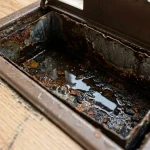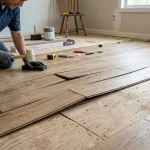

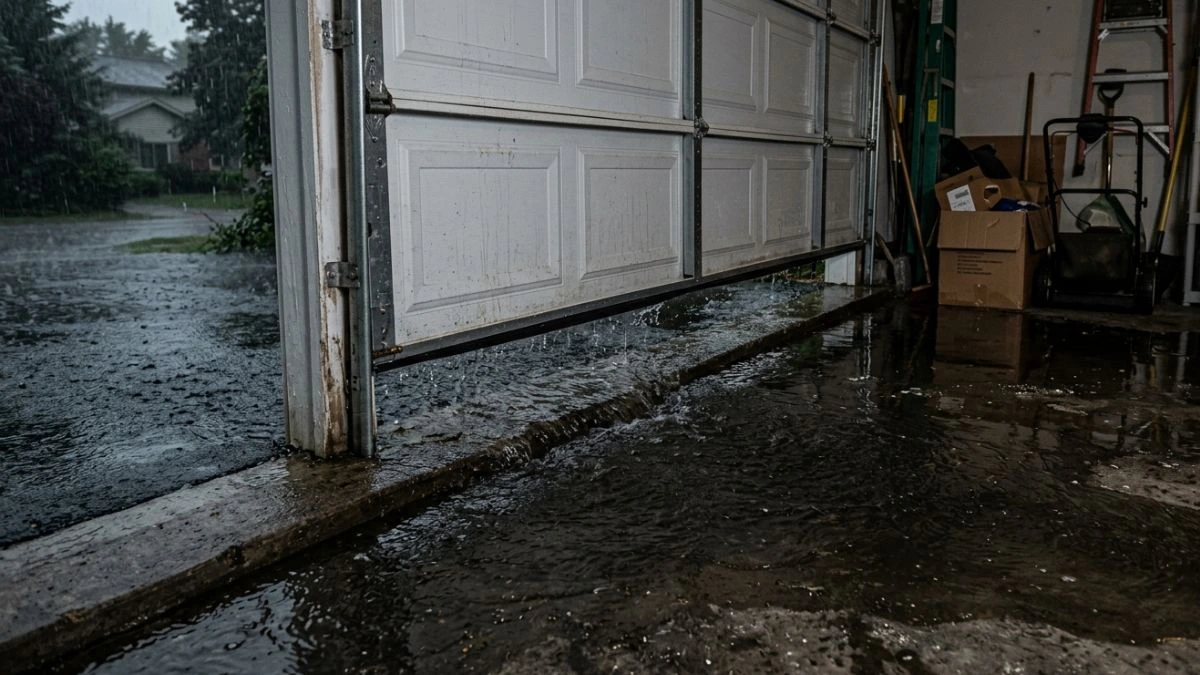
Is water coming under your garage door? That’s a problem you don’t want to ignore.
Even a small leak can turn into costly damage over time. You might notice damp floors, mold, or even structural issues if water keeps sneaking in. But don’t worry—understanding why this happens and how to fix it can save you a lot of stress and money.
Causes Of Water Entry
Water coming under a garage door can cause damage to belongings and the garage structure. Common reasons include worn seals, poor installation, drainage issues, and foundation cracks. Each cause creates a path for water to seep inside, especially during heavy rain or snow melting. Fixing these problems stops water from entering and keeps your garage dry.
Poor Garage Door Seal
The garage door seal is the first barrier that stops water from entering. Over time, seals can wear out, crack, or become loose. A poor seal allows water to flow under the door easily.
Signs of a poor garage door seal:
- Visible gaps between the door and floor
- Cracked or brittle rubber strips
- Water stains near the base of the door
- Dirt and debris build-up on the seal
Types of garage door seals:
| Seal Type | Description | Lifespan |
| Vinyl Sweep | Flexible and common for most doors | 3-5 years |
| Rubber Sweep | Durable and weather-resistant | 5-7 years |
| Brush Seal | Good for uneven floors | 4-6 years |
Replacing a worn seal is easy and affordable. Check the seal every year and clean it regularly to extend its life. A tight seal reduces water entry and improves energy efficiency.
Improper Door Installation
Incorrect garage door installation leads to water entry. If the door is not level or the frame is misaligned, gaps form under or around the door. These gaps let water flow inside during storms.
Common installation mistakes include:
- Door not sitting flush with the floor
- Uneven or warped door panels
- Loose or missing weatherstripping
- Wrong door size for the opening
Professional installation ensures the door fits perfectly and seals tightly. Proper setup includes:
- Leveling the door with a spirit level
- Securing the frame firmly to the wall
- Installing high-quality weatherstripping
- Testing door movement to avoid gaps
Improper installation can cause other problems, such as noise and difficulty opening the door. Fixing installation issues improves garage protection from water and other elements.
Sloping And Drainage Issues
The land and floor slope near your garage affect water flow. If the ground or floor slopes toward the garage, water pools near the door. This standing water eventually seeps inside.
Drainage problems include:
- Floor slope directing water inside
- Poor or clogged gutters and downspouts
- No drainage channels or trench drains
- Soil settling near the foundation
Proper sloping recommendations:
- Ground should slope away at least 6 inches within 10 feet
- Garage floor should slope away from the door
- Install gutters and downspouts to carry water far away
- Use trench drains or channel drains if needed
These steps help move water away from the garage door. Regularly inspect and clean gutters and drainage systems. Poor drainage increases risk of water damage and mold growth.
Cracks And Gaps In Foundation
Foundation cracks and gaps create direct paths for water to enter the garage. Water can flow through even small openings during heavy rain or snow melt.
Causes of foundation cracks and gaps:
- Soil movement or settling
- Temperature changes causing expansion and contraction
- Poor construction or use of low-quality materials
- Heavy loads or vibrations near the garage
How to spot foundation problems:
- Visible cracks in concrete walls or floor
- Uneven garage floor
- Water stains or damp spots near cracks
- Musty smells or mold growth
Sealing cracks with epoxy or polyurethane is effective for small gaps. Larger foundation issues require professional repair. Fixing cracks stops water entry and maintains garage stability.
Identifying Water Entry Points
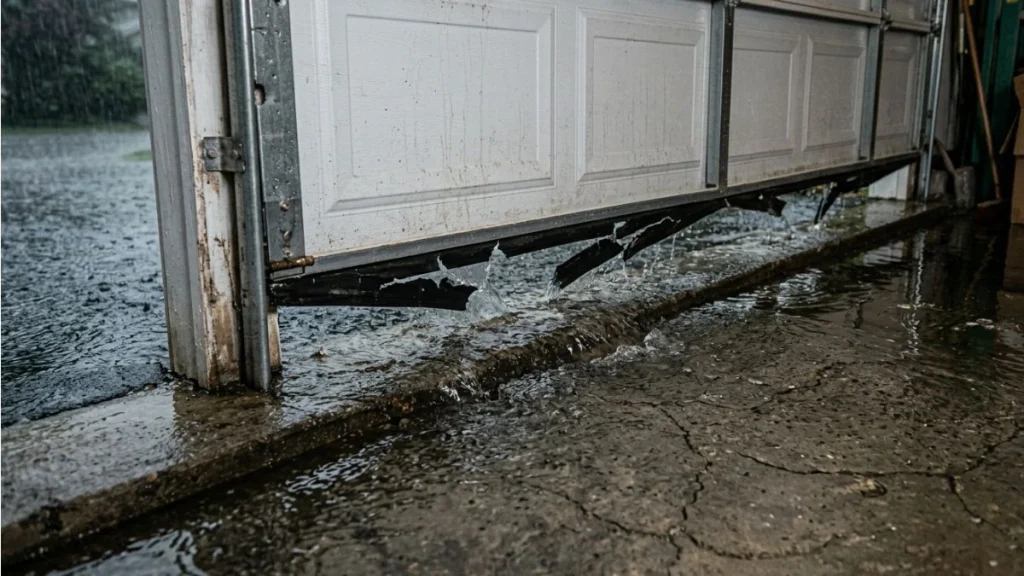
Water coming under the garage door can cause serious problems. It may damage floors, walls, and stored items. Finding exactly where water enters helps to stop leaks fast. Identifying water entry points is the first step in fixing the issue.
Visual Inspection Tips
Start by carefully looking around the garage door area. Check the door’s bottom edge for gaps or cracks. Small openings let water seep inside. Look at the door frame and the floor joint for damage or missing weatherstripping. Weatherstripping helps keep water out. If it is old or cracked, water can enter easily.
- Look for cracks in concrete or gaps between the door and floor.
- Check the seal around the door for wear or damage.
- Inspect the door panels for dents or holes.
- Examine the threshold for rust or warping.
Use a flashlight to see darker spots under the door or frame. Shine it at different angles to detect small holes or damage. Also, pay attention to any uneven surfaces. Water follows the path of least resistance. Low spots in the floor or frame gaps often let water inside.
Signs Of Water Damage
Water damage often shows clear signs inside the garage. Look for discoloration on walls or floors. Water stains usually appear as dark or light patches. Damp or soft spots on wood or drywall mean water has soaked in. Mold and mildew growth also signal water problems. These fungi grow in moist places and cause bad smells.
- Check for peeling paint or bubbling on walls near the door.
- Look for warped or swollen wood trim or flooring.
- Notice any musty odors that indicate mold presence.
- Feel the floor and walls for dampness or softness.
Water damage can weaken the structure over time. Early signs are often subtle but important. Catching damage early helps avoid costly repairs later. Keep an eye on these signs after heavy rain or snow melt. Regular checks help find problems before they get worse.
Using Water Tests
Water tests help find exact entry points. Use a hose or bucket to pour water along the outside of the garage door. Do this slowly and in small sections. Watch inside for leaks while spraying. Testing this way shows where water passes through.
- Close the garage door tightly before testing.
- Start spraying water near the door corners.
- Move water stream along the base and sides of the door.
- Have someone watch inside for any water coming through.
Try testing different water pressures. Low pressure shows leaks from small cracks. High pressure may reveal bigger gaps or faulty seals. After testing, dry the area well. Note spots where water entered for repair work. This simple test is effective and uses common tools.
Repair Options
Water coming under the garage door causes damage and inconvenience. It can ruin stored items, create mold, and weaken your garage floor. Fixing this issue fast protects your home and keeps your garage dry. Several repair options help stop water from seeping inside.
Replacing Garage Door Seals
The most common cause of water under the garage door is worn-out seals. Garage door seals block water and dirt from entering gaps at the bottom. Over time, seals crack, shrink, or become loose. Replacing them restores the barrier and stops leaks.
Steps to replace garage door seals:
- Measure the old seal length to buy the correct size.
- Remove the worn seal by pulling it out of the track or adhesive.
- Clean the door bottom to remove dirt and old adhesive.
- Install the new seal by sliding it into the track or sticking it on.
- Test the door closure to ensure a tight fit on the floor.
Types of garage door seals:
| Seal Type | Description | Durability | Cost |
| Bulb Seal | Round, hollow rubber seal | High | $$ |
| Vinyl Sweep | Flat vinyl strip with fins | Medium | $ |
| Brush Seal | Bristle brush attached to door bottom | Medium | $$ |
Replacing seals is affordable and easy. It improves insulation and prevents water entry. Check seals yearly and replace if cracked or missing.
Adjusting Door Alignment
Water enters when the garage door does not close evenly. Misalignment leaves gaps between the door and floor. Proper alignment ensures a tight seal and stops leaks.
Common alignment problems:
- Door hangs unevenly on one side.
- Door bottom does not rest flat on the floor.
- Tracks are bent or loose.
- Rollers are worn or stuck.
How to adjust garage door alignment:
- Inspect tracks and rollers for damage or dirt.
- Tighten loose bolts and screws on tracks and hinges.
- Use a level to check the door’s horizontal position.
- Adjust the track height by loosening brackets and moving tracks.
- Replace bent tracks or worn rollers as needed.
- Test the door by opening and closing to confirm smooth movement.
Proper alignment prevents gaps and reduces strain on door parts. It extends the life of your garage door and keeps water outside.
Concrete Repair And Resurfacing
Damaged or uneven concrete at the garage entrance allows water to pool and seep inside. Cracks and low spots direct water under the door. Repairing concrete fixes drainage and prevents leaks.
Signs you need concrete repair:
- Visible cracks or holes near the door.
- Uneven surface or dips in the floor.
- Water puddles after rain.
Repair methods include:
| Method | Description | Best For |
| Crack Filling | Use epoxy or concrete filler to seal small cracks. | Minor cracks and surface damage |
| Resurfacing | Apply a thin concrete overlay for a smooth, level surface. | Uneven surfaces and worn floors |
| Partial Replacement | Remove and pour new concrete in damaged areas. | Severe cracks and deep damage |
Concrete repair improves water drainage. It also enhances garage appearance and safety. Regular maintenance prevents costly replacements.
Installing Thresholds And Water Barriers
Thresholds and water barriers act as extra shields against water entry. They create a raised edge or channel that blocks water flow under the door.
Types of thresholds and barriers:
- Rubber Thresholds: Flexible strips that stick to the floor.
- Aluminum Thresholds: Durable metal strips with rubber inserts.
- Water Barriers: Raised strips or channels installed along the door base.
Installation tips:
- Clean the floor surface before installation.
- Measure and cut threshold to fit door width.
- Use strong adhesive or screws to secure it.
- Check door clearance to avoid damage when closing.
Thresholds and water barriers provide a simple, effective solution. They work well with door seals and concrete repairs to keep your garage dry.
Maintenance Tips
Water coming under the garage door can cause damage and create a mess. Maintenance helps keep water out and protects your garage. Simple steps can stop leaks and keep your garage dry. Regular care saves money and avoids big repairs later.
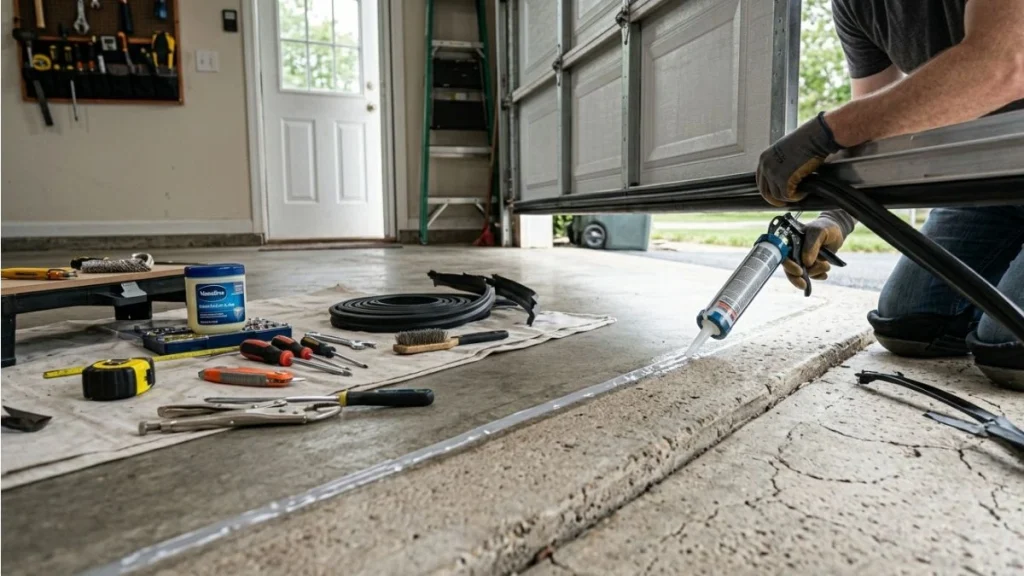
Regular Seal Inspection
Check the garage door seal often. The seal blocks water from entering under the door. Look for cracks, gaps, or wear in the seal. A damaged seal lets water and dirt inside.
- Inspect the bottom seal: Examine the rubber or vinyl strip along the door’s bottom edge.
- Look for hard or brittle areas: These lose flexibility and seal poorly.
- Check for gaps: Make sure the seal fits tightly against the floor.
Replace the seal if it is torn or no longer flexible. Use weather-resistant material for longer life.
| Seal Condition | Action Needed |
| Intact and flexible | Clean and keep in place |
| Cracked or brittle | Replace immediately |
| Loose or missing | Reattach or install new seal |
Clearing Drainage Paths
Water can pool near the garage door if drainage is blocked. Clear gutters and drains near the garage door regularly. Remove leaves, dirt, and debris that stop water flow.
Check the slope of the driveway and ground near the door. Water should flow away from the garage. Fix low spots that hold water.
- Clean gutters and downspouts to avoid overflow.
- Clear any drains or channels near the door.
- Make sure soil and mulch slope away from the garage.
- Use a small shovel or hose to remove blockages.
Good drainage reduces water pressure on the garage door seal. This helps prevent leaks and water damage.
Seasonal Garage Door Checks
Check your garage door each season. Weather changes can affect door materials and seals. Cold weather can make seals stiff. Heat can cause warping or gaps.
Perform these steps every season:
- Inspect the door’s bottom seal and side weather stripping.
- Look for cracks, tears, or loose parts.
- Test door operation and check for smooth opening and closing.
- Lubricate moving parts to keep the door working well.
- Check drainage near the door for blockages.
Seasonal checks catch problems early. Fix issues before heavy rain or snow. This keeps your garage dry and safe year-round.
Read Also: Garage Door Concrete Threshold Repair
Conclusion
Water under your garage door can cause serious damage over time. Act quickly to find the source and stop the leak. Check for cracks, poor seals, or drainage problems. Simple fixes often prevent costly repairs later. Keeping your garage dry protects your belongings and home.
Regularly inspect your garage door area, especially after rain. Small steps make a big difference. Stay alert to any signs of water. Protect your garage, protect your home.