

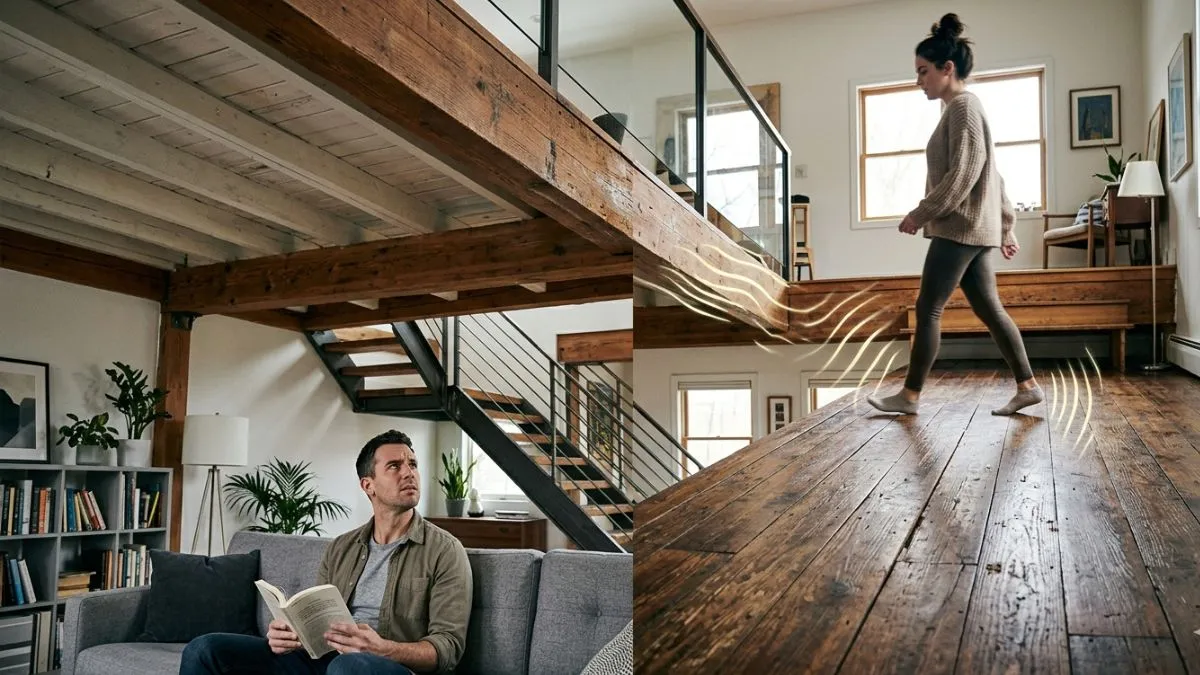
Have you ever been sitting quietly in your living room when suddenly, the creaks and thuds from the second floor start to grab your attention? That annoying noise every time someone walks upstairs can disrupt your peace and make your home feel less comfortable.
If you’re wondering why your second floor makes so much noise and how to fix it, you’re in the right place. Keep reading, because understanding the cause of these sounds can help you enjoy a quieter, more relaxing home.
Causes Of Second Floor Noise
Second floor noise when walking can disrupt the quiet of your home. Understanding the causes helps in finding the right fix. Many factors create these sounds, from how the building is made to the materials used. Identifying the root causes can reduce noise and improve comfort.
Structural Design Factors
The way a house is built plays a big role in second floor noise. Floors and ceilings connect different parts of the structure. Some designs pass sound more easily than others. Here are key design factors that affect noise:
- Joist Spacing: Wide spaces between joists can allow more floor movement, causing creaks.
- Joist Material: Wood joists may flex more than steel or engineered lumber.
- Support Beams: Poorly supported beams can sag, increasing noise when stepped on.
- Floor Type: Suspended floors tend to make more noise than concrete slabs.
Proper structural design reduces noise transfer and floor movement. Buildings with tight, well-supported framing tend to be quieter upstairs.
Flooring Materials
Flooring material greatly affects noise. Some materials absorb sound well. Others reflect or amplify it. Hard floors tend to create more impact noise.
Common flooring types and their noise traits:
- Hardwood: Solid and often noisy with footsteps. Can creak if loose.
- Carpet: Soft and absorbs sound. Reduces footstep noise.
- Laminate: Hard surface that can amplify noise if not installed with underlayment.
- Tile: Very hard and echoes footsteps. Often noisy without rugs.
Noise reduction depends on the flooring surface and installation. For example, adding a sound-absorbing underlay beneath laminate cuts noise by half.
| Flooring Type | Noise Level | Sound Absorption |
| Carpet | Low | High |
| Hardwood | Medium to High | Low |
| Laminate with Underlayment | Medium | Medium |
| Tile | High | Low |
Choosing the right flooring helps control second floor noise significantly. Soft materials are best for quiet walking.
Subfloor Issues
The subfloor is the layer beneath the visible floor surface. It supports the flooring and transmits weight. Problems with the subfloor cause noise and creaks.
Common subfloor problems include:
- Loose Fasteners: Nails or screws that have loosened allow movement and noise.
- Warped or Damaged Subfloor: Moisture or age can warp the subfloor, creating gaps and squeaks.
- Insufficient Support: Lack of blocking or bridging between joists lets the subfloor flex more.
- Improper Installation: Gaps between subfloor panels can rub and cause noise.
Signs of subfloor problems:
- Floor creaks or pops when walked on.
- Visible gaps or movement under the flooring.
- Uneven or bouncy floor areas.
Fixing subfloor issues often involves tightening fasteners, adding support, or replacing damaged sections. This reduces noise and improves floor stability.
Impact Of Footwear
Footwear affects how much noise walking upstairs creates. Different shoes make different sounds on floors.
- Hard-soled shoes: Create loud, sharp impacts on hard floors.
- Soft-soled shoes: Quieter with more cushioning.
- High heels: Concentrate weight on small points, causing loud taps and potential floor damage.
- Socks or barefoot: Produce the least noise.
Changing footwear inside the house can cut down on second floor noise greatly. Soft soles or socks help keep noise low.
Common Noise Types
Second floor noise when walking can disturb your peace and affect your home’s comfort. These sounds often come from the floor structure and materials. The most frequent noises include creaking sounds, thumping noises, and squeaking floors. Each type has unique causes and solutions.
Creaking Sounds
Creaking sounds are the most common noise heard from second floors. They happen when wooden floorboards rub against each other or the nails and joints shift slightly. This rubbing creates a sharp, high-pitched noise that can be annoying. Creaks often occur in older homes or where wood has dried and shrunk over time.
Common causes of creaking sounds:
- Loose floorboards
- Wood shrinking due to low humidity
- Nails or screws loosening
- Joists that move slightly under weight
Fixing creaking sounds may involve:
- Adding screws or nails to secure loose boards
- Using lubricant between boards
- Installing shims to fill gaps
Thumping Noises
Thumping noises feel heavy and dull. They sound like someone is pounding on the floor. Thumps often come from impact on the floor’s surface or from loose subfloor materials. This noise can disturb people below or in adjacent rooms.
Typical causes of thumping noises include:
- Heavy footsteps or dropped objects
- Loose floorboards or subfloor panels
- Hollow spaces under the floor
- Unsecured insulation or debris
Ways to reduce thumping noises:
- Use soft-soled shoes or rugs
- Secure loose boards and subflooring
- Add padding or insulation under the floor
Squeaking Floors
Squeaking floors create a high-pitched noise during walking. This sound is similar to creaking but usually sharper and continuous with each step. Squeaks happen when floorboards or subflooring rub against nails, screws, or each other.
Common reasons for squeaking floors:
- Gaps between floorboards
- Worn or loose fasteners
- Floor joists that shift
- Changes in wood moisture levels
To stop squeaking floors, try:
- Driving screws through floorboards into joists
- Applying powdered graphite or talcum powder between boards
- Adding shims to fill space between joists and subfloor
Simple maintenance can prevent squeaks from getting worse. Regularly check floor stability and fix loose parts early. This keeps your second floor quiet and comfortable.
Inspecting The Problem

Second floor noise when walking can be annoying and distracting. It often signals a problem in the floor structure or materials. Inspecting the problem helps find the cause of the noise. Early detection can prevent further damage. This section guides through simple steps to check your second floor.
Identifying Noise Sources
Start by noticing where the noise happens most. Walk slowly across different parts of the floor. Pay attention to:
- Areas with loose or squeaky spots.
- Floor edges near walls.
- Places over beams or supports.
- Spaces with visible gaps or damage.
Use a flashlight to look under the floor if possible. Sometimes noise comes from below the floor surface. Check for:
- Loose floorboards.
- Debris caught between boards.
- Signs of moisture or mold.
Note the type of noise. Is it a squeak, creak, or knocking sound? Different noises can point to different issues. A table below shows common noise types and possible causes.
| Noise Type | Possible Cause |
| Squeak | Friction between loose floorboards or subfloor |
| Creak | Movement in floor joists or support beams |
| Knock | Loose fasteners or nails hitting wood |
Checking Floor Joists
Floor joists support the floor structure. Damaged or weak joists cause noise and instability. Inspect joists carefully for:
- Cracks or splits in the wood.
- Signs of rot or water damage.
- Loose connections where joists meet beams.
- Warping or bending under weight.
Access the joists from the basement or crawl space. Use a flashlight and a small mirror for hard-to-see areas. Tap each joist gently with a hammer. Listen for hollow sounds indicating rot or damage.
Examining Fasteners And Nails
Fasteners like nails and screws hold the floor together. Loose or missing fasteners cause movement and noise. Inspect these areas closely:
- Edges of floorboards where they meet joists.
- Areas with visible gaps or lifting boards.
- Places where boards feel loose underfoot.
Use a hammer to tap nails gently. Loose nails can often be heard rattling or moving. Screws may need tightening with a screwdriver. Replace any missing or damaged fasteners.
Common fastener issues include:
- Nails backing out over time.
- Screws not fully seated.
- Wrong type of fastener for the floor material.
Here is a basic guide to fastener inspection and maintenance:
| Fastener Issue | How to Fix |
| Loose nail | Hammer it back in or replace with a screw |
| Missing fastener | Insert a new nail or screw |
| Wrong fastener type | Replace with appropriate floor fastener |
Proper fastener care keeps floors stable. It reduces noise and extends floor life.
DIY Fixes For Floor Noise
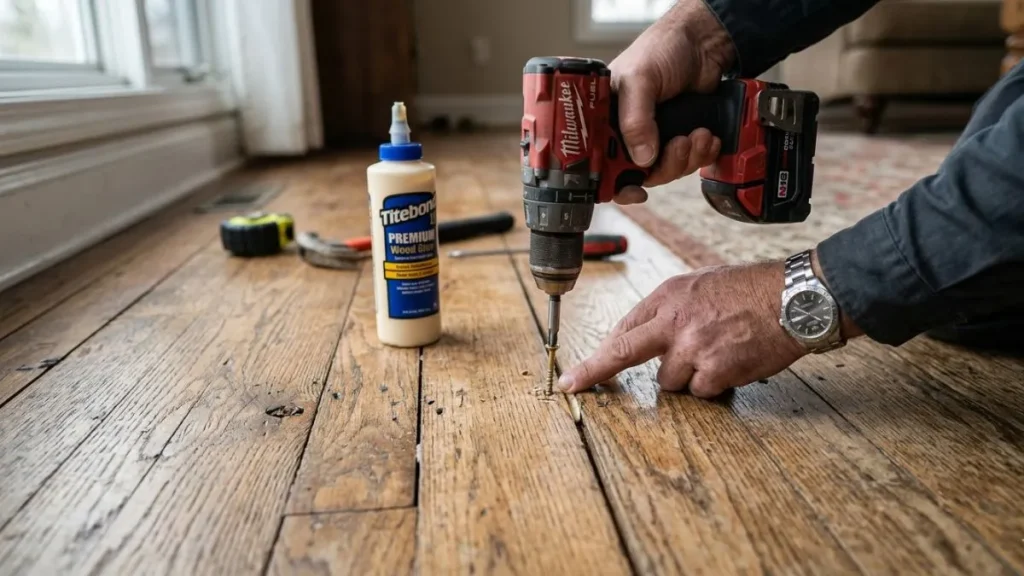
Floor noise on the second floor can be annoying and distracting. It often happens because of loose boards, gaps, or weak support under the floor. Many people think fixing these noises requires experts and costly repairs. The truth is, some simple DIY fixes can reduce or stop the noise quickly. These fixes save money and make your home more comfortable. Below are easy ways to fix noisy floors using common tools and materials.
Tightening Loose Boards
Loose floorboards create gaps that cause noise when you walk. Tightening these boards can stop the squeaks and creaks. Start by finding the loose boards by walking slowly and listening carefully. Mark these spots with a pencil.
Follow these steps to tighten loose boards:
- Use a drill and screws to secure the loose boards to the floor joists below.
- Drive screws at an angle near the edges of each board.
- Make sure the screws are flush or slightly below the board surface to avoid damage.
- Fill screw holes with wood filler to keep the floor smooth and neat.
- Sand the area lightly after the filler dries for an even finish.
Note: Avoid using nails alone, as they can loosen over time and cause more noise.
| Tool/Material | Purpose |
| Drill with screwdriver bit | Drive screws securely into floorboards |
| Wood screws | Hold loose boards tightly in place |
| Wood filler | Fill holes for smooth surface |
| Sandpaper | Level filled holes for finish |
Repeat the process on all noisy boards. This method works well for hardwood and plywood floors.
Lubricating Squeaky Areas
Squeaks often come from friction between wood parts rubbing together. Adding lubrication reduces this friction and quiets the noise. Several household items work well as lubricants.
Try these options for lubricating squeaky floors:
- Talcum powder or baby powder: Sprinkle between floorboards and sweep into cracks.
- Graphite powder: Use a small brush to apply into tight gaps.
- Petroleum jelly: Rub a small amount along the joints.
Steps to lubricate squeaky spots:
- Locate the noisy areas by walking slowly and listening.
- Apply the chosen lubricant carefully into the cracks.
- Work the lubricant into the gaps by pressing or tapping the boards lightly.
- Clean off any excess lubricant from the surface to avoid staining.
Tip: Avoid using water-based lubricants, as they can cause wood to swell or damage the floor finish.
| Lubricant | Best Use | Notes |
| Talcum powder | Loose boards with small gaps | Easy to apply; no staining |
| Graphite powder | Tight cracks and joints | Long-lasting lubrication |
| Petroleum jelly | Visible joints and gaps | Apply sparingly to avoid mess |
This fix is quick and effective. It works best for minor squeaks without structural issues.
Adding Support Braces
Weak or damaged floor joists can cause floor movement and noise. Adding support braces underneath the floor strengthens the structure and stops noise.
Steps to add support braces:
- Locate the joists under the noisy floor area. Use a flashlight if needed.
- Measure the space between joists and cut wooden braces to fit tightly.
- Attach the braces perpendicular to the joists using screws or nails.
- Make sure braces fit snugly and do not move.
- Check for any damaged joists and replace if necessary.
Important: Wear safety gear when working under floors. Use a sturdy ladder and proper lighting.
| Material | Purpose |
| 2×4 wooden boards | Support braces between joists |
| Wood screws or nails | Secure braces to joists |
| Measuring tape | Measure brace length |
| Drill or hammer | Attach braces firmly |
Adding support braces reduces floor movement and noise. This solution helps with serious squeaks caused by weak structure.
Professional Solutions
Second floor noise when walking can disturb the entire home. Loud creaks, thuds, or rattles often come from flooring issues or structural gaps. Professional solutions target these problems with lasting fixes. They reduce noise and improve comfort. Skilled experts assess the cause and apply the right method. These methods include installing soundproofing, replacing damaged flooring, and consulting structural experts for complex issues. Each approach works to make your upstairs quieter and your home peaceful.
Installing Soundproofing
Soundproofing reduces noise by blocking or absorbing sound waves. It is a common solution for noisy floors. Soundproof materials stop footsteps and vibrations from traveling below. Professionals use various techniques and products to install soundproofing under the floor or between joists.
Common soundproofing materials include:
- Mass Loaded Vinyl (MLV): A heavy, flexible layer that blocks sound.
- Acoustic Mats: Foam or rubber mats that absorb impact noise.
- Insulation Batts: Fiberglass or mineral wool fitted between floor joists.
- Resilient Channels: Metal strips that separate the floor surface from joists, reducing vibration.
Installation steps usually follow this order:
- Remove existing floorboards if needed.
- Place soundproof material between joists or beneath flooring.
- Secure materials properly to avoid gaps.
- Reinstall or replace floorboards.
| Material | Benefit | Cost Range (per sq ft) |
| Mass Loaded Vinyl | Blocks airborne noise effectively | $2 – $4 |
| Acoustic Mats | Absorbs impact sounds | $1.5 – $3 |
| Insulation Batts | Reduces sound transmission | $0.5 – $2 |
Soundproofing works best in new builds or during major renovations. It adds a layer of quiet and comfort to your home. Professionals ensure proper fit and finish for maximum noise reduction.
Replacing Damaged Flooring
Damaged flooring often causes loud noises upstairs. Warped, cracked, or loose boards shift underfoot and create creaks or thuds. Replacing the flooring removes the problem source and restores stability.
Steps for replacing damaged flooring:
- Inspect the entire floor to find damaged areas.
- Remove old or broken floorboards carefully.
- Check subfloor and joists for damage.
- Replace or repair subfloor if needed.
- Install new flooring boards or panels.
- Secure boards tightly with nails or screws.
- Finish with sanding and sealing if required.
Common flooring materials include hardwood, engineered wood, laminate, and vinyl. Each has different noise levels and durability:
| Floor Type | Noise Level | Durability | Cost (per sq ft) |
| Hardwood | Moderate | High | $5 – $10 |
| Engineered Wood | Low to Moderate | Moderate | $4 – $8 |
| Laminate | High | Moderate | $2 – $5 |
| Vinyl | Low | Moderate | $2 – $6 |
Replacing damaged flooring improves noise control and safety. Proper installation prevents future creaks. Professionals can recommend the best materials for quieter floors.
Consulting Structural Experts
Persistent floor noise may signal deeper structural issues. Experts analyze the building framework to find hidden problems. They check joists, beams, and subfloors for weakness or damage. Consulting structural experts ensures safe, effective repairs.
What structural experts do:
- Perform detailed inspections using tools like moisture meters and cameras.
- Identify wood rot, loose nails, or weak joints.
- Assess if floor joists are spaced correctly or overloaded.
- Recommend reinforcement or replacement of damaged components.
- Design solutions that align with building codes and safety standards.
Structural repairs may include:
- Sistering joists by adding new wood alongside old ones.
- Installing additional support beams or posts.
- Replacing rotten or broken joists.
- Securing loose subfloor panels.
Structural experts help avoid costly damage and accidents. Their reports guide contractors for precise, lasting fixes. Investing in expert advice protects home value and comfort.
Preventing Future Noise
Noise from footsteps on the second floor can disturb everyone below. Preventing future noise helps keep your home peaceful. Simple steps can reduce sound and stop it from getting worse. Careful choices and regular upkeep make a big difference.
Choosing Quiet Flooring Options
Picking the right flooring is key to cutting down noise. Some materials absorb sound better than others. Hard floors like wood or tile often make more noise. Soft floors reduce noise by cushioning each step.
Here are some good quiet flooring options:
- Carpet: Thick and soft, it cuts noise well.
- Cork: Natural and sound-absorbing.
- Vinyl: Softer than tile, less noisy.
- Rubber flooring: Great for noise reduction.
Compare these flooring types:
| Floor Type | Noise Level | Durability | Cost |
| Carpet | Low | Medium | Medium |
| Cork | Low | Medium | High |
| Vinyl | Low to Medium | High | Low to Medium |
| Hardwood | High | High | High |
Soft floors absorb sound and reduce echo. Hard floors reflect sound and cause noise. Choose floors that suit your budget and noise needs. Quiet floors create calm living spaces.
Regular Maintenance Tips
Regular care keeps floors quiet and in good shape. Loose boards or gaps can cause creaks and noise. Fixing small problems early stops big noise issues later.
Follow these simple maintenance tips:
- Tighten loose floorboards: Use a screwdriver or nails.
- Fill gaps: Use wood filler or caulk to close spaces.
- Check underlay: Ensure padding under floors is intact.
- Lubricate squeaky spots: Sprinkle talcum powder or use silicone spray.
- Inspect stairs: Tighten railings and steps to reduce noise.
Maintenance tools you may need:
| Tool | Purpose |
| Screwdriver | Tighten loose boards |
| Wood filler | Fill cracks and gaps |
| Talcum powder | Stop squeaks |
| Silicone spray | Lubricate joints |
Routine checks prevent noise growth. Small fixes keep floors steady and quiet. Regular care saves money and stress later.
Using Rugs And Carpets
Rugs and carpets are easy ways to reduce footstep noise. They add a soft layer that absorbs sound. Use them in high-traffic areas for best effect.
Types of rugs and carpets to consider:
- Thick wool rugs: Natural and good at noise absorption.
- Shag rugs: Deep pile softens sound.
- Carpet runners: Perfect for hallways and stairs.
- Area rugs: Cover large spaces and reduce echo.
Tips for using rugs effectively:
- Place rugs where foot traffic is highest.
- Use non-slip pads to keep rugs in place.
- Layer rugs for extra soundproofing.
- Clean regularly to keep fibers soft.
Rugs reduce impact noise by cushioning footsteps. They also add warmth and style to rooms. Even small rugs help cut noise significantly.
You May Also Like: How to Replace Subfloor under Load Bearing Wall
Conclusion
Noisy floors can disrupt your peace at home. Simple fixes often reduce or stop the sounds. Adding rugs or padding helps a lot. Tightening loose boards can also make a difference. Quiet floors create a calm, comfortable space. Try small changes first before big repairs.
Your home should feel cozy and quiet. Keep testing solutions until the noise fades. Small steps lead to better living conditions. Don’t let floor noise disturb your daily life.


