

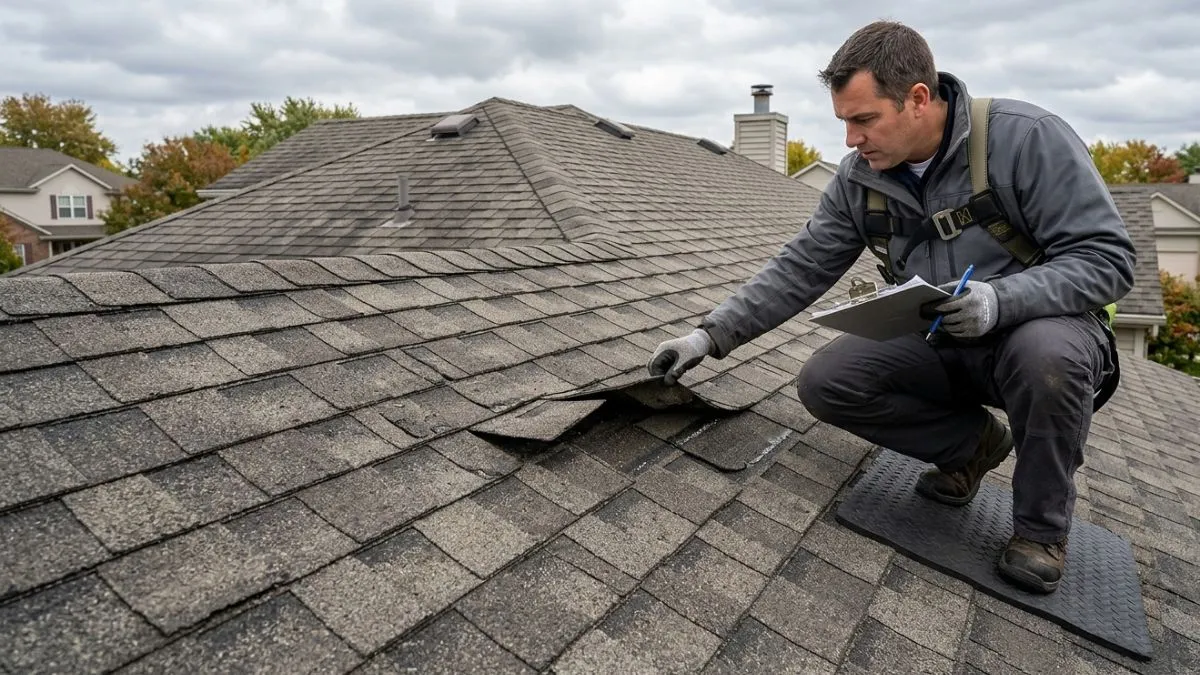
Is your roof acting up because the shingles aren’t sealing properly? If you’ve noticed gaps, leaks, or shingles lifting in the wind, it’s a sign that your roof might be at risk.
When roof shingles fail to seal, it can lead to water damage, costly repairs, and even weaken your home’s protection. But don’t worry—understanding why this happens and what you can do about it is easier than you think. Keep reading to discover the common causes behind roof shingles not sealing and the simple steps you can take to fix the problem before it gets worse.
Common Causes Of Shingles Not Sealing
Roof shingles are designed to seal tightly, protecting your home from water and weather damage. When shingles fail to seal properly, it can lead to leaks, drafts, and roof deterioration. Several factors affect the sealing ability of shingles, ranging from environmental conditions to human errors. Knowing these causes can save money and extend roof life.
Weather And Temperature Effects
Weather plays a major role in whether shingles seal correctly. Shingles rely on heat to activate the adhesive strip that bonds them together. Cold or fluctuating temperatures can stop this process.
- Cold Weather: When shingles are installed in cold weather, the adhesive may not activate well. This leaves shingles loose and unsealed.
- Heat Exposure: Excessive heat can soften shingles too much, causing them to warp or stick improperly.
- Rapid Temperature Changes: Quick shifts between hot and cold can cause shingles to expand and contract. This movement can break the seal.
- Moisture: Rain or dew during installation can prevent adhesive from bonding shingles properly.
Manufacturing Defects
Sometimes, shingles fail to seal due to problems made during production. Manufacturing defects can affect the quality of the adhesive strip and the overall shingle design.
- Weak Adhesive: Some shingles come with a weak or uneven adhesive layer. This prevents a strong bond between shingles.
- Inconsistent Thickness: Uneven shingle thickness causes poor alignment and gaps.
- Material Flaws: Defects in the fiberglass mat or asphalt coating reduce shingle durability.
- Expired or Poor Storage: Shingles stored too long or in bad conditions lose adhesive strength.
Signs of manufacturing defects include:
- Shingles peeling after short time
- Visible gaps or cracks along edges
- Uneven surface or curling
- Sticky residue missing or patchy
Choosing shingles from reputable brands and checking for warranties help avoid defective products.
Improper Installation
Incorrect shingle installation is a leading cause of poor sealing. Even the best shingles fail if not installed properly.
Common installation mistakes include:
- Wrong Nailing: Nails placed too high or too low disrupt the seal and allow water entry.
- Not Aligning Shingles Correctly: Misaligned shingles create gaps where water can seep through.
- Skipping Sealant Activation: Shingles need pressure and heat to activate adhesive. Lack of these means no seal.
- Installing in Poor Weather: Cold or wet conditions during installation cause poor bonding.
Proper installation steps to ensure sealing:
- Check weather forecast to avoid cold or wet days.
- Use correct nails and place them precisely.
- Align shingles carefully with manufacturer guidelines.
- Apply pressure or heat if needed to activate adhesive.
Professional roofing contractors follow these steps to prevent sealing failures and extend roof life.
Signs Of Poor Shingle Sealing
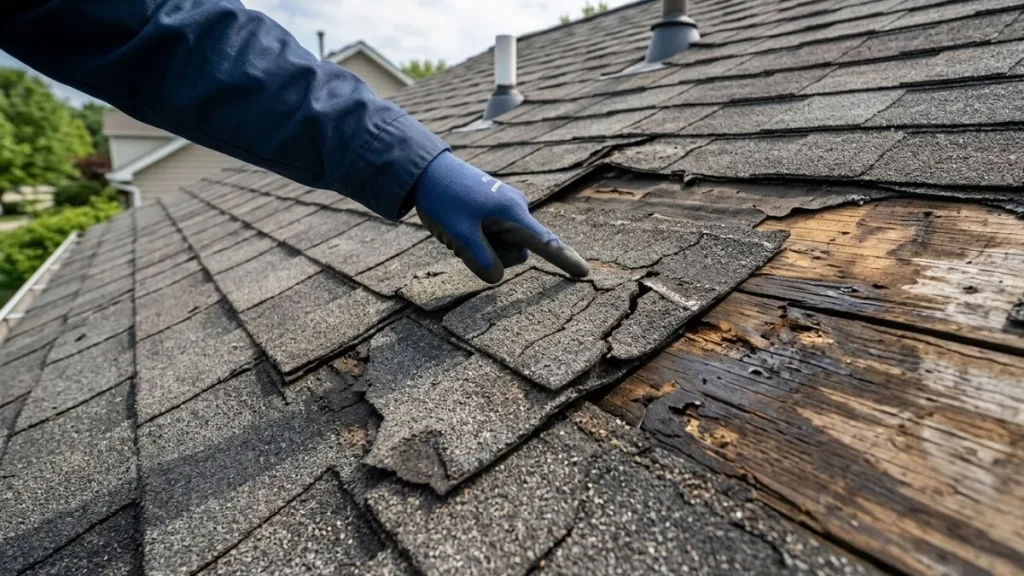
Roof shingles not sealing properly can lead to multiple problems that affect your home’s safety and comfort. Poor shingle sealing means the shingles do not stick or lock together as they should. This issue lets water, wind, and debris enter beneath the roof surface. Early detection of poor sealing signs helps prevent bigger repairs and higher costs.
Visible Gaps And Lifting
One clear sign of poor shingle sealing is visible gaps and lifting along the edges or corners of shingles. These gaps show the shingles are not fully attached to the roof or to each other. Gaps often appear as small spaces between shingles or shingles that look curled or raised.
- Shingles lifting during wind or rain
- Edges peeling away from the roof surface
- Uneven or wavy shingle appearance
Visible gaps allow water and debris to enter the roof layers. This damages the roof’s structure over time. The risk of shingle loss also increases when wind catches under lifted edges. Homeowners should check their roofs after storms or heavy winds.
| Cause of Lifting | Effect on Roof |
| Improper nail placement | Weak hold, shingles lift easily |
| Old or dry adhesive strips | Loss of seal between shingles |
| Poor roof installation | Uneven surface, gaps appear |
Water Leakage Issues
Poorly sealed shingles allow water to seep through the roof. This causes leaks inside the home, leading to stains, mold, and rot. Water leakage often shows up in the attic, ceilings, or walls. Detecting leaks early stops further damage.
Signs of water leakage:
- Dark spots on ceilings or walls
- Dripping water during rain
- Damp or musty smell in the attic
Water can damage insulation and wooden structures. It also lowers energy efficiency. Regular roof inspections help catch leaks caused by poor shingle sealing.
| Leak Location | Common Causes | Possible Damage |
| Roof deck | Gaps in shingles | Wood rot, mold |
| Attic | Water penetration | Insulation damage |
| Interior walls | Leaks spreading | Stains, peeling paint |
Wind Damage Vulnerability
Shingles that do not seal well become vulnerable to wind damage. Strong winds can lift or tear off loose shingles. This exposes the roof deck and weakens the entire roof system. Poor sealing reduces the roof’s ability to protect against harsh weather.
Wind damage signs include:
- Missing or cracked shingles after storms
- Edges flapping in the wind
- Granule loss on shingles
Wind damage repairs can be costly and dangerous. Maintaining good shingle sealing helps keep shingles tightly locked, reducing wind damage risks. Roofs with poor sealing often need more frequent repairs and replacements.
| Wind Speed | Effect on Poorly Sealed Shingles | Recommended Action |
| Up to 30 mph | Minor lifting, some granule loss | Monitor and repair loose shingles |
| 30-60 mph | Shingle tearing, missing pieces | Immediate roof inspection and repairs |
| Over 60 mph | Severe shingle damage, roof leaks | Professional roof replacement may be needed |
Impact On Roof Performance
Roof shingles not sealing properly can severely affect how well your roof works. The sealing keeps shingles locked together, creating a strong barrier against rain, wind, and sun. When this seal breaks or fails, the roof’s overall performance drops.
Reduced Weather Protection
Properly sealed shingles form a tight shield that keeps water, snow, and wind out. When shingles do not seal, this shield breaks, allowing weather elements to get inside.
- Water infiltration: Rainwater can seep under loose shingles, causing leaks and water damage inside the home.
- Wind damage: Unsealed shingles are easier to lift or blow off during strong winds.
- Snow and ice buildup: Gaps in sealing let ice dams form, increasing the risk of water entering the roof.
These issues reduce your roof’s ability to protect the home from harsh weather. The roof becomes vulnerable, leading to faster wear and tear.
| Weather Element | Effect of Poor Sealing | Risk Level |
| Rain | Water leaks through gaps | High |
| Wind | Shingles lift or blow off | Medium to High |
| Snow/Ice | Ice dams cause water damage | Medium |
Shortened Roof Lifespan
When shingles fail to seal, the roof faces constant stress from weather and moisture. This stress speeds up damage and reduces how long the roof lasts.
Unsealed shingles let moisture reach the roof deck, causing:
- Wood rot and mold growth
- Warping and weakening of structural parts
- Loss of protective granules on shingles
Repeated exposure to water and wind also causes shingles to crack and curl. These damages add up, cutting down the roof’s useful life by several years.
Here’s a simple comparison:
| Roof Condition | Typical Lifespan |
| Well-sealed shingles | 20-30 years |
| Unsealed/poorly sealed shingles | 10-15 years |
Increased Maintenance Costs
Unsealed shingles cause frequent problems that need fixing. This raises the cost of keeping the roof safe and functional.
Common maintenance issues include:
- Repeated patching of leaks
- Replacing blown-off or damaged shingles
- Fixing water damage inside the attic or ceilings
- Cleaning and treating mold or mildew growth
These repairs add up over time. Fixing small problems early costs less than major roof replacement later.
Cost comparison table:
| Type of Repair | Approximate Cost | Frequency |
| Leak patching | $150 – $400 | Multiple times a year |
| Shingle replacement | $200 – $600 | Once or twice a year |
| Water damage repair | $500 – $2000 | Occasional |
Ignoring sealing problems leads to higher expenses. Regular inspection and timely repair save money and protect the roof.
DIY Fixes For Sealing Problems
Roof shingles not sealing properly can lead to water leaks and roof damage. Many homeowners face this issue, especially after storms or harsh weather. Fixing sealing problems quickly helps protect your roof and home. Some repairs are simple and can be done without hiring a professional.
Using Roofing Cement
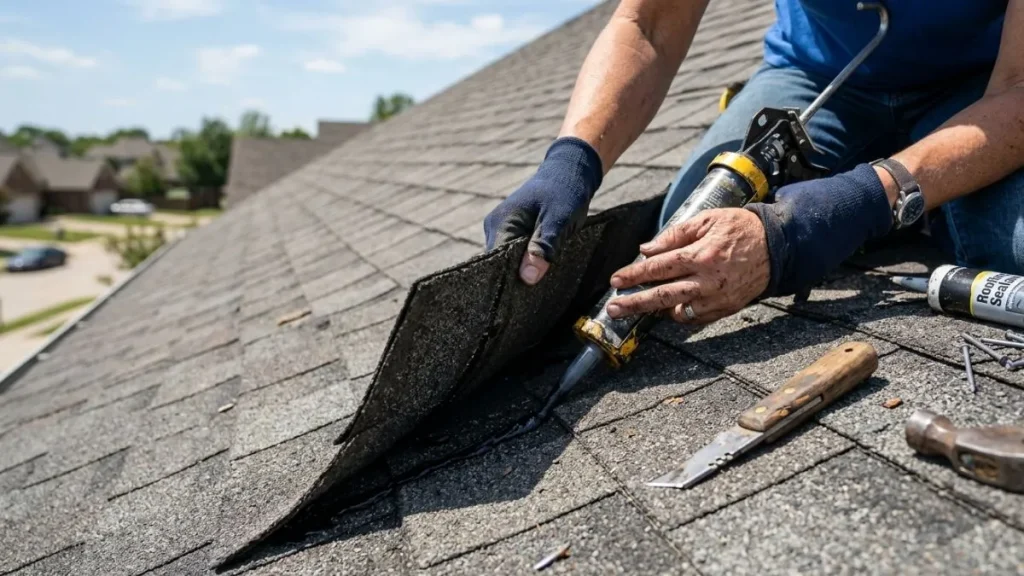
Roofing cement is a thick, sticky material that works well to seal loose or damaged shingles. It acts as a strong glue and waterproof barrier. This fix is best for small areas where shingles have lifted or cracks appear.
Steps to apply roofing cement:
- Clean the area around the loose shingle using a brush or cloth.
- Use a putty knife to apply a thick layer of roofing cement under the shingle edge.
- Press the shingle down firmly to ensure good contact.
- Spread extra cement on top of the shingle edge to seal completely.
- Allow it to dry for several hours before rain or moisture.
Benefits of using roofing cement:
- Easy to apply and widely available
- Creates a strong, waterproof bond
- Works well for temporary and small repairs
| Material | Use | Drying Time |
| Roofing Cement | Sealing loose shingle edges | 4-6 hours |
Note: Roofing cement works best on dry shingles and in dry weather.
Applying Heat To Activate Adhesive
Many shingles have a heat-activated adhesive strip underneath. This strip melts with heat and seals shingles tightly. Applying heat carefully can fix shingles not sealing after installation or weather damage.
How to apply heat safely:
- Use a roofing torch or heat gun at low settings.
- Hold the heat source about 6-12 inches away from the shingle.
- Move the heat evenly over the exposed adhesive area for 10-20 seconds.
- Press the shingle firmly down to bond the adhesive to the roof deck.
Important safety tips:
- Wear gloves and eye protection.
- Work slowly to avoid burning shingles.
- Never leave the heat source unattended.
- Only use this method on shingles with adhesive strips.
Applying heat restores the seal without extra materials. It is a quick fix but may need repetition after strong wind or rain.
Temporary Fastening Solutions
Temporary fixes help hold shingles in place until a permanent repair or replacement happens. These methods stop shingles from lifting or blowing away.
Common temporary fastening options:
- Roofing nails: Use galvanized nails to secure loose shingles carefully.
- Staples: Heavy-duty staples can hold shingles but may not last long.
- Construction adhesive: Apply a small amount under shingles for added hold.
How to install temporary fasteners:
- Lift the loose shingle gently.
- Place nails or staples near the shingle edge without breaking it.
- Avoid over-driving nails to prevent damage.
- Seal nail heads with roofing cement for waterproofing.
Temporary fasteners provide short-term relief. They keep shingles secure during storms or before full repairs. Always plan for a permanent fix soon after.
Read Also: Repair Roof Sheathing from Inside
Conclusion
Roof shingles not sealing can cause leaks and roof damage. Fixing the problem early saves money and stress later. Check your roof often for loose or damaged shingles. Clean debris and apply sealant as needed. Call a professional if the problem keeps coming back.
A well-sealed roof protects your home and family. Stay alert and act fast to keep your roof strong. Don’t wait until small issues become big problems. Taking care of your roof keeps your home safe and dry.


