


Have you ever wondered if pouring boiling water down your kitchen sink is safe? You might think it’s a quick way to clear clogs or clean your pipes, but is it really a good idea?
What if it causes more harm than good? Knowing the right answer can save you from costly repairs and keep your plumbing running smoothly. Keep reading to discover what actually happens when boiling water meets your kitchen sink and how you can protect your pipes the smart way.
Impact On Sink Materials
Pouring boiling water down the kitchen sink can affect the sink and its pipes in different ways. The impact depends on the materials used in your plumbing system. Some materials handle heat well, while others may suffer damage from high temperatures. Understanding how boiling water interacts with sink materials helps protect your plumbing and avoid costly repairs.
Effects On Stainless Steel
Stainless steel sinks and pipes are known for their durability and resistance to heat. Boiling water generally does not harm stainless steel. The metal can withstand high temperatures without warping or cracking. This makes stainless steel a good choice for kitchens where hot water is used often.
Here are key points about stainless steel and boiling water:
- Heat resistance: Stainless steel can handle boiling water without damage.
- Corrosion resistance: It resists rust and staining even after repeated exposure to hot liquids.
- Durability: Stainless steel sinks last a long time with proper care.
Still, avoid sudden temperature changes, like pouring boiling water into a very cold sink. This can cause thermal shock, leading to small dents or discoloration. Use warm water first to warm the sink before adding boiling water.
| Property | Effect of Boiling Water |
| Heat Resistance | Excellent, no damage |
| Corrosion | Minimal risk, stays rust-free |
| Structural Integrity | Maintains shape and strength |
Effects On Plastic Pipes
Plastic pipes vary, but many common types like polypropylene (PP) or polyethylene (PE) do not handle boiling water well. High temperatures can soften or warp these pipes. Repeated exposure to boiling water may cause leaks or cracks over time.
Consider these effects of boiling water on plastic pipes:
- Melting risk: Some plastics melt or deform above 140°F (60°C).
- Joint damage: Heat may weaken pipe joints and seals.
- Reduced lifespan: Pipes exposed to hot water often need earlier replacement.
Boiling water can cause permanent damage to plastic plumbing. Using warm water instead helps protect your pipes. If unsure about your pipe type, consult a plumber before pouring boiling water down the drain.
Effects On PVC Pipes
PVC (polyvinyl chloride) pipes are common in household plumbing. They are cheaper but less heat-resistant than metal pipes. Boiling water can soften PVC, causing it to lose shape or crack.
Key points about boiling water and PVC pipes include:
- Heat limit: PVC softens at about 140°F (60°C).
- Risk of warping: Hot water above this temperature may warp or damage pipes.
- Potential leaks: Warped pipes can cause leaks or blockages.
To protect PVC plumbing, avoid pouring boiling water directly down the drain. Let water cool slightly or mix with cold water before disposal. This simple step extends pipe life and prevents costly repairs.
Potential Damage To Plumbing

Pouring boiling water down the kitchen sink seems like a quick fix for cleaning or unclogging. But it can cause serious problems in your plumbing system. The extreme heat affects different parts of the pipes and connections.
Risk Of Pipe Warping
Boiling water can cause some pipes, especially plastic ones, to warp or bend. Pipes made from PVC or other plastics have a heat limit, usually below 140°F (60°C). Boiling water reaches 212°F (100°C), much hotter than safe levels.
- Plastic pipes soften: Hot water makes plastic pipes flexible and weak.
- Warping leads to leaks: Bent or misshaped pipes may not fit properly.
- Pipe rupture risk: Excessive warping can cause cracks or breaks.
Metal pipes handle heat better but still face risks. Sudden hot water exposure may cause metal to expand quickly, stressing joints and connections. Over time, this weakens the pipe structure.
| Pipe Material | Heat Resistance | Risk from Boiling Water |
| PVC | Below 140°F (60°C) | High risk of warping and melting |
| CPVC | Up to 200°F (93°C) | Moderate risk if exposed repeatedly |
| Copper | High heat tolerance | Low risk of warping but expansion stress |
Damage To Pipe Joints
Pipe joints connect sections and keep water sealed inside. They often consist of metal, plastic, or rubber parts. Boiling water can weaken these joints in several ways.
- Thermal expansion: Hot water causes pipes and joints to expand at different rates.
- Joint loosening: Uneven expansion can loosen connections, causing leaks.
- Material fatigue: Repeated hot water flow breaks down joint materials over time.
Plastic joints are especially vulnerable. Heat softens their structure, making them fragile. Metal joints handle heat better but can corrode faster if seals break.
Leaky joints lead to:
- Water damage under sinks or inside walls
- Mold and mildew growth
- Higher water bills due to leaks
Effect On Sealants And Adhesives
Sealants and adhesives keep pipe parts watertight. They fill gaps and prevent leaks. Boiling water can degrade these substances quickly.
Common sealants include silicone, plumber’s putty, and pipe dope. These materials have temperature limits and lose strength above certain heat points.
- Silicone sealants: Can tolerate heat but may soften and lose adhesion over time.
- Plumber’s putty: Not designed for hot water contact and can melt or crumble.
- Pipe dope (thread sealant): Heat can cause it to dry out and crack.
When sealants fail, leaks appear at joints and connections. Repairing these leaks often requires removing old sealant and applying new material. This process can be costly and time-consuming.
Protect sealants by avoiding pouring boiling water down the drain. Use safer alternatives like warm water mixed with baking soda or vinegar for cleaning drains.
Clog Prevention And Removal
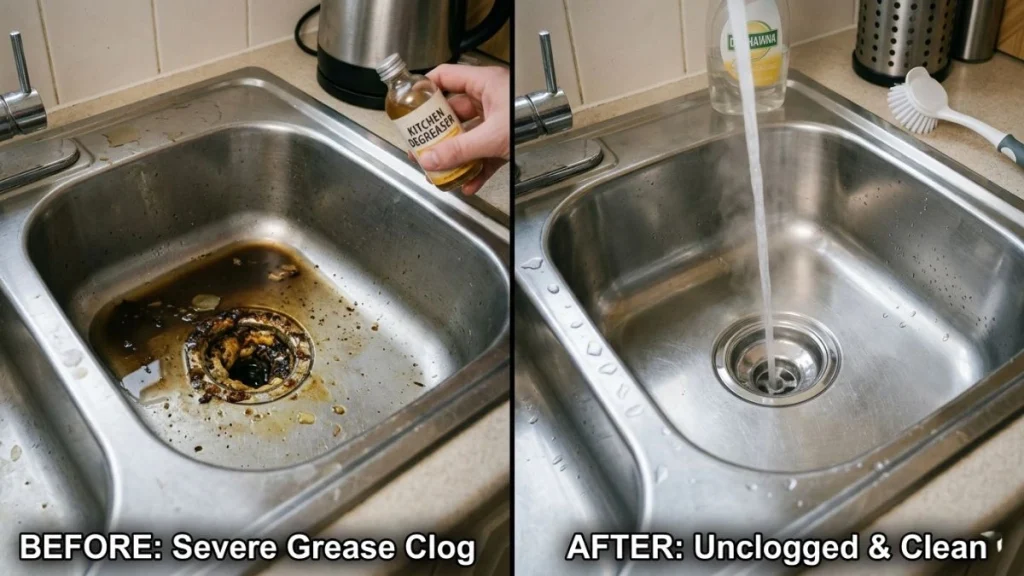
Pouring boiling water down the kitchen sink is a common home remedy for clearing clogs and keeping drains clean. This method can help prevent blockages caused by grease, soap, and food buildup. Understanding how boiling water affects your pipes and its role in clog prevention and removal is important for maintaining a healthy plumbing system. Using the right approach can save time and avoid costly repairs.
Using Boiling Water For Minor Clogs
Boiling water can be effective for clearing minor clogs made of grease, soap, or small food particles. The heat melts and loosens the buildup, allowing it to flow through the pipes easily. To use this method safely:
- Boil a kettle or large pot of water.
- Slowly pour the boiling water directly into the drain in stages.
- Wait a few minutes between pours to let the hot water work.
This method works best for slow drains and minor blockages. It is simple, inexpensive, and uses no harsh chemicals. The heat from the boiling water helps break down fats and oils that harden inside pipes. Regular use can reduce the chance of bigger clogs forming.
| Benefit | How Boiling Water Helps |
| Grease Removal | Melts hardened fats blocking the drain |
| Soap Scum Dissolving | Breaks down soap buildup on pipe walls |
| Food Residue Clearing | Flushes away small food particles |
Limitations And Risks
Boiling water is not safe for all types of pipes or all clog situations. Pipes made from PVC or plastic can soften or warp from hot water. Older metal pipes may have weak spots that boiling water could damage.
Boiling water can also:
- Cause burns if spilled during pouring.
- Be ineffective against solid blockages like hair or hard mineral deposits.
- Damage seals or joints in plumbing if used too often or in large amounts.
Use boiling water carefully and avoid frequent use on fragile plumbing. Identify your pipe material before pouring boiling water.
| Risk | Explanation |
| Pipe Damage | Heat may warp plastic or weaken old metal pipes |
| Burn Hazard | Boiling water can cause serious skin burns if spilled |
| Ineffectiveness | Not suitable for tough clogs like hair or mineral buildup |
Alternatives To Boiling Water
Other safe and effective methods exist for preventing or removing kitchen sink clogs. These options reduce risk and suit various clog types.
- Plunger: Creates suction to dislodge blockages quickly.
- Baking Soda and Vinegar: Chemical reaction helps break down grease and debris.
- Drain Snake or Auger: Mechanical tool to remove stubborn clogs.
- Enzyme Cleaners: Natural bacteria eat organic material causing clogs.
Regular drain maintenance also helps prevent buildup. Use strainers to catch food scraps and clean pipes monthly with safe cleaners.
| Method | Best For | Safety Level |
| Plunger | Minor blockages | High |
| Baking Soda & Vinegar | Grease and soap buildup | High |
| Drain Snake | Stubborn clogs | Medium |
| Enzyme Cleaners | Organic material | High |
Safety Precautions
Pouring boiling water down the kitchen sink can help clear minor clogs and sanitize drains. Still, it requires careful handling to avoid damage or injury. Safety precautions protect your plumbing and keep you safe. Understanding the right methods and when to avoid boiling water is essential. Use protective measures to prevent burns and accidents. Follow simple rules for safe disposal of hot water.
Proper Pouring Techniques
Pouring boiling water safely into the sink helps prevent damage and accidents. Use these tips for proper pouring:
- Pour slowly: Avoid dumping water quickly to prevent splashing and sudden heat spikes.
- Use a sturdy container: Choose a heat-resistant pot or kettle with a handle for control.
- Pour close to the drain: Direct water near the drain opening to reduce heat exposure to pipes.
- Pour in stages: Pour small amounts of boiling water in intervals to allow cooling.
- Clear the sink: Remove dishes and debris to avoid accidents and blockages.
Below is a simple table summarizing the best practices:
| Step | Action | Reason |
| 1 | Use heat-resistant container with handle | Control and safety while pouring |
| 2 | Pour slowly near the drain | Minimizes splashing and pipe damage |
| 3 | Pour in small amounts | Allows gradual cooling |
| 4 | Clear the sink first | Prevents accidents |
Follow these steps every time to keep your pipes safe and avoid burns.
When To Avoid Boiling Water
Boiling water is not safe for all sinks or plumbing systems. Avoid pouring boiling water in these cases:
- Plastic pipes: Hot water can melt or warp plastic plumbing.
- Old or damaged pipes: Heat may cause cracks or leaks.
- Clogged drains with grease: Boiling water can harden grease, worsening clogs.
- Septic systems: Hot water may disturb the bacteria balance.
- Glass or porcelain sinks: Sudden heat changes may cause cracks.
Always check your plumbing type first. When unsure, consult a plumber to avoid costly damage.
Protective Measures
Handling boiling water requires personal safety steps. Protect yourself and your home with these measures:
- Wear gloves: Use heat-resistant gloves to avoid burns.
- Keep children and pets away: Hot water can cause serious injury.
- Use a stable surface: Place the container on a flat, secure surface before pouring.
- Wear closed-toe shoes: Protect feet from accidental spills.
- Have a first aid kit nearby: Be ready for minor burns or accidents.
Follow these tips every time:
- Do not rush while pouring.
- Use kitchen towels to hold containers if needed.
- Pour water away from your body.
- Keep a fire extinguisher close for emergencies.
Safety is the top priority. These simple actions reduce the risk of burns and accidents.
You May Like Also: No Water to Kitchen Sink And Dishwasher
Conclusion
Pouring boiling water down a kitchen sink can be safe with care. Pipes made of metal usually handle heat well. Plastic pipes may soften or warp from boiling water. Avoid pouring water that is too hot quickly. Let the water cool slightly before pouring.
Use boiling water only to clear minor clogs. Do not rely on it for serious plumbing issues. Regular maintenance keeps your sink working properly. Small actions can prevent costly repairs later. Always know your pipes’ material before pouring hot water.


