


Have you ever turned on your kitchen sink or dishwasher, only to find no water coming out? It’s frustrating, isn’t it?
When your kitchen suddenly loses water, it can bring your daily routine to a halt. You might wonder what’s causing the problem and how to fix it quickly. This article will help you understand why there’s no water to your kitchen sink and dishwasher—and guide you step-by-step to get everything flowing again.
Common Causes
When there is no water reaching the kitchen sink and dishwasher, it can disrupt daily routines. Several issues may block or stop water flow. These problems often relate to plumbing parts or the water supply itself. Knowing these causes makes troubleshooting easier and faster.
Clogged Pipes
Clogged pipes are a frequent reason for water not reaching the kitchen sink or dishwasher. Over time, debris like food scraps, grease, and soap scum build up inside the pipes. This buildup narrows the pipe, reducing water flow or stopping it completely.
Common signs of clogged pipes include:
- Slow draining water
- Gurgling noises from the sink
- Water backing up into the sink or dishwasher
Clogs often happen in the drain pipes, but they can also occur in the supply lines. Supply line clogs are less common but cause no water flow at all.
| Type of Clog | Cause | Effect |
| Drain Pipe Clog | Food, grease, soap buildup | Slow draining, water backup |
| Supply Line Clog | Mineral deposits, debris | No water flow to faucet or dishwasher |
Clearing clogs may require a plunger, drain snake, or chemical cleaners. For supply line clogs, a plumber might be needed.
Faulty Valves
Valves control water flow to the kitchen sink and dishwasher. A valve may be fully or partially closed. Sometimes, valves get stuck or break, stopping water flow.
Types of valves to check include:
- Shut-off valves: Located under the sink, these control water supply to the faucet and dishwasher.
- Dishwasher inlet valve: Controls water flow into the dishwasher.
Signs of faulty valves:
- Water stops suddenly at sink or dishwasher
- Valve handle feels loose or hard to turn
- Leaks near valve area
Regular checking and maintenance of valves prevent water flow issues. Faulty valves can also cause leaks that damage cabinets and floors.
Water Supply Issues
Water supply problems may cause no water at the kitchen sink and dishwasher. These issues come from outside the house or the main water system.
Common water supply issues include:
- Main water shut-off: Sometimes it is accidentally turned off.
- Water utility problems: Maintenance or breaks in water lines affect supply.
- Low water pressure: Pipes or pumps may reduce pressure, limiting flow.
- Water meter valve: May be closed or malfunctioning.
Here is a quick checklist for water supply issues:
| Issue | Cause | What to Check |
| Main Shut-off Valve | Closed or partially closed | Locate and open fully |
| Water Utility | Maintenance or breakage | Contact local provider |
| Low Pressure | Pipe blockage or pump issues | Test pressure, inspect pipes |
Water supply problems sometimes need help from the water company or a plumber. Checking valves and pressure helps identify the cause quickly.
Frozen Pipes
Frozen pipes stop water flow completely. Water inside pipes freezes in cold weather. Ice blocks the pipe, causing no water at the sink or dishwasher.
Signs of frozen pipes:
- No water flow from faucet or dishwasher
- Frost or ice on visible pipes
- Strange noises when turning on water
- Possible pipe bursts if ice expands
Areas prone to freezing include:
- Pipes in unheated spaces like basements
- Pipes near exterior walls
- Outdoor faucet supply lines
Troubleshooting Steps
Experiencing no water flow to the kitchen sink and dishwasher can disrupt daily routines. Simple troubleshooting steps can often identify and fix the issue quickly. These steps focus on checking the water supply and related components to restore normal function. Follow these steps carefully to find the root cause and solve the problem without waiting for a professional.

Checking The Water Supply
Start by confirming the main water supply to your home is active. A shut or broken supply line stops water from reaching the kitchen sink and dishwasher. Use these checks:
- Locate the main water valve: It is usually near the water meter or where the water line enters your home.
- Ensure the valve is fully open: Turn it counterclockwise to open. A partially closed valve reduces water flow.
- Check for water pressure: Turn on other faucets in your home. If no water flows anywhere, the main supply might be off.
Next, inspect the water line leading to the kitchen sink. Look for visible leaks or damage. Sometimes, pipes freeze or burst, cutting off water.
| Problem | What to Check | Action |
| No water in whole house | Main water valve | Open the valve fully |
| Water only off in kitchen | Kitchen water line | Look for leaks or blockages |
| Low water pressure | Main valve partially closed | Open valve completely |
Check the water meter if available. A stopped meter means no water flow. This simple step helps avoid unnecessary repairs.
Inspecting Shut-off Valves
Shut-off valves control water flow to specific fixtures. Each kitchen sink and dishwasher usually has its own valve. These valves can accidentally close or become faulty.
Find these valves under the sink or near the dishwasher. Follow this process:
- Turn the valve handle all the way counterclockwise to open.
- Turn on the kitchen faucet and dishwasher to test water flow.
- If water does not flow, the valve might be stuck or broken.
Some valves may feel hard to turn. Use gentle force to avoid damage. For stuck valves, apply a lubricant like WD-40 and try again after a few minutes.
Keep these tips in mind:
- Do not force a valve if it resists strongly.
- Replace old or leaking valves promptly.
- Label valves for easier future checks.
Sometimes, valves leak internally and block water even when open. Replacing such valves solves the problem. Testing valves regularly helps catch issues early.
Examining The Aerator And Filters
The kitchen faucet aerator mixes air with water to reduce splashing. Over time, it collects debris and mineral deposits that block water flow. Cleaning or replacing the aerator often restores normal flow.
Steps to check the aerator:
- Unscrew the aerator from the faucet tip.
- Inspect for dirt, sediment, or mineral buildup.
- Soak the aerator in vinegar for 30 minutes to dissolve deposits.
- Rinse thoroughly and reinstall.
Kitchen sinks and dishwashers also have filters in their water lines. These filters catch particles that can clog hoses and valves. Check the filters by:
- Turning off water supply to the fixture.
- Removing the filter screen from the water inlet hose.
- Cleaning the filter with water or a soft brush.
- Reinstalling the filter securely.
Regular cleaning of aerators and filters prevents low water pressure or no water issues. Keep spare aerators and filters handy for quick replacements.
Testing Dishwasher Water Inlet
The dishwasher needs a working water inlet valve to fill with water. This valve opens when the dishwasher starts. A faulty valve or blocked inlet hose stops water flow.
To test the dishwasher water inlet:
- Turn off power and water supply to the dishwasher.
- Locate the water inlet valve, usually at the dishwasher base near the water line.
- Disconnect the water hose from the valve and check for blockages.
- Use a multimeter to test valve electrical resistance. A defective valve shows no continuity.
- Replace the valve if damaged or non-functional.
Also check the water inlet hose for kinks or clogs. Straighten or clean the hose as needed. Verify that the water supply to the valve is turned on fully.
DIY Fixes
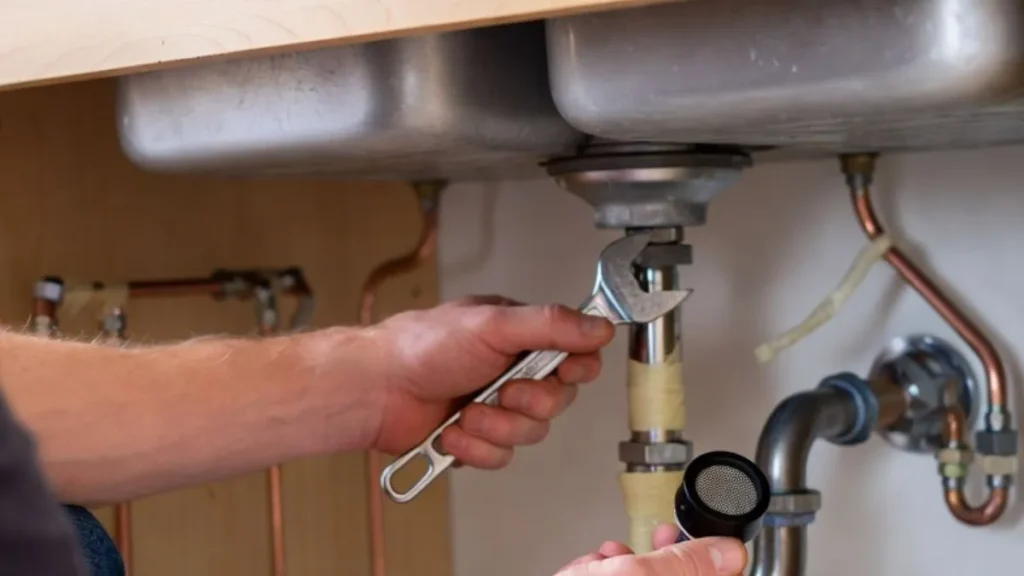
No water flow to the kitchen sink and dishwasher can disrupt daily routines. Many plumbing issues have simple fixes you can try yourself. DIY fixes save time and money before calling a professional. Basic tools and safety steps help solve common problems.
Unclogging Pipes
Clogged pipes often cause water to stop reaching the kitchen sink and dishwasher. Food scraps, grease, and soap build up inside pipes, blocking water flow. Start by removing visible debris from the sink drain. Use a plunger to clear minor clogs:
- Fill the sink with enough water to cover the plunger cup.
- Place the plunger over the drain and push down firmly.
- Pull up quickly to create suction and dislodge the blockage.
- Repeat 5-10 times or until water drains freely.
If plunging does not work, use a drain snake or auger. Insert the snake into the drain and twist to break up the clog. Pull out debris and flush the drain with hot water. Avoid chemical drain cleaners as they can damage pipes.
| Tool | Use | Tips |
| Plunger | Creates suction to push clogs free | Use with water covering cup for best seal |
| Drain Snake | Breaks up deeper clogs | Twist gently to avoid pipe damage |
| Hot Water | Flushes loosened debris | Use after unclogging to clean pipes |
Regular cleaning and avoiding pouring grease down the drain help prevent future clogs. Simple steps can keep pipes clear and water flowing.
Replacing Faulty Valves
Faulty valves may block water from reaching the kitchen sink or dishwasher. Valves control water flow and shut off supply during repairs. A valve that is stuck or leaking needs replacement. First, turn off the main water supply to avoid flooding.
Next, locate the shutoff valves under the sink or near the dishwasher. Test valves by turning them off and on. If valves feel stiff, leak, or do not change water flow, they require replacement. Follow these steps:
- Use a wrench to loosen the valve nuts.
- Remove the old valve carefully.
- Match the new valve type and size to the old one.
- Install the new valve and tighten nuts securely.
- Turn on the main water supply and check for leaks.
Keep a bucket nearby to catch any water drips. Valves usually come with instructions for installation. Use plumber’s tape on threaded connections to prevent leaks.
| Valve Type | Common Use | Replacement Tip |
| Ball Valve | Quick shutoff, durable | Ensure handle moves smoothly |
| Gate Valve | Older homes, gradual shutoff | Replace if handle is hard to turn |
| Angle Stop Valve | Under sinks, appliances | Match pipe size and threading |
Replacing valves fixes water flow issues and prevents damage. Always check for leaks after installation.
Thawing Frozen Pipes
Frozen pipes block water flow to the kitchen sink and dishwasher in cold weather. Ice inside pipes stops water movement and may cause pipe bursts. Identifying frozen pipes quickly limits damage. Signs include no water flow and cold pipe surfaces.
Follow these safe steps to thaw frozen pipes:
- Turn off the water supply at the main valve.
- Open faucets connected to frozen pipes to relieve pressure.
- Apply heat using a hairdryer or heating pad wrapped around the pipe.
- Start thawing near the faucet and move toward the frozen section.
- Avoid open flames or high heat sources to prevent pipe damage.
- Once water flows, keep faucets open to prevent refreezing.
Insulate pipes with foam sleeves or heat tape to prevent freezing in the future. In very cold climates, leave cabinet doors open to allow warm air circulation around pipes.
| Step | Action | Safety Tip |
| 1 | Turn off water supply | Prevents pipe bursts |
| 2 | Open faucets | Relieves pressure |
| 3 | Apply gentle heat | Use hairdryer or heating pad |
| 4 | Thaw gradually | Start near faucet |
Act quickly to thaw pipes and restore water flow. Preventive measures save time and avoid costly repairs.
When To Call A Plumber
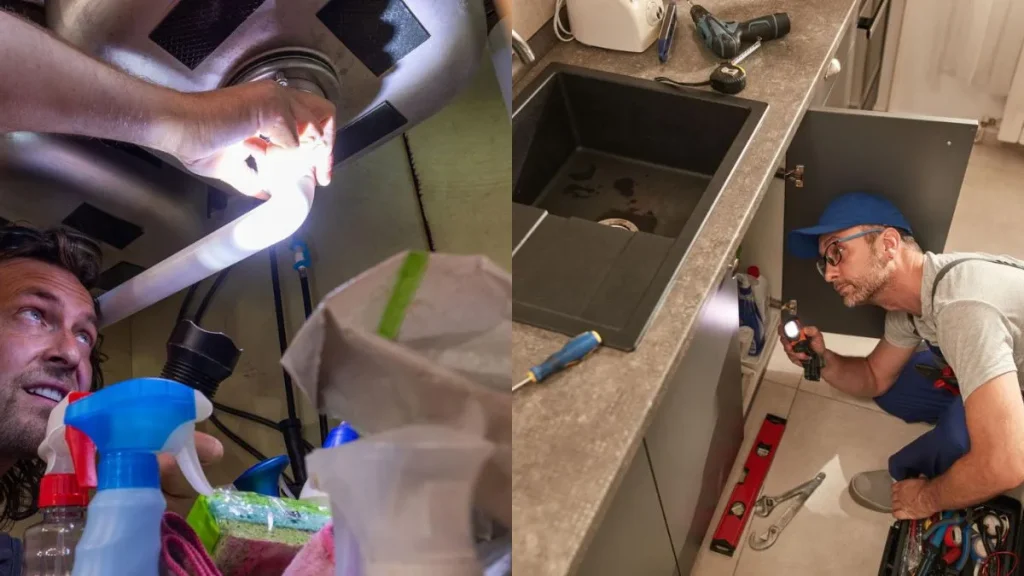
Having no water supply to your kitchen sink and dishwasher is frustrating and disrupts daily chores. Knowing when to call a plumber saves time and prevents bigger problems. Some issues are simple and fixable by homeowners, but others need expert help. Recognizing the signs for professional plumbing service is important to avoid damage and restore water flow quickly.
Persistent Water Issues
Persistent water issues mean the problem does not go away after basic checks. If your kitchen sink or dishwasher has no water despite checking the main valve or cleaning filters, a plumber’s help is needed. These issues can include:
- Water pressure remains low or zero
- Faucet or dishwasher still does not fill after resetting
- Repeated clogs or slow draining even after cleaning
- Strange noises or leaks under the sink
Persistent problems often indicate hidden blockages or damaged pipes. Attempting multiple DIY fixes without success wastes time and may cause more damage. A plumber uses special tools to detect the cause quickly, such as:
| Common Persistent Issues | Possible Causes |
| No water to dishwasher | Faulty water inlet valve, clogged hose, or broken float switch |
| No water to sink faucet | Closed valve, damaged supply line, or blocked aerator |
| Water pressure drops suddenly | Pipe leak or partial blockage inside the walls |
Persistent water issues require professional diagnosis. This prevents wasting water and stops damage to your kitchen appliances.
Complex Repairs
Some water problems need complex repairs beyond simple fixes. These include broken pipes, damaged valves, or electrical faults in dishwashers. Complex repairs require plumbing skills and special equipment. Attempting to fix these yourself can lead to:
- Incorrect repairs causing leaks or floods
- Damage to appliances or kitchen cabinets
- Electrical hazards from dishwasher repairs
- Voiding appliance warranties
Examples of complex repairs:
- Replacing a burst water supply pipe under the sink
- Fixing or replacing the dishwasher’s internal water valve
- Repairing or installing shutoff valves
- Addressing hidden leaks inside walls or floors
Professional plumbers have training and tools for these tasks. They ensure repairs are safe, lasting, and comply with local codes. Complex issues often need inspections with cameras or pressure tests.
Calling a plumber for complex repairs saves money and stress. It avoids damage and repeated fixes.
Safety Concerns
Safety is a key reason to call a plumber if water stops flowing to your kitchen sink or dishwasher. Plumbing involves water and sometimes electricity. Faulty plumbing can cause:
- Water leaks leading to mold or structural damage
- Electrical shocks from dishwasher wiring issues
- Gas leaks if a gas appliance is near the sink
- Slippery floors and injury risks
Signs that need urgent plumber attention for safety:
- Water pooling near electrical outlets or appliances
- Burning smells or sparks from dishwasher
- Sudden drop in water supply with noises in pipes
- Visible pipe corrosion or cracks
Do not try to fix electrical or gas-related plumbing problems yourself. A professional plumber ensures safe repairs and prevents accidents. They can also advise on emergency shutoff procedures.
Safety first. Call a plumber at the first sign of unsafe water or appliance issues.
Read Also: Low Water Pressure in Kitchen Sink After Replacing Water Heater
Conclusion
No water in the kitchen sink and dishwasher can cause big problems. Check your water supply and pipes first. Sometimes, a simple fix like turning a valve helps. Don’t ignore leaks or clogs; they can get worse fast. Call a plumber if you cannot find the issue.
Regular maintenance keeps your kitchen working well. Stay calm and act quickly to save time and money. Your kitchen will work smoothly again soon.


