
Are you noticing water pooling in your yard after a rainstorm? Finding your gutter drains is the key to solving this problem before it causes damage to your home or landscape.
Knowing exactly where your gutter drains are located helps you keep water flowing away from your foundation and prevents costly repairs. You’ll learn simple, practical steps to easily find your gutter drains so you can protect your property and enjoy a dry, healthy yard all year round.
Signs Of Existing Gutter Drains
Knowing what to look for can save time and prevent damage to your property. The key signs include visible drainage grates, downspout locations, and low spots where water collects. Each sign points to hidden or partially visible gutter drains beneath the surface.
Look For Drainage Grates
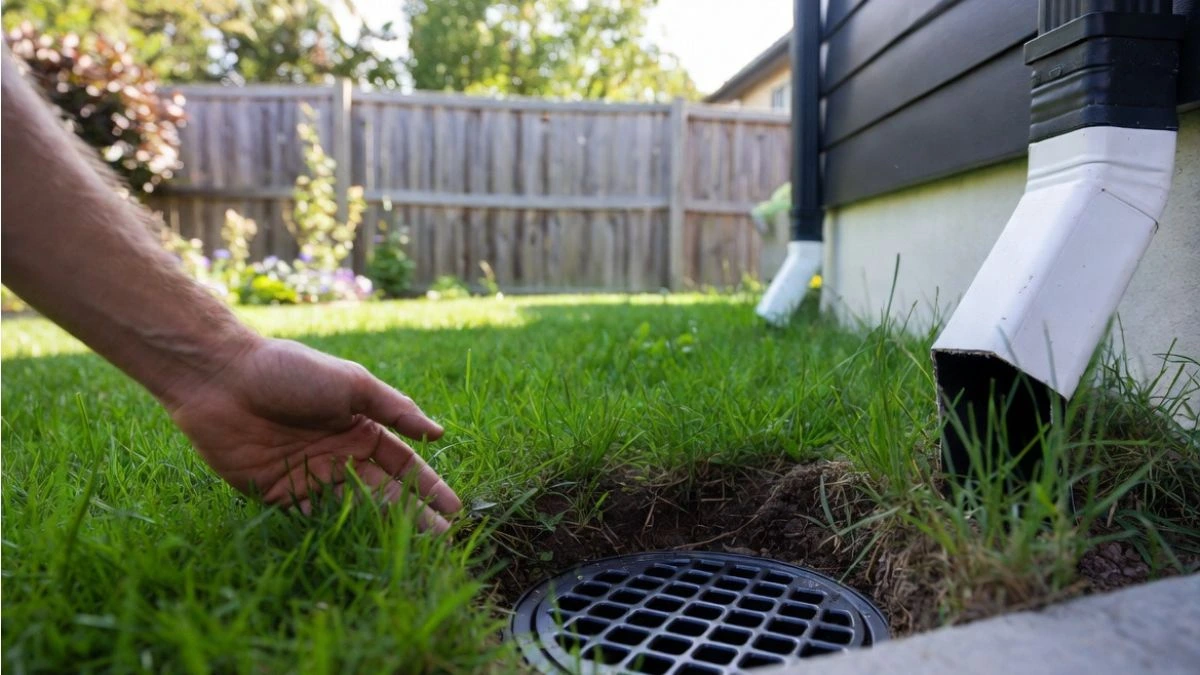
Drainage grates are often the most obvious sign of gutter drains in a yard. These grates cover underground drain openings, preventing debris from entering the system while allowing water to flow freely.
- Material: Grates are usually made of metal or heavy-duty plastic.
- Shape: They can be square, rectangular, or round.
- Location: Found near downspouts, walkways, or low areas prone to flooding.
Checking for grates is simple. Walk around your yard and look for any metal or plastic covers embedded in the ground. Sometimes, these grates are flush with the soil or concrete, making them easy to miss. Over time, leaves and dirt can cover them partially. Clearing away debris reveals their presence.
Spotting these grates helps you trace the path of your yard’s drainage system. Mark their positions to map out underground pipes.
Check For Downspout Locations
Downspouts connect your roof gutters to the yard’s drainage system. Their position often indicates where gutter drains lead underground.
Look near the house walls for vertical pipes extending from the gutters. These pipes usually curve or extend away from the house foundation to guide water away.
- Downspouts often end near a drainage grate or a visible pipe outlet.
- Sometimes, they lead to underground pipes that carry water to distant drains.
- Check for splash blocks or drainage channels near downspout exits.
Not all downspouts connect to underground drains. Some release water directly onto the soil or lawn. Tracking downspouts helps you find hidden drains or areas where water might pool.
Identify Low Spots In The Yard
Low spots are natural collection points for water runoff. These depressions often mark where underground gutter drains exist or where water needs to be redirected.
Observe your yard after rain or watering sessions. Low spots will hold water longer, showing where the drainage system works or needs work.
- Look for patches of grass that stay wet or muddy.
- Notice areas with standing water or slow drainage.
- Check for soil erosion or channels formed by flowing water.
Low spots can indicate hidden drain locations or places where drains should be installed. Mapping these areas helps improve your yard’s drainage plan.
Here is a simple way to mark low spots:
- Walk the yard after rainfall.
- Use flags or markers to note wet or sunken areas.
- Compare these spots with existing drainage grates and downspouts.
- Plan improvements based on how water flows and collects.
Identifying low spots provides a clear picture of how water moves through your yard and where gutter drains serve their purpose.
Mapping Drainage Patterns
Understanding where gutter drains lead is key to managing water in your yard. Mapping drainage patterns helps identify how water moves after leaving your gutters. This process reveals potential problem areas and guides you in protecting your home and garden.
Follow The Flow Of Water
Start by watching water as it leaves your gutters during rain or when you use a hose. Water usually follows the easiest path downhill. Look for wet spots or small channels where water collects and moves. These marks often point to hidden drains or underground pipes.
- Check around your home’s foundation for damp soil or puddles.
- Look along fences, walls, or walkways where water may run off.
- Notice any plants or grass that appear greener or more lush—these may grow near water flow paths.
Use a simple tool like a garden hose to simulate rain. Run water from gutters and track where it travels. This method helps find hard-to-see drainage paths. Mark these spots with flags or stakes for further inspection.
Trace Downspout Piping
Downspouts connect gutters to drains and direct water away from your house. Follow each downspout from the roof edge to where it empties into the yard or drainage system. Some downspouts have visible pipes, while others lead underground.
Steps to trace downspout piping:
- Locate all downspouts around your home.
- Check for visible pipes extending from the downspout.
- Look for drain covers, grates, or openings nearby.
- Dig carefully near downspouts if pipes disappear underground.
Note Yard Slopes And Angles
Water always moves downhill. Understanding your yard’s slopes and angles reveals where water collects or drains. Walk your yard and use a level or simple tools to check the land’s slope. Steeper slopes push water faster, while flat areas hold water longer.
Important points to observe:
- Identify high and low spots in your yard.
- Look for areas where water pools after rain.
- Notice slopes toward your home’s foundation.
Digging To Expose Drains

Digging to expose gutter drains in your yard is a key step in maintaining proper drainage and preventing water damage. These drains often lie just below the surface, hidden under soil or grass. Careful digging helps reveal their location without harming the pipes or surrounding landscape. This process requires planning and the right tools to work safely and efficiently. Exposing the drains allows you to inspect, clean, or repair them as needed.
Selecting Safe Spots To Dig
Choosing the right place to dig is important to avoid damage and extra work. Start by finding signs of where gutter drains might be. Look for:
- Low spots in the yard where water pools after rain
- Visible drain grates or pipes near the foundation
- Paths where water flows naturally away from your home
Pick digging spots a few feet away from your house walls and flower beds to protect structures and plants. Avoid digging near large trees or shrubs with strong roots. Roots can block or damage drains and digging there can harm plants.
Using Hand Tools Effectively
Hand tools give control and reduce the risk of damaging pipes. Common tools include shovels, trowels, and digging forks. Use a small shovel or trowel to remove surface soil carefully. Work slowly to feel for any hard objects, which might be pipes or rocks.
Follow these tips for effective digging:
- Start shallow: Remove topsoil first, then dig deeper gradually.
- Use a digging fork: Loosen compacted soil without cutting pipes.
- Keep soil moist: Water the area before digging to soften hard ground.
- Clear soil gently: Avoid hitting or scraping pipes.
Organize your tools and keep them within reach to avoid distractions. Wear gloves to protect your hands and use knee pads for comfort. Stop digging if you feel resistance; this could be a pipe or a root.
Avoiding Utility Lines
Underground utility lines can be dangerous if hit during digging. These lines include electric, gas, water, and communication cables. Always check for utilities before breaking ground.
Here is a simple step-by-step to avoid utility lines:
- Contact your local utility locating service. Many offer free marking of underground lines.
- Wait for the marks before digging. They usually use colored paint or flags.
- Understand the color codes:
Use hand tools only near marked lines. Avoid heavy digging equipment in these areas. If unsure, call a professional to help. Safety must come first to avoid accidents and costly repairs.
Related Read: Gutter Drain under Concrete
Marking And Maintaining Gutter Drains

Finding gutter drains in your yard is just the first step. Marking and maintaining gutter drains keeps your drainage system working well. Proper marking helps locate drains quickly during cleaning or repairs. Regular maintenance prevents clogs and water damage.
Labeling Drain Locations
Labeling gutter drain locations makes them easy to find later. Use simple, clear markers to identify each drain spot in your yard. This saves time and effort during maintenance or emergencies.
- Use durable materials: Paint, plastic flags, or metal stakes work well outdoors.
- Place markers near drains: Make sure markers are visible but do not block walkways.
- Number or name each drain: Assign numbers or short names to drains for easy reference.
- Create a map: Draw a simple yard map showing drain locations and their labels.
Cleaning And Clearing Debris
Keeping gutter drains clean is key to good water flow. Leaves, dirt, and other debris can block drains and cause water to pool in your yard. Regular cleaning avoids these problems.
Follow these steps for effective cleaning:
- Remove surface debris around the drain area by hand or with a rake.
- Use a garden hose to flush out smaller particles inside the drain.
- Check drain grates or covers for trapped debris and clear them.
- Use a plumber’s snake or drain auger for tough clogs deep inside.
- Dispose of debris properly to prevent it from returning to the drain.
Safety tips:
- Wear gloves to protect hands from sharp objects or dirt.
- Use eye protection when spraying water or using tools.
- Do not use harsh chemicals that can harm plants or soil.
Cleaning frequency depends on your yard’s environment. More trees mean more leaves to clear. At least twice a year is a good start. Spring and fall are ideal times for thorough cleaning.
Scheduling Regular Inspections
Regular inspections keep gutter drains in good condition. Inspections catch problems early before they cause damage or costly repairs. Set a schedule to check drains every few months.
Inspection checklist:
- Look for visible blockages or standing water near drains.
- Check for cracks or damage in drain covers and surrounding areas.
- Examine the flow of water during or after rain to ensure proper drainage.
- Listen for unusual sounds like gurgling, which can signal clogs.
- Verify the labels and markers are still visible and intact.
Use a simple calendar or smartphone reminder to track inspection dates. A good practice is to inspect drains:
- After heavy storms
- Before and after winter
- During seasonal yard cleanups
Keep notes of inspection results. Record any issues found and repairs made. This helps maintain a history of your drainage system’s condition.
Conclusion
Finding gutter drains in your yard helps keep water away from your home. Check near downspouts and low spots where water collects. Use a shovel carefully to expose hidden pipes. Mark their location for future reference and maintenance. Regular checks prevent water damage and soil erosion.
Knowing drain spots makes yard work easier and safer. Stay aware of your yard’s drainage to protect your property well. Simple steps bring big benefits in managing water flow. Keep your yard dry and your home safe year-round.