

A faulty control board can cause a window AC to stop working properly, leading to problems like an unresponsive display, compressor failure, or random shutdowns. In some cases, homeowners choose to bypass the window AC control board temporarily to restore basic cooling without replacing the entire unit right away.
However, bypassing a control board should be done carefully because incorrect wiring can damage the AC or create electrical hazards. Understanding the process, safety precautions, and possible risks is important before attempting any DIY repair.
This guide explains how to bypass a window AC control board safely at home, including basic troubleshooting steps, tools you may need, wiring precautions, and safer alternatives for long-term reliability.
What Is a Window AC Control Board?
A window AC control board is the main electronic component that controls how the air conditioner operates. It manages important parts like the compressor, fan motor, thermostat, and temperature settings. In modern window AC units, the control board works like the system’s brain by sending power and signals to different components.
When the control board becomes faulty, the AC may stop cooling properly, fail to turn on, or show random operating problems. Many homeowners consider bypassing the control board temporarily when replacement parts are expensive or unavailable. However, understanding how the board works and recognizing common failure signs is important before attempting any repair.
How the AC Control Board Works
The control board controls the main functions of the window AC unit. It receives signals from the thermostat and sensors, then decides when the compressor and fan should operate.
It also helps manage:
- Cooling cycles
- Temperature settings
- Fan speed control
- Safety protection features
- Power distribution inside the unit
In digital window AC systems, the control board also operates display panels, timers, and energy-saving modes.
Common Symptoms of a Bad Window AC Control Board
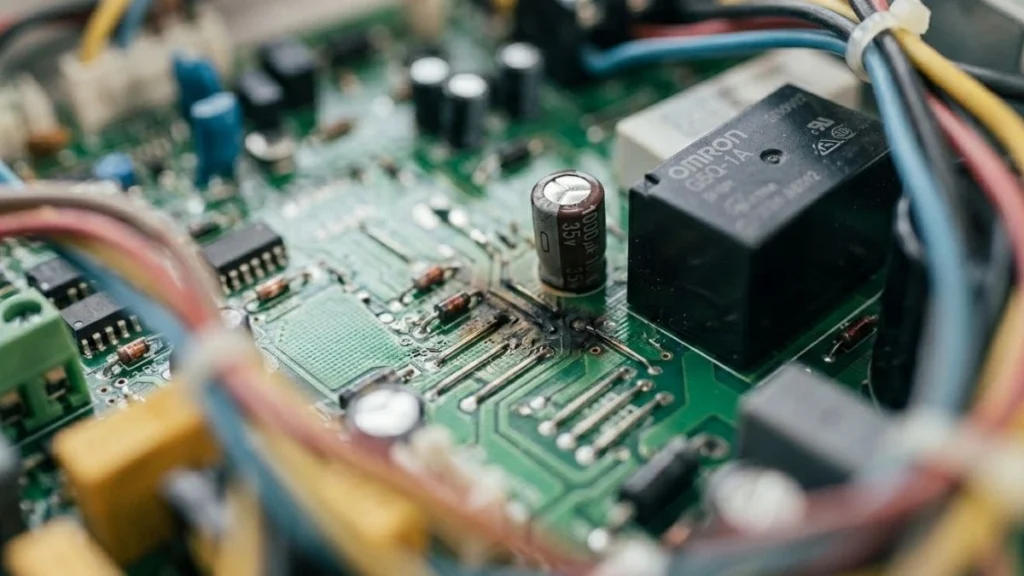
A faulty control board can create several noticeable problems. Sometimes the AC may stop working completely, while other times only certain functions fail.
Common signs include:
- Window AC not turning on
- Unresponsive display or buttons
- Fan running without cooling
- Random shutdowns
- Flashing error lights
- Burning smell near the control area
Power surges, moisture, overheating, and damaged wiring are common causes of control board failure.
Can You Run a Window AC Without a Control Board?
In some cases, a window AC can run without the original control board by bypassing certain electrical connections manually. Homeowners usually do this as a temporary solution when the board fails.
However, bypassing the control board removes important safety and temperature controls. This may lead to:
- Compressor overheating
- Higher electricity usage
- Reduced cooling efficiency
- Electrical safety risks
Older window AC units are generally easier to bypass than newer digital models. For long-term reliability, replacing the faulty control board is usually the safer option.
Important Safety Precautions Before Bypassing the Control Board
Bypassing a window AC control board can be risky if proper safety precautions are not followed. Since the system contains electrical wiring, capacitors, and sensitive components, even a small mistake may cause electric shock, compressor damage, or overheating problems. Before starting any DIY bypass, homeowners should understand the main risks, prepare the correct tools, and know when professional help is necessary.
Electrical Hazards Homeowners Should Know
Window AC units use high-voltage electrical components that can remain dangerous even after unplugging the system. Incorrect wiring may damage the unit or create safety hazards.
Common risks include:
- Electric shock from exposed wires
- Short circuits from wrong connections
- Compressor overheating
- Fire hazards from loose wiring
- Damage to internal AC components
Always unplug the unit completely before opening the AC panel.
Tools and Materials You May Need
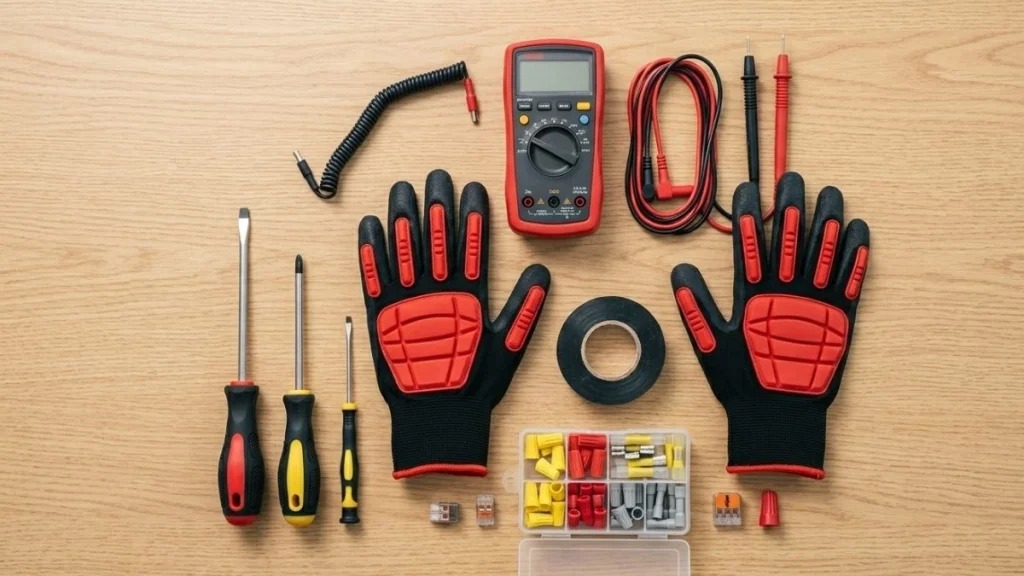
Using proper tools helps make the bypass process safer and easier.
| Tool | Purpose |
| Screwdriver Set | Remove AC panels |
| Multimeter | Check voltage and wiring |
| Electrical Tape | Insulate wire connections |
| Wire Connectors | Secure wires safely |
| Needle-Nose Pliers | Handle small wires |
| Insulated Gloves | Improve electrical safety |
A wiring diagram can also help identify wire connections correctly.
When You Should Not Attempt a DIY Bypass
Some AC problems are too dangerous for DIY repairs. Attempting a bypass in these situations may create larger electrical issues.
Avoid DIY bypass if you notice:
- Burnt or melted wires
- Strong burning smell
- Water damage near electronics
- Frequent breaker trips
- Damaged compressor wiring
- Smart or inverter AC systems
If you are unsure about electrical work or reading wiring diagrams, it is safer to contact an HVAC professional for proper diagnosis and repair.
How to Diagnose a Faulty Window AC Control Board
Before bypassing a window AC control board, it is important to confirm that the board is actually causing the problem. Many air conditioner issues are related to power supply failures, damaged capacitors, faulty thermostats, or compressor problems rather than the control board itself. Proper diagnosis can help prevent unnecessary repairs and reduce the risk of damaging the AC unit further.
Check for Power Supply Issues
A window AC may appear to have a bad control board when the real issue is simply a power problem. Start by checking the electrical supply before opening the unit.
Inspect the Outlet and Power Cord
Make sure the AC outlet is working properly by testing it with another device. Then inspect the power cord for visible damage, cuts, or burn marks. A damaged cord can interrupt power flow and prevent the AC from starting.
Test Circuit Breakers and Fuses
Sometimes a tripped breaker or blown fuse is the main reason the AC stops working. Reset the breaker and check the home electrical panel for any issues. If the breaker trips repeatedly, the AC may have an internal electrical fault that needs further inspection.
Inspect the Control Board for Visible Damage
After disconnecting power, remove the front panel and locate the control board. Many failed boards show visible warning signs that are easy to identify.
Common signs of damage include:
- Burn marks on the circuit board
- Melted wire connectors
- Swollen capacitors
- Loose electrical connections
- Corrosion from moisture buildup
A strong burning smell near the control area may also indicate overheating or short-circuit damage. If the board looks severely burnt, replacing it is usually safer than attempting repairs.
Use a Multimeter to Test Components
A multimeter helps confirm whether the control board is sending power correctly to the compressor and fan motor. This step is useful when there are no visible signs of damage.
Testing Voltage Output
Set the multimeter to measure voltage and check whether the control board is receiving incoming power. Then test the output terminals connected to the fan and compressor.
If power enters the board but does not reach other components, the board may be faulty.
Checking Continuity
Use the continuity setting to test fuses, relays, and wire connections. A failed relay or blown fuse can stop the control board from operating properly.
Identifying Failed Relays or Fuses
Some window AC boards contain built-in relays that control compressor operation. If these relays fail, the fan may work while the compressor remains off.
Rule Out Other AC Problems First
Several AC components can create symptoms similar to a failed control board. Before bypassing the system, inspect other common problem areas.
Possible issues include:
- Faulty thermostat
- Weak or failed capacitor
- Damaged compressor
- Fan motor failure
- Loose internal wiring
For example, a bad capacitor may prevent the compressor from starting even when the control board is working correctly. Proper troubleshooting helps avoid replacing parts unnecessarily and improves repair accuracy.
How to Bypass a Window AC Control Board Safely at Home
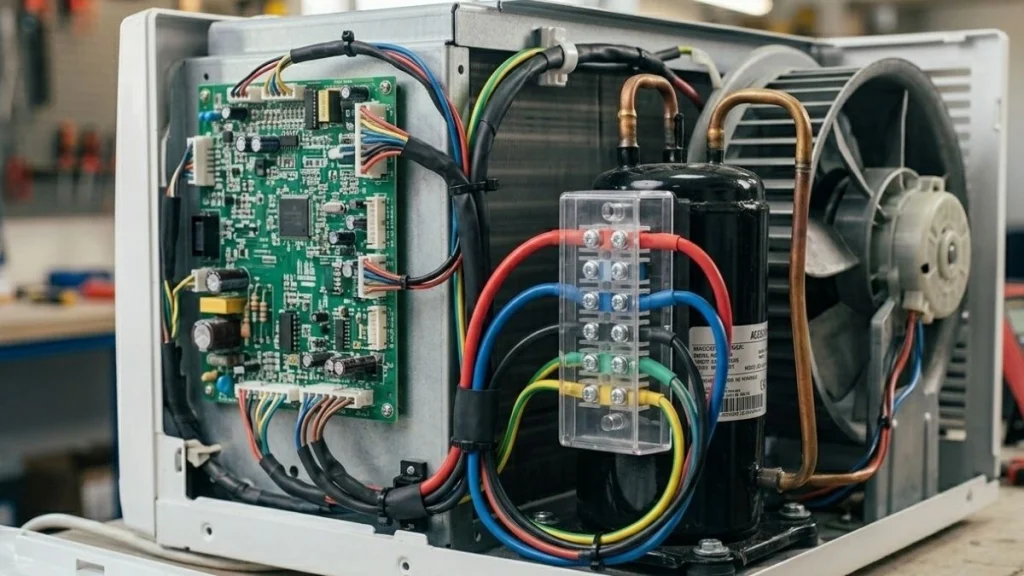
Bypassing a window AC control board is sometimes used as a temporary troubleshooting method when the original board fails. However, this process involves electrical wiring and can damage the air conditioner if handled incorrectly. Because modern window AC units rely on electronic controls for safe operation, homeowners should approach this repair carefully and avoid making unsafe wiring changes.
Instead of directly modifying wires without testing, focus on proper diagnosis, safe inspection, and confirming whether the control board is truly the problem.
Understand the Wiring Layout Before Starting
Before opening the AC unit, review the wiring diagram provided by the manufacturer. Every window AC model uses different wire colors, terminal layouts, and control systems.
The wiring layout usually connects:
- Compressor
- Fan motor
- Thermostat
- Capacitors
- Power supply wires
- Control board relays
Misidentifying these wires can cause short circuits or compressor failure. Taking clear photos before disconnecting anything can help prevent wiring mistakes later.
Disconnect Power Completely
Always unplug the window AC before removing the outer cover. Even after disconnecting power, some internal capacitors may still hold electrical charge for several minutes.
For better safety:
- Wait a few minutes before touching components
- Use insulated tools when inspecting wiring
- Avoid touching exposed terminals directly
This step helps reduce the risk of electric shock and accidental damage to sensitive parts.
Access the Internal Components
Most window AC units require removing the front panel or outer metal cover to access the control board.
Removing the Front Cover Safely
Use the correct screwdriver size to avoid damaging mounting screws or plastic clips. Place removed screws in a container so they are easier to reinstall later.
Locating the Electronic Control Board
The control board is usually mounted near the display panel or control buttons. It often contains multiple wire connectors, relays, and small electronic components.
Before attempting any bypass, inspect the board carefully for:
- Burn marks
- Loose wiring
- Corrosion
- Swollen capacitors
Sometimes the problem is a loose connector rather than a completely failed board.
Basic Window AC Control Board Bypass Method
In older window AC units with simpler wiring systems, technicians may temporarily isolate a failed control section for testing purposes. However, permanently bypassing the board is generally not recommended because it removes important safety protections and temperature controls.
Connecting the Fan Motor Directly
Some older AC models allow temporary fan testing by isolating the fan circuit from the control board. This helps confirm whether the fan motor itself is working properly.
Bypassing the Thermostat Circuit
If the thermostat signal is interrupted, the compressor may not start even when the board has power. Technicians sometimes test this circuit separately to identify the failed component.
Powering the Compressor Manually
Direct compressor bypass methods should be handled carefully because incorrect voltage or wiring can permanently damage the compressor. Modern digital AC systems are especially sensitive to improper electrical modifications.
If the unit requires direct compressor wiring changes, professional HVAC service is usually the safer option.
Test the AC Unit After Bypass
After reconnecting components, monitor the AC carefully during startup. Watch for unusual behavior that may indicate wiring problems or overheating.
Check for:
- Proper fan operation
- Cold airflow
- Unusual noises
- Burning smells
- Repeated shutdowns
If the AC overheats, trips the breaker, or makes loud compressor noises, disconnect power immediately.
Important Things to Avoid During the Process
Small wiring mistakes can create serious electrical problems inside a window AC unit. Avoid rushing the repair or bypassing built-in safety systems.
Never:
- Connect random wires without a diagram
- Leave exposed wires uncovered
- Ignore grounding connections
- Run the AC unattended after modification
- Force the compressor to run continuously
In most situations, replacing the faulty control board is safer and more reliable than using a permanent bypass solution.
Risks and Drawbacks of Bypassing a Window AC Control Board
Bypassing a window AC control board may seem like a quick way to restore cooling, but it can create several safety, performance, and reliability problems. The control board is designed to manage the compressor, fan motor, temperature settings, and protective functions inside the air conditioner. When these controls are removed or bypassed, the AC may operate unsafely or inefficiently.
In many cases, bypassing should only be considered as a temporary troubleshooting method rather than a permanent repair solution.
Loss of Safety Features
One of the biggest risks of bypassing a window AC control board is losing important safety protections. Modern air conditioners rely on the control board to monitor temperature, electrical load, and system operation.
Without these protections, the AC may continue running even when internal components become too hot or overloaded.
Some common safety features affected include:
- Automatic compressor shutoff
- Overheating protection
- Temperature regulation
- Fan speed control
- Electrical fault detection
This can increase the risk of compressor damage, overheating wires, or internal electrical failure. In some situations, improper bypass wiring may even create a fire hazard.
Reduced Energy Efficiency
A control board helps the AC cycle the compressor and fan efficiently based on room temperature. When the board is bypassed, the system may lose the ability to regulate cooling properly.
As a result, the compressor may run continuously without stopping at the correct temperature. This often leads to:
- Higher electricity bills
- Uneven room cooling
- Increased compressor workload
- Poor temperature control
Modern window AC units are designed to operate with electronic timing and sensor systems. Removing these controls can reduce overall performance and energy efficiency significantly.
Potential Long-Term Damage
Running a window AC without a properly functioning control board can place extra stress on important components. The compressor is especially vulnerable because it depends on controlled startup and shutdown cycles.
Over time, bypassing the control board may cause:
- Compressor overheating
- Premature component failure
- Damaged wiring connections
- Increased repair costs
- Shortened AC lifespan
Older mechanical-style window AC units may tolerate temporary bypass methods better than newer digital systems. However, long-term operation without proper electronic controls is rarely recommended.
For better reliability and safety, replacing the faulty control board is usually the best long-term solution.
Better Alternatives to Bypassing the Control Board
Bypassing a window AC control board is usually not the best long-term solution. While it may temporarily restore cooling, it removes safety features and can reduce the lifespan of the unit. In many cases, there are safer and more reliable alternatives that can fix the problem without modifying the wiring system.
Below are some practical repair options that homeowners can consider before attempting a bypass.
Replacing the Window AC Control Board
In most situations, replacing the faulty control board is the most effective and safest solution. Since the control board is responsible for managing all major functions of the AC, installing a new one restores normal operation without risking electrical damage.
A replacement is often recommended when:
- The board shows burn marks or physical damage
- The AC does not respond even with proper power supply
- Multiple electronic functions stop working at once
The cost of a replacement control board depends on the AC brand and model, but it is usually more affordable than replacing the entire unit. Hiring a technician can ensure correct installation and wiring alignment, especially for modern digital models.
Resetting the AC Unit
Sometimes the issue is not permanent damage but a temporary electronic glitch. In such cases, resetting the AC unit can restore normal function without any repair work.
A simple reset may involve:
- Turning off and unplugging the AC
- Waiting for 5–10 minutes to clear stored electrical charge
- Plugging it back in and restarting the system
Some models also have a built-in reset button or require a breaker reset from the electrical panel. This method is especially useful after a power surge or sudden shutdown.
Repairing Minor Board Problems
Not all control board issues require full replacement. In some cases, small components or connections can be repaired to restore functionality.
Common minor repairs include:
- Replacing a blown fuse on the board
- Cleaning dust, corrosion, or moisture buildup
- Re-soldering loose or cracked connections
- Fixing damaged wire terminals
These repairs require careful handling and basic electrical knowledge. If done correctly, they can extend the life of the existing control board without needing a full replacement.
Using an External Thermostat or Switch
For older or simpler window AC units, an external thermostat or manual switch can sometimes be used as a temporary control solution. This method allows basic operation of the compressor and fan without relying fully on the internal control board.
It can be helpful when:
- The control board is partially damaged
- You need a short-term cooling solution
- Replacement parts are not immediately available
However, this approach does not provide advanced safety features or energy efficiency controls. It should only be used temporarily until proper repairs are completed.
Expert Tips to Prevent Future AC Control Board Problems
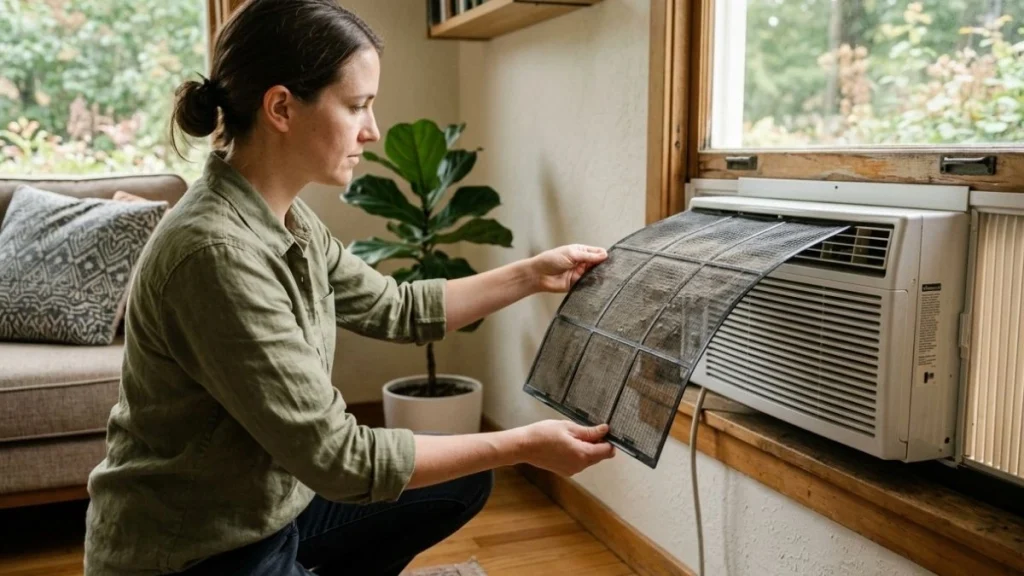
Window AC control board problems usually develop over time due to electrical stress, moisture, and lack of maintenance. If you take the right preventive steps, you can extend the lifespan of your AC and avoid frequent breakdowns or costly repairs.
Protect the Unit From Power Surges
Power surges are one of the main reasons AC control boards get damaged. A sudden voltage spike can burn sensitive electronic parts inside the board and stop the AC from working completely.
To reduce risk:
- Use a good-quality surge protector
- Avoid unstable or overloaded power sockets
- Turn off the AC during lightning storms
- Consider a voltage stabilizer in low-voltage areas
These small steps help protect the control board from sudden electrical damage.
Keep Moisture Away From Electronics
Moisture can slowly damage the control board by causing corrosion and short circuits. Even small water leaks or high humidity can affect performance.
Prevent moisture issues by:
- Cleaning air filters regularly
- Keeping drainage lines clear
- Avoiding water leakage near the unit
- Checking for internal condensation buildup
A dry internal environment helps the control board last longer.
Schedule Routine Maintenance
Regular maintenance keeps your AC running smoothly and reduces stress on the control board. Dust buildup and loose wiring often lead to electronic failure over time.
Basic maintenance includes:
- Cleaning coils and filters
- Checking wiring connections
- Inspecting for dust or corrosion
- Ensuring proper airflow
A yearly professional checkup can also help detect early problems before they become serious.
Final Tip
Proper care and regular maintenance can prevent most control board failures. Protecting your AC from power issues, moisture, and neglect will improve performance and reduce the need for repairs or bypassing.
When to Call an HVAC Professional
Window AC control board issues can sometimes look simple but quickly turn into complex electrical problems. While basic troubleshooting can be done at home, there are clear situations where a professional HVAC technician is the safer and smarter choice. Knowing when to stop DIY work helps prevent further damage and avoids safety risks.
Signs the Problem Is Beyond DIY Repair
Some problems indicate serious internal damage that should not be handled at home. If you notice these signs, it’s best to avoid bypassing or further testing.
Common warning signs include:
- Burning smell from the AC unit
- Repeated breaker tripping
- Visible burn marks on the control board
- Compressor not starting at all
- Random shutdowns after reset
- Water damage near electrical parts
These issues often point to control board failure or other major electrical faults. Continuing DIY work in this condition can make the damage worse.
Benefits of Professional Diagnosis
An HVAC professional can quickly and safely identify the real cause of the problem. Many AC issues look similar but have different root causes, so proper testing is important.
Key benefits include:
- Accurate fault detection using proper tools
- Safe handling of high-voltage components
- Identification of hidden issues like capacitor or compressor failure
- Correct replacement of control board if needed
- Long-term repair instead of temporary fixes
A technician also ensures the AC is running safely and efficiently after repair.
You May Like Also: Window Ac Has No Drain Hole
Conclusion
Bypassing a window AC control board may restore cooling temporarily, but it comes with safety risks and can reduce the unit’s lifespan. Since the control board manages key functions like the compressor and fan, any wrong wiring can lead to electrical damage or poor performance.
In many cases, safer options like resetting the unit, repairing minor issues, or replacing the control board are more reliable solutions. If the problem is serious or involves electrical damage, it is best to contact a professional HVAC technician.
Proper diagnosis and safe repair always ensure better performance and long-term protection for your window AC.