
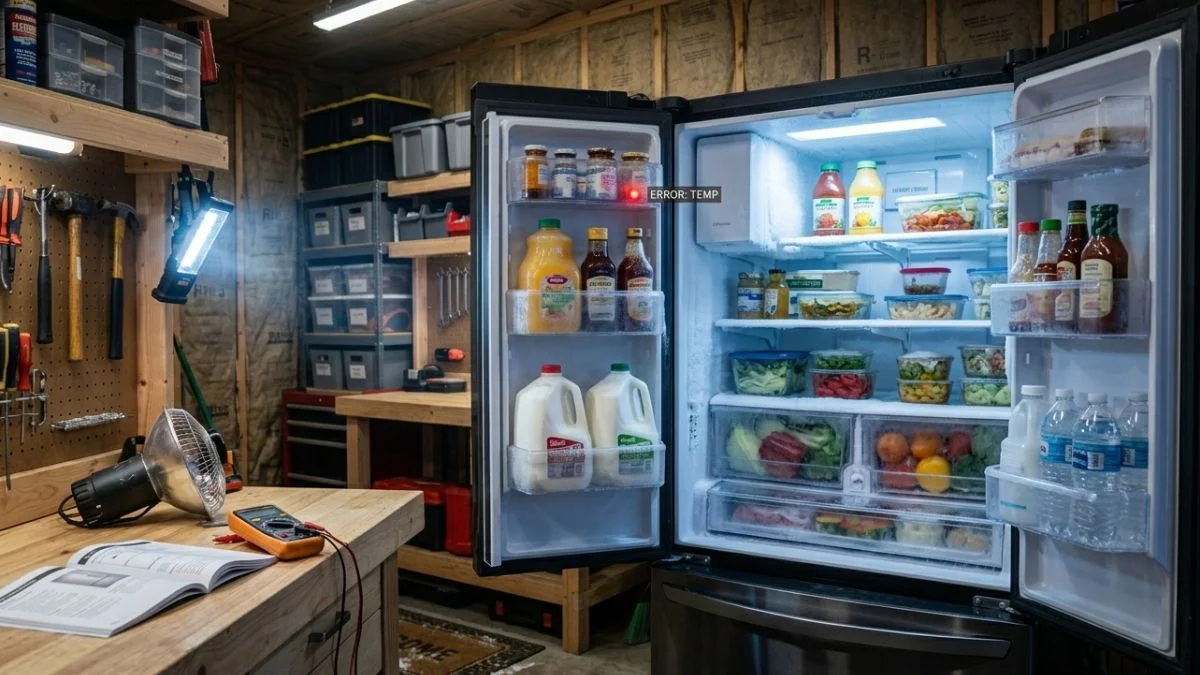
If you’ve ever opened your garage fridge on a cold winter morning and found warm food or a freezer that stopped freezing — you’re not alone. And no, you probably don’t need to buy a new refrigerator.
Here’s the short version of what’s happening: standard refrigerators are designed to work in temperatures between 60°F and 90°F. When your garage drops below that range, the fridge’s thermostat shuts the compressor off — because it thinks the surrounding air is already cold enough. The result is warm food, wasted groceries, and a lot of confusion.
The fix is simpler than you’d expect. In this guide, you’ll find the most practical and affordable refrigerator in cold garage solutions — from a quick heater kit install to a few smart insulation tricks — so you can solve the problem without spending a fortune.
Why Your Refrigerator Struggles in a Cold Garage
Most people assume a refrigerator is just a refrigerator — plug it in anywhere and it works. But where you place it matters just as much as the appliance itself. When that location happens to be an unheated garage, things can go wrong quickly once the temperature starts to drop. To understand why, you need to know how your refrigerator actually works and what it was designed to handle.
How Refrigerators Are Designed to Work
Your refrigerator maintains its internal temperature by running a compressor that circulates refrigerant through a system of coils. When the inside warms up, the thermostat kicks the compressor on. Once the target temperature is reached, it shuts off.
Here’s what most people don’t realize — the thermostat doesn’t just monitor the temperature inside the fridge. It also responds to the ambient temperature of the surrounding space. Manufacturers design and test refrigerators to perform within a specific range, typically 60°F to 90°F (15°C to 32°C). That works perfectly in a kitchen — but a garage is a completely different story.
What Happens When Garage Temps Drop Too Low
When garage temperatures fall, the thermostat senses the cold surrounding air and assumes the fridge is already cold enough — so it shuts the compressor off. But the inside of your fridge is not actually cold enough. The result? Food warms up, drinks lose their chill, and dairy products start to spoil.
When temps drop below freezing, items in the fridge compartment can freeze solid while the freezer section paradoxically stops working properly. On top of that, the repeated stop-and-start cycle puts stress on the compressor, shortening the appliance’s lifespan over time.
The Temperature Range Problem
Every refrigerator has an operating temperature range — the ambient conditions it needs to function properly. For most standard fridges, that’s 60°F to 90°F. Below 50°F, problems begin. Below 40°F, cooling can shut down almost entirely.
Garages make this worse because temperatures can swing dramatically — sometimes 30°F or more within a single day. A standard refrigerator simply isn’t built to keep up with that. Unless your unit is specifically rated as garage-ready or all-climate, it was never designed for that environment in the first place.
The good news? Once you understand the root cause, the fixes are simpler and cheaper than you’d expect.
Signs Your Garage Refrigerator Is Having Cold Weather Problems
Before you can fix the problem, you need to recognize it. Cold weather refrigerator issues don’t always show up in obvious ways — some signs are easy to spot, while others creep up slowly. Here are the most common warning signs to watch for.

Food isn’t staying cold. If drinks feel lukewarm or dairy products spoil faster than usual, your fridge has likely stopped cooling properly due to the thermostat shutting the compressor off.
Freezer has stopped freezing. Soft ice cream, thawing frozen meals, or melting ice cubes are a strong sign that the entire cooling system has been thrown off by low garage temperatures.
Fridge compartment items are freezing. When garage temps drop below freezing, the fridge section — not the freezer — can freeze food solid. Mushy vegetables, cracked eggs, or expanding beverages are clear warning signs.
Compressor is running constantly or not at all. Both extremes are a red flag. A compressor that never shuts off or barely runs at all signals that the thermostat is struggling to respond correctly to the garage environment.
Ice maker has stopped working. Ice makers are sensitive to temperature swings. If yours has suddenly stopped producing ice, cold garage air is very likely the cause.
Energy bills are creeping up. A fridge fighting an unsuitable environment works harder than it should — and that shows up on your electricity bill during colder months.
If you’re noticing one or more of these signs, the good news is the problem is almost always fixable without replacing the appliance.
Refrigerator in Cold Garage Solutions — Easy Fixes to Try First
The good news is that most cold garage refrigerator problems don’t require a new appliance or an expensive repair call. There are several practical, affordable solutions that can get your fridge running properly again — and most of them are DIY-friendly. Start with the simplest fix first and work your way up from there.
Solution 1 — Install a Refrigerator Garage Kit (Heater Kit)
A refrigerator garage kit is a small heating element that attaches near the thermostat, tricking the fridge into thinking the surrounding air is warmer than it actually is. This keeps the compressor cycling correctly even when garage temperatures drop well below normal. Most kits are brand-specific — check your make and model first. Major brands like Whirlpool, GE, and Samsung offer their own kits, and installation takes under an hour with no special tools. At just $10 to $30, this is always the best and most affordable starting point.
- Inexpensive and easy to install
- Proven fix recommended by manufacturers
- Not available for every fridge model
Solution 2 — Heat the Garage Space Around the Fridge
If a garage kit isn’t available for your model, keeping the area around the fridge above 50°F is the next best move. A portable space heater with a built-in thermostat placed nearby handles this effectively without running up energy costs. Never place the heater directly against the refrigerator — always keep a safe distance.
Adding garage door insulation is also worth considering, as a significant amount of cold air enters through the door. A simple insulation kit costs under $50 and makes a noticeable difference in retaining heat throughout the garage.
Solution 3 — Insulate the Refrigerator’s Surrounding Area
Building a basic insulated enclosure around your fridge is a low-cost alternative that works surprisingly well. Rigid foam board insulation panels — costing between $15 and $50 — can be cut and arranged into a three-sided enclosure around the unit, creating a warmer microclimate without any heating required.
Leave enough clearance at the back for airflow and keep the front fully accessible. Sealing garage door gaps with weatherstripping and positioning the fridge against an interior wall rather than an exterior one adds further protection against the cold.
Solution 4 — Relocate the Refrigerator to a Warmer Spot
Sometimes the simplest fix is just moving the fridge to a better spot — and it costs nothing to try. Areas near exterior walls and the garage door are the coldest parts of any garage. If your garage is attached to your home, positioning the fridge along the shared interior wall takes advantage of residual heat from the conditioned living space next door. This won’t solve the problem in severely cold climates, but in milder winters a simple repositioning can make a real difference.
Solution 5 — Upgrade to a Garage-Ready Refrigerator
If your fridge continues to struggle despite trying every fix, upgrading to a garage-ready unit is the most reliable long-term solution.
What Makes a Refrigerator “Garage Ready”?
A garage-ready refrigerator is engineered to operate across a much wider temperature range — typically 0°F to 110°F — through a reinforced thermostat, inverter compressor, and better internal insulation. Unlike a standard fridge, it won’t shut down in cold weather or overheat in summer.
When Does Upgrading Make Sense?
Upgrading makes sense when your current fridge is several years old, frequently malfunctions despite fixes, or your garage experiences extreme temperature swings year-round. Always confirm the manufacturer’s warranty covers garage use before purchasing — some brands void coverage for units installed outside climate-controlled spaces.
Best Refrigerators for Cold Garages — What to Look For
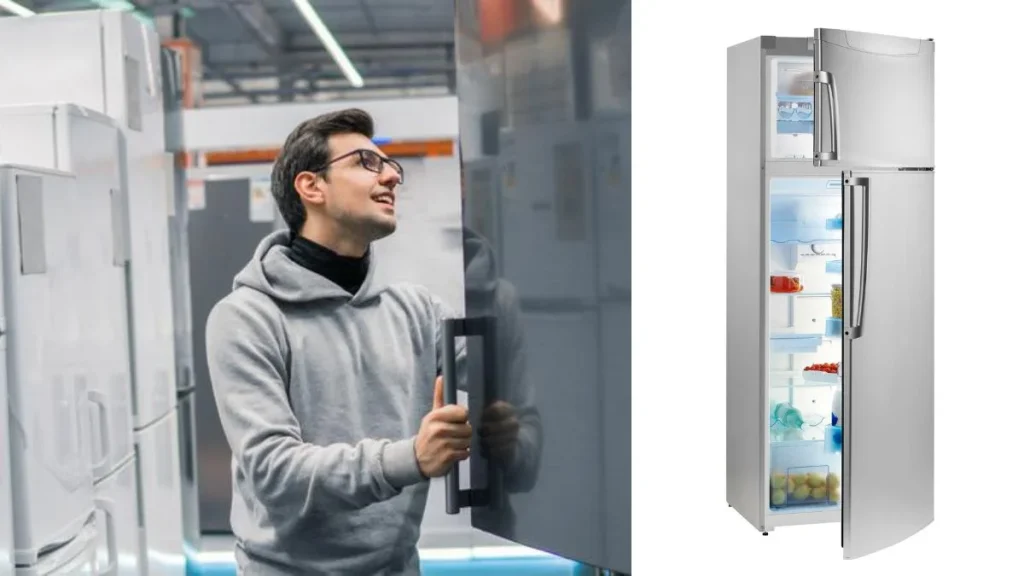
Not every refrigerator belongs in a garage — and if you’ve already dealt with a fridge that shuts down every winter, you know that firsthand. Whether you’re shopping for a replacement or just want to make sure your next purchase can handle the environment, knowing what to look for before you buy can save you a lot of frustration. Here’s what actually matters when choosing a refrigerator for cold garage use.
Key Specs That Matter for Garage Use
Operating Temperature Range is the single most important spec to check. A standard fridge operates between 60°F and 90°F — far too narrow for an unheated garage. Look for a model with a range starting at 0°F or lower, ensuring it handles both freezing winters and hot summers without losing performance.
Compressor type matters more than most people realize. Inverter compressors adjust their speed based on cooling demand, making them far more efficient and better equipped to handle the temperature swings a garage experiences throughout the day. They also run quieter and last longer than traditional single-speed compressors.
Frost-free operation is another feature worth prioritizing. In a garage where temperatures fluctuate frequently, frost buildup can reduce efficiency and damage the unit over time. An auto-defrost refrigerator manages this automatically without any effort on your part.
Finally, always check the manufacturer’s warranty. Some brands void coverage if the unit is installed outside a climate-controlled space. Confirm that garage installation is explicitly covered before making any purchase.
Garage-Ready vs. Regular Refrigerators — Quick Comparison
The difference comes down to one thing — how well the refrigerator handles an environment it wasn’t originally designed for. A regular fridge is optimized for stable kitchen conditions. A garage-ready unit is built for the unpredictability of an unheated space.
| Feature | Regular Refrigerator | Garage-Ready Refrigerator |
| Operating Temp Range | 60°F – 90°F | 0°F – 110°F |
| Cold Weather Performance | Poor | Excellent |
| Compressor Type | Standard single-speed | Inverter or reinforced |
| Warranty for Garage Use | Typically not covered | Covered |
| Price | Lower upfront cost | Slightly higher |
| Best For | Indoor spaces | Garages & outdoor spaces |
The price difference isn’t always dramatic, but the performance difference is significant. A garage-ready refrigerator eliminates seasonal headaches, protects your food year-round, and lasts longer because it’s not constantly fighting an environment it wasn’t built for.
How to Maintain Your Garage Refrigerator Year-Round
Getting your garage refrigerator running properly is only half the battle. Keeping it running well through hot summers, cold winters, and everything in between requires a little routine attention. A few simple habits can significantly extend the life of your appliance, keep energy bills in check, and prevent problems before they sneak up on you.
Seasonal Maintenance Tips
Check door seals before every winter. The rubber gasket around your fridge door keeps cold air in and warm air out. If it’s cracked or loose, the compressor works harder than it should. Close the door on a piece of paper — if it slides out easily, the seal needs replacing. A new gasket costs under $30 and is easy to install yourself.
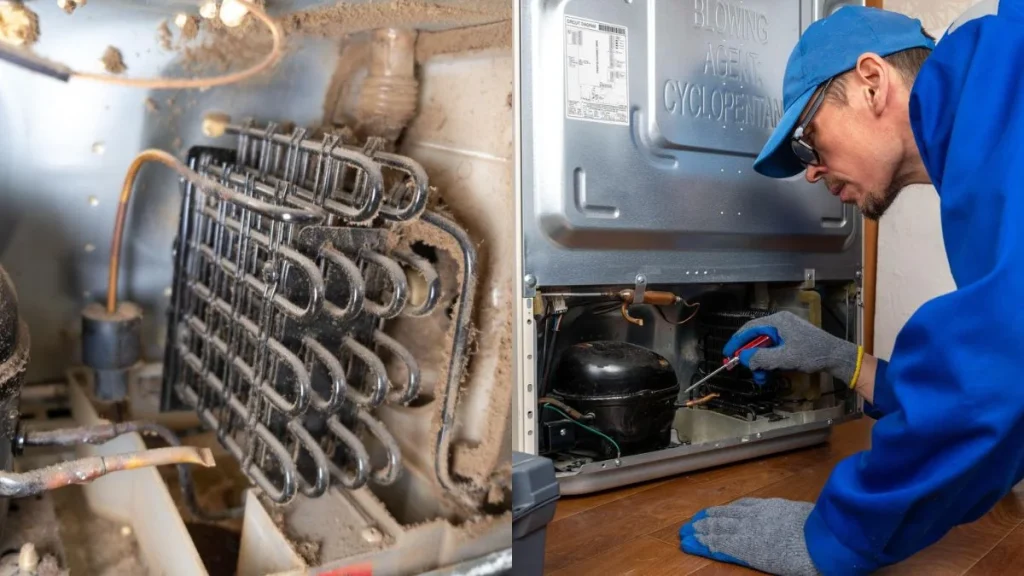
Clean the condenser coils every six months. Dust-coated coils force the fridge to work harder to maintain temperature. Unplug the unit, locate the coils at the back or beneath, and clean them with a coil brush or vacuum. This single habit can improve efficiency and extend compressor life noticeably.
Monitor internal temperatures regularly. Place a standalone thermometer inside the fridge and freezer. The fridge should stay between 35°F and 38°F, and the freezer at 0°F. If readings drift, you’ll catch the problem before food spoilage occurs.
Defrost manually when needed. If unusual frost buildup appears in the freezer, unplug the unit and let it defrost naturally. This resets the system and restores normal performance.
Energy-Saving Tips for Garage Refrigerators
Keep the fridge away from direct sunlight during summer. A sun-facing wall can raise ambient temperature significantly, forcing the unit to run almost continuously. Always maintain 2 to 3 inches of clearance behind and beside the fridge for proper heat release and airflow — one of the most overlooked yet easiest fixes.
Avoid overloading or leaving the fridge completely empty. A comfortably stocked fridge — not packed — maintains temperature most efficiently. Also consider plugging your garage refrigerator into a smart plug with energy monitoring to track power consumption and catch unusual spikes early.
When to Call a Professional vs. DIY
One of the biggest decisions homeowners face when a garage refrigerator starts acting up is whether to fix it themselves or call a technician. Some problems are simple and safe to handle on your own, while others require professional tools and expertise. Knowing the difference can save you both money and time.
DIY-Friendly Fixes
Most cold garage refrigerator problems fall into the DIY category. Installing a garage heater kit, cleaning condenser coils, replacing a worn door gasket, adding insulation, and repositioning the fridge to a warmer spot are all tasks any homeowner can handle confidently without professional help. If a simple fix gets your fridge running again, there’s no reason to call anyone.
When to Call an Appliance Technician
Some situations go beyond DIY — and pushing through without professional help can make things worse or create safety hazards.
If the compressor makes loud clicking, banging, or grinding noises and won’t start after basic fixes, that points to a mechanical failure requiring a trained technician. If you suspect a refrigerant leak — signs include constant running without cooling, a faint chemical smell, or oily residue around the coils — stop and call a professional immediately. Refrigerant handling requires EPA certification and is never a DIY situation.
Electrical faults are another clear signal. If the fridge trips your circuit breaker repeatedly, sparks when plugged in, or shows wiring damage, don’t use it until a professional assesses it.
As a general rule — if the fix involves refrigerant, electrical wiring, or internal mechanical components, call a professional. Everything else is fair game for a confident DIYer.
Read Also: Cold Air Coming in from Gas Fireplace
Conclusion
A refrigerator struggling in a cold garage is a frustrating problem — but it’s rarely one that requires an expensive fix or a brand-new appliance. In most cases, a simple garage heater kit, some basic insulation, or a smarter placement can get things running reliably again without spending much at all.
The key takeaway is this: standard refrigerators aren’t built for unheated garages, but that doesn’t mean you’re out of options. Start with the cheapest and simplest solution first, work your way up if needed, and only consider upgrading to a garage-ready refrigerator if your situation truly calls for it.
Keep up with basic maintenance, monitor your fridge through seasonal temperature changes, and you’ll get years of reliable performance out of it — no matter how cold your garage gets.