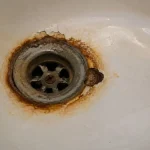

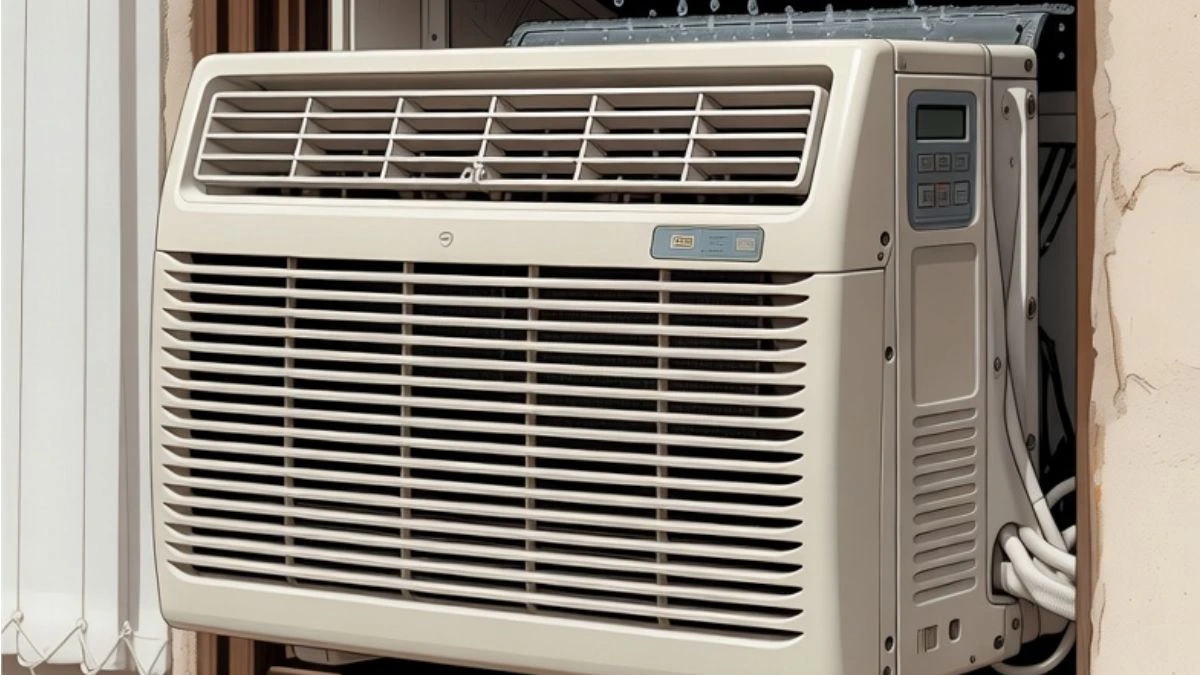
Is your window AC leaking water inside your room? You might be surprised to learn that some window AC units don’t have a visible drain hole.
This can leave you wondering where the water goes and why your room feels damp. If you’ve noticed water pooling or your AC acting up, understanding the drain system is key. Keep reading to discover why your window AC has no drain hole and what you can do to fix common problems before they cause bigger damage.
Common Drainage Issues
Window air conditioners without drain holes often face common drainage issues that affect their performance. Water buildup inside the unit can cause leaks, bad smells, and damage. Understanding these problems helps keep your AC running smoothly and your room dry.
Why Drain Holes Matter
Drain holes in window air conditioners allow excess moisture to escape safely. Moisture forms when the AC cools the warm air, creating condensation. Without a drain hole, this water stays inside the unit and causes problems.
Key reasons drain holes are important:
- Prevent water buildup: Drain holes let water leave the AC, stopping overflow.
- Reduce mold growth: Standing water inside the unit invites mold and mildew.
- Protect internal parts: Water can damage electrical components if trapped.
- Improve cooling efficiency: Proper drainage keeps the AC working well.
Without drain holes, moisture stays trapped inside. Over time, this leads to serious issues that reduce comfort and cause costly repairs. Adding or clearing a drain hole keeps your window AC working properly.
Signs Of Drainage Problems
Drainage problems in window air conditioners show clear signs. Catching these early avoids damage and discomfort. Watch for these common symptoms:
- Water leaks: Water pools around or under the AC unit.
- Wet spots on walls or floor: Moisture damage near the AC.
- Musty or moldy smell: Foul odors from trapped water and mold.
- Ice buildup: Frozen water inside the AC caused by poor drainage.
- Reduced cooling: The unit struggles to cool the room efficiently.
Here is a simple checklist to identify drainage issues:
- Look for water dripping or puddles near the AC.
- Smell for any damp or moldy odors.
- Check for ice or frost inside the unit.
- Note if cooling feels weaker than usual.
Ignoring these signs causes bigger problems. Water damage may ruin walls and floors. Mold can affect health. Electrical parts might short out. Fix drainage issues quickly to keep your AC safe and efficient.
Design Variations In Window Ac Units
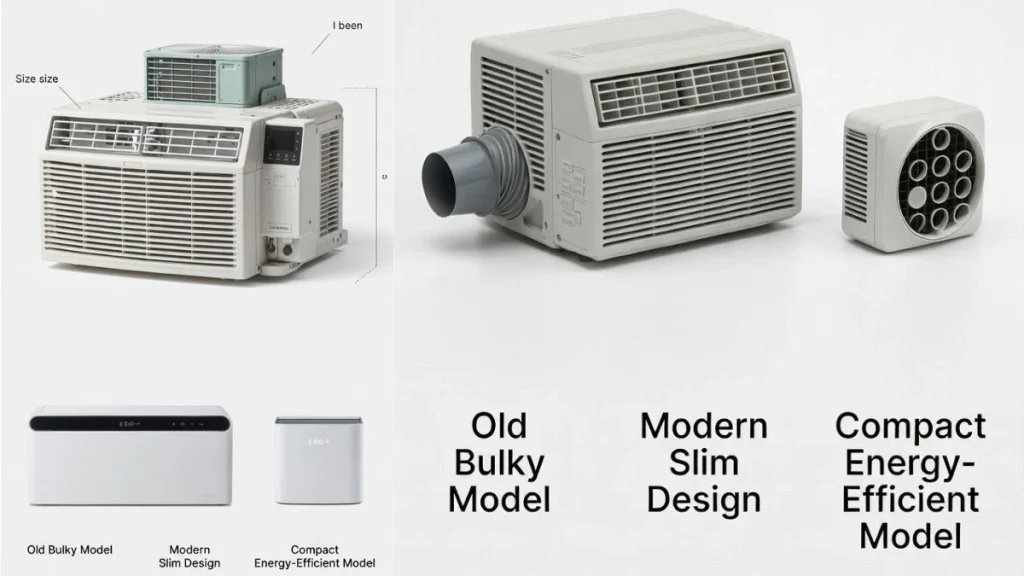
Window air conditioners come in many styles and designs. One common question is why some window AC units have no drain hole. This difference happens because of design variations made by manufacturers. These variations affect how the unit handles water produced during cooling.
Models Without Drain Holes
Some window AC models do not have visible drain holes. These units use special internal systems to manage moisture. The design avoids water leaks and keeps the unit compact. Here are key points about these models:
- Internal Evaporation: Water collects inside the unit and evaporates using the heat from the compressor.
- Sealed Drainage System: Water stays inside sealed channels, preventing any dripping outside.
- Compact Build: No drain hole means fewer openings, which helps with insulation and noise control.
- Maintenance: These models need regular cleaning to avoid water buildup and mold growth inside.
Below is a quick comparison of window AC units with and without drain holes:
| Feature | With Drain Hole | Without Drain Hole |
| Water Removal | Drips outside via drain hole | Internal evaporation or sealed system |
| Installation | Needs proper slope for drainage | Less sensitive to positioning |
| Maintenance | Drain hole must be cleared | Regular internal cleaning required |
Alternative Drainage Methods
Window AC units without drain holes use other ways to handle moisture. These methods help keep the unit dry and running well. Common alternatives include:
- Internal Evaporation: Water collects in a small pan inside the unit. Heat from the compressor evaporates this water.
- Drainage Tubes: Some models have hidden tubes that lead water to the outside or back of the unit.
- Condensate Pumps: In rare cases, small pumps push water out when gravity drainage is not possible.
Each method has pros and cons. Internal evaporation works well in warm, dry climates but may be less effective in humid places. Drain tubes need proper installation and regular checks to avoid clogs. Pumps increase cost and need electrical power.
Consequences Of No Drain Hole
Window AC units without a drain hole face serious issues due to trapped water. Drain holes let moisture escape safely, preventing buildup inside the unit. No drain hole causes water to collect, leading to problems that affect the AC’s performance and the space around it.

Water Accumulation Risks
Water inside an AC unit with no drain hole cannot flow out. This causes water to pool in the base or inside parts of the unit. Standing water creates several problems:
- Increased humidity: Water inside the unit raises indoor humidity levels, making the room feel damp.
- Mold and mildew growth: Moist environments encourage mold to grow, which affects air quality and health.
- Unpleasant odors: Stagnant water often produces bad smells, reducing comfort indoors.
- Water leaks: Excess water may spill out, damaging walls, floors, or window sills.
Here is a simple table showing common risks from water accumulation in window AC units:
| Risk | Effect |
| Humidity Rise | Makes room feel warmer and damp |
| Mold Formation | Causes health issues and bad air quality |
| Water Leakage | Damages walls and furniture |
| Unpleasant Odors | Reduces indoor comfort |
Water accumulation inside the AC reduces its cooling efficiency. The unit works harder, increasing energy use and wear on parts.
Potential Damage To Ac And Surroundings
Without a drain hole, water buildup harms the AC unit and nearby areas. The damage can be costly and affect safety.
- Corrosion: Water causes metal parts to rust, weakening the AC’s structure and components.
- Electrical hazards: Moisture near electrical parts may cause short circuits or failure.
- Window frame damage: Leaked water can rot wood or warp window materials.
- Ceiling and wall stains: Persistent leaks leave marks and cause paint to peel.
Below is a checklist of damage risks from no drain hole in window AC units:
- Rust on coils and metal parts
- Short circuits in electrical systems
- Wood rot around the window frame
- Peeling paint and water stains on walls
- Reduced lifespan of the AC unit
Ignoring drainage problems leads to expensive repairs or early AC replacement. Proper drainage keeps your AC safe and working well longer.
DIY Drain Solutions
Window AC units often lack a built-in drain hole, causing water to collect inside. This can lead to leaks and damage. DIY drain solutions help manage this water safely and cheaply. Simple tools and materials can fix drainage problems. These fixes keep your AC running well and protect your home. Below are easy ways to add drainage to your window AC unit.
Creating A Drain Hole
Making a drain hole in your window AC unit allows water to escape naturally. This method is simple and effective. Start by locating the lowest part of the AC where water collects. This spot is usually at the back or bottom edge.
- Unplug the AC and remove it carefully from the window.
- Use a marker to mark a small spot for the drain hole.
- Drill a hole about 1/4 inch wide using a drill bit suitable for metal or plastic.
- Deburr the hole edges with sandpaper to avoid sharp parts.
After drilling, place a small flexible tube or hose into the hole. This guides the water outside your home. Secure the tube with waterproof tape or sealant to stop leaks. Check the hole often for blockages or dirt.
| Step | Tools Needed | Purpose |
| Mark spot | Marker | Identify correct drain location |
| Drill hole | Drill with 1/4 inch bit | Create water outlet |
| Deburr hole | Sandpaper | Remove sharp edges |
| Insert tube | Flexible hose, tape | Direct water outside |
Using Drainage Kits
Drainage kits offer a ready-made solution for window AC units without drain holes. These kits usually include tubing, clips, and a collector tray. They help guide water away from the AC safely.
Using a drainage kit is straightforward. Attach the drainage tray under the AC unit. Connect the tube from the tray to a window or an outside area where water can flow freely.
- Choose a kit that fits your AC size and window type.
- Follow the kit’s instructions carefully for installation.
- Use clips or adhesive strips to secure the tubing.
- Make sure the tubing slopes downwards for proper flow.
Drainage kits reduce the risk of water damage. They also keep your space dry and clean. These kits require little maintenance. Just check the tube for clogs and clean the tray regularly.
Proper Placement For Drainage
Placing your window AC unit correctly improves drainage and reduces water problems. Position the unit so it tilts slightly outward. This lets water flow out naturally instead of pooling inside.
Follow these tips for proper placement:
- Use a level tool to check the tilt angle. Aim for about 1/4 inch tilt downward on the outside.
- Secure the unit firmly in the window frame to prevent movement.
- Adjust window locks or use shims to keep the tilt steady.
- Keep the area outside the drain path clear of debris.
Proper tilt helps water exit through existing openings or your new drain hole. It also stops water from leaking indoors. If your AC unit sits flat or tilts inward, water will build up and cause damage.
| Placement Tip | Reason |
| Outward tilt (1/4 inch) | Helps water drain outside |
| Secure mounting | Prevents unit movement |
| Clear drain path | Stops water blockage |
Maintenance Tips To Prevent Water Issues
Window AC units without drain holes can cause water buildup inside the appliance. This issue leads to leaks, mold growth, and damage to walls or floors. Proper maintenance helps prevent these water problems. Simple steps keep the unit working well and dry. Regular care avoids costly repairs and extends the air conditioner’s life.
Regular Cleaning
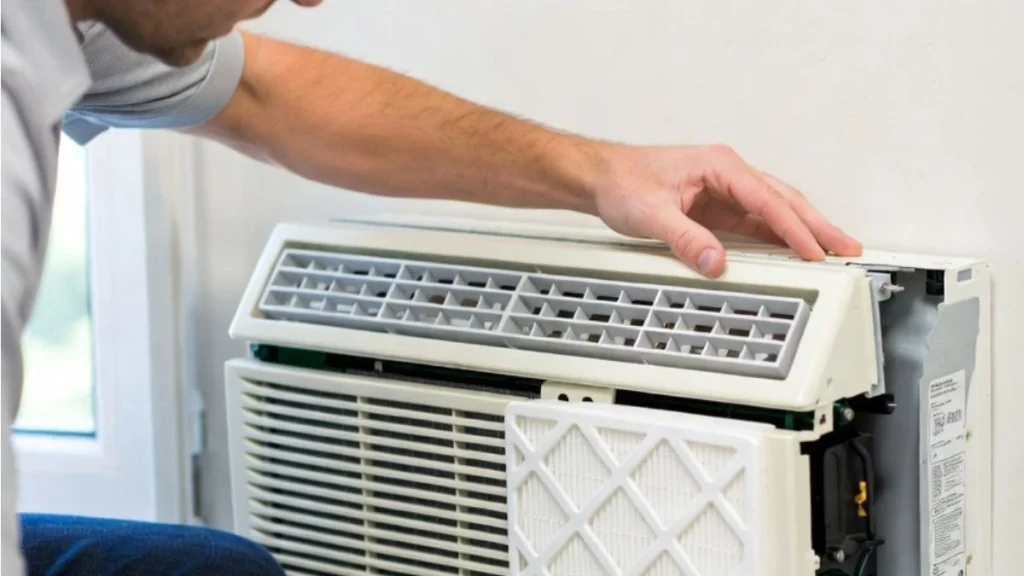
Cleaning your window AC unit is key to stopping water issues. Dirt and dust block airflow and trap moisture. This causes water to stay inside the unit instead of draining away. Clean the filters and coils often for best results.
- Remove and wash the air filters every 2-4 weeks. Use mild soap and water, then dry completely.
- Clean the evaporator and condenser coils with a soft brush or vacuum to remove dust and debris.
- Wipe down the interior and exterior parts to prevent dust buildup.
Here is a simple cleaning checklist:
| Task | Frequency | Tools Needed |
| Clean air filters | Every 2-4 weeks | Mild soap, water, soft cloth |
| Vacuum coils | Monthly | Soft brush, vacuum cleaner |
| Wipe surfaces | Monthly | Cloth, mild cleaner |
Regular cleaning ensures water flows properly and reduces water damage risk. It also improves cooling efficiency.
Checking For Blockages
Blockages stop water from draining or evaporating inside the AC unit. Dust, dirt, and small debris can clog internal parts. Check and clear blockages to keep water moving out of the unit.
Focus on these areas:
- Drain channels—Look for dust buildup or mud that blocks water flow.
- Drain pans—Empty any standing water and clean the pan to prevent mold.
- Air vents and grills—Clear dust and debris that restrict airflow.
Follow these steps to check for blockages:
- Turn off and unplug the AC unit.
- Remove the front panel or cover carefully.
- Inspect the drain pan for water and dirt.
- Use a small brush or cloth to clean drain channels.
- Check vents and grills for dust and clean as needed.
- Reassemble the unit and test it on a cool setting.
Clearing blockages helps water drain normally and stops leaks. It also prevents bad smells and mold growth inside the unit.
Seasonal Maintenance
Performing maintenance at the start and end of each cooling season keeps your AC in good shape. Seasonal care prepares the unit for heavy use and storage periods.
Before the cooling season:
- Deep clean the entire unit, including filters, coils, and drainage areas.
- Check for cracks or damage to seals and replace if needed.
- Test the unit to ensure it cools and drains water properly.
After the cooling season:
- Turn off and unplug the unit.
- Clean the filters and coils thoroughly.
- Drain any remaining water from the pan.
- Cover the unit to protect it from dust and pests.
Seasonal maintenance extends the life of your window AC and stops water damage risks. It also keeps the air fresh and unit running efficiently next year.
You May Read Also: Best Way to Seal Window AC Units for Energy Savings
Conclusion
A window AC without a drain hole can cause water problems. You must check the unit often to keep it dry. Cleaning the drain pan and hose helps water flow out. Always place the AC at a slight tilt to guide water.
Avoid letting water build up inside the unit. Taking these steps keeps your AC working well and your room dry. Small fixes can stop leaks and protect your home from damage. Stay alert and maintain your window AC regularly for best results.