

When you’re tiling your shower, one question that often comes up is: how much gap should you leave between the shower floor tile and the wall tile? It might seem like a small detail, but getting this gap right can make a big difference in the look, durability, and waterproofing of your shower.
If you leave too little space, you risk cracks and water damage. Too much space, and it can look sloppy or cause grout problems. You’ll discover the ideal gap size and why it matters so much for your shower’s long-term success.
Recommended Gap Size
Choosing the right gap between shower floor tile and wall tile is very important. This small space helps with water drainage and allows tiles to expand and move slightly. Without the right gap, tiles may crack or water can leak behind them. The gap also helps keep the shower clean and dry.
Why Leave A Gap?
Tiles and grout can expand and shrink due to temperature and moisture changes. A gap helps prevent tiles from pushing against each other. This space also stops water from getting trapped behind the tiles, which could cause mold and damage.
Ideal Gap Size
The best gap size between floor and wall tiles is usually between 1/8 inch (3 mm) and 1/4 inch (6 mm). This size is enough to allow movement and drainage but not too big to look bad. For larger tiles, slightly bigger gaps might be needed.
Materials To Use In The Gap
- Flexible silicone caulk: Seals the gap and allows movement.
- Waterproof grout: Used if the gap is small and needs to be filled.
- Backer rod: For wide gaps, placed before caulk for better support.
- Leaving no gap at all, which causes tile damage.
- Making the gap too large, leading to water pooling.
- Using hard grout in the gap, which can crack.
- Not sealing the gap properly, allowing water to leak.
Purpose Of The Gap
A small gap between the shower floor tile and wall tile is important. This space helps keep water from getting trapped. It also allows for movement between tiles. Without a gap, tiles can crack or pop off over time. Knowing the right size of this gap helps make your shower last longer.
Allows For Tile Movement
Tiles and walls expand and shrink with temperature and moisture. The gap gives tiles space to move. Without this space, tiles may crack or break. This gap helps keep the shower structure strong.
Prevents Water Damage
Water can seep into small cracks and cause damage. A gap filled with flexible sealant stops water from entering. This protects the wall and floor under the tiles. It helps avoid mold and rot.
Improves Shower Appearance
A clean, even gap looks neat and finished. It hides small tile size differences. The sealant in the gap gives a smooth edge. This makes the shower look well-built and cared for.
| Area | Gap Size | Sealant Type |
| Shower Floor to Wall Tile | 1/8 inch to 1/4 inch (3 to 6 mm) | Flexible silicone caulk |
| Wall Tile to Wall Tile | 1/16 inch to 1/8 inch (1.5 to 3 mm) | Grout or flexible sealant |
| Floor Tile to Floor Tile | 1/8 inch (3 mm) | Grout |
Factors Affecting Gap Width
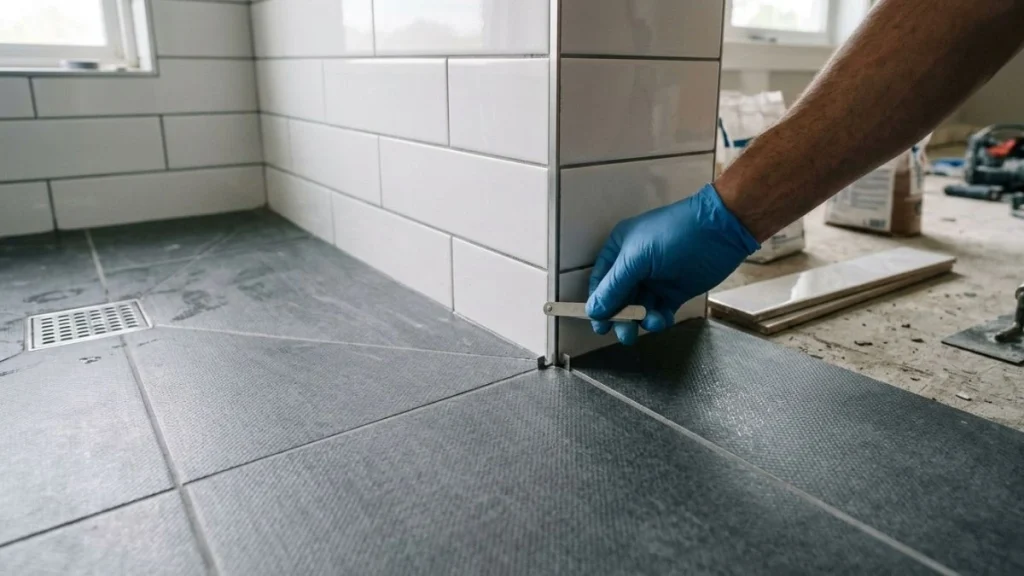
Choosing the right gap between the shower floor tile and wall tile is important. This gap helps with water drainage and stops cracks. The size of the gap depends on several factors. These include the size and type of tiles, the materials used to fill the gap, and how much the wall and floor move over time.
Tile Size And Type
The size and type of tiles affect the gap needed between the floor and wall. Large tiles usually need a smaller gap because they cover more area and have fewer joints. Smaller tiles may need a wider gap to allow for slight movements and grout expansion.
Different tile materials also change the gap size:
- Ceramic and Porcelain: These are stable and need a small gap, usually 1/8 inch.
- Natural Stone: These expand and contract more, so a gap of 1/4 inch or more is better.
- Glass Tiles: Fragile and need a consistent gap of about 1/8 inch to avoid cracking.
The shape and thickness of the tile can also affect the gap. Thicker or uneven tiles may need a bigger gap to fit properly against the wall.
Grout And Caulk Choices
The materials used to fill the gap between tiles are very important. Grout and caulk help seal the space and stop water from leaking. Each has different uses and sizes for gaps.
| Material | Best Gap Size | Purpose |
| Grout | 1/16 to 1/8 inch | Fills small gaps, hardens to protect tiles |
| Silicone Caulk | 1/8 to 1/4 inch | Flexible, seals movement areas, prevents leaks |
Grout is hard and good for small, stable gaps. Caulk is soft and flexible, which works well where tiles move or meet walls. Using caulk in the corner between floor and wall helps prevent cracks and water damage.
Wall And Floor Movement
Walls and floors move a little over time. This movement happens because of changes in temperature, humidity, or the building settling. The gap between shower floor tile and wall tile must allow for this movement.
Some key points about movement:
- Expansion and contraction: Tiles and grout expand in heat and contract in cold.
- Building settling: Slight shifts in the house can cause tiles to move or crack.
- Water exposure: Water makes some materials swell or shrink slightly.
To handle this movement, the gap should be filled with a flexible material like silicone caulk. This helps the shower stay sealed and stops tiles from cracking or popping out.
Installation Best Practices
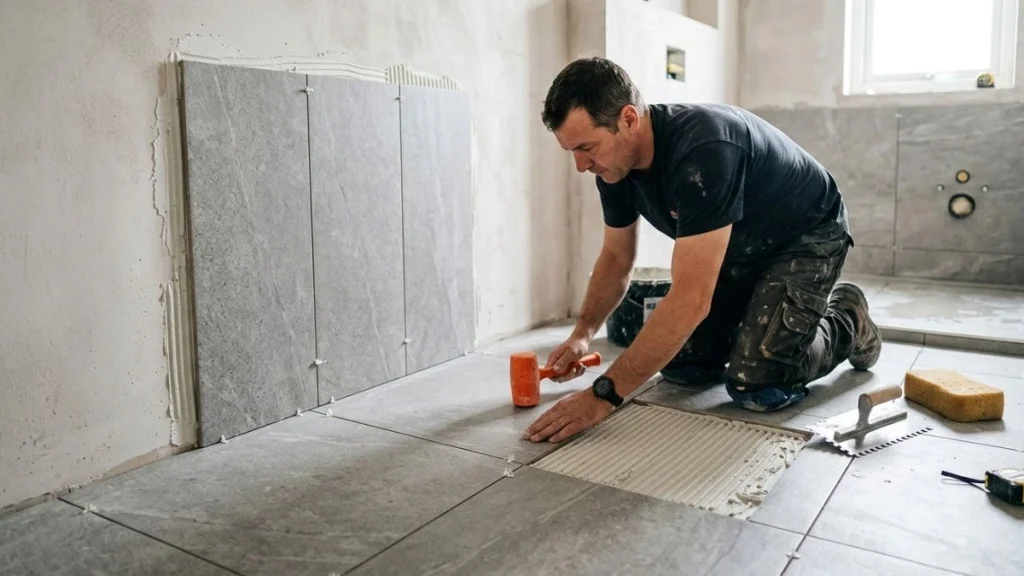
Creating the right gap between the shower floor tile and wall tile is very important. This gap helps with water drainage and allows tiles to expand and contract. Without a proper gap, tiles can crack or water can seep through. Following some simple installation practices will help keep your shower strong and leak-free.
Measuring And Marking
Start by measuring the space where the floor tile meets the wall tile. A gap of about 1/8 inch to 1/4 inch is usually enough. This space allows for tile movement and grout expansion.
Use a pencil or a marker to draw a line where the tiles will end. Mark both the floor and the wall for better accuracy. Check the measurements twice to avoid mistakes.
Some points to remember:
- Measure carefully to keep the gap consistent.
- Mark the lines clearly for easy tile placement.
- Consider the thickness of grout and caulk when measuring.
Using Spacers
Spacers are small plastic pieces that help keep the gap even between tiles. They are very useful for maintaining a straight and uniform line. Choose spacers that match your required gap size.
Steps to use spacers:
- Place spacers between the floor and wall tiles during installation.
- Check that all spacers are flush and aligned.
- Remove spacers carefully after the adhesive dries.
Using spacers prevents uneven gaps that can cause water leaks or tile cracks. They also make grouting easier. Remember to use clean spacers to avoid dirt in the grout line.
Sealing The Gap
Sealing the gap is key to stopping water from getting behind the tiles. Use a flexible sealant like silicone caulk for this job. It moves with the tiles and prevents cracks.
Steps for sealing:
- Clean the gap area thoroughly before applying sealant.
- Apply a smooth bead of sealant along the gap.
- Use a caulk smoothing tool or finger to even out the sealant.
- Allow the sealant to dry fully before using the shower.
Sealant should be checked regularly and replaced if cracked. This helps keep your shower waterproof and looking good.
Common Mistakes To Avoid
Setting the right gap between shower floor tile and wall tile is very important. This gap helps with water drainage and prevents damage. Many people make errors that cause leaks or tile problems later. Knowing these mistakes can help you get a lasting and clean shower finish.
Leaving No Gap At All
Not leaving any gap can cause big problems. Tiles and walls move a little over time. Without a gap, tiles may crack or grout will break. A small space allows tiles to expand and contract safely. Always leave a proper gap to avoid future repairs.
Making The Gap Too Wide
A gap that is too wide looks bad and collects dirt easily. Water can also get trapped in large gaps, leading to mold growth. Keep the gap small but enough for movement. Usually, a gap of about 1/8 inch (3 mm) is enough for most showers.
Using The Wrong Sealant
Choosing the wrong sealant can cause leaks and damage. Use silicone sealant made for bathrooms. It is waterproof and flexible. Avoid regular caulk as it can crack and peel. Sealant helps keep water from going behind tiles.
Ignoring Surface Preparation
Not cleaning or drying the area before sealing causes poor adhesion. Dust, dirt, or moisture stops sealant from sticking well. Always wipe the surfaces clean and dry before applying sealant. This step makes the seal last longer.
Overfilling Or Underfilling The Gap
Putting too much or too little sealant can cause problems. Overfilling looks messy and can peel off. Underfilling leaves space for water to seep in. Apply sealant evenly and fill the gap just right for best results.
Similar Read: Install Shower Pan Over Existing Tile Floor
Conclusion
A small gap between shower floor and wall tiles helps prevent water damage. Usually, a gap of about 1/8 inch works well. This space allows for grout and caulk to seal properly. Too wide a gap can cause water leaks and mold.
Too narrow makes sealing hard and less effective. Always check manufacturer advice for best results. Proper spacing keeps your shower safe and clean. Simple steps lead to long-lasting tile work. Take your time and measure carefully. Your shower will look neat and stay dry.