

Have you noticed small gaps appearing in your hardwood floor shortly after installation? It can be frustrating to see those spaces where your floor should be smooth and seamless.
You might wonder if something went wrong or if the problem will get worse over time. Understanding why these gaps happen and what you can do about them is key to keeping your floor looking great and lasting longer. Keep reading to learn the simple reasons behind these gaps and how you can fix or prevent them in your home.
Causes Of Gaps
Gaps in hardwood floors after installation are a common concern for many homeowners. These gaps appear as small spaces between floorboards, which can affect the floor’s look and durability.
Wood Expansion And Contraction
Wood is a natural material that changes size with moisture and temperature. This process is called expansion and contraction. When wood absorbs moisture, it expands. When it loses moisture, it contracts. This constant movement can create gaps between floorboards.
Key points about wood expansion and contraction:
- Wood expands in humid conditions and contracts in dry conditions.
- Seasonal changes cause wood to change size regularly.
- Different wood species expand and contract at different rates.
The amount of expansion or contraction depends on:
| Factor | Effect on Wood |
| Humidity Level | Higher humidity causes more expansion. |
| Temperature | Warmer temperatures increase wood movement. |
| Wood Species | Some species absorb moisture faster than others. |
Proper installation allows space for this movement. Without it, gaps or buckling can happen. Understanding this natural behavior helps in choosing the right wood and installation methods.
Improper Acclimation
Acclimation means letting hardwood adjust to the room’s temperature and humidity before installation. Skipping or rushing this step leads to gaps later. Wood needs time to balance moisture with its new environment.
How improper acclimation causes gaps:
- Wood brought in too dry will expand after installation.
- Wood brought in too wet will shrink after drying out.
- Uneven acclimation causes some boards to move more than others.
Installation Errors
Errors during installation are a major cause of gaps in hardwood floors. Even small mistakes can create spaces between boards. Skilled installers follow strict guidelines to avoid these problems.
Common installation errors that cause gaps:
- Not leaving expansion gaps around the room edges.
- Incorrect board spacing or alignment.
- Using damaged or warped boards.
- Failing to secure boards properly.
- Installing on an uneven subfloor.
Environmental Factors
Environment plays a big role in hardwood floor gaps. Changes in weather, indoor climate, and ventilation all affect wood movement.
Important environmental factors include:
- Humidity: Low humidity dries wood, causing shrinkage and gaps.
- Temperature: Extreme heat or cold can speed up wood changes.
- Ventilation: Poor airflow traps moisture or dryness, affecting wood.
- Sunlight exposure: Direct sunlight can dry floors unevenly.
Identifying Gap Types
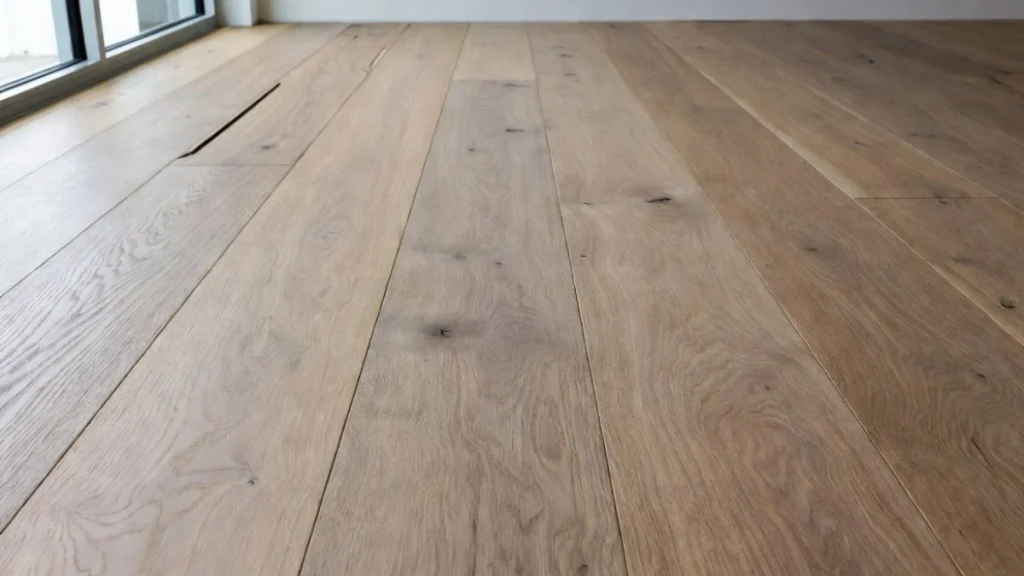
Gaps in hardwood floors often appear after installation. These gaps can vary in size and pattern. Identifying gap types is the first step in solving hardwood floor problems. It saves time and money during repairs.
Small Vs Large Gaps
Small gaps are usually less than 1/8 inch wide. They are common and often caused by natural wood movement. Wood shrinks or expands with changes in humidity and temperature. Small gaps may appear during dry seasons and close during humid months.
- Small gaps are normal and often not a big problem.
- They may appear between floorboards or near walls.
- Small gaps can be fixed with wood filler or by adjusting humidity.
Large gaps are wider than 1/8 inch. They look more noticeable and may cause discomfort. Large gaps often mean the floor was not installed properly. They can also happen if the wood dried too much before installation.
- Large gaps need immediate attention to avoid damage.
- They allow dirt and moisture to enter, harming the floor.
- Repair may require replacing boards or professional help.
Consistent Vs Random Gaps
Consistent gaps appear evenly between all floorboards. These gaps form a pattern and usually show a problem with installation or wood quality. Consistent gaps often happen if the floorboards were cut wrong or if the room’s humidity was not controlled during installation.
- Consistent gaps indicate an installation or material issue.
- They affect the entire floor, making the problem easy to spot.
- Fixing consistent gaps may require reinstallation or sanding.
Random gaps occur irregularly across the floor. These gaps may be small or large and appear in no clear pattern. Random gaps often result from wood movement after installation or small damage to certain boards. They can also be caused by uneven subfloor or loose nails.
- Random gaps are harder to predict or prevent.
- They can appear in patches or around specific areas.
- Repair depends on the gap size and location.
Fixing Existing Gaps
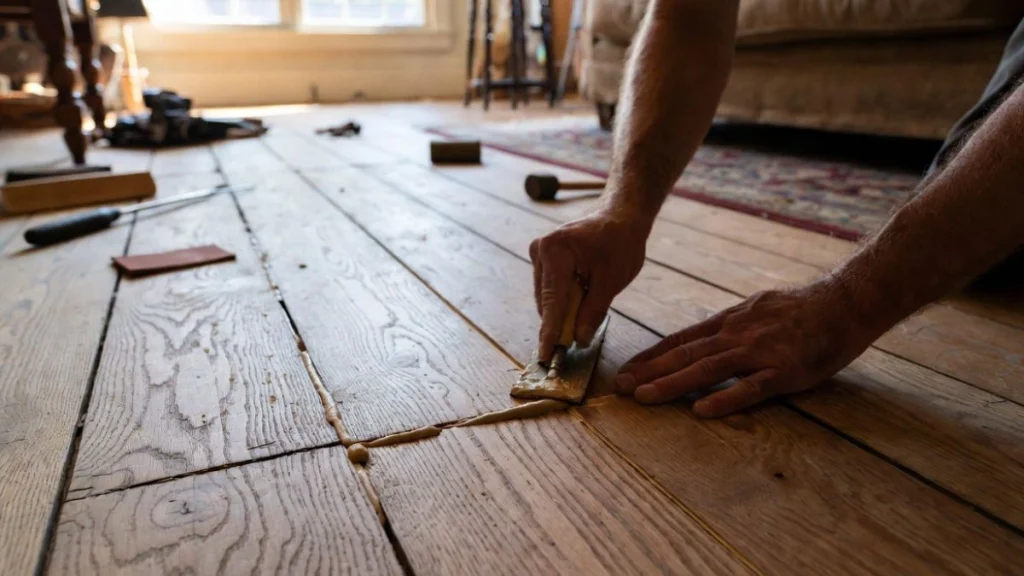
Fixing existing gaps is essential to maintain the floor’s beauty and prevent dirt buildup or damage. Several methods exist to close or minimize these gaps, depending on their size and location.
Filling With Wood Putty Or Filler
Filling gaps with wood putty or filler is a simple and cost-effective way to fix small to medium gaps in hardwood floors. This method works best for gaps less than 1/8 inch wide. Wood putty comes in various colors to match different wood tones, making the repair less visible.
Steps to fill gaps with wood putty:
- Clean the gap by removing dust and debris.
- Choose a wood putty color that matches your floor.
- Apply the putty with a putty knife, pressing it into the gap.
- Remove excess putty and smooth the surface.
- Let it dry according to the manufacturer’s instructions.
- Sand lightly if needed and apply finish to blend.
Limitations: Putty may shrink over time and is less effective for wide gaps. Choose a high-quality filler to reduce shrinkage and improve durability.
Using Rope Or Cork Strips
Rope or cork strips offer a natural and flexible way to fill wider gaps in hardwood floors. This method suits gaps larger than 1/8 inch where putty would not hold well. The strips are pressed into the gaps, creating a tight seal that moves slightly with the wood.
How to use rope or cork strips:
- Measure the gap width and depth.
- Choose rope or cork strips that match the gap size.
- Cut the strips slightly longer than the gap.
- Press the strips firmly into the gap using a putty knife or similar tool.
- Trim any excess material flush with the floor surface.
- Optionally, apply a finish to blend the repair.
Considerations: Rope and cork may not match the floor color exactly. Over time, strips might compress and need replacement.
Board Replacement
Replacing individual boards is a more involved solution for fixing large or multiple gaps caused by damaged or warped planks. This method restores the floor’s integrity and appearance by installing new boards in place of the old ones.
Steps for board replacement:
- Identify damaged or problematic boards.
- Remove the affected boards carefully without harming adjacent planks.
- Prepare replacement boards that match the wood type, size, and finish.
- Install new boards, ensuring tight fit to avoid new gaps.
- Sand and finish the replaced area to blend with existing floor.
Drawbacks: This process requires skill and tools. Mistakes can damage the floor. It may also be costly and time-consuming.
Professional Repair Options
Professional hardwood floor repair offers expert solutions for gaps that are difficult to fix alone. Specialists assess the floor condition and recommend the best repair method, ensuring quality and durability.
Common professional services include:
- Gap filling and sanding: Professionals fill gaps with high-quality materials and sand the floor for a smooth finish.
- Board replacement: Experts remove and replace damaged boards precisely.
- Refinishing: Sanding and applying new finish to improve floor appearance and protect against future gaps.
- Humidity control advice: Guidance on maintaining proper indoor humidity to prevent new gaps.
Why choose professional repair?
- Access to specialized tools and materials.
- Experience in handling complex floor issues.
- Guaranteed workmanship and longer-lasting results.
- Time-saving and less stressful for homeowners.
Professional help ensures your hardwood floor looks seamless and stays strong for years.
You May Read Also: Vinyl Floor Next to Hardwood
Conclusion
Gaps in hardwood floors can appear after installation for many reasons. Changes in humidity and temperature cause wood to expand or shrink. Small gaps do not always mean a bad job. You can fix some gaps by adjusting room conditions or using wood filler.
Regular care and cleaning help keep floors in good shape. Watch your floors over time to catch problems early. Taking simple steps protects your investment and keeps floors looking great. Hardwood floors add warmth and beauty to any home.