

Are you thinking about adding a roof over your deck but aren’t sure which style fits best? A gable roof over deck might be exactly what you need.
It not only provides great protection from sun and rain but also adds a stylish, open feel to your outdoor space. Imagine enjoying your deck, rain or shine, with plenty of fresh air and natural light. You’ll discover why a gable roof is a smart choice and how it can transform your deck into your favorite spot at home.
Benefits Of A Gable Roof Over A Deck

A gable roof over a deck offers many benefits that improve both the function and appearance of your outdoor space. This simple roof design, with two sloping sides meeting at a ridge, enhances the deck’s usability while adding architectural charm.
Enhanced Outdoor Living Space
A gable roof creates a more inviting outdoor area by providing shade and shelter. This allows you to enjoy the deck during different weather conditions. The sloped design gives a feeling of openness and higher ceilings, making the space feel larger and airier.
- Shade and Comfort: Blocks harsh sunlight, making the deck cooler and more comfortable.
- Ventilation: The peaked roof allows hot air to rise and escape, improving airflow.
- Versatility: Space under the roof can be used for dining, relaxing, or entertaining guests.
The gable roof also offers design flexibility. You can add ceiling fans, lights, or even hanging plants to enhance the atmosphere. Its classic look fits well with many home styles, blending seamlessly with existing architecture.
Improved Weather Protection
A gable roof shields your deck from rain, snow, and wind. The steep slopes allow water and snow to slide off easily, preventing buildup and damage. This protection extends the life of your deck materials and keeps the area safer to use.
| Weather Element | Benefit of Gable Roof |
| Rain | Water runs off quickly, reducing leaks and wood rot. |
| Snow | Snow slides off, preventing heavy weight on the roof. |
| Wind | Sloped design deflects wind, reducing damage risk. |
| Sun | Provides shade, protecting furniture and flooring from fading. |
Proper weather protection means fewer repairs and lower maintenance costs. It also allows you to use your deck throughout the year, regardless of the weather outside.
Increased Home Value
Adding a gable roof over your deck can raise your home’s market appeal. Buyers often see covered outdoor spaces as valuable features. A well-designed gable roof adds visual interest and practical benefits, making your property stand out.
Here are some reasons a gable roof can increase home value:
- Attractive Design: Enhances curb appeal and overall home aesthetics.
- Extended Living Space: Creates usable outdoor areas that add square footage feeling.
- Durability: Protects the deck, reducing future repair expenses.
- Energy Efficiency: Provides shade, potentially lowering cooling costs in summer.
Real estate experts often note that homes with covered decks sell faster and at better prices. The gable roof’s classic style fits many neighborhoods, appealing to a wide range of buyers.
Design Styles For Gable Roofs

Gable roofs over decks are popular for their simple structure and effective water drainage. They add charm and protection to outdoor spaces. Different design styles of gable roofs can change the look and feel of a deck. These styles range from classic to modern and include decorative touches. Choosing the right design style helps create a comfortable and attractive outdoor area.
Traditional Gable Roofs
Traditional gable roofs have a classic triangular shape with two sloping sides. This design is strong and easy to build. It allows rain and snow to slide off quickly, which protects the deck underneath. Traditional gable roofs suit many home styles, especially cottages and farmhouse designs.
Key features of traditional gable roofs:
- Simple, symmetrical shape
- Steep pitch for better drainage
- Open space under the roof for airflow
- Use of wood or shingles for roofing
Modern Variations
Modern gable roof designs add new shapes and materials to the classic form. These variations can make the deck look stylish and up-to-date. Modern gable roofs often use clean lines, different angles, and mixed materials like metal or glass.
Common modern gable roof styles include:
- Asymmetrical gables: One side longer or steeper than the other
- Flat-topped gables: A small flat section at the peak for a unique look
- Mixed materials: Combining wood with metal or glass panels
- Open or floating designs: Partial roofs that create shade without full coverage
Decorative Elements
Decorative elements add personality and charm to gable roofs over decks. These details make the roof a focal point of the outdoor space. Common decorations include trim, brackets, and vent shapes. These features can match the home’s style or add unique flair.
Popular decorative elements for gable roofs:
- Bargeboards: Decorative boards along the roof edges
- Gable vents: Stylish vents that improve airflow and add design
- Brackets and corbels: Supportive and ornamental pieces under eaves
- Shingles patterns: Using different shapes or colors for visual interest
- Finials and ridge caps: Small ornamental pieces at the roof peak
Materials Used For Gable Roofs
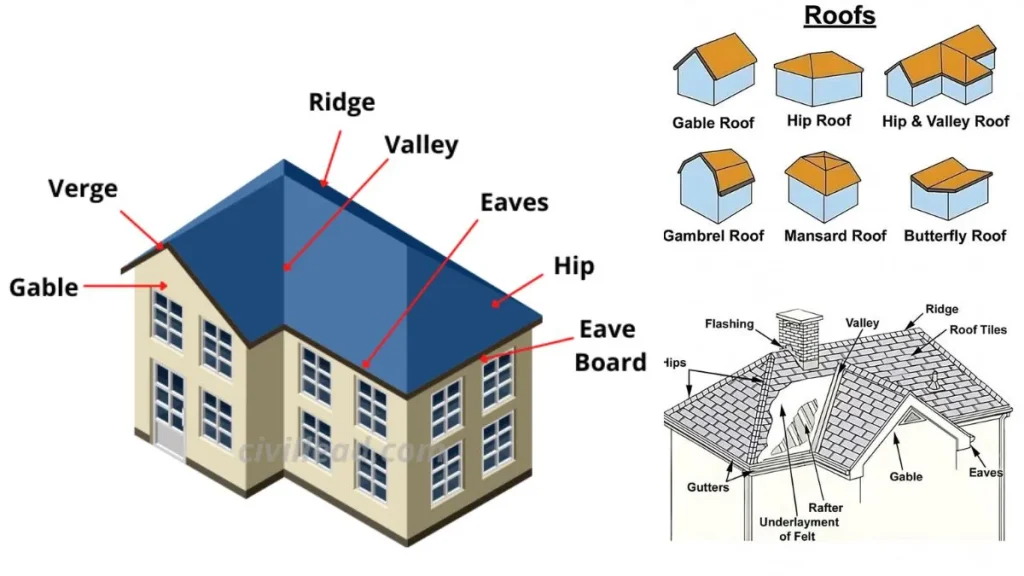
Choosing the right materials for a gable roof over a deck affects its durability, style, and protection. Gable roofs have two sloping sides that form a peak, making them ideal for shedding water and snow. The materials used must suit the climate, budget, and design preferences. Some materials offer natural beauty, while others focus on strength and low maintenance.
Wood Options
Wood is a classic choice for gable roofs. It offers a warm, natural look that blends well with outdoor decks. Cedar and redwood are popular because they resist rot and insects. Wood needs regular care to stay strong and attractive. Proper sealing and staining protect it from moisture and sun damage.
Common wood types for gable roofs:
| Wood Type | Durability | Maintenance | Cost |
| Cedar | High | Medium | Moderate |
| Redwood | High | Medium | High |
| Pine | Medium | High | Low |
Wood roofing adds charm but needs upkeep. Treat it every few years to avoid warping or decay. It fits well with rustic or traditional deck styles.
Metal Roofing
Metal is a strong, long-lasting option for gable roofs over decks. It resists fire, insects, and extreme weather. Metal panels come in steel, aluminum, or copper. They are lightweight and easy to install on sloped roofs.
Types of metal roofing materials:
- Steel: Strong and affordable, often coated to prevent rust.
- Aluminum: Lightweight and rust-resistant, ideal near water.
- Copper: Very durable with a unique look, but costly.
Metal roofs are low maintenance and handle heavy rain or snow well. Noise from rain can be louder, but adding insulation helps. Metal roofing suits modern or industrial deck designs.
Composite Shingles
Composite shingles combine materials like asphalt, fiberglass, and recycled products. They mimic the look of wood or slate but cost less and last longer. These shingles are popular for their ease of installation and weather resistance.
Why choose composite shingles?
- Cost-effective: Less expensive than natural wood or slate.
- Durability: Can last 20-50 years depending on quality.
- Low maintenance: No need for frequent repairs or treatments.
Composite shingles provide a balance of style, price, and performance. They fit well with traditional and contemporary gable roofs over decks. Their versatility makes them a top choice for homeowners seeking reliability with good looks.
Construction Process
Constructing a gable roof over a deck enhances outdoor living space and adds architectural charm. The construction process involves careful steps to ensure the roof is strong, weatherproof, and visually appealing. Each phase requires attention to detail, from planning to final installation, to guarantee safety and durability.
Planning And Permits
Proper planning is the first step in building a gable roof over your deck. This stage involves deciding the roof size, pitch, and materials. It is important to check local building codes and obtain necessary permits before starting construction. Permits ensure the project meets safety and zoning laws.
- Measure the deck area to determine the roof size.
- Choose a roof pitch that suits the climate and style.
- Select roofing materials such as shingles, metal, or tiles.
- Consult local building authorities for permit requirements.
- Prepare drawings or blueprints if required by the permit office.
Permits may take time to process. Plan accordingly to avoid delays. Failing to get permits can lead to fines or forced removal of the roof.
| Permit Type | Typical Requirements | Estimated Time |
| Building Permit | Drawings, site plan, structural details | 1-3 weeks |
| Zoning Permit | Property boundaries, roof height limits | 1 week |
Framing The Roof
Framing forms the skeleton of the gable roof. It starts with installing strong support beams attached to the deck’s existing structure. Rafters are cut to match the chosen roof pitch and then fixed to the beams. Proper framing ensures the roof can handle wind, rain, and snow loads.
Steps for framing:
- Install ledger board on the house wall to support the roof.
- Attach support posts at the deck’s outer edge for stability.
- Cut rafters using the roof pitch angle.
- Secure rafters to the ledger board and support posts.
- Add ridge beam at the peak for extra strength.
- Install cross braces if needed for added support.
Use treated lumber for durability. Check that all connections are tight and level. Safety comes first during framing.
Installing Roofing Materials
After framing, roofing materials protect the deck from weather. Start by laying a waterproof underlayment over the rafters. This layer prevents water from seeping in. Next, install the chosen roofing material carefully to ensure full coverage and drainage.
Common materials include:
- Asphalt shingles – affordable and easy to install
- Metal panels – long-lasting and resistant to weather
- Wood shakes – natural look, requires maintenance
- Clay or concrete tiles – heavy but durable
Installation tips:
- Start at the bottom edge and work upward.
- Overlap each row to prevent leaks.
- Secure materials firmly with nails or screws.
- Seal joints and edges with roofing cement or tape.
- Install flashing around edges and connections to stop water intrusion.
Proper installation extends roof life and keeps the deck dry and safe. Inspect the roof after installation to catch any gaps or loose materials.
Cost Factors
Installing a gable roof over a deck adds charm and protection to outdoor spaces. Understanding the cost factors helps plan the project effectively. Several elements influence the total cost, including materials, labor, and extra features. Each plays a role in the final budget and quality of the roof.
Material Expenses
Material costs also depend on the roof size and thickness. Additional materials like waterproof membranes, nails, and sealants add to the expenses.
| Material | Cost per Square Foot | Durability |
| Wood | $5 – $10 | Moderate (requires upkeep) |
| Metal | $7 – $15 | High (long-lasting) |
| Asphalt Shingles | $3 – $6 | Low to Moderate |
| Tiles | $10 – $20 | Very High |
Labor Costs
Labor charges depend on the project’s complexity and location. Skilled workers are needed to build a sturdy gable roof that fits well over the deck.
Factors affecting labor costs:
- Roof size: Larger roofs take more time and effort.
- Design complexity: Steeper angles or custom details require skilled labor.
- Local labor rates: Urban areas may have higher costs than rural ones.
- Preparation work: Removing old structures or leveling the deck adds time.
Average labor costs range from $40 to $70 per hour. A typical project might take 2-5 days, depending on size and complexity.
| Task | Estimated Labor Hours | Cost Range |
| Frame construction | 8 – 16 | $320 – $1120 |
| Roof sheathing | 4 – 8 | $160 – $560 |
| Shingle or panel installation | 6 – 12 | $240 – $840 |
Additional Features
Extra features can raise the cost but improve functionality and style. These include gutters, lighting, insulation, and ventilation.
- Gutters: Protect the deck from water damage. Cost depends on material and length.
- Lighting: Adds ambiance and safety. Options vary from simple fixtures to built-in LED strips.
- Insulation: Keeps the space cooler in summer and warmer in winter.
- Ventilation: Prevents moisture buildup under the roof, extending its life.
Adding these features may increase the budget by 10-30%. Choosing only necessary extras can balance cost and benefits.
| Feature | Estimated Cost Range | Benefits |
| Gutters | $200 – $600 | Water protection |
| Lighting | $100 – $500 | Improved usability |
| Insulation | $300 – $800 | Temperature control |
| Ventilation | $150 – $400 | Moisture control |
You Should Read Also: Covered Porch Gable Roof Addition Tie In
Conclusion
A gable roof over your deck adds style and good protection. It helps keep rain and sun away, making your space more useful. This roof type also improves air flow, keeping things cooler. You can choose many materials to match your home.
Easy to build and strong, it suits many needs. A gable roof makes your outdoor area nice and comfy. Consider this design to enhance your deck’s look and function. Simple, smart, and practical—just what your home needs.