

Is your furnace acting up, and you suspect the floor drain might be clogged? A blocked furnace floor drain can cause water to back up, leading to leaks, unpleasant odors, and even damage to your heating system.
If you ignore it, small problems can quickly turn into costly repairs. You’ll discover simple signs of a clogged furnace floor drain, why it happens, and easy steps you can take right now to fix it before things get worse.
Causes Of Furnace Floor Drain Clogs
A furnace floor drain is a crucial part of your heating system. It removes water from the furnace area to keep the space dry and safe. A clogged furnace floor drain causes water to pool and may lead to damage or mold growth.
Debris And Dirt Buildup
Debris and dirt are the top reasons for furnace floor drain clogs. Over time, dust, small particles, and dirt settle in the drain pipe. This debris sticks to the pipe walls and slowly builds up. The buildup narrows the drain, making it hard for water to flow freely.
Common sources of debris include:
- Dust from the air around the furnace
- Small pieces of insulation or building materials
- Rust flakes from metal pipes
- Pet hair or fibers from nearby carpets
Regular cleaning of the furnace area and drain helps reduce debris buildup. Use a vacuum or a brush to clear the drain opening every few months.
Algae And Mold Growth
Algae and mold can grow inside the drain due to constant moisture. The furnace floor drain stays damp, creating a perfect environment for these organisms. Over time, their growth narrows the drain pipe and blocks water flow.
Signs of algae or mold in your drain include:
- Musty smell near the furnace
- Green or black slimy residue inside the drain
- Slow draining water
Algae and mold thrive in warm, wet places. The furnace area often matches these conditions. Mold spores float in the air and settle in the drain. Algae grow when light reaches the moist drain, such as in basements with some sunlight.
Improper Drain Installation
Improper installation of the furnace floor drain can cause clogs and drainage problems. A drain that is not sloped correctly will not allow water to flow out fast enough. Water may pool and leave dirt and debris behind, which leads to clogging.
Common installation errors include:
- Drain pipes with too little slope (less than 1/4 inch per foot)
- Pipes that are too narrow for the water volume
- Sharp bends or kinks in the drain pipe
- Drain openings placed too low or blocked by floor debris
Frozen Or Blocked Pipes
Frozen pipes are a major cause of furnace floor drain clogs in cold climates. When water inside the drain pipe freezes, it blocks water flow completely. Ice buildup can also crack pipes, causing leaks and bigger problems.
Blocked pipes happen for several reasons:
- Ice forming during winter months
- Objects or debris stuck inside the pipe
- Collapsed or damaged pipes
Frozen pipes cause water to back up near the furnace. This may damage floors and walls. Blocked pipes create standing water, which encourages mold growth.
Signs Of A Clogged Furnace Floor Drain
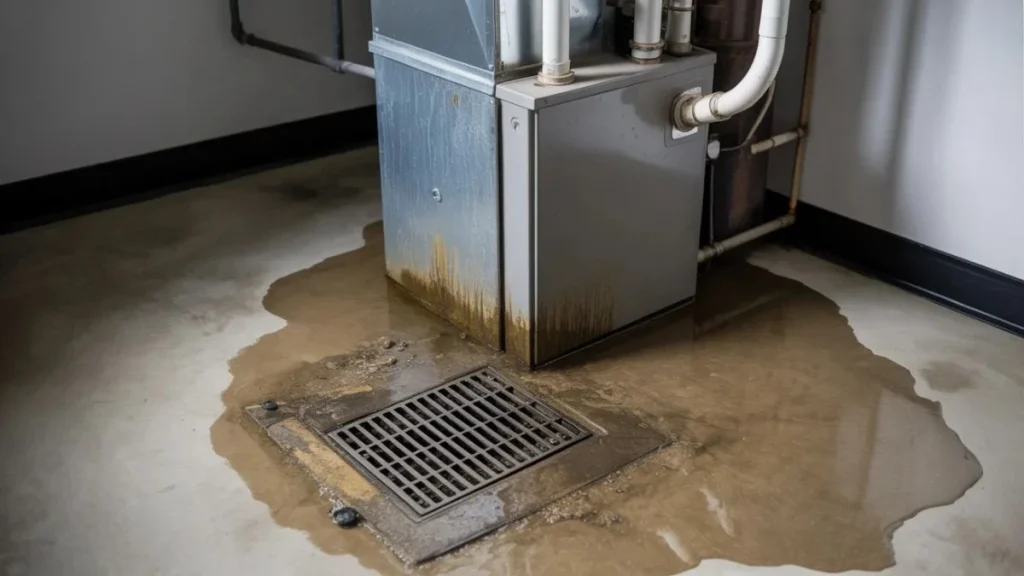
A clogged furnace floor drain can cause several problems in your home. It often goes unnoticed until signs become clear and affect your comfort and safety. Recognizing the early signs of a clogged floor drain helps prevent damage and costly repairs. Below are common signs indicating your furnace floor drain may be blocked.
Water Backup Near Furnace
One of the first signs of a clogged furnace floor drain is water backup near the furnace. This happens because water from the furnace’s condensation or drainage system cannot flow freely. The water then pools near or under the furnace, creating a wet area on the floor.
Look for these clues:
- Visible puddles or damp spots around the furnace base.
- Water stains or discoloration on the floor or walls near the furnace.
- Dripping sounds or water pooling after the furnace runs.
Water backup can damage your furnace and the surrounding area. It may also create a slipping hazard and encourage mold growth.
| Potential Issue | Effect |
| Water pooling near furnace | Damage to furnace parts and flooring |
| Water stains on walls/floor | Possible mold and mildew growth |
| Unusual moisture or dampness | Increased risk of slips and falls |
Unpleasant Odors
Unpleasant odors near the furnace often indicate a clogged floor drain. When water cannot drain, it sits stagnant, allowing bacteria and mold to grow. This growth produces musty or foul smells that spread through your home.
Common odor descriptions:
- Musty or damp smell
- Rotten eggs or sulfur-like smell
- General foul or stale air
These smells usually get worse over time. Ignoring them can lead to poor indoor air quality and health issues like allergies or respiratory problems.
Slow Drainage Or Standing Water
Slow drainage or standing water in the furnace floor drain is a clear sign of blockage. Water may drain slowly or not at all. Over time, water builds up and can overflow onto the floor.
Signs of slow drainage include:
- Water pooling around the drain opening.
- Drain water taking a long time to disappear.
- Visible debris or buildup near the drain.
Standing water can damage the furnace and surrounding materials. It also increases humidity and encourages mold growth.
| Cause | Effect |
| Debris buildup in drain | Slow or blocked water flow |
| Drain pipe damage | Water leaks or backups |
| Improper drain slope | Standing water in drain |
Increased Humidity Levels
A clogged furnace floor drain can cause humidity to rise in your home. Water that cannot drain properly adds moisture to the air. This extra moisture raises indoor humidity levels.
Effects of increased humidity:
- Feeling of dampness or stickiness indoors.
- Condensation on windows and walls.
- Growth of mold, mildew, and dust mites.
High humidity harms your comfort and can damage your home’s structure. It also affects the furnace’s efficiency, making it work harder.
Step-by-step Cleaning Process
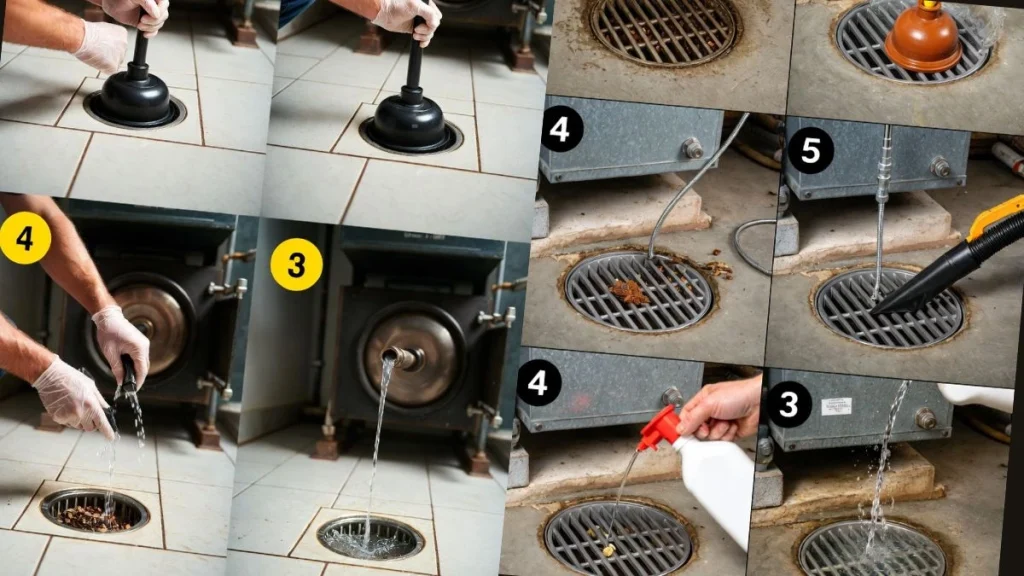
This step-by-step cleaning process guides you through each action, ensuring your furnace drain clears safely and efficiently. Follow these clear instructions to restore proper drainage and protect your furnace from water buildup.
Turn Off Furnace And Power
Before starting any cleaning work, safety comes first. Turn off the furnace and its power supply to avoid electrical hazards or accidental damage. Locate the furnace’s power switch or unplug it from the wall outlet. If your furnace is connected to a breaker panel, switch off the corresponding breaker.
Steps to safely turn off the furnace:
- Find the furnace power switch, usually near the unit.
- Flip the switch to the “off” position or unplug the furnace.
- Go to your home’s breaker panel and turn off the furnace breaker.
Turning off the furnace stops water flow and prevents the unit from running during cleaning. This step helps avoid electrical shocks or damage to furnace components. Never work on the furnace while it is powered on.
Remove Drain Cover
Next, locate the floor drain cover near your furnace. This cover protects the drain pipe from debris and pets. Removing it gives access to the clogged area.
Follow these simple steps:
- Use a screwdriver or your hands to lift or unscrew the drain cover.
- Place the cover and screws safely aside for reinstallation.
- Check the cover for cracks or damage; replace if necessary.
The drain cover may be secured with screws or designed to snap off. Handle the cover gently to avoid damage. Keeping the cover clean and intact helps prevent future clogs by blocking large debris.
Clear Visible Debris
Look inside the drain opening and remove any visible debris. Leaves, dirt, dust, or small objects can block water flow. Clearing this debris is a key step in unclogging the drain quickly.
Use these tools and tips:
- Gloves to protect your hands from dirt and bacteria.
- Tweezers or needle-nose pliers to grab stubborn debris.
- A flashlight to see deeper inside the drain pipe.
Gently pull out all loose debris. Avoid pushing anything further down the drain, as that could worsen the clog. Clear debris regularly to keep the drain flowing freely.
Use Drain Snake Or Plunger
If debris removal does not fix the clog, use a drain snake or plunger. These tools help break up or pull out blockages further inside the drain pipe.
How to use a drain snake:
- Insert the snake’s coil end into the drain opening.
- Turn the handle clockwise to push the snake deeper.
- When resistance is felt, twist and pull to dislodge the clog.
- Withdraw the snake and remove any attached debris.
Using a plunger:
- Place the plunger cup over the drain opening.
- Push and pull firmly to create suction and pressure.
- Repeat 5-10 times to loosen the clog.
Choose the tool based on clog severity. A snake works well for stubborn blockages, while a plunger suits lighter clogs. Clean tools thoroughly after use to prevent bacteria spread.
Flush With Cleaning Solution
After clearing the clog, flush the drain with a cleaning solution to remove buildup and kill germs. Use a mild, non-corrosive cleaner safe for furnace drains.
Recommended cleaning solutions:
| Solution | How to Use | Benefits |
| Vinegar and Baking Soda | Pour 1/2 cup baking soda, then 1 cup vinegar into drain. Wait 15 minutes. Flush with warm water. | Natural, safe, breaks down residue and deodorizes. |
| Commercial Drain Cleaner | Follow label instructions carefully. | Effective on tough clogs; use with caution. |
| Bleach Solution | Mix 1 part bleach with 10 parts water. Pour into drain. Wait 10 minutes. Flush well. | Kills bacteria and mold; use sparingly. |
Flush the drain with warm water after cleaning. Never mix different chemicals, as this can cause harmful fumes.
Test Drain Functionality
After cleaning, test if the furnace floor drain works properly. Pour water into the drain and watch it flow freely without pooling or backing up.
Testing steps:
- Slowly pour about 1 gallon of water into the drain.
- Observe the water level inside the drain pipe.
- Check for any slow drainage or water overflow.
- Listen for gurgling sounds indicating air trapped in pipes.
Good drain function means water disappears quickly and quietly. If water drains slowly or backs up, repeat the cleaning process or call a professional plumber. Regular testing helps catch clogs early and protects your furnace.
Read Also: Basement Stair Drain Clogged
Conclusion
A clogged furnace floor drain can cause many problems. Water may build up and damage your home. Cleaning the drain regularly helps avoid these issues. Check the drain for blockages and clear debris often. Small effort now saves big repair costs later.
Keep your furnace running safely and smoothly. Taking care of your floor drain protects your investment. Stay alert to signs of clogging and act fast. This simple step keeps your home dry and comfortable.