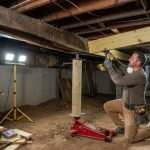


If you’ve noticed cracks spreading across your basement floor, water pooling in certain corners, or your renovation plans coming to a halt because the surface is uneven — you’re not alone. Millions of homeowners deal with uneven basement floors every year, and most don’t know where to start or what it’s going to cost them.
The cost of leveling a basement floor typically ranges from $500 to $5,000 or more, depending on the method used, the size of the space, and how severe the problem is. This guide breaks down everything you need to know — real numbers, proven methods, and practical advice — so you can make a smart, informed decision before spending a single dollar.
What Does It Mean to Level a Basement Floor?
Leveling a basement floor means correcting uneven, sunken, or cracked concrete surfaces so they become flat, stable, and ready for use. This isn’t just a cosmetic fix. An uneven basement floor can cause serious problems — from flooring failures and water damage to safety hazards and structural concerns.

Why Basement Floors Become Uneven Over Time
Basement floors don’t become uneven overnight. It’s usually a gradual process driven by a few common causes:
- Soil settlement: The soil beneath your slab shifts or compacts over time, leaving voids that cause sections to sink.
- Water and moisture damage: Repeated exposure to moisture weakens the concrete and surrounding soil, leading to cracks and dips.
- Poor original construction: Some basement floors were never poured properly to begin with — thin slabs, bad curing, or inadequate base preparation.
- Foundation movement: As a home’s foundation shifts due to soil pressure or age, the basement floor often reflects that movement through cracks and slopes.
Signs Your Basement Floor Needs Leveling
You don’t need to be a contractor to spot the warning signs. Here’s what to look for:
- Visible cracks running across the floor
- Noticeable dips, slopes, or high spots
- Water consistently pooling in certain areas
- Doors or walls showing signs of stress or misalignment
- Previously installed flooring buckling or separating
If you’re seeing two or more of these signs, it’s time to get a professional assessment — and start thinking about budget.
Average Cost to Level a Basement Floor
The cost landscape helps you set a realistic budget and avoid being caught off guard by contractor quotes.
National Average Cost Overview
| Project Scope | Cost Range |
| Minor leveling (under 1 inch) | $500 – $1,500 |
| Moderate leveling (1–3 inches) | $1,500 – $3,500 |
| Severe leveling (3+ inches) | $3,500 – $8,000+ |
| Cost per square foot | $2 – $30 per sq ft |
Most homeowners end up spending somewhere between $1,500 and $3,000 for a standard basement floor leveling project. However, if structural repairs are involved, that number can climb significantly.
Cost by Basement Size
The size of your basement is one of the biggest cost drivers. More square footage means more materials and more labor hours.
| Basement Size | Estimated Cost Range |
| Small (under 500 sq ft) | $500 – $2,000 |
| Medium (500–1,000 sq ft) | $1,500 – $4,500 |
| Large (1,000+ sq ft) | $3,000 – $8,000+ |
Keep in mind these are estimates. The actual cost depends heavily on the leveling method used and the severity of the unevenness.
Basement Floor Leveling Cost by Method
Not all leveling jobs are the same, and the method you use makes a significant difference in both cost and outcome. Here’s a breakdown of the most common approaches.
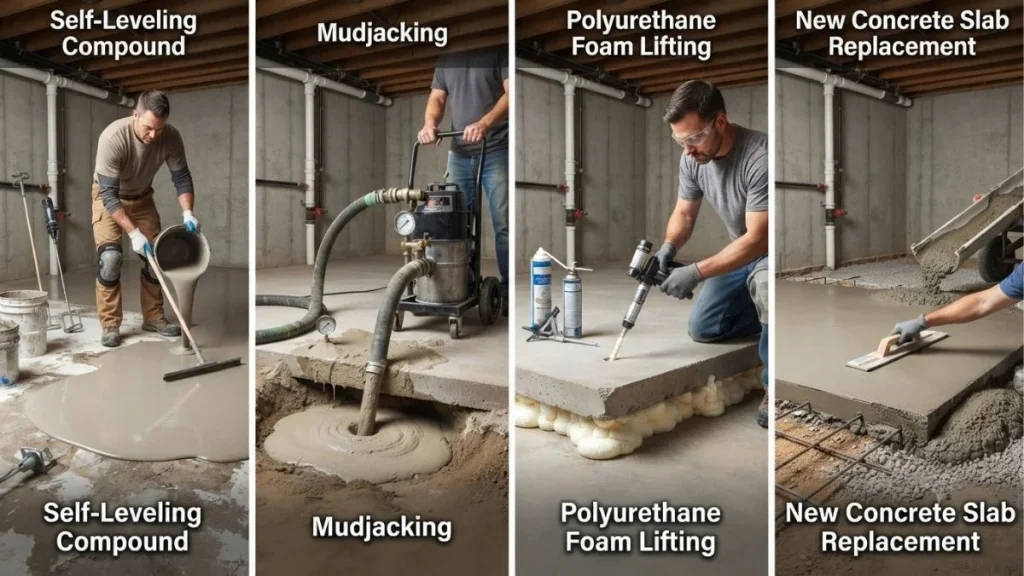
Self-Leveling Compound
This is the most popular and beginner-friendly method for minor unevenness. A liquid compound is poured over the floor and naturally flows to fill low spots as it cures.
Best for: Unevenness under 1–1.5 inches
Average cost: $1 – $5 per square foot (materials only)
DIY-friendly: Yes, with proper surface prep and priming
Self-leveling compound is widely available at hardware stores and produces a smooth, hard surface when dry. If you’re dealing with minor dips and don’t want to spend thousands, this is typically your best starting point.
Mudjacking (Slabjacking)
Mudjacking involves pumping a mixture of cement, soil, and water beneath sunken concrete slabs to lift them back into position.
Best for: Sunken or tilted concrete slabs
Average cost: $3 – $8 per square foot
Lifespan: 5–10 years on average
It’s more affordable than polyurethane foam lifting but slightly less precise. It’s a solid middle-ground option for moderate slab sinking.
Polyurethane Foam Lifting (Polyjacking)
Polyjacking uses expanding foam injected beneath the slab to lift and stabilize it. It’s faster, lighter, and longer-lasting than mudjacking.
Best for: Precision lifting with minimal disruption
Average cost: $5 – $25 per square foot
Lifespan: 10+ years
The higher price tag is justified by faster curing time (you can walk on it within hours), less mess, and greater durability over time.
Full Concrete Slab Replacement
When the damage is too extensive to patch or lift, the entire slab may need to be removed and repoured.
Best for: Severely cracked or structurally compromised floors
Average cost: $6 – $15 per square foot
This is the most expensive option but sometimes the only long-term solution — especially when the floor has major structural failures or significant moisture damage underneath.
Grinding Down High Spots
Sometimes the issue isn’t low areas but high spots that make the floor uneven. Concrete grinding brings those elevated sections down to match the rest of the floor.
Best for: Isolated high points
Average cost: $2 – $5 per square foot
This method is often combined with self-leveling compound to address both high and low areas in the same project.
What Factors Affect the Cost of Leveling a Basement Floor?
Two basement floor leveling projects can look similar on the surface but come in at very different price points. Here’s what drives those differences.
Severity of unevenness is the most direct cost factor. A quarter-inch dip is simple. A three-inch slope requires significantly more material and labor — and possibly structural evaluation before any work begins.
Labor rates in your region vary widely. Contractors in the Northeast or Pacific Coast typically charge $80–$150 per hour, while those in the Midwest or Southeast may charge $50–$90 per hour. Always get at least three local quotes before committing.
Moisture problems can add unexpected costs. If your floor has active moisture issues, any leveling work done on top will fail without first addressing waterproofing. Moisture testing typically costs $200–$600, and waterproofing can add $1,500–$5,000 to your total project cost.
Permits and inspections may be required if structural work is involved. Permit fees typically run $50–$300 depending on your municipality. Skipping permits when they’re required can create problems when you sell your home.
Prep work — removing old flooring, cleaning the surface, and applying primer — is often overlooked in initial estimates. Budget an extra $0.50–$3 per square foot for this phase depending on your existing floor type.
DIY vs. Hiring a Professional
One of the most common questions homeowners ask is whether they can tackle this themselves. The honest answer: it depends on the situation.
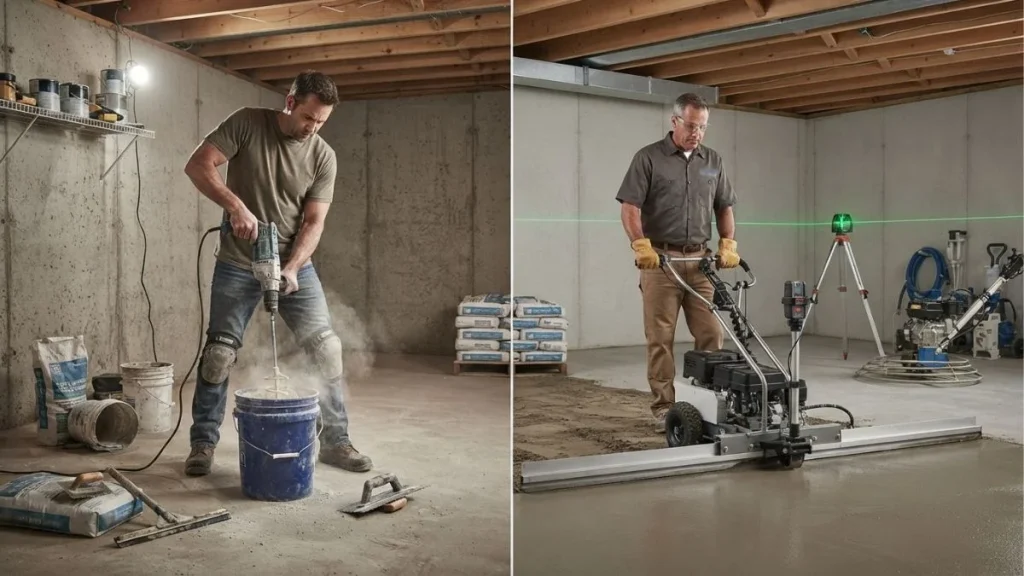
When DIY Makes Sense
If your basement floor has minor unevenness under one inch and no underlying structural or moisture issues, a DIY self-leveling compound project is very doable. Here’s a realistic DIY cost breakdown for a 600 sq ft basement:
| Item | Estimated Cost |
| Self-leveling compound (bags) | $150 – $300 |
| Primer | $30 – $60 |
| Tools (trowel, mixing paddle) | $40 – $80 |
| Total DIY Estimate | $220 – $440 |
Compare that to a professional quote of $1,000–$2,500 for the same job, and the savings are clear. DIY can cut costs by 50–60% when the project is straightforward.
When to Call a Professional
There are situations where DIY is not the right call, and attempting it anyway can make things significantly worse:
- The floor has dropped more than 1–2 inches
- You can see cracks that are widening or shifting
- Water is consistently entering from beneath the slab
- The unevenness is caused by foundation movement
- You’re planning to use mudjacking or polyjacking (these require specialized equipment)
In these cases, hiring a licensed contractor isn’t just convenient — it’s necessary. Ask for proof of insurance, check online reviews, and get everything in writing before any work begins.
Additional Costs to Plan For
Leveling the floor is often just one part of a larger project. These related costs can affect your total budget:
- Waterproofing: $1,500 – $5,000 (critical if moisture is present)
- Old flooring removal: $0.50 – $3 per sq ft depending on material
- Foundation crack repair: $400 – $800 per crack (injection method)
- New flooring installation after leveling: $2 – $15+ per sq ft
- Structural foundation repair (if needed): $5,000 – $15,000+
Always get a full scope of work in writing so there are no surprises midway through the project.
How to Save Money on Basement Floor Leveling
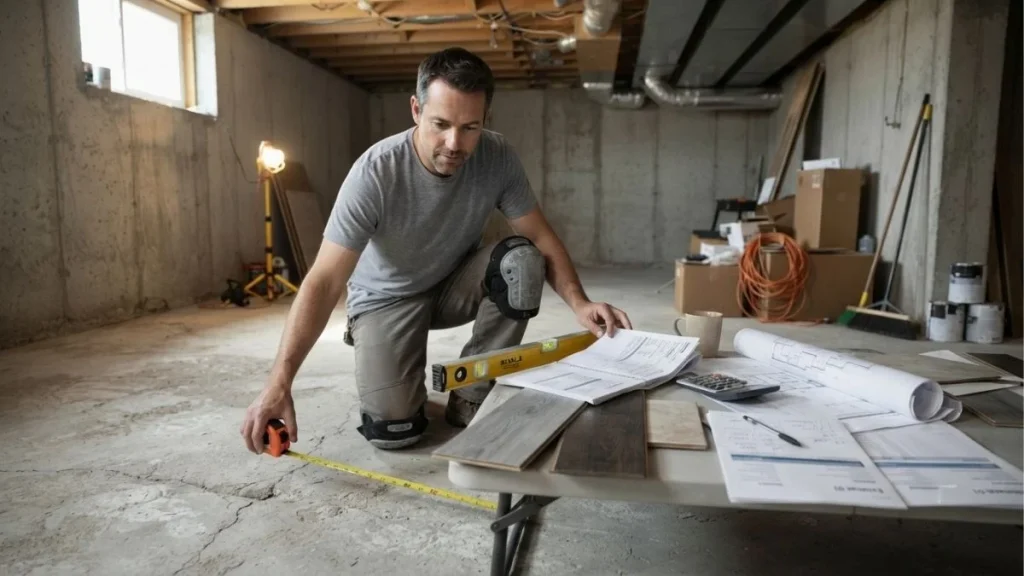
You don’t have to overpay to get quality results. A few smart decisions upfront can save you hundreds — sometimes thousands — of dollars.
- Get at least three quotes from licensed contractors and compare the scope of work, not just the price
- Address moisture issues first — waterproofing before leveling prevents costly do-overs
- Do your own prep work — removing old flooring and cleaning the surface yourself can cut labor costs
- Bundle projects — if you’re finishing your basement anyway, negotiating a package deal with one contractor often results in a discount
- Use self-leveling compound for minor issues instead of hiring out something you can realistically handle yourself
- Avoid the lowest quote if it seems suspiciously cheap — quality materials and workmanship have a floor price for a reason
Is Leveling Your Basement Floor Worth It?
Short answer: yes — in most cases, it absolutely is.
A level basement floor opens the door to finishing the space, whether that means a home gym, guest room, home office, or entertainment area. Finished basement space can add 10–25% to your home’s overall value, and appraisers specifically look at basement condition when assessing a property.
Beyond value, there’s the safety and practicality angle. An uneven floor is a trip hazard, a moisture trap, and a problem that only gets worse with time. The longer you wait, the more the underlying issue progresses — and the more expensive the fix becomes.
If the cost of leveling a basement floor is the main concern, think of it this way: spending $1,500 to $3,000 now is far more manageable than dealing with $10,000 in structural repairs
Conclusion
An uneven basement floor isn’t just an eyesore — it’s a problem that compounds over time. Whether you’re dealing with a small dip near one wall or a major slope across the entire space, there’s a solution that fits your situation and your budget.
The cost of leveling a basement floor ranges from a few hundred dollars for minor DIY fixes to several thousand for professional structural work. The key is catching the problem early, addressing any moisture issues first, and choosing the right method for your specific situation.
Before you hire anyone, get multiple quotes, check credentials, and make sure you understand exactly what’s included in the scope of work. A well-leveled basement floor is the foundation — literally — for everything else you want to do with that space.