
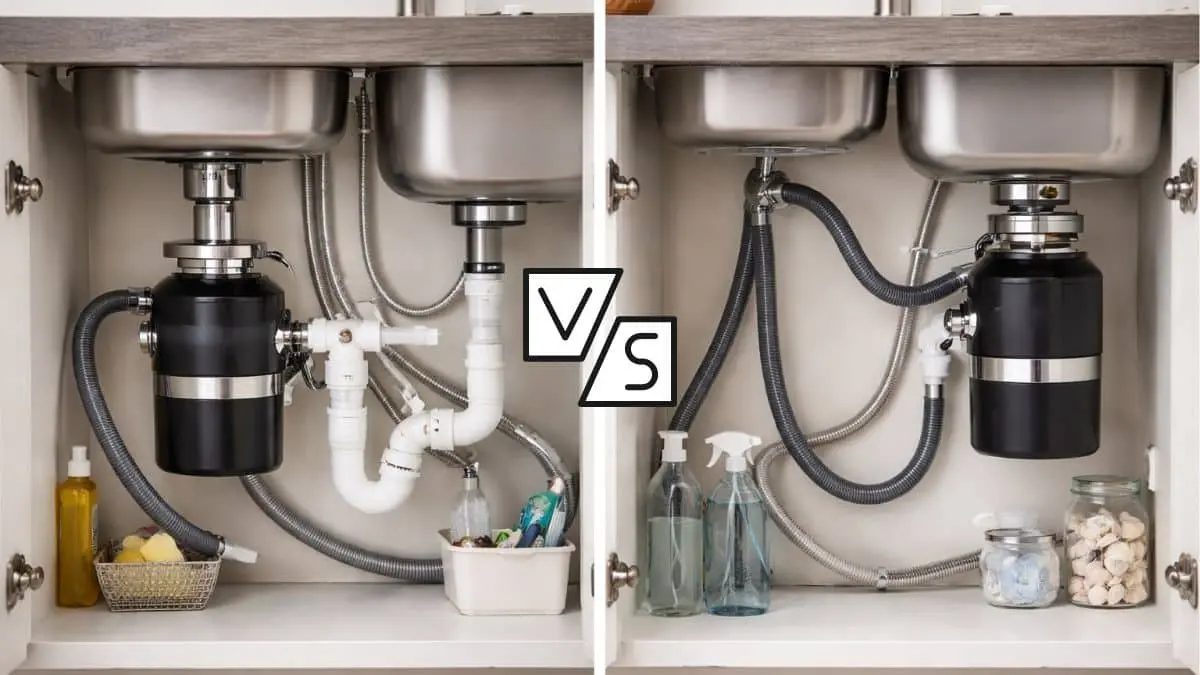
When it comes to keeping your dishwasher drain safe and clean, you might have heard about an air gap and a high loop. But which one is better for your home?
You’re probably wondering how these two options work and which fits your needs best. Understanding the difference can save you from costly repairs and unpleasant smells. You’ll discover exactly what makes an air gap and a high loop unique, how they protect your plumbing, and which choice suits your kitchen setup.
Air Gap Basics
Air Gap Basics are essential to understand when comparing air gaps and high loops in plumbing. An air gap is a simple but powerful safety feature that stops dirty water from flowing back into clean water supplies.
It creates a space between the water outlet and the flood level of a drain. This space acts as a barrier, preventing contamination and ensuring water safety. Knowing how air gaps work helps you see why they are often required by plumbing codes and why they differ from high loops.
What Is An Air Gap?

An air gap is a physical separation between the end of a water supply outlet and the flood level of a fixture or drain. It prevents backflow by allowing air to break the connection between clean water and potentially dirty water.
Here are key points about air gaps:
- Purpose: Stop contamination of potable water.
- Design: Usually a vertical space of at least twice the diameter of the water outlet.
- Location: Commonly found in sinks, dishwashers, and other fixtures where water drains.
- Requirement: Often required by plumbing codes for safety.
Example: A faucet spout that ends 1 inch above the sink drain creates an air gap if the sink’s flood level is below the spout.
Common Uses In Plumbing
Air gaps appear in many plumbing setups. Their role is to protect clean water from pollution. Here are some common places air gaps are used:
- Kitchen sinks: Air gaps prevent dirty water from dishwashers from entering the drinking water supply.
- Dishwashers: A small air gap fitting on the sink or countertop is often required.
- Water dispensers and fountains: They use air gaps to avoid backflow contamination.
- Commercial plumbing: Air gaps protect water systems in restaurants, hospitals, and factories.
High Loop Essentials

The debate between Air Gap and High Loop methods focuses on preventing dirty water from flowing back into clean water supplies. Both techniques aim to stop contamination in sinks and dishwashers.
Defining The High Loop
A High Loop is a drain hose installation method that prevents wastewater from siphoning back into a dishwasher or sink. It involves raising the drain hose to a high point before it connects to the drain or garbage disposal.
This raised loop acts as a barrier, stopping dirty water from flowing back into clean dishes or the dishwasher. The high loop works by using gravity and air pressure to keep the hose clear of standing water.
Key features of a High Loop:
- The hose forms a peak, usually attached under the countertop or the sink.
- The highest point of the loop is above the flood level of the sink.
- It does not require special parts; just proper placement of the hose.
Installation Scenarios
High loops fit well in many kitchen setups. They are common in homes where local codes allow them as a backflow prevention method.
Common high loop installation scenarios include:
- Under the sink: The drain hose is fastened under the countertop, reaching above the sink’s flood level.
- Behind cabinets: The hose is looped high inside a cabinet to prevent backflow.
- Next to garbage disposal: The hose is raised before it connects to the disposal unit.
Good installation requires:
- Secure attachment of the hose to avoid sagging.
- The loop’s highest point must stay above the sink’s flood rim.
- A smooth hose path to prevent kinks or blockages.
Comparing Air Gap And High Loop
Understanding the differences between an Air Gap and a High Loop helps protect your plumbing from contamination. Both methods stop dirty water from flowing back into clean water supplies. They serve a similar purpose but work in different ways. Comparing Air Gap and High Loop highlights their unique features and benefits.
Functionality Differences
The Air Gap creates a physical space between the water outlet and the flood level of a sink or dishwasher. This gap stops water from flowing backward into the appliance or water source.
- Physical separation: Air Gap uses an open space without any connection between drain and water outlet.
- Visible design: Usually a small device installed on the sink or countertop.
- Simple and reliable: No moving parts, works purely by gravity and air space.
The High Loop involves routing the drain hose higher than the flood level of the sink. It creates a loop that water must climb before draining back, reducing backflow risk.
- Elevated hose: The drain hose is bent and fastened to a point above the sink’s flood level.
- Less visible: The loop is often hidden under the sink cabinet.
- Easy to install: No special device needed, just proper hose placement.
Effectiveness In Preventing Backflow
Both Air Gap and High Loop stop dirty water from contaminating clean water. Their effectiveness depends on the setup and local plumbing rules.
Air Gap is considered the most effective method. It provides a clear barrier by using air space. Even if water pressure changes, backflow cannot cross the gap.
- Stops backflow completely due to physical separation.
- Prevents siphoning or pressure backflow.
- Required by many plumbing codes for dishwashers.
High Loop reduces backflow risk but does not fully prevent it. Water must flow uphill to return, which lowers the chance of contamination. Still, if pressure conditions change, backflow may occur.
- Relies on gravity and hose height.
- Less reliable during pressure changes.
- Accepted in some areas but not all.
Building Code Requirements
Building codes set clear rules to keep plumbing safe and clean. These rules cover how to stop dirty water from flowing back into clean water systems. Two common methods are air gaps and high loops. Both help prevent contamination but have different rules in building codes.
When Codes Mandate Air Gaps
Air gaps are physical separations between the water outlet and the flood level of a fixture. This gap stops dirty water from backing into the clean water supply. Building codes often require air gaps in certain situations to ensure maximum protection.
The main reasons codes demand air gaps include:
- Commercial kitchens: Air gaps prevent contamination in food service areas.
- Medical facilities: High safety is needed to avoid health risks.
- Dishwashers and sinks: Where wastewater could flow back into clean water.
Codes specify exact measurements for air gaps. Typically, the gap must be twice the diameter of the pipe or at least 1 inch. This prevents any chance of water crossing the gap.
| Application | Minimum Air Gap | Purpose |
| Kitchen sink faucet | 2 x pipe diameter or 1 inch | Stop dirty water from sink backflow |
| Dishwasher drain | 2 x pipe diameter or 1 inch | Prevent wastewater from re-entering supply |
| Medical facility fixtures | As per local code (often larger) | Maximum contamination prevention |
Local codes and the Uniform Plumbing Code (UPC) or International Plumbing Code (IPC) often require air gaps. Ignoring these rules can cause health hazards and legal penalties.
Acceptability Of High Loops
High loops are bends in the drain hose that rise above the flood level of a sink or tub. They reduce backflow risk by making it harder for dirty water to flow backward. Building codes sometimes allow high loops but with limits.
High loops are often acceptable in:
- Residential dishwasher installations
- Sinks without strict commercial or medical use
- Situations where installing an air gap is difficult
However, high loops must meet these conditions:
- The loop must be higher than the flood level rim of the fixture.
- The drain hose must be secured to maintain the loop height.
- Local codes and manufacturer instructions must permit this method.
Many local codes view high loops as a secondary option, not a full replacement for air gaps. Some codes require air gaps for commercial settings but allow high loops in homes.
| Installation Type | High Loop Allowed? | Notes |
| Residential dishwasher | Yes | Meets most local codes if properly installed |
| Commercial kitchen | No | Air gaps required for safety |
| Medical facilities | No | Strict air gap standards apply |
Always check local plumbing codes and product manuals before choosing high loops. Proper installation and compliance keep water safe and avoid violations.
Pros And Cons
Choosing between an Air Gap and a High Loop is key for safe and efficient plumbing. Both prevent dirty water from flowing back into clean water supplies. Each has unique benefits and some downsides. Understanding the pros and cons helps pick the right option for your home or business.
Advantages Of Air Gaps
An Air Gap is a physical space between the water outlet and the flood level of a drain. This gap stops dirty water from flowing back into clean water pipes.
- Strongest protection against backflow and contamination.
- Simple design with no moving parts or valves to fail.
- Easy to inspect visually for proper function.
- Meets strict plumbing codes and health standards in many areas.
Air Gaps prevent any chance of cross-contamination by separating the water supply and drainage completely. They work well for dishwashers, sinks, and water dispensers. The space allows air to break any backflow path.
| Feature | Benefit |
| No physical contact | Stops all backflow risks |
| Visible gap | Easier maintenance and checks |
| Code compliance | Meets health department rules |
Advantages Of High Loops
A High Loop raises the drain line above the sink or appliance flood level. It creates a barrier that reduces backflow risk.
- Simple and low-cost to install without special parts.
- Uses existing plumbing pipes with a loop shape.
- Works well in tight spaces where Air Gaps are hard to fit.
- Reduces splash and drainage clogs by lifting the drain line.
High Loops rely on gravity and pipe height rather than a physical gap. They are common under kitchen sinks for dishwashers. This method is easier for DIY installation and repairs.
Potential Drawbacks
Both Air Gaps and High Loops have downsides to consider before choosing one.
- Air Gaps can be unsightly and take up space under sinks.
- They may cause water to splash out during draining.
- Some installations require drilling or additional fixtures.
- High Loops do not provide as strong a backflow barrier as Air Gaps.
- Improper height or loose pipes can allow backflow.
- High Loops depend on gravity, so blockages or pressure changes may cause issues.
Choosing the wrong option for your setup can lead to contamination risks or plumbing problems. Air Gaps require more space and might be harder to install neatly. High Loops need careful placement and may not meet all local codes.
Installation Tips
Choosing between an air gap and a high loop for your dishwasher drain requires careful installation. Proper setup prevents dirty water from flowing back into your dishwasher, keeping it clean and safe.
Proper Air Gap Setup
An air gap is a small device that stops wastewater from flowing back into your dishwasher. Installing it correctly is important to avoid leaks and blockages. Here are key steps for a proper air gap setup:
- Mount the air gap on the sink or countertop near the dishwasher.
- Use the air gap’s mounting hardware to secure it tightly.
- Connect the dishwasher drain hose to the air gap’s inlet.
- Attach the outlet hose from the air gap to the garbage disposal or sink drain.
- Ensure all hose connections are tight and secure.
- Check that the hoses are free of kinks or sharp bends.
Use this table to understand the hose connections clearly:
| Air Gap Port | Connected To |
| Inlet (Dishwasher Side) | Dishwasher Drain Hose |
| Outlet (Sink Side) | Garbage Disposal or Sink Drain |
Test the setup by running the dishwasher and watching for leaks. Tighten any loose parts. Keep the air gap clean by removing debris regularly. This simple step keeps water flowing smoothly and prevents clogs.
Correct High Loop Placement
The high loop method uses the dishwasher drain hose to prevent backflow. Installing the loop at the right height is critical. It acts as a barrier to stop dirty water from entering the dishwasher. Follow these tips for proper high loop placement:
- Locate the drain hose from the dishwasher under the sink.
- Secure the hose to the underside of the countertop or cabinet wall.
- Raise the hose to a height above the sink drain or garbage disposal connection.
- Make sure the hose forms a loop at least 20 inches (50 cm) high.
- Use clamps or zip ties to hold the loop firmly in place.
- Connect the hose to the sink drain or garbage disposal outlet.
Maintenance And Troubleshooting
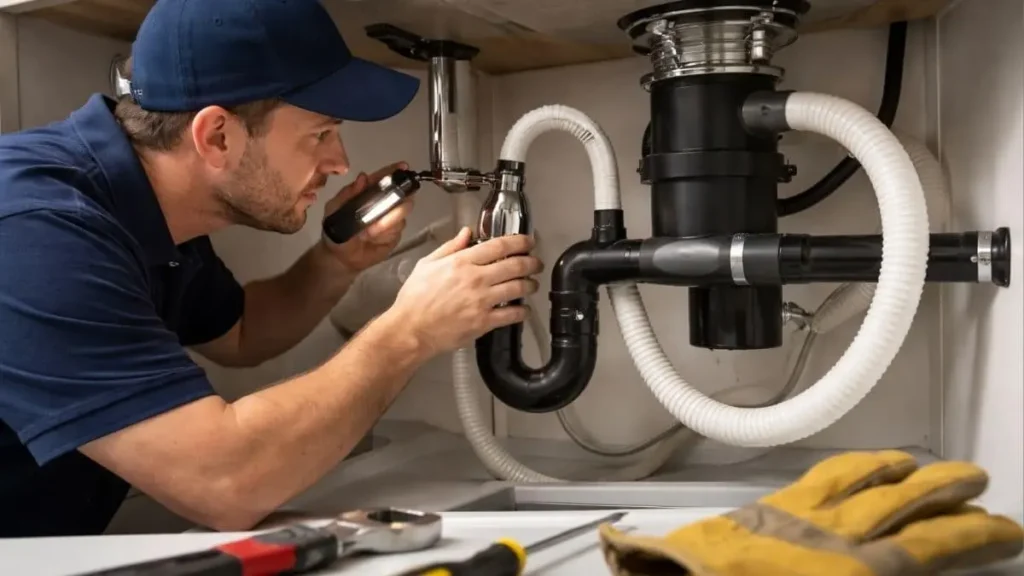
Understanding maintenance and troubleshooting is key for both air gap and high loop systems. These devices prevent dirty water from flowing back into clean water supplies. Each has unique challenges that can affect performance and safety. Keeping them in good shape ensures water stays safe and appliances work well.
Common Issues With Air Gaps
Air gaps are simple devices but can face some common problems. Dirt and debris often block the small opening. This blockage stops water from flowing freely, causing backups and leaks. Sometimes, the air gap can crack or break, leading to leaks under the sink.
Here are typical air gap issues:
- Clogging: Dirt or hard water deposits build up inside the air gap.
- Leaks: Cracks or loose fittings cause water to drip.
- Noisy drainage: Blockage causes gurgling or strange sounds.
- Improper installation: Wrong placement can reduce effectiveness.
High Loop Problems And Fixes
High loops are easier to maintain but can still have issues. The loop must stay above the sink drain to stop backflow. If the loop droops or is too low, it fails to protect the water supply. Sometimes, the drain hose gets kinked or clogged, causing slow draining or leaks.
Common problems with high loops include:
- Low loop height: Reduces the air gap effect.
- Kinked hose: Blocks water flow, causing backups.
- Loose hose clamps: Leads to leaks and water damage.
- Improper hose length: Too short or too long affects function.
Conclusion
Choosing between an air gap and a high loop protects your plumbing from backflow. Both methods stop dirty water from flowing into clean water lines. An air gap uses space to block water, while a high loop relies on height.
Each has benefits depending on your setup and local rules. Simple, safe, and effective. Keep your water clean and your home healthy. Pick the option that fits your needs best. Safety first, always.