

Are your cabinet doors looking crooked and out of place? It’s a common problem that can make your entire kitchen or bathroom feel messy, even if everything else is spotless.
The good news is, fixing crooked cabinet doors is easier than you might think. With a few simple steps, you can have your cabinets looking straight and polished again. Keep reading, and you’ll learn how to quickly and confidently restore your cabinets—no special tools or skills needed.
Identify The Problem
Taking time to identify the exact issue saves time and effort later. It also helps you choose the right tools and methods to fix the problem. Below are simple ways to check what causes your cabinet doors to be crooked.
Check Door Alignment
Start by examining the door alignment. Look closely at how the door sits in the frame. A crooked door often sticks out or sits unevenly compared to other doors. Check if the door is:
- Leaning to one side
- Not closing flush with the cabinet frame
- Gaps that are wider at the top or bottom
Use a ruler or straight edge to measure gaps between the door and frame. Compare the gaps at the top, middle, and bottom. Uneven gaps mean the door is not aligned correctly. Write down where you find the biggest gaps.
Inspect Hinges And Screws
Next, check the cabinet hinges and screws. Loose or damaged hinges often cause doors to hang crooked. Look for:
- Loose screws holding the hinges
- Rust or damage on the hinges
- Hinges that are bent or misaligned
Use a screwdriver to gently tighten all screws on the cabinet door hinges. If screws spin without tightening, they may be stripped. In that case, replace them with slightly larger screws or use wood filler to hold screws tightly.
Hinge condition matters too. Hinges that are rusty or bent can stop doors from closing properly. Replace broken hinges with new ones of the same size.
| Hinge Issue | Effect on Door | Fix |
| Loose screws | Door hangs unevenly | Tighten or replace screws |
| Bent hinges | Door misaligned or hard to close | Replace hinges |
| Rusty hinges | Hinges stiff, door sticks | Replace or lubricate hinges |
Check both the door side and cabinet frame side hinges. Sometimes one side causes the problem, but both need inspection for a proper fix.
Look For Warped Wood
Wood warping can make cabinet doors crooked. Warping happens because of moisture, heat, or age. Look for signs like:
- Door edges that curve outward or inward
- Uneven thickness when you feel the door surface
- Visible gaps between door panels or frame
Use a straight edge or level to check if the door surface is flat. Place it along the door’s length and width. If there are gaps between the straight edge and door, the wood is warped.
Wood warping can be mild or severe. Mild warping might fix with adjusting hinges or adding shims. Severe warping may need door replacement.
Here is a quick way to test warping:
- Remove the door from the cabinet.
- Lay it on a flat surface.
- Place a straight edge along the door’s surface.
- Check for gaps between the door and the straight edge.
Noticing warped wood early helps decide whether to repair or replace the door. Warped doors often cause uneven gaps and poor closing.
Tighten Loose Screws
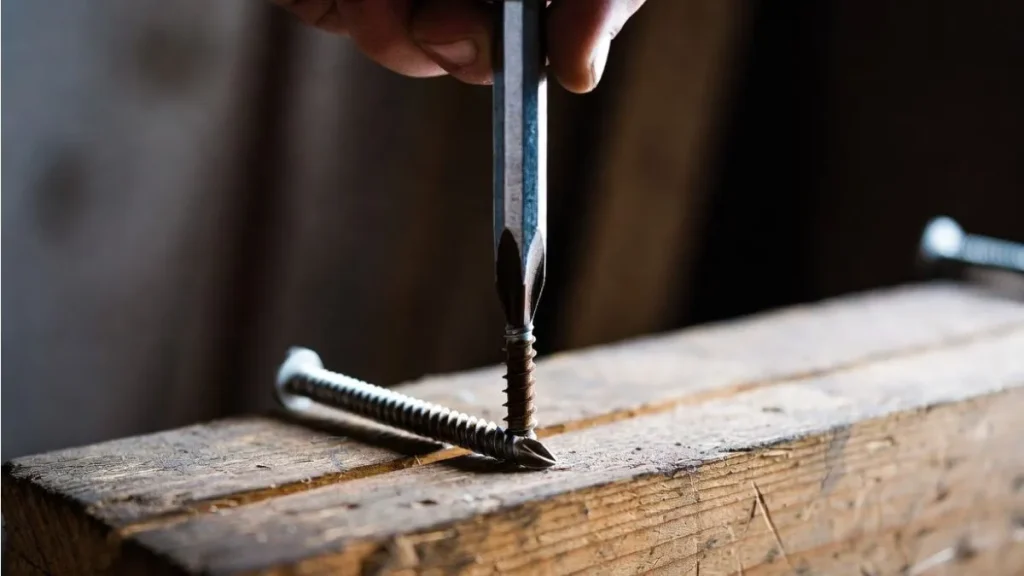
Loose screws often cause cabinet doors to hang crooked or fail to close properly. Tightening these screws is a simple and effective way to fix the problem. This step improves door alignment and prevents further damage. Before tightening, it’s important to check each hinge carefully. Some screws may be stripped or missing, which need special attention. Taking time to fix screws ensures the cabinet doors operate smoothly and look neat.
Locate Loose Hinges
Start by opening the cabinet doors fully. Check each hinge for movement by gently wiggling the door near the hinge. Loose hinges make the door sag or shift. Look for screws that are sticking out or spinning without tightening.
Use this checklist to find loose hinges:
- Open door and observe any misalignment.
- Press gently on the door near each hinge.
- Look for gaps between hinge and cabinet frame.
- Check if screws turn easily with a screwdriver.
Keep track of hinges needing attention. Sometimes, more than one hinge will have loose screws. Tightening all loose screws will restore even door placement. This step prevents the door from rubbing against the frame or other doors.
Use Proper Tools
Using the right tools makes screw tightening easier and safer. A simple screwdriver can work, but having a few types helps with different screw heads. Most cabinet hinges use Phillips or flathead screws.
Recommended tools include:
- Phillips screwdriver for cross-shaped screws
- Flathead screwdriver for single slot screws
- Electric screwdriver for faster work (optional)
- Flashlight to see inside dark cabinets
- Magnifying glass to check screw damage
Hold the screwdriver firmly and turn screws clockwise to tighten. Avoid overtightening to prevent stripping. If screws resist, stop and check for damage. Proper tools help maintain screw and hinge condition. Keep tools clean and in good shape for best results.
Replace Stripped Screws
Stripped screws have damaged heads that prevent tightening. These screws spin without gripping the wood. Replace stripped screws to secure hinges correctly. First, remove the damaged screw using a screwdriver or screw extractor.
Steps to replace stripped screws:
- Remove stripped screw carefully.
- Choose a screw of the same size and type.
- If holes are too large, fill with wood filler or toothpicks dipped in glue.
- Insert the new screw and tighten gently.
Table below shows common screw sizes for cabinet hinges:
| Screw Size | Length | Head Type | Use |
| 6 | 1/2 inch to 1 inch | Phillips pan head | Standard cabinet hinges |
| 8 | 1 inch to 1.5 inch | Phillips flat head | Heavier doors or frames |
Replacing stripped screws improves hinge stability and door alignment. Check all screws after replacement to ensure tightness. Regular inspection prevents future issues with crooked doors.
Adjust Hinges
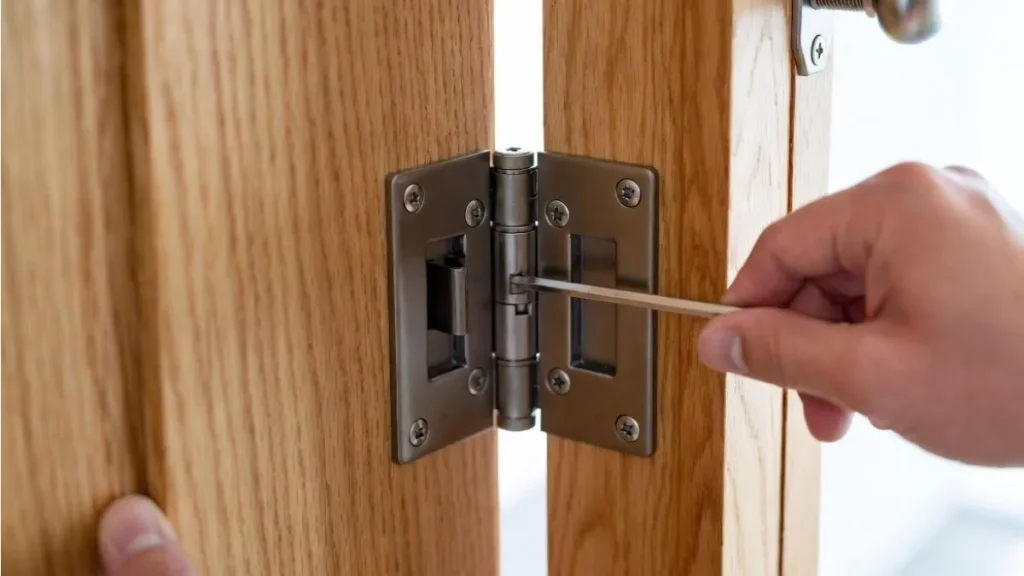
Adjusting hinges is one of the simplest and most effective ways to fix crooked cabinet doors. Hinges control the door’s position and alignment on the frame. Over time, hinges can loosen or shift, causing doors to hang unevenly. Tightening or moving the hinges can correct these problems without needing to replace the entire door or cabinet. This method saves time and money while restoring a neat, balanced look to your cabinets.
Use Adjustable Hinges
Adjustable hinges allow precise control over door alignment. Most modern cabinets use these hinges because they have screws that move the door in several directions. This flexibility helps correct crooked doors easily.
Here are the common adjustments possible with these hinges:
- Vertical adjustment: Moves the door up or down.
- Horizontal adjustment: Moves the door left or right.
- Depth adjustment: Moves the door closer or further from the cabinet frame.
To use adjustable hinges:
- Locate the adjustment screws on the hinge. Usually, there are three types.
- Use a screwdriver to turn the screws gently.
- Make small adjustments and check the door position often.
Adjustable hinges usually come in two styles:
| Hinge Type | Adjustment Directions | Best For |
| European Concealed Hinge | Vertical, Horizontal, Depth | Most kitchen cabinets |
| Surface Mount Hinge | Vertical, Limited Horizontal | Older cabinets |
Tip: Turn screws slowly and test often. Over-tightening can damage the hinge or door.
Shift Door Position
Sometimes the door needs to move slightly on its mounting to fix crookedness. This shifting means loosening screws, adjusting the door’s position, then tightening screws again. It helps realign the door with the cabinet frame.
Follow these steps to shift door position correctly:
- Open the door fully to access all hinge screws.
- Loosen the screws holding the hinge to the cabinet or door just enough to move the door.
- Gently move the door up, down, left, or right to improve alignment.
- Keep the door in place and tighten the screws firmly.
- Check the door’s position by closing it slowly.
Use these tips for best results:
- Work on one hinge at a time for easier control.
- Use a helper to hold the door steady during adjustments.
- Mark the original screw positions with a pencil for reference.
Shifting door position fixes minor misalignments caused by loose screws or wood shrinking. It is a quick, no-cost fix before considering hinge replacement.
Test Door Movement
After adjusting hinges and shifting the door, testing its movement ensures smooth operation and proper alignment. Testing helps identify if further tweaks are needed or if the door is fixed completely.
Here is how to test door movement effectively:
- Open and close the door slowly several times.
- Check for any rubbing or sticking against the cabinet frame.
- Look for gaps between the door and frame. Even gaps indicate good alignment.
- Listen for any creaking or unusual noises.
Use this checklist to evaluate your door:
| Test Aspect | What to Check | Action If Problem |
| Door Closing | Door closes fully without resistance | Adjust depth screws or shift door slightly |
| Door Gaps | Uniform gap around edges | Adjust horizontal or vertical screws |
| Noise | No creaks or squeaks | Lubricate hinges or tighten screws |
Note: Test the door after every adjustment. It ensures you do not over-correct or create new problems.
Fix Warped Doors
Warped cabinet doors often cause misalignment, making your kitchen look untidy. Warping happens when wood absorbs moisture unevenly or dries out too fast. Fixing warped doors can save money and improve your cabinet’s appearance.
Apply Moisture And Weight
One effective way to fix a warped door is by applying moisture and weight carefully. Wood reacts to moisture by expanding or contracting, which helps reshape the door.
Follow these steps:
- Lightly dampen the concave side of the warped door using a cloth or sponge. Avoid soaking it.
- Place the door on a flat surface with the damp side down.
- Put a heavy, flat object on top of the door, such as a thick book or a wooden board.
- Leave the door weighted for 24 to 48 hours.
- Check the door after this period. Repeat the process if needed.
This method works best for slight warps. Moisture softens the wood fibers, and the weight presses the door flat. Avoid adding too much water, which can cause more damage. Patience is key—small changes happen over time.
Use Clamps For Straightening
Clamps apply steady pressure, pushing warped doors back to shape. This approach is useful for moderate warping and gives better control over the correction.
Here is how to use clamps:
- Find a flat surface like a workbench.
- Place the warped door face down.
- Position wooden blocks on the warped areas to create pressure points.
- Use bar clamps or C-clamps to press the door flat against the blocks.
- Keep the clamps tight but not too tight to avoid damage.
- Leave the clamps on for 24 to 72 hours.
Using clamps helps reshape the door fibers slowly. Check the door often to avoid over-tightening. After removing clamps, sand the surface lightly for a smooth finish.
Consider Door Replacement
Sometimes warped doors cannot be fixed completely. Deep warps, cracks, or water damage may require new doors. Replacing the door improves cabinet function and look.
Use this table to decide if replacement is necessary:
| Condition | Fix with Moisture & Weight | Fix with Clamps | Replace Door |
| Slight warp | ✔️ | ✔️ | ❌ |
| Moderate warp with no cracks | ✔️ | ✔️ | ❌ |
| Severe warp or deep cracks | ❌ | ❌ | ✔️ |
| Water damage or rot | ❌ | ❌ | ✔️ |
Replacing doors is a good option if fixing takes too long or does not work well. Choose doors that match your cabinet style and material. This ensures a neat and durable result.
Conclusion
Fixing crooked cabinet doors is easier than it seems. Small adjustments can make a big difference. Tighten screws or adjust hinges to align doors properly. Check for warped wood or loose parts. Regular care keeps cabinets looking neat and working well.
Take your time and follow the steps carefully. Soon, your cabinets will look straight and function smoothly. A little effort saves money and improves your home’s appearance. Start today and enjoy the results tomorrow. Simple fixes bring big improvements.