
Have you ever wondered why your central air system has two filters instead of just one? It might seem confusing at first, but understanding this simple detail can make a big difference in how well your system works and how fresh the air in your home feels.
If you want to save money on energy bills, avoid costly repairs, and breathe cleaner air, it’s important to know why those two filters are there and how they help. Keep reading to discover the secrets behind your central air’s double filtration and what it means for your comfort and health.
Purpose Of Air Filters
Central air systems often have two filters to improve their efficiency and protect the system better. Air filters play a key role in keeping the air clean and the HVAC system running smoothly. Their main purpose is to trap dust, dirt, and other particles before they enter the system or your home. This helps maintain good air quality and stops damage to important parts of the air conditioner.
Role In Air Quality
Air filters remove pollutants from the air before it circulates inside your home. This helps reduce allergens like pollen, pet dander, and dust mites. Clean filters contribute to healthier indoor air and prevent breathing problems. Two filters work together to catch more particles and keep air fresher for longer.
- Primary filter: Catches larger particles such as dust and hair.
- Secondary filter: Traps smaller particles like mold spores and fine dust.
Using two filters improves the system’s ability to clean the air, which is important for families with allergies or asthma. It also reduces odors and airborne germs. The filters help maintain a balanced air flow, making the home more comfortable.
Protecting Hvac Components
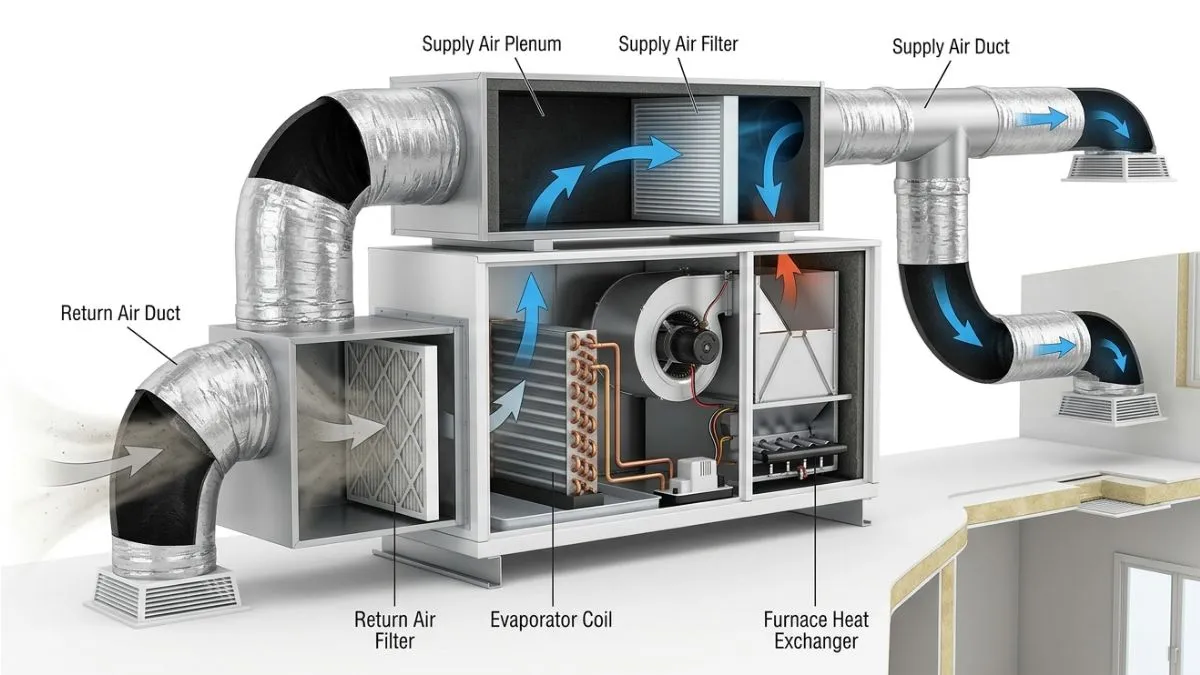
Air filters shield the HVAC system from dirt and debris that can cause damage. Two filters provide extra protection by catching more particles before they reach sensitive parts.
Key components protected by filters:
- Evaporator coil: Dust buildup reduces cooling efficiency.
- Blower fan: Dirt can unbalance the fan, causing noise and wear.
- Ductwork: Debris inside ducts lowers airflow and system performance.
Filters help maintain the system’s efficiency and lower repair needs. They also extend the lifespan of your central air unit. Clean filters reduce strain on the motor and compressor, saving energy and money.
| HVAC Part | Risk Without Filters | Benefit of Two Filters |
| Evaporator Coil | Clogged, less cooling | Stays clean longer, better cooling |
| Blower Fan | Damage from dust buildup | Runs smoothly, quieter operation |
| Ductwork | Reduced airflow | Maintains good air circulation |
Reasons For Two Filters
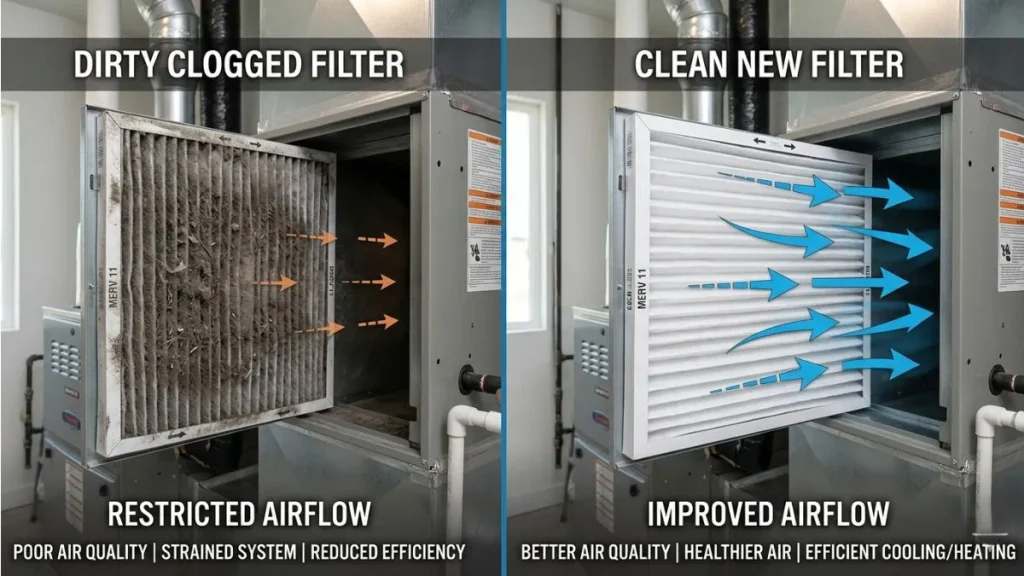
Many central air systems use two filters instead of one. This design helps protect the system and improves air quality. Each filter has a special job that works together. The main reasons for two filters focus on their roles and how they improve air cleanliness and system performance.
Pre-filter And Main Filter Functions
The two filters in a central air system usually include a pre-filter and a main filter. Each has a distinct purpose:
- Pre-Filter: This filter catches large particles like dust, hair, and pet dander. It protects the main filter and air conditioner parts from heavy debris.
- Main Filter: This filter traps smaller particles such as pollen, mold spores, and fine dust. It cleans the air before it circulates inside your home.
The pre-filter works like a first line of defense. It stops big particles from clogging the main filter quickly. This extends the life of the main filter and keeps your system running smoothly.
The main filter is more delicate and efficient. It removes very small pollutants that can cause allergies or breathing problems. Together, these filters help keep your home’s air cleaner and healthier.
| Filter Type | Function | Particles Captured |
| Pre-Filter | Captures large debris | Dust, hair, pet dander |
| Main Filter | Traps fine particles | Pollen, mold spores, fine dust |
Improved Filtration Efficiency
Using two filters enhances the efficiency of your central air system. The pre-filter reduces the load on the main filter. This means the main filter can work better and last longer.
Better filtration means:
- Cleaner air: Smaller particles get removed effectively.
- Longer filter life: Filters need less frequent replacement.
- System protection: Less dirt reaches the air handler and coils.
- Energy savings: A clean system uses less power.
Here is a simple comparison of a single filter versus two filters:
| Feature | Single Filter | Two Filters |
| Air quality | Good | Better |
| Filter lifespan | Shorter | Longer |
| System cleanliness | Moderate | High |
| Energy efficiency | Average | Improved |
The two-filter setup keeps your air system clean and efficient. It reduces maintenance needs and improves air quality for your home.
Filter Locations In Central Air Systems
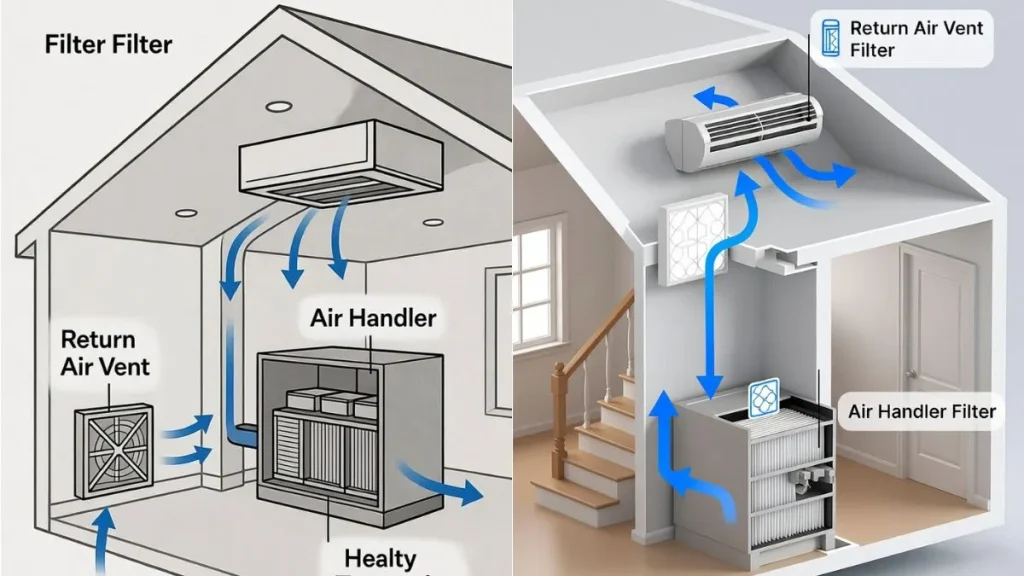
Central air systems often have two filters to keep the air clean and the system running smoothly. These filters sit in different parts of the system, each playing a unique role in filtering dust, dirt, and allergens.
Return Air Duct Filter
The return air duct filter is usually the first filter air passes through before entering the central air system. It sits inside the return air grille or duct, often near a wall or ceiling in a room. This filter catches large particles like dust, pet hair, and lint, stopping them from entering the system.
Key features of the return air duct filter include:
- Size: Often larger and thinner than other filters.
- Material: Made of fiberglass or pleated paper.
- Location: Mounted in the return air vent or duct.
- Purpose: Protects the air handler and improves air quality.
Because it handles large debris, this filter needs regular checking and replacement. A clogged return air filter reduces airflow, making the system work harder and raising energy costs. Keeping this filter clean helps the system last longer and keeps your home air fresher.
| Filter Type | Location | Main Function | Replacement Frequency |
| Return Air Duct Filter | Return air grille or duct | Captures large particles before air enters system | Every 1-3 months |
Air Handler Or Furnace Filter
The air handler or furnace filter is located inside the air handling unit or furnace. This filter is the second line of defense and cleans smaller particles that pass the first filter. It protects the system’s internal parts, like coils and fans, from dust and dirt buildup.
Important aspects of this filter include:
- Size: Usually thicker and more dense than the return duct filter.
- Material: High-efficiency pleated filters or washable filters.
- Location: Inside the air handler or furnace cabinet.
- Purpose: Protects internal components and improves system efficiency.
This filter requires attention because a dirty air handler filter can cause poor air circulation and strain the HVAC system. Regular cleaning or replacement ensures better airflow and lowers repair risks. Many systems have a slot or tray to slide the filter in and out easily.
| Filter Type | Location | Main Function | Replacement Frequency |
| Air Handler/Furnace Filter | Inside air handler or furnace | Filters smaller particles and protects internal parts | Every 3-6 months |
Benefits Of Dual Filters
Central air systems with two filters offer several advantages over single-filter setups. The benefits of dual filters include better air quality and improved system performance. Each filter plays a specific role in keeping your home’s air clean and your unit running smoothly. This setup helps capture more dust, pollen, and other particles before air circulates through your home.
Enhanced Airflow
Dual filters improve the airflow inside your central air system. One filter usually sits at the return air vent, while the other is near the furnace or air handler. This placement allows the system to trap more dirt and debris before air passes through the equipment.
How dual filters enhance airflow:
- Reduce dust buildup on internal parts
- Allow air to move freely through vents and ducts
- Prevent clogging that slows down airflow
- Maintain consistent air pressure in the system
Improved airflow means your system does not have to work as hard. This leads to more efficient cooling or heating and less energy waste. Clean filters help keep air moving smoothly, which also reduces the chance of hot or cold spots in your home.
| Filter Location | Role in Airflow |
| Return Air Filter | Captures large particles before air enters the system |
| Furnace/Air Handler Filter | Traps smaller particles to protect equipment |
Extended Equipment Lifespan
Two filters protect your central air system from damage. Dirt and debris can harm sensitive parts like coils and fans. When filters catch particles early, the system stays cleaner and lasts longer.
Benefits of dual filters for equipment life:
- Reduce wear and tear on components
- Prevent buildup that causes overheating
- Lower risk of costly repairs
- Help maintain steady system performance
Systems with dual filters often need fewer repairs over time. This saves money and keeps your home comfortable. Regularly changing both filters ensures the system stays protected. Clean filters stop dust from clogging the coils, which keeps the unit running cooler and more efficiently.
Common Issues With Two Filters
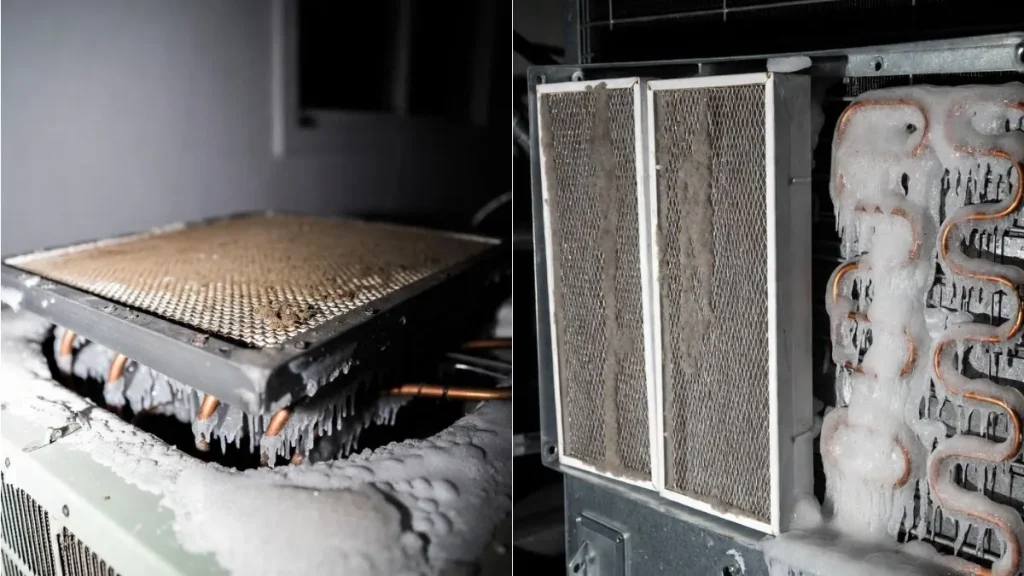
Central air systems with two filters help keep your home air clean and protect the unit. Still, having two filters can lead to certain problems if not managed properly. Common issues with two filters usually involve installation mistakes and lower system efficiency.
Incorrect Installation
Installing two filters in a central air system is tricky. Filters must fit correctly and be placed in the right order. Incorrect installation can cause several problems, such as:
- Air leaks around the filters
- Filters blowing out of place
- Reduced air flow
- Damage to the HVAC system
Filters usually have arrows showing the airflow direction. Installing a filter backward blocks air and strains the system. When two filters are used, each must be installed according to the manufacturer’s instructions. One filter is often finer and should be placed closer to the evaporator coil, while the other might be coarser and placed before the blower fan.
Here is a simple table showing common installation mistakes and their effects:
| Mistake | Effect |
| Filters installed backward | Blocks airflow, reduces cooling, strains system |
| Filters not secured properly | Filters move or fall out, air bypasses filters |
| Wrong filter type used | Filters clog quickly, poor air quality |
Always check the filter type and airflow direction. Use the right filter for each position. This prevents damage and helps your system work well.
Reduced Efficiency
Two filters can slow down your central air system if not maintained well. Reduced efficiency means your air conditioner uses more energy and cools less effectively. This happens because:
- Dust and dirt build up faster on two filters
- More resistance makes the blower work harder
- Airflow becomes weaker through clogged filters
Dirty filters cause the system to use extra power to push air. This raises your energy bills and can shorten the system’s life. You may notice uneven cooling or strange noises from the unit.
Here is a list of signs showing reduced efficiency:
- Higher electricity bills
- Rooms take longer to cool
- Air feels weak or stale
- System runs longer without reaching the temperature
Regular filter checks and changes keep your system efficient. Follow the schedule recommended by the manufacturer. Using two filters means checking both carefully to avoid blockages.
You Should Read Also: No Suction in Your Return Air Vent?
Conclusion
Two filters in your central air help keep the air clean and the system safe. One filter catches dust before air enters the system. The second filter protects the blower and other parts from dirt. This setup improves air quality and extends your system’s life.
Change both filters regularly to keep your air fresh and your system running well. Clean filters mean better cooling and lower energy bills. Remember, good care prevents costly repairs. Two filters work as a team for your comfort. Simple but effective.