

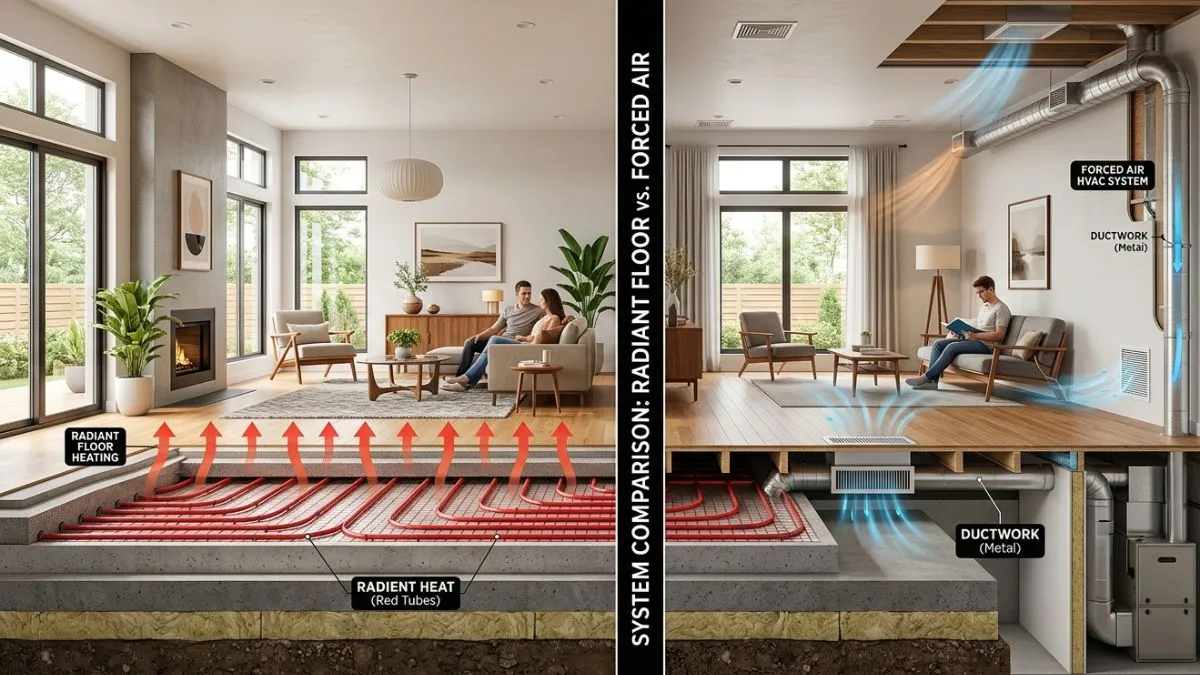
Are you thinking about replacing your radiant heat system with forced air? Making the switch can feel overwhelming, especially when you’re used to the cozy warmth that radiant heat provides.
But what if forced air could offer you more control, better air circulation, and even lower energy bills? You’ll discover the key differences between these heating options and what you need to know before making the change. Keep reading to find out how this upgrade could improve your home’s comfort and efficiency.
Reasons To Switch
Switching from radiant heat to forced air heating offers several practical benefits. Many homeowners choose forced air systems to improve comfort and control. Understanding the key reasons to switch helps make a smart decision. This section covers cost, installation, and maintenance factors that influence the choice.
Cost Considerations
Cost plays a major role in deciding between radiant heat and forced air systems. Forced air units often have a lower upfront price compared to radiant heat setups. Radiant heating involves installing tubing or electric mats beneath floors, which can be expensive and time-consuming. Forced air uses ducts and vents, which may already exist in many homes.
Here are some key cost points to consider:
- Initial installation: Forced air systems usually cost less to install, especially in homes with existing ductwork.
- Energy expenses: Forced air systems can heat rooms faster but may use more energy than radiant heat.
- System lifespan: Radiant heat systems tend to last longer but can be costly to replace parts.
| Factor | Radiant Heat | Forced Air |
| Installation Cost | High | Moderate |
| Energy Efficiency | High | Moderate |
| Maintenance Cost | Low | Moderate |
| Replacement Cost | High | Moderate |
Choosing forced air often saves money upfront and fits many home layouts. It suits families wanting flexible heating and cooling options.
Installation Challenges
Installing forced air systems can be easier in many homes compared to radiant heat. Radiant heat requires work under floors, often involving tearing up flooring materials. This makes installation disruptive and slow. Forced air systems mainly need ducts, vents, and a furnace or heat pump.
Consider these installation points:
- Space requirements: Forced air needs space for ducts and vents, which may be tight in some houses.
- Floor disruption: Radiant heat installation may damage existing floors during setup.
- Time needed: Forced air systems usually install faster, reducing inconvenience.
- Retrofit options: Forced air adapts well to older homes without major remodeling.
Forced air systems work well in homes with basements or attics for ducts. Radiant heat fits new builds or major renovations better because of floor work.
Maintenance And Repairs
Forced air heating systems require regular maintenance but repairs are generally straightforward. Radiant heat systems have fewer moving parts, so they need less frequent attention. However, fixing leaks or damage under floors can be costly and complicated.
Key maintenance and repair facts:
- Filter changes: Forced air needs filters changed every 1-3 months to keep air clean.
- Duct cleaning: Dust and debris build-up requires cleaning ducts every few years.
- System checks: Annual inspections help forced air units run efficiently.
- Radiant heat repairs: Can be invasive and expensive, often requiring floor removal.
Forced air repairs often involve accessible parts like fans or blowers. Radiant heat fixes hidden tubing problems. Regular upkeep keeps forced air systems reliable and prolongs lifespan.
Planning The Replacement
Replacing radiant heat with forced air requires careful planning to ensure comfort and efficiency. This process involves more than swapping systems. It demands a clear understanding of your home’s current setup and needs. Proper planning helps avoid common pitfalls like incorrect sizing or poor equipment choices. The goal is a smooth transition that improves heating without surprises. Below are key steps to guide your planning.
Assessing Existing Infrastructure
Start by evaluating the current heating system and home layout. Radiant heat systems use pipes or electric mats under floors or walls. Forced air systems need ducts and vents to move warm air. Check if your home already has ductwork or space to install new ducts.
- Inspect ductwork: Look for existing ducts that can be reused or need replacement.
- Check insulation: Good insulation reduces heat loss and improves forced air efficiency.
- Examine electrical capacity: Forced air systems require power for blowers and controls.
- Identify vent locations: Plan where warm air vents will be placed for even heating.
Consider the following table to compare infrastructure needs:
| Feature | Radiant Heat | Forced Air |
| Heat Distribution | Through floors or walls | Through ducts and vents |
| Installation Space | Under flooring or walls | Basement, attic, or walls for ducts |
| Maintenance | Low, pipes or mats checked | Regular filter and duct cleaning |
Understanding these factors helps plan necessary changes and budget.
Sizing The New System
Choosing the right size for your forced air system is critical. An undersized system won’t heat well. An oversized system wastes energy and causes uneven temperatures. Use a heat load calculation to find the proper size.
Steps for sizing:
- Calculate the square footage of heated space.
- Assess insulation quality and windows.
- Estimate heat loss based on climate.
- Determine required BTUs (British Thermal Units).
Use this simple formula as a rough guide: BTUs needed = Square footage × 30 (for moderate climates)
Example: 1500 sq ft × 30 = 45,000 BTUs
Consult professionals for detailed calculations. They consider factors like ceiling height and air leakage. Correct sizing ensures comfort and lowers energy bills.
Choosing The Right Equipment
Select equipment that fits your home’s needs and budget. Forced air systems include furnaces, heat pumps, air handlers, and thermostats. Each choice affects performance.
Consider these key points:
- Fuel type: Gas, electric, or oil — pick what’s available and affordable.
- Efficiency rating: Look for ENERGY STAR® certified models with high AFUE (Annual Fuel Utilization Efficiency) or SEER (Seasonal Energy Efficiency Ratio) ratings.
- System type: Single-stage, two-stage, or modulating for better temperature control.
- Noise level: Quieter systems increase comfort.
- Compatibility: Ensure new equipment works with existing or planned ductwork.
Use the table below to compare common options:
| Equipment | Fuel Type | Efficiency Range | Typical Cost | Best For |
| Gas Furnace | Natural Gas | 80%–98% AFUE | $$ – $$$ | Cold climates, reliable heat |
| Electric Furnace | Electricity | 95%–100% AFUE | $ – $$ | Mild climates, no gas access |
| Heat Pump | Electricity | Up to 300% efficiency (COP) | $$$ | Moderate climates, cooling included |
Choose equipment balancing cost, efficiency, and comfort. Proper choices improve system life and satisfaction.
Installation Process
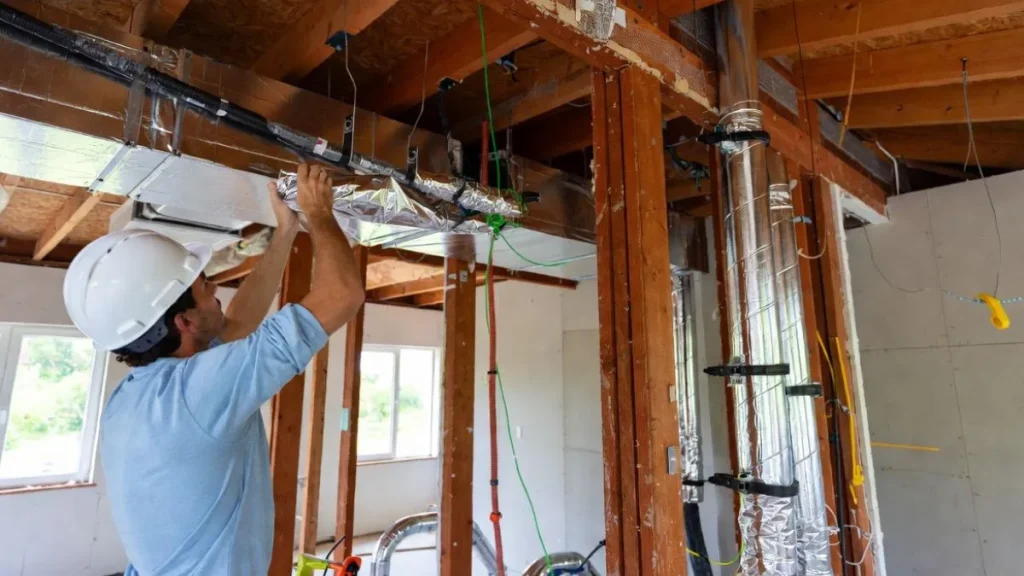
Replacing radiant heat with forced air requires a clear plan and careful work. The installation process involves several key steps to ensure the new system works efficiently. This process starts with removing the old radiant heat components, followed by installing or modifying ductwork. Finally, thorough testing and balancing guarantee even heat distribution and comfort. Each phase is important for a smooth transition to forced air heating.
Removing Radiant Heat Components
The first step in replacing radiant heat is to remove all existing components. Radiant heat systems often use tubing or electric mats installed under floors or in walls. Removing these parts requires care to avoid damage to floors and walls.
- Turn off the system: Ensure the radiant heat system is completely off and disconnected from power.
- Access the tubing or mats: Floorboards or wall panels may need removal to reach the heating elements.
- Drain any fluids: If the system uses water or another liquid, drain it safely before removal.
- Remove tubing or mats: Carefully extract the radiant tubing or electric mats without harming the structure.
- Dispose of old parts: Follow local regulations for disposal or recycling of heating materials.
This removal process can take several hours to days, depending on system size. Professionals often handle this to avoid structural damage. Proper removal creates a clean space for installing forced air components.
Ductwork Installation And Modification
Forced air heating depends on well-installed ductwork to deliver warm air throughout your home. After removing radiant heat, the next step is to install new ducts or modify existing ones.
Here are key points in ductwork installation and modification:
- Plan duct layout: Map out where ducts will run, considering walls, ceilings, and floors.
- Choose duct type: Use metal or flexible ducts based on space and efficiency needs.
- Install main trunk ducts: These larger ducts carry air from the furnace to smaller branch ducts.
- Add branch ducts: Branch ducts direct air to individual rooms or zones.
- Seal joints and connections: Use mastic or metal tape to prevent air leaks.
- Insulate ducts: Insulate ducts in unheated spaces to reduce heat loss.
System Testing And Balancing
After installation, testing and balancing are vital. This step ensures the forced air system heats evenly and runs efficiently.
Testing and balancing include:
- Check airflow: Measure airflow at vents using an anemometer or airflow meter.
- Inspect temperature: Verify warm air temperature at each vent matches system settings.
- Adjust dampers: Control airflow by opening or closing dampers in ducts for even heat distribution.
- Seal leaks: Identify and fix any leaks found during testing.
- Test thermostat and controls: Confirm the system responds correctly to thermostat settings.
Steps to balance the system:
- Start furnace and let it run for 15 minutes.
- Measure airflow and temperature at each vent.
- Adjust dampers to increase or decrease airflow as needed.
- Repeat measurements after adjustments.
- Ensure all rooms reach desired temperature comfortably.
Proper testing and balancing improve comfort, reduce energy use, and extend the system’s life.
Recommended: How to Bleed Radiant Floor Heating System
Energy Efficiency Impact
Switching from radiant heat to forced air systems affects energy efficiency in many ways. Understanding these changes helps homeowners make smart choices. Forced air systems use ducts and fans to move warm or cool air. Radiant heat warms surfaces directly, often through floors or walls. This difference impacts energy use, comfort, and overall home heating costs.
Comparing Energy Consumption
Forced air systems often use more electricity due to fans and blowers. Radiant heat mainly uses energy to warm surfaces, which can be more efficient in some cases. The energy consumption depends on factors like system design, fuel type, and home size.
- Forced Air: Uses electricity for the blower and can lose heat through ducts.
- Radiant Heat: Warms objects directly, reducing heat loss in well-insulated spaces.
| System Type | Energy Source | Typical Energy Use | Heat Loss Risk |
| Forced Air | Electricity, Gas | Moderate to High | High (duct leaks) |
| Radiant Heat | Electricity, Hydronic | Low to Moderate | Low (direct heating) |
Forced air systems can heat spaces faster but may waste energy through duct leaks. Radiant heat offers steady warmth with fewer losses but may take longer to adjust temperatures. Energy efficiency depends on system maintenance and home setup.
Insulation And Air Sealing
Both heating systems need good insulation and air sealing to work efficiently. Forced air systems are more sensitive to leaks in ducts and gaps around doors or windows. Warm air escapes easily if the home is not well sealed.
- Seal ducts tightly to prevent energy loss.
- Use weatherstripping on doors and windows.
- Insulate walls, floors, and ceilings to keep heat inside.
Radiant heat benefits from thick insulation below floors or behind walls to keep heat focused where it is needed. Poor insulation reduces its efficiency more than forced air.
Simple steps improve energy savings for both systems:
- Check and seal ductwork regularly.
- Install proper insulation in attic and crawl spaces.
- Use draft stoppers and close gaps around windows and doors.
Good insulation and sealing reduce heating costs and improve comfort. Forced air systems may require more attention to duct leaks, while radiant heat systems focus on surface insulation quality.
Smart Thermostat Integration
Smart thermostats help control forced air systems more efficiently. They adjust temperatures based on your schedule and habits. This reduces wasted energy by avoiding heating empty rooms or times.
- Program temperature changes for day and night.
- Use sensors to detect if rooms are occupied.
- Control the system remotely via smartphone apps.
Radiant heat systems can also benefit from smart thermostats, but the response time may be slower. Forced air systems react quickly to thermostat changes, making smart control more effective.
Benefits of smart thermostats with forced air include:
| Feature | Benefit |
| Scheduling | Heats only when needed, saving energy |
| Remote Control | Adjust settings from anywhere |
| Adaptive Learning | Optimizes heating patterns over time |
Smart thermostats make forced air systems more energy-efficient. They help reduce utility bills and increase comfort by matching heat output to actual needs.
Comfort And Air Quality
Replacing radiant heat with forced air changes how your home feels and breathes. Comfort and air quality depend on how heat moves and how clean the air stays. Radiant heat warms floors and objects directly. Forced air heats air and moves it through ducts. This shift affects temperature, moisture, and air purity inside your home.

Temperature Distribution Differences
Radiant heat warms surfaces evenly. Floors, walls, and furniture hold warmth, creating steady heat. This warmth rises gently, making rooms feel cozy without hot or cold spots.
Forced air systems blow warm air through vents. Warm air moves fast but can create uneven heat. Some spots feel warm, others cool. Air can move quickly, causing drafts near vents.
Here is a simple comparison:
| Feature | Radiant Heat | Forced Air |
| Heat Source | Floors and objects | Warm air through vents |
| Temperature Feel | Even and steady | Variable, with hot/cold spots |
| Air Movement | Minimal air flow | Active air circulation |
| Comfort Level | Consistent warmth | Possible drafts |
Forced air can warm rooms faster but may need balancing. Adjust vents or add fans to reduce cold spots. Radiant heat offers quiet, draft-free comfort but heats slower.
Humidity Control
Humidity affects comfort and health. Dry air causes itchy skin and sore throats. Too much moisture leads to mold and dust mites. Radiant heat does not move air. It keeps humidity stable because it does not dry the air much.
Forced air moves warm air quickly. This movement can dry out indoor air, especially in winter. Dry air may feel colder than it is. Adding a humidifier helps keep moisture at healthy levels.
Tips for humidity control with forced air:
- Use a humidifier during dry months
- Monitor indoor humidity with a hygrometer
- Keep humidity between 30% and 50%
- Seal leaks to prevent outside moisture
Some forced air systems include built-in humidifiers or dehumidifiers. These add or remove moisture automatically. Proper humidity control improves comfort and protects wood floors, furniture, and health.
Air Filtration Options
Air quality improves with good filtration. Radiant heat does not move air, so it does not affect dust or allergens directly. Forced air pushes air through filters. Filters catch dust, pollen, pet dander, and other particles.
Common filter types include:
- Fiberglass filters: Basic, low-cost, traps large particles
- Pleated filters: Better at catching smaller particles
- HEPA filters: High-efficiency, traps very small allergens
- Electrostatic filters: Use static charge to trap particles
Choosing the right filter depends on needs and system compatibility. Higher-grade filters improve air quality but may reduce airflow if not matched correctly.
Tips for maintaining air quality:
- Change filters every 1-3 months
- Keep ducts clean to avoid dust buildup
- Consider adding air purifiers for extra cleaning
- Use filters rated MERV 8 to MERV 13 for better protection
Forced air systems offer flexibility to improve indoor air. Proper filters reduce allergens and keep breathing easier.
Cost Analysis
Replacing radiant heat with forced air involves several cost factors worth careful review. Understanding the cost analysis helps homeowners decide if this switch fits their budget and heating needs. Costs cover the initial setup, ongoing expenses, and potential savings over time. Each part affects the total investment and the value gained from changing heating systems.
Initial Investment
The initial investment includes buying and installing the forced air system. This cost depends on the home’s size and the system’s complexity. Radiant heat systems often require less equipment, so switching to forced air can raise upfront expenses.
- Furnace or heat pump: This is the main component and can cost between $2,000 and $7,000.
- Ductwork installation: Homes without existing ducts may need new ductwork, adding $1,000 to $5,000.
- Labor charges: Professional installation fees vary but usually range from $1,000 to $3,000.
- Additional parts: Thermostats, vents, and air filters may add $200 to $500.
| Item | Estimated Cost |
| Furnace/Heat Pump | $2,000 – $7,000 |
| Ductwork Installation | $1,000 – $5,000 |
| Labor | $1,000 – $3,000 |
| Additional Parts | $200 – $500 |
Total initial cost can reach between $4,200 and $15,500. Planning and getting multiple quotes helps manage this investment better.
Operating Costs
Operating costs for forced air systems include energy use, maintenance, and repairs. Forced air often uses electricity or gas, affecting monthly utility bills.
- Energy consumption: Forced air systems run fans and heaters, using more electricity than radiant heat.
- Maintenance: Filters require regular changes to keep air clean and system efficient. Cost is about $50 to $150 yearly.
- Repairs: Forced air systems have moving parts that may need fixing. Average repair cost ranges from $150 to $500 per visit.
| Operating Cost Type | Estimated Annual Cost |
| Energy Bills | $800 – $1,500 |
| Maintenance | $50 – $150 |
| Repairs | $150 – $500 |
Forced air systems may cost more monthly than radiant heat. Regular care can help lower repair needs and improve efficiency.
Long-term Savings
Long-term savings depend on system efficiency and energy prices. Forced air systems with modern technology can save money over many years.
- Energy efficiency: New forced air units often have high efficiency ratings, reducing energy use.
- Improved comfort: Forced air heats rooms faster, lowering the time the system runs.
- Increased home value: Many buyers prefer forced air, potentially raising resale price.
Consider these points for savings over 10 to 20 years:
- Lower energy bills from efficient equipment.
- Reduced repair frequency with proper maintenance.
- Possible tax credits for energy-efficient upgrades.
Potential savings can offset the higher initial cost. Careful system choice and upkeep maximize financial benefits.
Common Challenges
Replacing radiant heat with forced air heating brings several common challenges. Homeowners often face unexpected issues during the switch. These challenges can affect comfort, energy use, and overall system performance. Understanding these problems helps in making better decisions and preparing for potential adjustments.
Noise Concerns
Forced air systems can be noisier than radiant heat. Radiant heat works silently by warming floors or walls. Forced air systems use fans and ducts, which create sound.
- Fan noise: The blower fan may produce a constant hum or vibration.
- Duct noise: Air moving through ducts causes rushing or whistling sounds.
- Register noise: Air hitting vents can create popping or banging sounds.
Noise levels depend on system design, installation quality, and maintenance. Poorly sealed ducts increase noise. Old or unbalanced fans make more sound.
Consider these tips to reduce noise:
- Use insulated ducts to absorb sound.
- Install quieter, variable-speed blowers.
- Seal all duct joints tightly.
- Place vents away from quiet areas like bedrooms.
Airflow Issues
Switching to forced air heating can cause airflow problems. Radiant heat warms surfaces directly. Forced air moves warm air through ducts. Poor airflow leads to uneven heating and discomfort.
Common airflow issues include:
- Weak airflow: Air may not reach all rooms well.
- Hot and cold spots: Some areas get too warm, others stay cold.
- Dust and allergens: Moving air can spread dust if filters are poor.
Airflow depends on duct size, layout, and fan power. Small or blocked ducts reduce air movement. Long duct runs lose heat before air reaches rooms.
Steps to improve airflow:
- Ensure ducts are the right size for your home.
- Clean and maintain ducts regularly.
- Install high-quality air filters to trap dust.
- Balance the system with dampers to control airflow.
- Consider adding return air vents for better circulation.
System Compatibility
Not all homes suit forced air systems when replacing radiant heat. Radiant systems use water or electric cables under floors. Forced air systems need ducts and vents.
Key compatibility challenges include:
- Lack of existing ductwork: Installing new ducts can be costly and invasive.
- Space constraints: Tight spaces may not fit ducts or equipment.
- Structural issues: Old homes may need wall or ceiling changes.
Check these before replacing radiant heat:
| Compatibility Factor | Consideration | Impact |
| Ductwork | Existing or new installation | Cost and disruption to add ducts |
| Equipment size | Furnace and blower dimensions | Space needed in utility rooms |
| Building design | Wall and ceiling accessibility | Possible remodeling needed |
Planning with a professional helps avoid surprises. Proper system matching improves comfort and saves money.
Expert Tips For A Smooth Transition

Replacing radiant heat with a forced air system can improve home comfort and energy efficiency. Planning the switch carefully helps avoid problems and extra costs. Follow expert tips for a smooth transition to ensure the process goes well and your new system works perfectly.
Hiring Qualified Professionals
Choosing the right experts is the first step to a successful heating system replacement. Look for licensed HVAC contractors who have experience with both radiant heat and forced air systems. Skilled professionals understand the technical details and local building codes.
- Check credentials: Verify licenses and certifications.
- Read reviews: Look for positive feedback from past customers.
- Ask for references: Contact previous clients to hear about their experience.
- Get multiple quotes: Compare prices and services offered.
Qualified professionals will assess your home’s layout, insulation, and ductwork needs. They will design a system that fits your space and heating requirements. Proper installation reduces future repairs and increases system efficiency.
| Professional Role | Key Responsibility | Why It Matters |
| HVAC Technician | Install and test forced air system | Ensures proper function and safety |
| Electrician | Connect wiring and controls | Prevents electrical hazards |
| Inspector | Verify code compliance | Avoids legal and insurance issues |
Timing The Replacement
Choosing the right time for the switch minimizes discomfort and costs. Plan the replacement during mild weather to avoid extreme cold or heat. This allows your home to stay comfortable without a working system for a short time.
- Off-season months: Late spring or early fall offer better scheduling options and lower prices.
- Consider contractor availability: Book early to secure preferred dates.
- Prepare your home: Clear work areas and protect furniture from dust.
Replacement often takes several days. Arrange temporary heating options if needed. Communicate clearly with your contractor about the project timeline to avoid surprises.
| Season | Advantages | Disadvantages |
| Spring / Fall | Lower costs, easier scheduling | Possible mild weather discomfort |
| Winter | Immediate heating need | Higher costs, scheduling delays |
| Summer | Good scheduling | No heating needed, dust issues |
Ensuring Warranty Coverage
Protect your investment by understanding warranty terms before starting the project. Forced air systems come with warranties covering parts and labor. Confirm what is included and for how long.
- Read the fine print: Know what damages or faults are covered.
- Keep all paperwork: Save receipts, contracts, and warranty documents.
- Work with certified installers: Some warranties require professional installation.
- Register your system: Some manufacturers need registration for warranty activation.
Check if the warranty covers ductwork and controls. Ask about service agreements or extended coverage options. Proper warranty management can save money on repairs and give peace of mind.
| Warranty Type | Typical Coverage | Notes |
| Manufacturer | Parts and defects | Usually 5-10 years |
| Installer | Labor and installation errors | Varies by company |
| Extended | Additional years or services | May cost extra |
Conclusion
Switching from radiant heat to forced air changes how your home warms. Forced air heats rooms faster and spreads warmth evenly. It also allows easy use of air filters for cleaner air. Keep in mind, the system needs regular maintenance to work well.
Consider your home’s size and insulation before deciding. The right choice depends on your comfort and budget. Take time to weigh benefits and costs carefully. Your heating system affects your home’s warmth and energy use. Choose wisely for a cozy, efficient living space.


