


Choosing the right windows for your home is a big decision. You want something that looks great, lasts long, and keeps your energy bills low.
When it comes to trusted brands, Provia and Pella often come up. But which one is truly the best fit for your needs? You’ll discover the key differences between Provia windows and Pella windows. By the end, you’ll feel confident about which option matches your style, budget, and home comfort perfectly.
Provia Windows Features
Choosing between Provia Windows and Pella requires understanding their key features. Provia Windows stand out for their strong materials, energy-saving designs, and flexible styles. These features help homeowners find windows that fit both their home’s look and their budget. Below, explore the main Provia Windows features that make them a solid choice for many buyers.
Material And Design Options
Provia Windows offer a variety of materials suited for different needs. Their main material is vinyl, known for low maintenance and good insulation. Some models also use fiberglass, which adds strength and lasts longer in tough weather. This variety helps match windows to different climates and house styles.
- Vinyl: Affordable, energy-efficient, and easy to clean.
- Fiberglass: Durable, strong, and resistant to warping.
Design options include several frame colors and finishes. You can pick from classic white, rich browns, or wood-like textures. Provia also offers multi-pane glass and decorative grids to enhance the look.
Provia’s design choices help homeowners find windows that fit their style and budget. Their product range suits both modern and traditional homes.
Energy Efficiency Ratings
Provia Windows aim to lower energy costs with high-efficiency ratings. Their windows have features that reduce heat loss in winter and keep homes cool in summer. This improves comfort and cuts utility bills.
Key energy-efficient features include:
- Low-E glass coatings: Reflect heat while letting light pass.
- Argon gas fills: Insulate between glass panes for better temperature control.
- Multi-pane designs: Usually double or triple glass layers to block heat transfer.
Energy ratings help compare window performance. Provia windows often meet or exceed ENERGY STAR® standards. This means they save energy in most U.S. climates.
| Feature | Benefit |
| Low-E Glass | Reduces UV rays and heat transfer |
| Argon Gas | Improves insulation between panes |
| Triple Pane Glass | Best for extreme climates |
These energy-saving features make Provia Windows a practical choice for lower energy bills and a more comfortable home.
Customization And Styles
Provia offers many styles to fit various architectural needs. Customers can choose window types, colors, finishes, and hardware. This allows windows to blend with both inside and outside decor.
Popular window styles include:
- Double-hung: Easy to open and clean.
- Casement: Opens outward, good for ventilation.
- Sliding: Space-saving and simple to use.
- Picture: Fixed glass for clear views and light.
Customization options add personal touches:
- Color choices inside and outside
- Decorative grids in various patterns
- Hardware finishes like brushed nickel or bronze
These options help homeowners get windows that match their taste and home style exactly.
Warranty And Durability
Provia Windows come with strong warranties that protect buyers. Their warranty covers materials and workmanship for many years. This shows confidence in the product’s quality.
Durability is a key feature. Provia uses materials resistant to fading, warping, and cracking. This keeps windows looking good and working well over time.
- Limited Lifetime Warranty: Covers vinyl frames and hardware.
- Glass Breakage Warranty: Protects against cracks and seal failures.
- Transferable Warranty: Adds value if you sell your home.
Provia’s focus on durability means less maintenance and fewer repairs. This saves money over the window’s life.
Pella Windows Features
Choosing the right windows is key to improving your home’s comfort and style. Pella windows offer a range of features that meet different needs and tastes.

Material And Design Options
Pella windows use several materials to suit various home styles and budgets. These include:
- Wood: Classic and warm, wood frames offer natural beauty and good insulation.
- Fiberglass: Strong and low maintenance, fiberglass resists warping and cracking.
- Vinyl: Affordable and durable, vinyl windows are easy to clean and energy efficient.
The design options vary by material but often include traditional, modern, and custom shapes. Pella also offers different finishes and colors, allowing homeowners to match their window style to their home’s exterior and interior décor.
Pella’s wide selection helps homeowners find the perfect window material and design. This flexibility supports different needs without compromising quality.
Energy Efficiency Ratings
Pella windows are built to reduce energy loss and save on heating and cooling costs. They meet or exceed many energy standards, such as ENERGY STAR® certifications. Key features that improve efficiency include:
- Low-E glass: Reflects heat while letting light in.
- Insulated frames: Reduce heat transfer through the window frame.
- Argon gas fills: Between glass panes to slow heat flow.
- Advanced weatherstripping: Keeps air leaks minimal.
Here’s a comparison of typical Pella window energy ratings:
| Feature | Value | Benefit |
| U-Factor | 0.20 – 0.30 | Lower means better insulation |
| Solar Heat Gain Coefficient (SHGC) | 0.25 – 0.40 | Controls heat from the sun |
| Visible Transmittance | 0.40 – 0.60 | Amount of natural light allowed |
These ratings show Pella windows keep homes comfortable year-round. Energy-efficient windows lower utility bills and reduce environmental impact.
Customization And Styles
Pella offers many styles to fit various architectural designs and personal preferences. Popular window styles include:
- Double-hung: Easy to open from top or bottom for ventilation.
- Casement: Hinged on the side and open outward for full airflow.
- Sliding: Slide horizontally, ideal for wide openings.
- Bay and Bow: Extend beyond the wall for extra space and light.
- Specialty shapes: Custom shapes like arches or circles for unique looks.
Customization options include:
- Multiple frame colors and finishes
- Grilles and muntin patterns to add character
- Hardware options in different styles and finishes
- Screen choices for better airflow or insect protection
These choices let homeowners create windows that match their style and functional needs. Pella’s custom options make it easier to blend windows with home design.
Warranty And Durability
Pella backs their windows with solid warranties and builds them to last. Warranties vary by product line but generally include:
- Limited lifetime coverage on window frames and sashes
- 10-20 years on hardware and moving parts
- Glass breakage protection for a set time
Durability comes from high-quality materials and strong construction methods. Features that boost durability include:
- Rot-resistant wood or fiber-reinforced frames
- Impact-resistant glass options
- Weatherproof seals to prevent water damage
- Corrosion-resistant hardware for smooth operation
Pella windows stand up well to harsh weather and daily use. Their warranties provide peace of mind for years after installation.
Price Comparison
Comparing Provia Windows and Pella in terms of price helps buyers make smart choices. Both brands offer quality windows but their costs vary.

Initial Cost Differences
The starting price of windows is a key factor for many buyers. Provia and Pella differ noticeably in this area. Provia windows tend to have a lower base price compared to Pella. This makes Provia attractive for homeowners on a tighter budget.
Here are some points to consider about initial cost:
- Provia windows usually cost between $400 to $900 per window depending on style and materials.
- Pella windows range from $500 to $1,200 or more per window, reflecting their premium designs.
- Customization options increase the price for both brands.
- Energy-efficient glass packages add to the initial cost but improve savings later.
Provia is budget-friendly upfront. Pella costs more but offers extra styles and finishes. Budget, style, and material preferences guide your choice.
Long-term Value
Price is not just about the initial cost. Windows last many years and affect energy bills. Long-term value means total cost over time, including savings and durability.
Pella windows often have better energy efficiency ratings. This can reduce heating and cooling bills. Their wood and fiberglass options also resist wear well.
Provia windows use strong fiberglass that lasts long and needs less maintenance. This lowers future repair costs.
Consider these factors for long-term value:
- Energy Savings: Pella’s higher insulation can cut utility bills more.
- Maintenance: Provia’s fiberglass requires minimal upkeep.
- Warranty: Both brands offer good warranties, but terms vary.
- Resale Value: Pella’s premium look may add home value.
Provia offers strong durability and lower upkeep costs. Pella provides better energy savings and style benefits. Total value depends on your home’s needs and priorities.
Installation Expenses
Installation cost can change the total price significantly. Both Provia and Pella require professional installers for best results. Installation expenses vary by window size, style, and location.
Key points about installation costs:
- Provia windows are generally easier to install due to simpler designs.
- Pella’s complex window styles may increase labor time and costs.
- Window removal, disposal, and site preparation add to expenses.
- Local labor rates impact installation charges greatly.
Typical installation costs range from $100 to $300 per window for both brands. Complex jobs can cost more.
| Installation Factor | Provia | Pella |
| Complexity | Moderate | High |
| Labor Time | Shorter | Longer |
| Average Cost per Window | $100 – $250 | $150 – $300+ |
Choosing experienced installers helps avoid damage and delays. Installation quality affects window performance and lifespan.
Performance And Energy Savings
Choosing the right windows affects your home’s comfort and energy bills. Provia Windows and Pella both offer strong options for performance and energy savings.

Insulation And Uv Protection
Both Provia and Pella use advanced materials to keep heat inside during winter and block heat in summer. Insulation quality affects your energy bills and comfort. Provia Windows typically include double or triple-pane glass with Low-E coatings. These coatings reduce ultraviolet (UV) light, protecting furniture and flooring from fading.
Pella also offers Low-E glass options and uses argon or krypton gas fills between panes to improve insulation. Their windows meet or exceed ENERGY STAR standards, which means they help save energy effectively.
- Provia: Focuses on strong frame insulation with foam-filled vinyl.
- Pella: Combines wood or fiberglass frames with insulated glass.
- UV Protection: Both brands offer coatings that block up to 99% of UV rays.
Noise Reduction
Windows help reduce outside noise, making your home quieter. Provia and Pella both provide options that improve sound insulation. Provia’s windows use multi-pane glass and tight sealing to block noise. They also offer laminated glass options, which help reduce sound even more.
Pella focuses on sound control technology in their triple-pane windows. Their fiberglass models have solid frames that do not vibrate easily, reducing noise transfer. Both brands can reduce noise by up to 30 decibels, depending on the window model.
- Provia: Laminated glass and foam-filled frames reduce noise well.
- Pella: Fiberglass frames and triple-pane glass provide strong sound blocking.
- Installation: Proper installation improves noise reduction significantly.
Seasonal Performance
Windows must perform well through all seasons. Both Provia and Pella design windows to keep homes warm in winter and cool in summer. Provia uses high-performance weatherstripping to prevent air leaks. Their frames resist warping and cracking even in harsh weather.
Pella windows include triple-pane glass and insulated frames that provide extra protection from cold and heat. Their fiberglass frames handle temperature changes without shrinking or expanding. Both brands help maintain indoor temperature, reducing energy use year-round.
- Provia: Foam insulation and tight seals keep air out.
- Pella: Fiberglass frames resist weather damage.
- Energy Star Ratings: Many models qualify for Energy Star in all climate zones.
- Winter: Blocks cold air, keeps heat in.
- Summer: Reflects heat, reduces cooling needs.
- Spring/Fall: Maintains consistent indoor temperature.
Customer Satisfaction
Customer satisfaction plays a key role in choosing between Provia Windows and Pella. Both brands have strong reputations, but their real value shows in user experiences.

Reviews And Ratings
Both Provia Windows and Pella receive positive reviews, but differences exist in customer opinions. Provia users praise the solid build and energy efficiency. Pella customers often highlight design variety and installation quality.
- Provia average rating: 4.3/5 stars from verified buyers.
- Pella average rating: 4.1/5 stars across multiple review sites.
Many Provia reviews mention durable materials and good insulation. Pella reviews focus on style options and smooth operation. Here is a brief comparison:
| Feature | Provia | Pella |
| Build Quality | Strong and reliable | Good with premium choices |
| Energy Efficiency | High performance | Effective but varies |
| Design Options | Limited but classic | Wide variety |
| Ease of Use | Smooth operation | Generally easy to handle |
Both brands score well, but customer priorities affect ratings. Provia appeals to those valuing strength. Pella fits buyers wanting style and options.
Common Complaints
Every product has flaws. Customers report some issues with both Provia and Pella windows. Knowing these helps set realistic expectations.
- Provia complaints often include delayed shipping and limited style choices.
- Pella users mention occasional hardware problems and higher repair costs.
Below is a summary of common complaints for each brand:
| Issue | Provia | Pella |
| Delivery Time | Sometimes slow | Generally on time |
| Product Variety | Limited styles | Extensive options |
| Hardware Durability | Strong hardware | Occasional failures |
| Repair Costs | Reasonable | Higher than average |
Customers appreciate Provia’s solid quality but want faster delivery. Pella users enjoy choices but face some maintenance challenges.
Customer Support Experience
Support quality affects satisfaction greatly. Provia and Pella offer customer service but differ in responsiveness and helpfulness.
- Provia support scores high for knowledgeable staff and problem-solving.
- Pella support receives mixed reviews, with some praising quick replies and others noting long waits.
Here are typical customer comments about support:
- Provia: “Staff helped me understand product features clearly.”
- Provia: “Quick resolution of minor installation issues.”
- Pella: “Good follow-up but slow initial response.”
- Pella: “Helpful technicians but long hold times.”
Both companies offer warranties and professional advice. Provia tends to provide a more consistent support experience. Pella’s service varies by location, which can affect satisfaction.
Installation And Maintenance
Choosing between Provia Windows and Pella means considering how easy the windows are to install and maintain. Installation and maintenance impact your home’s comfort and long-term costs.
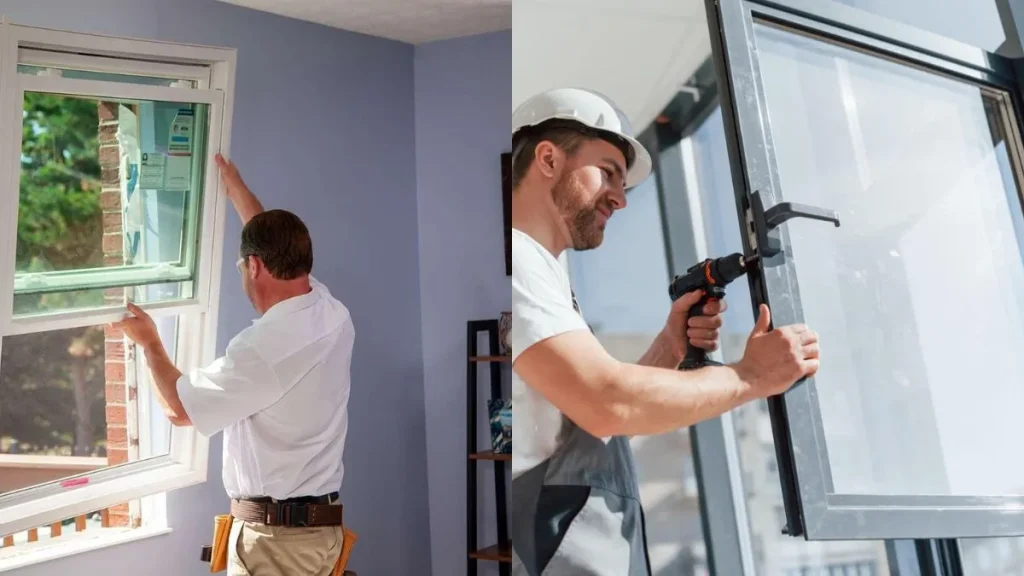
Ease Of Installation
Provia Windows offers a straightforward installation process. Their windows come with pre-finished frames, which saves time. Contractors find Provia’s products easy to fit because of consistent sizing and quality control.
- Pre-finished frames: No need for extra painting or finishing after installation.
- Standard sizing: Fits most existing window openings easily.
- Lightweight materials: Easier for installers to handle and position.
Pella windows also have a strong reputation for installation but may require more care. Pella offers several product lines, some needing extra adjustments during fitting. Their triple-pane and custom designs sometimes add complexity to installation.
| Feature | Provia | Pella |
| Pre-finished Frames | Yes | Yes |
| Standard Sizes | Mostly | Varies |
| Weight | Lightweight | Medium to Heavy |
| Installation Complexity | Low | Medium |
Both brands provide professional installation services. Provia suits quicker installations, while Pella may need more time for custom work.
Maintenance Requirements
Provia Windows are known for low maintenance. Their vinyl and fiberglass options resist warping and fading. This means fewer repairs and less frequent cleaning.
- Cleaning: Wash with mild soap and water twice a year.
- Material durability: Vinyl and fiberglass resist moisture and pests.
- Hardware: Occasional lubrication keeps locks and hinges smooth.
Pella windows require more upkeep depending on the model. Wood-frame windows need regular painting or staining to protect from weather damage. Pella’s vinyl and fiberglass models are easier to maintain but may still need more care than Provia’s.
Here’s a simple comparison:
| Maintenance Task | Provia | Pella |
| Frame Cleaning | Biannual, mild soap | Biannual, mild soap |
| Painting/Staining | Not needed | Required on wood frames |
| Hardware Care | Lubricate yearly | Lubricate yearly |
Provia’s low-maintenance design suits busy homeowners. Pella offers style with wood but demands more upkeep to keep beauty intact.
Repair And Replacement Policies
Provia provides solid warranties covering defects for many years. Their policies include glass breakage in some cases and frame issues. Repairs are often fast through authorized dealers.
- Warranty Length: Typically 20-25 years on frames and glass.
- Glass Breakage: Covered under specific conditions.
- Dealer Support: Quick response for repairs or replacements.
Pella’s warranty varies by product line. Some premium models have extended coverage, while others have shorter terms. Pella warranties often exclude accidental glass damage but cover manufacturing defects.
| Policy Aspect | Provia | Pella |
| Warranty Length | 20-25 years | 10-20 years |
| Glass Breakage Coverage | Limited coverage | Usually excluded |
| Repair Service | Authorized dealers | Authorized dealers |
Choosing the right window means weighing warranty benefits. Provia offers longer standard coverage. Pella has options but may need added protection plans.
Recommended Read: Reliabilt Vs Pella Windows
Which Brand Fits Your Needs
Choosing between Provia Windows and Pella depends on your specific needs, budget, and home style. Both brands offer quality windows, but they serve different purposes and types of homeowners.
Best Options For Budget Buyers
Provia Windows is often the better choice for buyers on a budget. It offers solid quality at a lower price point compared to Pella. Provia focuses on energy efficiency and durability without high costs. This makes it ideal for homeowners who want good performance but need to watch their spending.
- Affordable pricing: Provia windows tend to cost less upfront.
- Good energy ratings: Many models have Energy Star certification.
- Durable materials: Vinyl and fiberglass options resist wear well.
- Simple designs: Basic styles fit most homes without extra cost.
Here is a quick comparison of basic window features for budget buyers:
| Feature | Provia Windows | Pella Windows |
| Starting Price | $300 – $600 per window | $500 – $900 per window |
| Material Options | Vinyl, Fiberglass | Wood, Vinyl, Fiberglass |
| Energy Efficiency | Good (Energy Star) | Excellent (Energy Star + advanced tech) |
| Warranty | Limited Lifetime | Limited Lifetime + Transferable |
Provia’s straightforward options suit budget-conscious buyers who want reliable windows without extra features. The focus stays on value and basic performance.
Ideal Choices For Premium Homes
Pella shines in premium and luxury home markets. Their windows bring advanced technology, elegant designs, and customizable options. Pella windows often feature wood frames or high-end finishes that add style and value.
Premium homes benefit from Pella’s:
- Wide design variety: Multiple styles, colors, and finishes.
- High-end materials: Wood, fiberglass, and aluminum-clad options.
- Smart features: Integrated blinds, security glass, and improved insulation.
- Superior craftsmanship: Detailed trim and smooth operation.
Below is a list of popular Pella window series for premium homes:
- Pella Architect Series: Custom wood windows with classic appeal.
- Pella Lifestyle Series: Fiberglass durability with wood interiors.
- Pella Impervia Series: Fiberglass with superior strength and low maintenance.
These options offer more than basic function. They add beauty and long-term value, perfect for upscale homes with unique design needs.
Recommendations Based On Climate
Climate greatly affects window performance. Choosing the right brand depends on weather conditions and insulation needs.
Cold climates: Both brands offer windows with good insulation. Pella windows provide advanced triple-pane glass and better seals. Provia windows with insulated fiberglass frames also perform well.
Hot climates: Look for windows with low solar heat gain. Pella’s reflective coatings reduce heat entry. Provia’s vinyl frames resist warping in heat.
Humid or coastal areas: Fiberglass frames resist moisture and salt air better than wood. Both brands have fiberglass lines suitable for these conditions.
| Climate Type | Provia Recommendation | Pella Recommendation |
| Cold Winters | Fiberglass with double-pane Low-E glass | Triple-pane with advanced weather seals |
| Hot Summers | Vinyl frames with solar control glass | Low solar heat gain coatings on glass |
| Humid / Coastal | Fiberglass frames for moisture resistance | Fiberglass or aluminum-clad wood frames |
Match your climate needs with the right window features to improve comfort and lower energy bills. Both Provia and Pella have strong options tailored for different environments.
Conclusion
Choosing between Provia Windows and Pella depends on your needs and budget. Both brands offer quality and durability. Provia focuses on energy efficiency and strong materials. Pella has many styles and advanced features. Consider your home’s style and climate. Compare warranties and customer service too. Take time to review each option carefully. This helps you make the best choice for your home.


