


Choosing the right windows for your home is a big decision. You want something that looks great, lasts long, and fits your budget.
When it comes to Lindsay Windows vs Andersen Windows, you might feel stuck trying to figure out which brand suits your needs best. This article will help you clear the confusion by breaking down the key differences, benefits, and what you can expect from each.
Brand Comparison
Choosing between Lindsay Windows and Andersen Windows can be challenging. Both brands have strong reputations in the window industry. A brand comparison helps understand their differences and strengths.
Company Backgrounds
Lindsay Windows is known for its focus on quality and energy efficiency. The company began as a smaller regional brand but grew by offering durable and affordable window options. Their products often highlight craftsmanship with modern designs.
- Founded in the mid-20th century
- Focus on energy-saving window technology
- Emphasis on craftsmanship and durability
- Offers both vinyl and wood window options
Andersen Windows
- Founded in 1903, with over 100 years of experience
- Known for innovation and product diversity
- Uses wood, vinyl, and composite materials
- Strong commitment to sustainability and green building
Market Presence
Andersen Windows
- Available nationwide and in Canada
- Strong presence in both residential and commercial markets
- Distributed through retailers, dealers, and direct sales
- Large advertising and brand recognition
Lindsay Windows
- Focus on regional markets
- Limited distribution through select dealers
- Known for competitive pricing in local areas
- Smaller advertising budget compared to Andersen
Customer Base
Andersen Windows attracts a diverse customer base. Their products suit homeowners, builders, and commercial clients. Customers appreciate quality, design options, and the company’s warranty. Andersen often serves large-scale projects and custom home builders.
- Homeowners seeking premium windows
- Builders and contractors for new builds
- Commercial property developers
- Customers valuing warranties and design variety
Lindsay Windows
- Homeowners focused on affordability
- Clients needing replacement windows
- Small-scale residential projects
- Customers prioritizing energy efficiency
Product Range
Choosing between Lindsay Windows and Andersen Windows often comes down to the product range each brand offers. Both companies provide a wide selection of windows designed to fit different home styles and needs.

Window Styles
Lindsay Windows and Andersen Windows both offer a variety of window styles to match diverse architectural designs. Their collections include classic and modern options to complement any home.
- Lindsay Windows focuses on simplicity with popular styles like:
- Double-hung windows
- Casement windows
- Sliding windows
- Picture windows
- Andersen Windows
- Awning windows
- Bay and bow windows
- Double-hung and single-hung windows
- Custom shapes and specialty windows
Materials Used
The choice of materials affects window durability, maintenance, and energy efficiency. Lindsay Windows and Andersen Windows use different materials to meet various customer needs.
Lindsay Windows primarily uses vinyl and aluminum. Vinyl windows are popular for their affordability and low maintenance. Aluminum adds strength and a sleek look but can conduct heat more than vinyl.
- Vinyl: Affordable, energy-efficient, low maintenance
- Aluminum: Durable, modern appearance, less energy-efficient
Andersen Windows offers a wider variety of materials, including wood, composite, vinyl, and aluminum-clad wood. Their wood windows provide natural beauty and insulation, while composite materials combine strength and low upkeep.
- Wood: Classic look, excellent insulation, requires maintenance
- Composite (Fibrex): Strong, low maintenance, energy-efficient
- Vinyl: Affordable, easy to maintain
- Aluminum-Clad Wood: Durable exterior, warm interior
Customization Options
Customization helps homeowners get windows that fit their style and function needs. Both brands offer several choices but differ in depth and flexibility.
Lindsay Windows
- Standard color options (white, beige, brown)
- Multiple grid patterns
- Different glass types (clear, tinted, energy-efficient)
- Standard sizes with some custom sizing
The customization is straightforward, suitable for common home designs and budgets.
Andersen Windows
- Wide color palette with custom colors
- Various hardware finishes
- Multiple grille styles and patterns
- Custom shapes and sizes
- Advanced glass technologies (sound control, UV protection)
- Interior and exterior finish options
Energy Efficiency
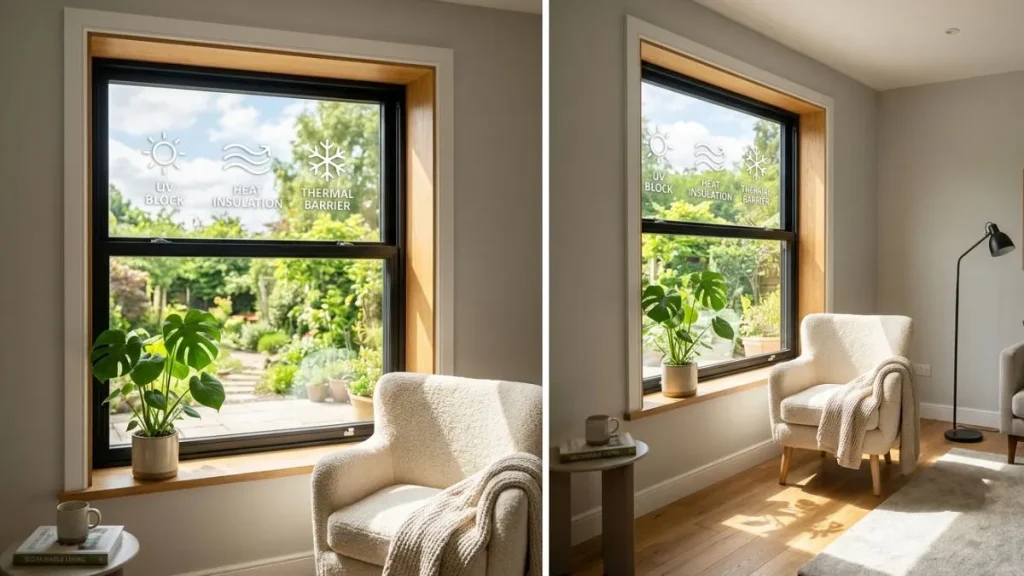
Energy efficiency plays a key role in choosing between Lindsay Windows and Andersen Windows. Both brands offer windows designed to keep homes comfortable and reduce energy loss.
Insulation Ratings
Insulation ratings show how well a window blocks heat from entering or escaping. Two main ratings matter: U-factor and Solar Heat Gain Coefficient (SHGC).
- U-factor measures heat transfer. Lower values mean better insulation.
- SHGC shows how much solar heat passes through. Lower numbers keep homes cooler in summer.
Lindsay Windows and Andersen Windows both offer products with competitive U-factors and SHGC ratings.
| Brand | Typical U-factor Range | Typical SHGC Range |
| Lindsay Windows | 0.25 – 0.30 | 0.25 – 0.30 |
| Andersen Windows | 0.20 – 0.28 | 0.20 – 0.35 |
Andersen often offers lower U-factors, meaning better insulation in colder climates. Lindsay windows maintain solid SHGC values that help reduce cooling costs. Both brands use advanced glass options like Low-E coatings and gas fills to improve performance.
Energy Star Certifications
Energy Star certification confirms a window meets strict energy-saving standards. Both Lindsay and Andersen windows have many Energy Star-certified models.
Energy Star labels vary by climate zones. Windows that work well in cold areas might differ from those in hot zones.
- Lindsay Windows: Certified models available for northern, southern, and mixed climates.
- Andersen Windows: Offers wide Energy Star certification coverage with tailored products for each zone.
The certification ensures windows reduce energy waste, lower carbon footprints, and improve home comfort. Energy Star windows typically feature:
- High-quality frames and weatherstripping
- Advanced glazing technology
- Multiple panes with gas fills
Both brands meet these criteria, but Andersen’s broader range gives more options for specific regional needs.
Impact On Utility Bills
Energy-efficient windows lower heating and cooling costs. Choosing Lindsay or Andersen can make a noticeable difference in monthly bills.
Factors affecting savings include:
- Climate zone
- Window size and number
- Insulation and glazing technology
Studies show that upgrading from standard windows to Energy Star-rated windows can reduce energy costs by 10% to 25%.
| Brand | Estimated Annual Savings | Key Features Influencing Savings |
| Lindsay Windows | $100 – $250 | Good insulation, Low-E glass, gas fills |
| Andersen Windows | $150 – $300 | Superior U-factors, customizable glazing |
Andersen windows may provide slightly higher savings due to better insulation ratings. Lindsay windows still offer solid efficiency and value. Proper installation also affects energy savings for both brands.
Durability And Maintenance
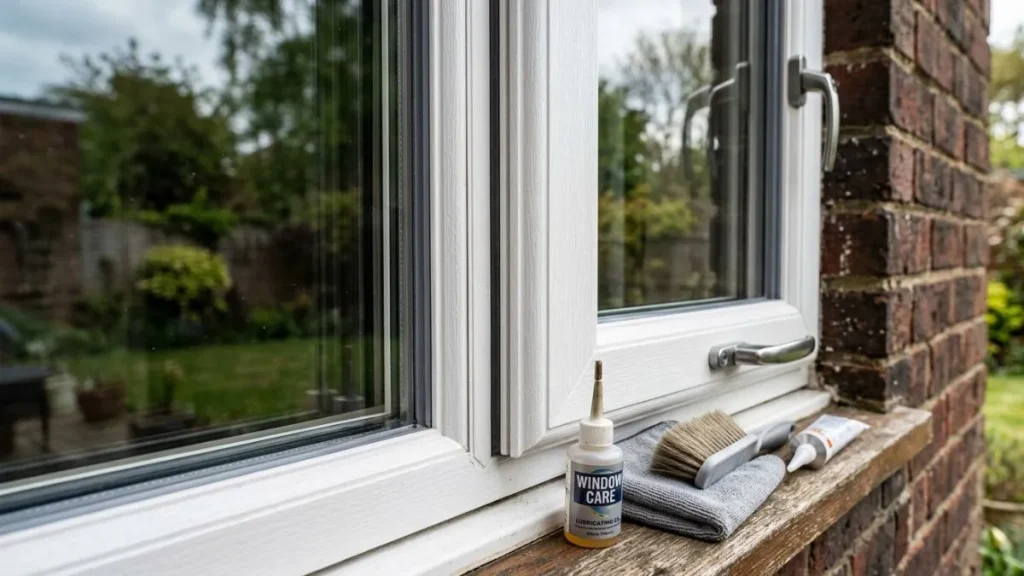
Choosing between Lindsay Windows and Andersen Windows involves many factors, especially durability and maintenance. These features affect how long the windows last and how much work they need. Durable windows save money over time and keep homes safe and comfortable. Maintenance needs decide how often you clean or fix the windows.
Material Longevity
Lindsay Windows mostly use vinyl and fiberglass materials. Vinyl is known for resisting cracks and fading. Fiberglass is strong and does not warp easily. Andersen Windows offer wood, composite, and vinyl options. Wood has a classic look but needs more care. Composite materials blend wood fibers with plastic for extra strength.
- Lindsay Vinyl: Lasts 20-30 years with little damage.
- Lindsay Fiberglass: Can last 40+ years, very stable.
- Andersen Wood: Lasts 15-25 years but can rot if not cared for.
- Andersen Composite: Durable for 30+ years, resists warping.
- Andersen Vinyl: Similar life span to Lindsay vinyl.
Resistance To Weather
Windows face sun, rain, wind, and cold. Resistance to these factors is key for lasting performance. Lindsay’s fiberglass windows handle weather well. They do not expand or contract much with temperature changes. Vinyl models resist moisture but can fade in strong sun.
Andersen wood windows need protection from moisture. Without paint or sealant, wood can swell and rot. Composite windows resist weather better than wood. Andersen vinyl windows offer good moisture resistance but may also fade.
- Lindsay Fiberglass: Excellent against temperature and moisture.
- Lindsay Vinyl: Moisture resistant but less UV stable.
- Andersen Wood: Needs regular sealing to prevent damage.
- Andersen Composite: Weather resistant and strong.
- Andersen Vinyl: Good moisture protection, moderate UV resistance.
Summary of weather resistance:
- Best: Lindsay Fiberglass
- Good: Andersen Composite
- Moderate: Lindsay Vinyl, Andersen Vinyl
- Needs Care: Andersen Wood
Upkeep Requirements
Maintenance affects time and money spent on windows. Lindsay windows generally need less upkeep. Vinyl and fiberglass frames only require cleaning with soap and water. No painting is needed. Andersen wood windows require more work. They need repainting or staining every few years to protect the wood. Composite and vinyl Andersen windows need cleaning but less painting.
- Lindsay Vinyl & Fiberglass: Clean twice a year.
- Andersen Wood: Clean regularly, repaint every 3-5 years.
- Andersen Composite: Clean twice a year, no painting.
- Andersen Vinyl: Clean twice a year.
Maintenance checklist:
- Wash frames with mild soap and water.
- Check seals and caulking yearly.
- For wood, inspect paint and stain condition.
- Repair any cracks or damage quickly.
Lindsay windows save time on upkeep. Andersen wood windows require more attention but offer a traditional look.
Installation Process
Choosing between Lindsay Windows and Andersen Windows involves understanding their installation processes. Installation affects how well windows perform and last. Each brand offers unique approaches to installation, impacting ease, cost, and time.

Professional Services
Both Lindsay and Andersen provide professional installation services to ensure windows fit perfectly and work efficiently. Hiring experts reduces risks like leaks, drafts, and damage.
- Lindsay Windows: Offers certified installers trained specifically for their products. Their teams handle removal of old windows, preparation, and precise fitting.
- Andersen Windows: Uses authorized contractors with extensive experience. They follow strict guidelines to maintain warranty and maximize energy efficiency.
Benefits of professional installation include:
- Accurate measurements and fit
- Proper sealing and insulation
- Compliance with local building codes
- Warranty protection
Professional installation is the safest choice for long-term window performance.
DIY Options
Some homeowners prefer to install windows themselves to save money. Both Lindsay and Andersen offer products suited for DIY installation.
Key points about DIY installation:
- Lindsay Windows: Provides detailed instructions and support materials. Their windows often come with pre-finished frames to simplify work.
- Andersen Windows: Offers step-by-step guides and online videos. Some models are designed for easy fitting without special tools.
DIY installation requires:
- Basic carpentry skills
- Correct tools (level, drill, measuring tape)
- Patience and attention to detail
- Understanding of window flashing and sealing
Note: Improper DIY installation can void warranties and cause issues.
Installation Timeframes
Time needed to install Lindsay or Andersen windows varies by method and home conditions.
Typical installation times include:
- Professional Installation: Usually 1-3 days per project, depending on the number of windows and complexity.
- DIY Installation: Can take 1-2 days per window for an experienced person; longer for beginners.
Factors affecting timeframe:
- Window size and type
- Preparation needed (removal of old windows, repairs)
- Weather conditions
- Installer availability for professional services
Planning ahead helps reduce delays and ensures smoother installation.
Pricing And Value
Choosing between Lindsay Windows and Andersen Windows often comes down to pricing and value. Both brands offer quality products, but their costs and benefits differ.
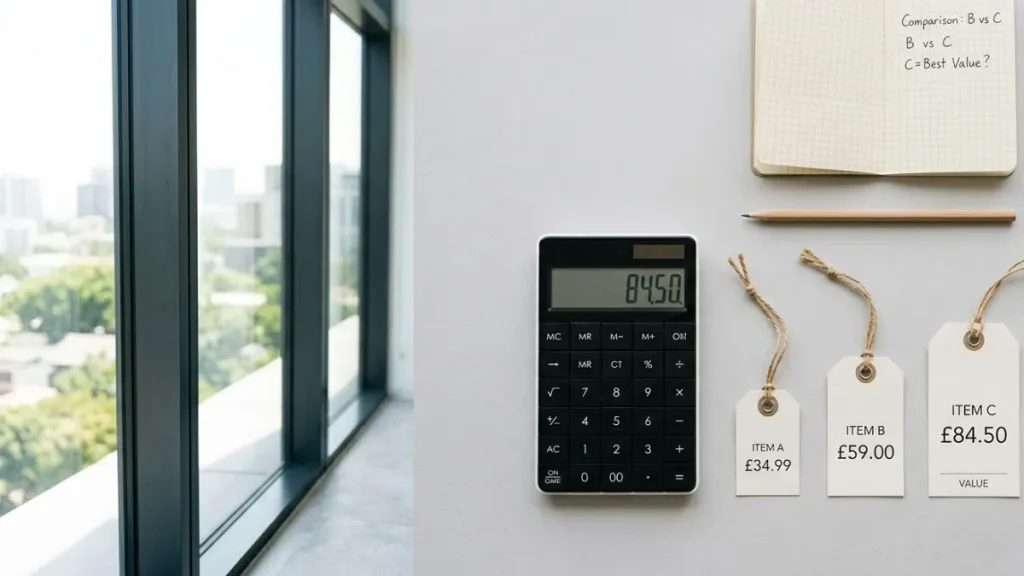
Cost Comparison
Lindsay Windows generally provide more affordable options compared to Andersen Windows. The initial price of Lindsay products tends to be lower, making them suitable for budget-conscious buyers. Andersen, known for premium materials, usually has higher prices but offers advanced features.
Here is a quick cost comparison:
| Window Brand | Price Range (per window) | Material Options | Custom Features |
| Lindsay Windows | $250 – $600 | Vinyl, Aluminum | Basic Customization |
| Andersen Windows | $400 – $1,200 | Wood, Fibrex, Vinyl | Extensive Customization |
Lindsay Windows suit smaller budgets and standard needs. Andersen Windows fit buyers wanting luxury and durability. Consider these points:
- Lindsay offers cost-effective, energy-efficient windows.
- Andersen provides long-lasting materials with design flexibility.
- Installation costs vary by region and window size.
Warranty Coverage
Warranty plays a key role in value. Lindsay Windows and Andersen Windows both provide warranties, but the terms differ. Andersen’s warranty is often longer and more comprehensive.
Here is an overview of their typical warranty coverage:
| Feature | Lindsay Windows Warranty | Andersen Windows Warranty |
| Coverage Length | 10 – 20 years | 20 – 30 years |
| Glass Breakage | Limited | Full |
| Hardware | Limited | Full |
| Transferability | Usually no | Yes |
The longer warranty from Andersen adds peace of mind. Lindsay’s warranty covers basic defects but has more restrictions. Consider these points:
- Check if the warranty covers installation issues.
- Look for transferable warranties for resale value.
- Understand what voids the warranty, such as improper maintenance.
Return On Investment
Both Lindsay and Andersen windows can add value to a home. Andersen’s high-end materials and longer warranties can lead to higher resale values. Lindsay windows offer good energy savings and a lower upfront cost, which appeals to many buyers.
Key points about return on investment (ROI):
- Energy Efficiency: Both brands provide energy-efficient options, lowering utility bills.
- Home Value: Andersen windows often increase home value more due to premium features.
- Maintenance Costs: Lindsay windows may require more upkeep over time.
- Longevity: Andersen’s durable materials can last decades, reducing replacement costs.
Here is a simple ROI comparison:
| Factor | Lindsay Windows | Andersen Windows |
| Initial Cost | Lower | Higher |
| Energy Savings | Moderate | High |
| Increased Home Value | Low to Moderate | High |
| Maintenance | More frequent | Less frequent |
Choosing the right windows depends on budget and long-term goals. Andersen offers better ROI for luxury and durability. Lindsay fits tight budgets with solid performance.
Read Also: Provia Windows Vs Pella
Customer Satisfaction
Customer satisfaction plays a crucial role in choosing between Lindsay Windows and Andersen Windows. Buyers want products that meet their expectations and receive good service after purchase. Both brands offer quality windows, but their customer experiences can differ.
Reviews And Ratings
Reviews and ratings reveal how customers feel about Lindsay Windows and Andersen Windows. Both brands have many positive reviews, but some differences stand out. Andersen Windows often scores higher for design and durability. Lindsay Windows receives praise for affordability and energy efficiency.
- Andersen Windows: Average rating around 4.5 stars on major review sites.
- Lindsay Windows: Average rating about 4 stars, with good feedback on value.
Here is a comparison table summarizing key points from customer reviews:
| Feature | Andersen Windows | Lindsay Windows |
| Design Quality | Highly rated for stylish and modern looks | Good, but fewer design options |
| Energy Efficiency | Good, many models Energy Star certified | Excellent, often praised for insulation |
| Price | Higher price range | More affordable options |
| Durability | Strong, long-lasting materials | Durable but some reports of wear over time |
Common Complaints
Both Lindsay and Andersen Windows have some common complaints from customers. These issues can affect satisfaction and should be considered before buying.
For Andersen Windows, customers mention:
- Higher cost: Some feel the price is too high for their budget.
- Delivery delays: Longer wait times reported in some areas.
- Installation issues: A few complaints about poor workmanship by installers.
Lindsay Windows customers often report:
- Seal problems: Some windows have issues with fogging between glass panes.
- Limited styles: Fewer options available compared to larger brands.
- Warranty delays: Slow response when making warranty claims.
Below is a side-by-side look at common complaints:
| Issue | Andersen Windows | Lindsay Windows |
| Price | Considered expensive by some | Generally affordable |
| Delivery Time | Occasional delays reported | Usually on time |
| Installation Quality | Mixed reviews | Mostly positive but varies |
| Product Issues | Rare defects | Some seal failures |
Customer Support
Customer support affects overall satisfaction with Lindsay and Andersen Windows. Both companies offer ways to get help, but service quality varies.
Andersen Windows provides:
- Phone and online chat support
- Extensive FAQ and resources on their website
- Dedicated warranty service teams
- Authorized dealers with local support
Many customers praise Andersen’s quick and helpful responses. Some note longer wait times during busy seasons.
Lindsay Windows offers:
- Phone support during business hours
- Email support with response within 24-48 hours
- Warranty claims handled through dealers
- Limited online resources compared to Andersen
Some Lindsay customers find support helpful but wish for faster replies and more self-help options.
Conclusion
Both Lindsay Windows and Andersen Windows offer solid choices for your home. Lindsay focuses on strong, durable frames with good energy savings. Andersen provides a wider style range and trusted brand reputation. Think about your budget, style needs, and climate.
Each brand has pros and cons worth weighing. Choose the windows that fit your home and personal taste best. Either way, quality and comfort matter most. Take your time, and pick what feels right for you.


