


Your kitchen is more than just a place to cook—it’s the heart of your home. Imagine an old brick chimney standing proudly in your kitchen, adding character and warmth that modern designs often lack.
This charming feature can transform your space, making it cozy and inviting. If you’ve ever wondered how an old brick chimney could enhance your kitchen’s look and feel, keep reading. You’ll discover why this timeless element might be exactly what your kitchen needs to stand out and feel truly special.
Benefits Of An Old Brick Chimney
An old brick chimney in the kitchen adds unique charm and practical benefits. It brings a warm, rustic feel that many modern kitchens lack. Beyond looks, an old brick chimney offers strong durability and helps with ventilation. This makes the kitchen more comfortable and safer. Let’s explore the main benefits of having an old brick chimney in your kitchen.
Durability And Strength
Old brick chimneys are built to last. The bricks and mortar withstand heat and wear better than many other materials. This strength means fewer repairs and longer life for your kitchen structure. Brick also resists fire, making it a safer choice near cooking areas.
Improved Airflow And Ventilation
An old brick chimney helps remove smoke and cooking smells from the kitchen. It allows fresh air to flow in and pushes out stale air. This keeps the kitchen environment clean and pleasant. Proper ventilation also reduces moisture, preventing mold and damage.
Energy Efficiency
Brick stores heat well. During cooking, the chimney absorbs warmth and slowly releases it later. This can help keep the kitchen warmer without extra heating. In cooler months, this natural heat retention saves energy and lowers heating costs.
Aesthetic Appeal And Character
The rough texture and rich colors of old bricks create a cozy, inviting look. This adds character and a historic feel to the kitchen. It works well with many design styles, from farmhouse to industrial. The chimney can become a beautiful focal point in your kitchen.
Low Maintenance
- Bricks require little upkeep compared to other materials.
- Cleaning is simple and rarely needed beyond dusting.
- Brick does not fade or wear quickly.
- Minor repairs are easy and affordable.
Environmental Benefits
Using an old brick chimney reduces waste by reusing existing materials. Brick is natural and recyclable, making it eco-friendly. Choosing brick helps lower the kitchen’s environmental impact.
Common Issues With Old Brick Chimneys
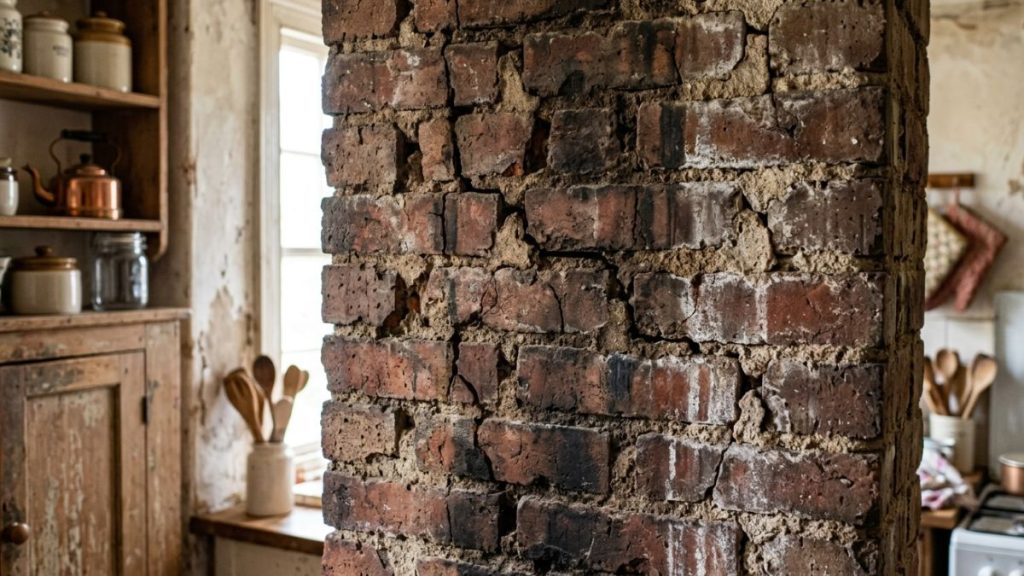
Old brick chimneys in kitchens add charm and warmth to any home. Over time, these structures face several common issues that can affect their safety and performance. Regular checks prevent small issues from becoming costly repairs.
Cracks And Deterioration
Cracks in the bricks and mortar are the most common problems with old chimneys. These cracks develop due to heat, weather changes, and natural aging. Small cracks may look harmless but can grow larger, causing serious damage.
Signs of cracks and deterioration:
- Loose or crumbling bricks
- Gaps in mortar joints
- Pieces of brick falling off
- Visible cracks inside the chimney
These issues allow heat and smoke to escape, reducing efficiency and increasing fire risk. Moisture also seeps through cracks, making damage worse. Fixing cracks early saves money and keeps the chimney safe.
Smoke And Ventilation Problems
Old brick chimneys can cause smoke and ventilation issues. Blockages or damaged flues stop smoke from leaving the kitchen properly. This leads to smoke buildup and poor air quality indoors.
Common causes of smoke and ventilation problems:
- Narrow or clogged chimney flue
- Cracked or broken flue liners
- Improper chimney height
- Obstructions like bird nests or debris
These problems affect cooking and heating safety. Smoke can irritate eyes and lungs. Poor ventilation also increases the risk of carbon monoxide buildup.
Simple checks can prevent these risks:
- Inspect and clean the chimney regularly
- Repair or replace damaged flue liners
- Remove any blockages
- Ensure the chimney extends above the roofline
Water Damage
Water damage is a serious threat to old brick chimneys in kitchens. Rain, snow, and humidity can seep into bricks and mortar, causing decay. Over time, this weakens the chimney and leads to costly repairs.
Signs of water damage include:
- Discolored or damp bricks
- Moss or mold growth
- Efflorescence (white powdery deposits)
- Spalling bricks (surface peeling or flaking)
Water trapped inside the chimney expands when freezing, breaking bricks apart. Proper waterproofing protects against this damage.
Restoration And Repair Techniques
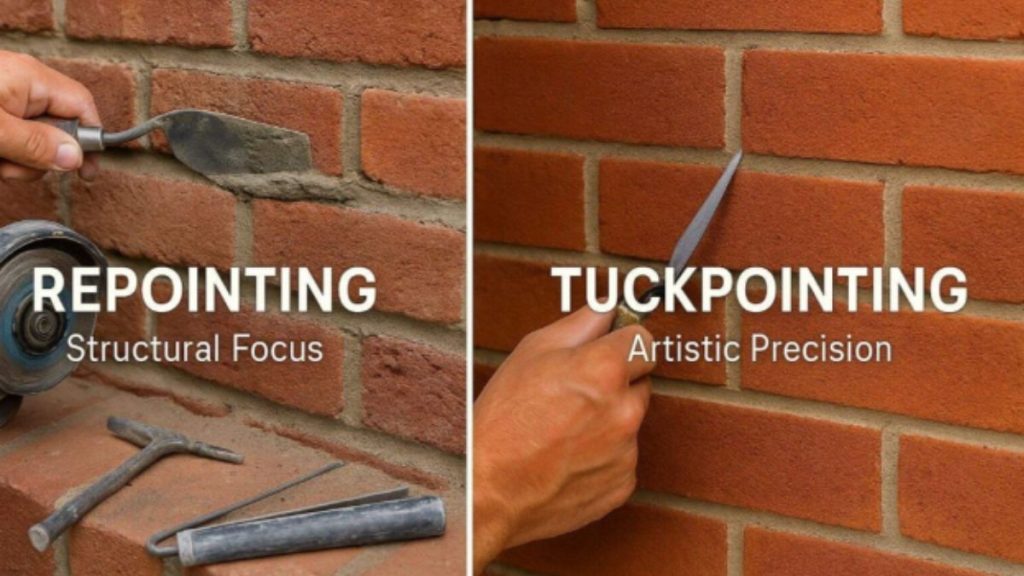
Old brick chimneys in kitchens add charm and character to any home. Over time, these chimneys face wear and tear from heat, moisture, and smoke. Restoration and repair techniques help maintain their beauty and safety. Proper care can extend the chimney’s life and keep it functioning well.
Cleaning And Repointing
Cleaning and repointing are crucial first steps in chimney restoration. Over years, soot, dirt, and creosote build up on bricks. This buildup not only looks bad but also harms the bricks and mortar. Gentle cleaning removes these deposits without damaging the brick surface.
- Use a soft brush or low-pressure water to clean the chimney.
- Avoid harsh chemicals that can erode bricks or mortar.
- For heavy soot, consider professional chimney cleaning services.
Repointing repairs the mortar joints between bricks. Mortar cracks or falls out due to weather and heat stress. Filling these gaps strengthens the chimney and prevents water seepage.
| Repointing Steps | Description |
| Remove Old Mortar | Use hand tools to carefully clear damaged mortar. |
| Mix New Mortar | Create a mortar mix similar to the original for best results. |
| Apply Mortar | Fill joints evenly, ensuring a tight seal. |
| Smooth and Cure | Shape the mortar to match existing joints and let it dry slowly. |
Regular cleaning and repointing preserve the chimney’s strength and appearance. These steps prevent brick damage and water leaks.
Replacing Damaged Bricks
Old chimneys often have bricks that crack, crumble, or spall. These damaged bricks weaken the structure and reduce safety. Replacing them is a careful, detailed process that restores chimney integrity.
First, identify bricks that are loose, broken, or heavily worn. Mark these bricks for removal. Use tools like a chisel and hammer to remove them without harming neighboring bricks.
- Remove damaged bricks carefully.
- Clean the cavity of old mortar and debris.
- Prepare new bricks that match size and color.
- Apply fresh mortar and set the new bricks in place.
- Check alignment and ensure tight joints.
Match new bricks to original ones for a seamless look. Use fire-resistant mortar designed for chimneys to ensure durability.
Replacing damaged bricks prevents further decay and maintains chimney safety. It also improves the kitchen’s overall appearance.
Sealing And Waterproofing
Sealing and waterproofing protect the chimney from moisture damage. Water penetrates bricks and mortar, causing cracks, mold, and spalling. A good seal keeps water out and extends chimney life.
There are different types of sealants suitable for brick chimneys:
- Silicone-based sealants: Penetrate bricks and repel water without trapping moisture inside.
- Acrylic sealants: Form a protective film on the surface but allow bricks to breathe.
- Water repellents: Usually clear, they preserve the chimney’s natural look.
Apply sealants only after thorough cleaning and drying. Follow product instructions carefully for the best results. Sealing and waterproofing reduce maintenance and protect the chimney from harsh kitchen conditions.
Incorporating The Chimney Into Kitchen Design
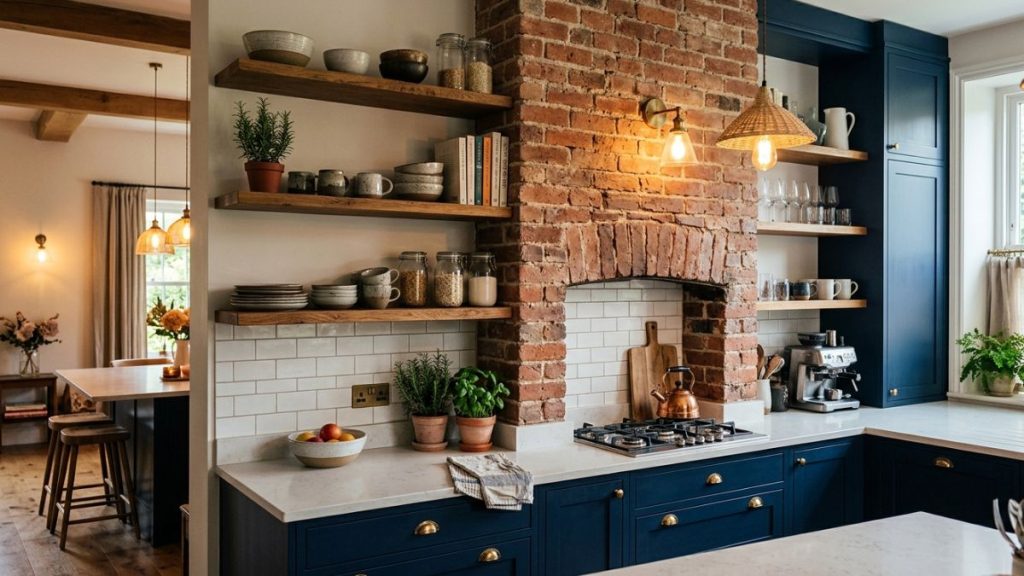
The old brick chimney in the kitchen can be a stunning focal point. It adds character and warmth to the space. Incorporating this feature into kitchen design blends history with modern living. The chimney’s raw texture and color create a unique backdrop. It works well with many styles, from cozy rustic to sleek industrial.
Rustic And Vintage Styles
Old brick chimneys fit perfectly in rustic and vintage kitchens. Their weathered look adds charm and a sense of history. The rough surface contrasts well with wooden cabinets and farmhouse sinks. Natural materials like wood and stone pair beautifully with brick.
- Use warm colors: Browns, creams, and soft reds enhance the rustic feel.
- Combine with antique decor: Vintage cookware and open shelves highlight the old-world charm.
- Soft lighting: Edison bulbs or lantern-style lights create a cozy mood.
Here is a quick style comparison:
| Element | Rustic Style | Vintage Style |
| Cabinet Material | Reclaimed wood | Painted wood with distressing |
| Countertops | Butcher block or stone | Marble or ceramic tiles |
| Accessories | Wicker baskets, pottery | Old jars, vintage signs |
Exposed brick brings warmth and history to these kitchens. It invites a natural, lived-in look. This style feels welcoming and timeless.
Modern Industrial Looks
The old brick chimney also suits modern industrial kitchens. It adds texture and contrast to sleek, clean lines. The combination of brick and metal creates an urban edge. Concrete floors and stainless steel appliances match well with brick.
- Use neutral tones: Grays, blacks, and whites keep the look sharp.
- Minimalist design: Simple furniture lets the chimney stand out.
- Metal accents: Steel light fixtures and stools add to the industrial feel.
Consider this checklist for an industrial kitchen:
- Leave brick chimney exposed and unpainted.
- Choose flat-front cabinets with metal handles.
- Add open shelving with black metal brackets.
- Include pendant lights with Edison bulbs.
- Use concrete or hardwood flooring.
Industrial style creates a bold, modern space. The brick chimney becomes a centerpiece that connects past and present. It provides a strong visual anchor without overwhelming the design.
Functional Use As A Cooking Feature
Beyond style, the old brick chimney can serve a functional role in the kitchen. It can house a wood-fired oven or open hearth for cooking. This adds authentic flavor and a traditional touch to meals.
Benefits of using the chimney as a cooking feature:
- Efficient heat retention: Brick holds and radiates heat well.
- Natural cooking method: Wood fire adds smoky taste.
- Unique dining experience: Cooking in view creates a warm atmosphere.
How to integrate the chimney for cooking:
| Feature | Details |
| Wood-fired oven | Built into the chimney cavity for baking and roasting |
| Open hearth | Traditional fireplace used for grilling or slow cooking |
| Ventilation | Proper flue and chimney cleaning for smoke removal |
Functional chimneys blend history with modern cooking needs. They create a kitchen space that is both beautiful and useful. This approach honors tradition while enhancing the home’s heart.
Safety Considerations
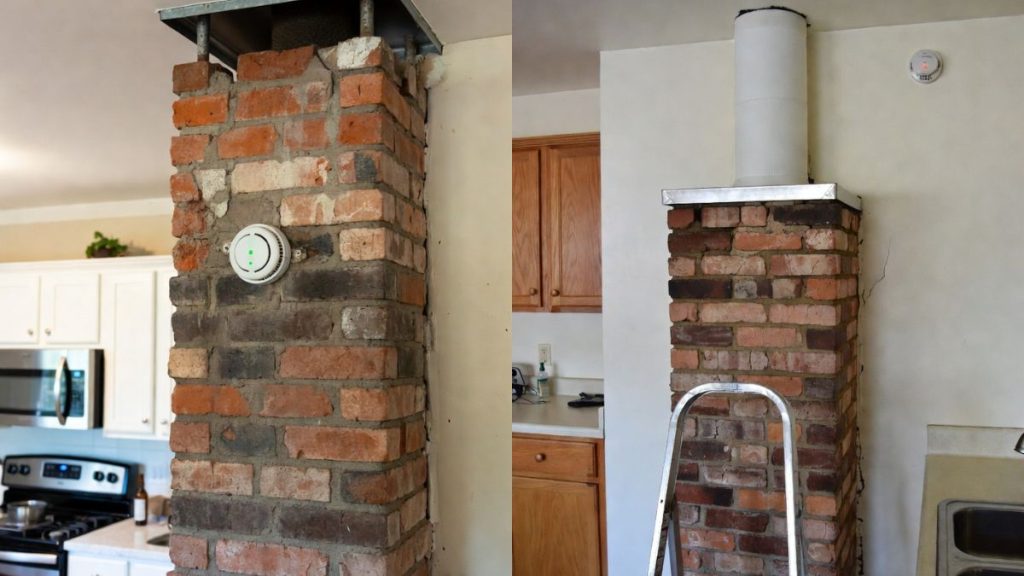
Old brick chimneys in kitchens add charm and warmth but require careful safety measures. These chimneys face risks due to age, soot buildup, and heat exposure. Safety considerations protect your home from fire hazards and structural damage. Regular care and attention keep the chimney safe to use and maintain its beauty. Ignoring safety can lead to dangerous problems that are costly and hard to fix. Knowing key safety tips helps you enjoy the chimney without worry.
Regular Inspections
Regular inspections are critical for the safety of an old brick chimney in the kitchen. Check the chimney at least once a year. Look for cracks, loose bricks, or mortar damage. These can let heat escape or allow smoke to enter the kitchen.
Professional chimney inspections include:
- Checking the chimney structure for stability
- Cleaning soot and creosote buildup
- Inspecting the chimney liner for cracks or blockage
- Ensuring the chimney cap and flashing are intact
Here is a simple inspection checklist for homeowners:
| Inspection Item | What to Look For | Action Needed |
| Brick and Mortar | Cracks, loose bricks, crumbling mortar | Repair or repoint mortar joints |
| Chimney Liner | Cracks or blockages | Replace or clean liner |
| Flashing | Leaks or rust | Seal or replace flashing |
| Chimney Cap | Missing or damaged cap | Install or repair cap |
Regular inspections prevent costly repairs and keep the chimney safe for cooking and heating.
Fire Prevention Measures
Fire prevention is essential with an old brick chimney in the kitchen. Soot and creosote buildup inside the chimney can catch fire easily. Keeping the chimney clean reduces fire risks. Use a chimney brush or hire a professional chimney sweep every year.
Follow these fire safety tips:
- Remove flammable items near the chimney.
- Use a screen or glass door to contain sparks.
- Burn only dry, seasoned wood to reduce soot.
- Keep a fire extinguisher nearby and know how to use it.
- Never leave fires unattended.
Understanding common causes of chimney fires helps prevent them:
| Cause | Description | Prevention |
| Creosote Buildup | Sticky, flammable residue inside chimney | Regular cleaning and burning dry wood |
| Overheating | Fires that burn too hot | Control fire size and never overload wood |
| Cracked Chimney Liner | Allows heat to reach combustibles | Repair or replace liner promptly |
These fire prevention methods help keep your kitchen and home safe.
Proper Ventilation
Proper ventilation is key for the safe operation of an old brick chimney in the kitchen. It helps smoke, gases, and moisture escape efficiently. Poor ventilation causes smoke to fill the kitchen, creating health hazards and unpleasant smells.
Good ventilation supports fire safety and indoor air quality. Here are ways to ensure proper ventilation:
- Keep the chimney flue open when using the fireplace or stove.
- Install a chimney cap to prevent blockages from animals and debris.
- Use a vent hood or exhaust fan to remove kitchen smoke and odors.
- Check for obstructions such as nests, leaves, or creosote buildup.
- Ensure the chimney is tall enough to create good draft (at least 3 feet above the roof).
Signs of poor ventilation include:
- Smoke entering the kitchen
- Strong odors or soot stains on walls
- Condensation inside the chimney or kitchen
Proper airflow protects your family’s health and prevents damage to the chimney structure.
You May Also Like: How to Remove Chimney Above Roof Line
Conclusion
An old brick chimney adds charm and warmth to any kitchen. It creates a cozy space where family and friends gather. The rustic look fits many home styles, from traditional to modern. Keeping the chimney clean and safe is important for good use.
This feature blends history with everyday life in your home. A simple, strong touch that tells a story. Enjoy the unique feel an old brick chimney brings. It makes the kitchen more inviting and special.


