
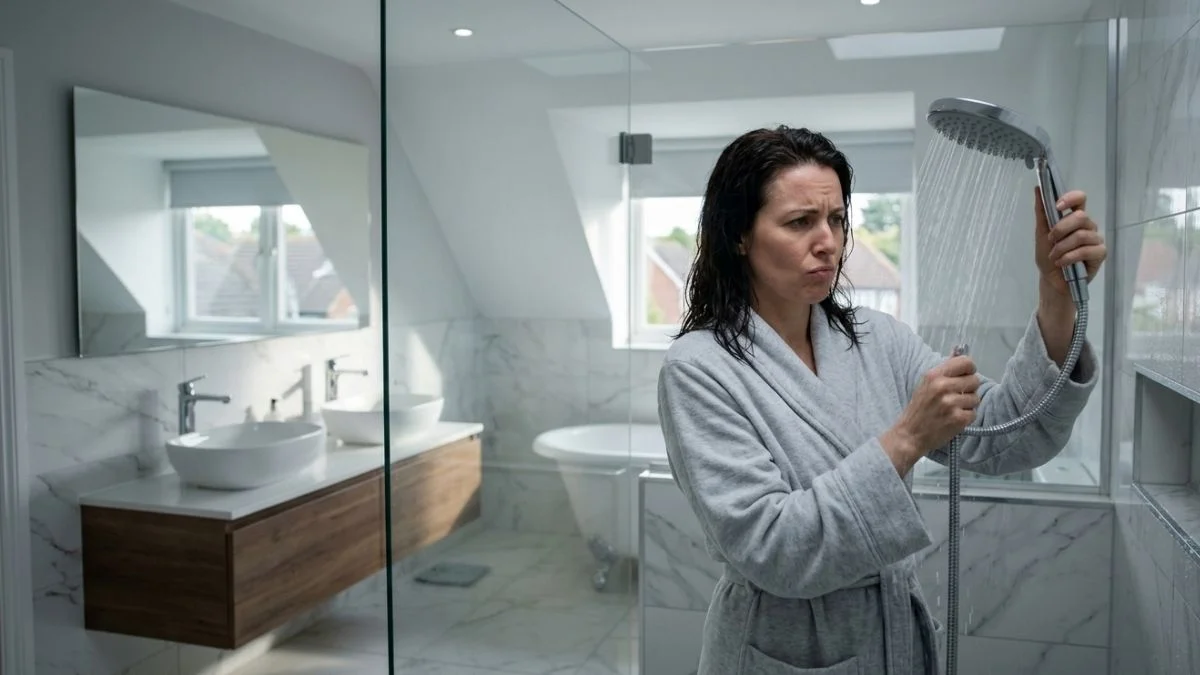
You wake up, head to the upstairs shower, turn the handle all the way to hot — and nothing but cold water comes out. You wait. And wait. Still cold. Meanwhile, the downstairs shower works just fine.
It’s one of those home problems that feels minor at first but quickly becomes a real daily frustration — especially when you have a family sharing one working shower while the other sits useless.
Here’s the good news: this is a common plumbing issue, and in most cases, it has a straightforward explanation. Whether the problem is with your water heater, your pipes, your shower valve, or water pressure, there’s almost always a fix — and depending on the cause, you may not even need to call a plumber.
Why Your Upstairs Shower Has No Hot Water
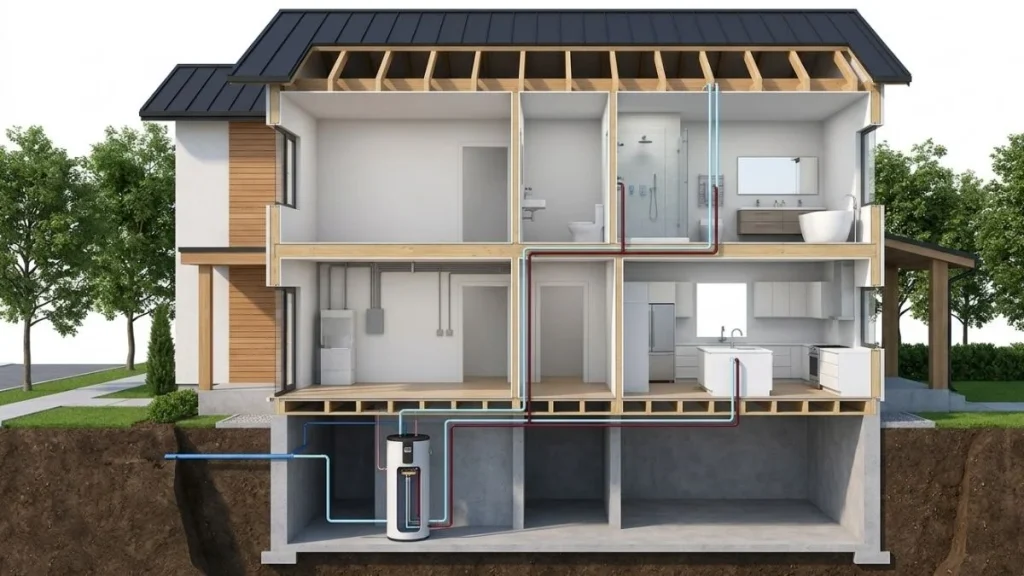
Upstairs showers are more vulnerable to hot water problems than ground-floor bathrooms because hot water has to travel farther through your pipes — and the longer the distance, the more heat it loses along the way.
The problem usually comes down to one of four things. Your water heater may be struggling to heat water efficiently due to age, sediment buildup, or an incorrect temperature setting. Pipe and plumbing issues like poor insulation, corrosion, or long pipe runs can prevent hot water from reaching the second floor at the right temperature.
A faulty shower valve — such as a worn mixing valve or an anti-scald valve set too low — can block hot water right at the source. Finally, low water pressure can make it difficult for hot water to push all the way up to your upper-floor fixtures.
The good news is that most of these problems can be diagnosed without special tools — and many can be fixed without a plumber. You just need to identify the right cause first.
Common Reasons There’s No Hot Water in Your Upstairs Shower
Your Water Heater Is the Problem
The water heater is the first place to look when your upstairs shower runs cold. When a water heater starts to fail or isn’t performing at full capacity, the upper floors of your home are usually the first to feel it — simply because hot water has to travel the farthest to get there.
A water heater that’s more than 10–15 years old may no longer heat water efficiently enough to serve every fixture in the house. But age isn’t the only factor. Even a relatively new unit can underperform if it’s the wrong size for your home or if it hasn’t been maintained properly.
Sediment Buildup in the Tank
Mineral deposits settle at the bottom of the tank over time, reducing heating efficiency. This means less hot water reaches your upstairs shower. Flushing the tank once a year solves this problem and restores performance.
Incorrect Temperature Setting
If the thermostat is set below 120°F, water cools down before reaching the second floor. Check the dial on your tank and adjust it to 120°F. If the setting is correct but the problem persists, the thermostat may need replacing.
Water Heater Is Too Small
An undersized tank runs out of hot water quickly, and the upstairs shower is always last in line. Use this as a general guide:
| Household Size | Recommended Tank Size |
| 1–2 people | 30–40 gallons |
| 3–4 people | 50 gallons |
| 5+ people | 75–80 gallons |
If your household has outgrown your current unit, upgrading to a larger tank or switching to a tankless water heater is the most effective fix.
Hot Water Can’t Reach the Second Floor
Even with a perfectly working water heater, hot water loses heat as it travels through long pipe runs to upper-floor fixtures. The farther it has to travel, the cooler it gets by the time it reaches your shower.
Poor Pipe Insulation
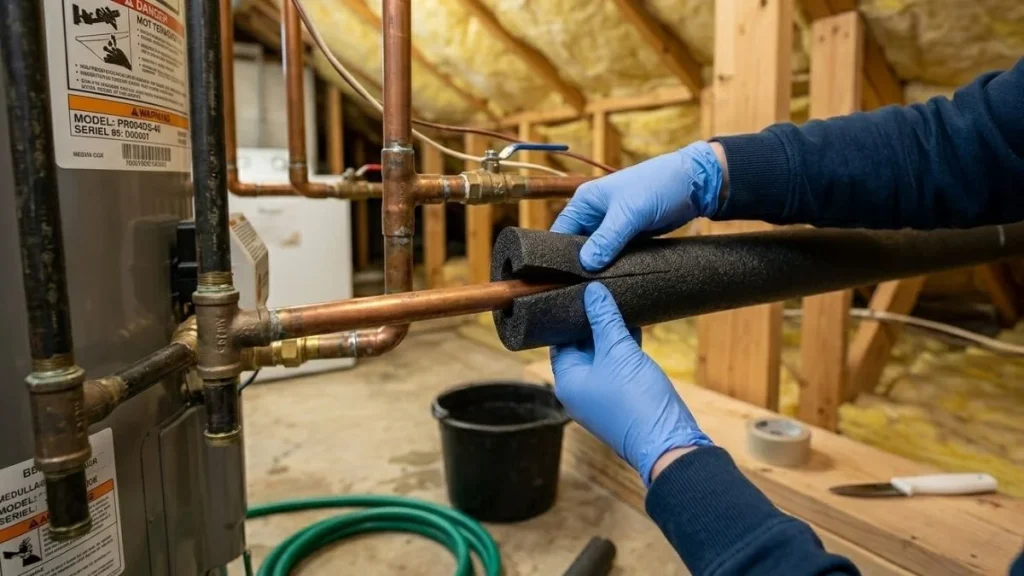
Pipes running through unheated spaces — like attics or crawl spaces — lose heat rapidly, especially in winter. Wrapping them with foam pipe insulation is an inexpensive DIY fix that makes a noticeable difference in how quickly hot water arrives upstairs.
Frozen or Blocked Pipes
In cold climates, pipes in exterior walls can partially freeze, restricting hot water flow to upper floors. If you notice reduced pressure upstairs during winter, this may be the cause. Use a hair dryer to thaw the pipe safely — never an open flame. Call a plumber if you can’t locate the blockage.
A Faulty Shower Mixing Valve
If every other fixture in your home gets hot water but the upstairs shower stays cold, the mixing valve is likely the problem. This internal component blends hot and cold water to reach your desired temperature. When it wears out, it can block hot water flow entirely.
How to Test It
Turn the shower to full hot and let it run for 3–5 minutes. Then check the upstairs bathroom sink. If the sink gets hot water but the shower doesn’t, the mixing valve needs replacing.
Anti-Scald Valve Set Too Low
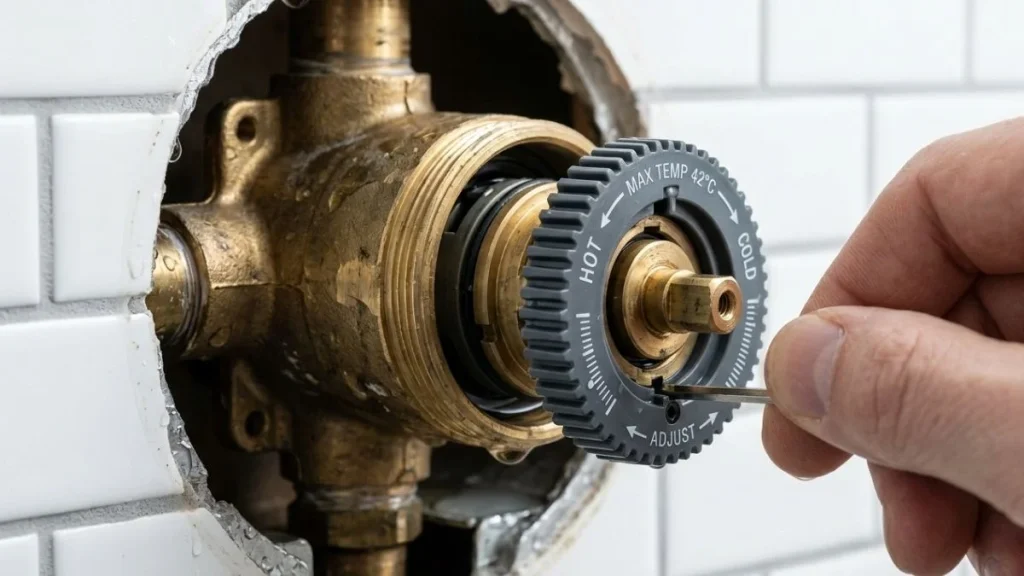
Many showers have a built-in anti-scald valve with a factory-set temperature limit that’s often too conservative. Removing the shower handle and adjusting the limit stop ring allows a higher temperature range — a 15-minute fix that requires no special tools.
Low Water Pressure Affecting Hot Water Delivery
Low water pressure makes it hard for hot water to push all the way up to the second floor. If pressure is the issue, your upstairs fixtures will always be the weakest point in the house.
Pressure-Reducing Valve (PRV) Issues
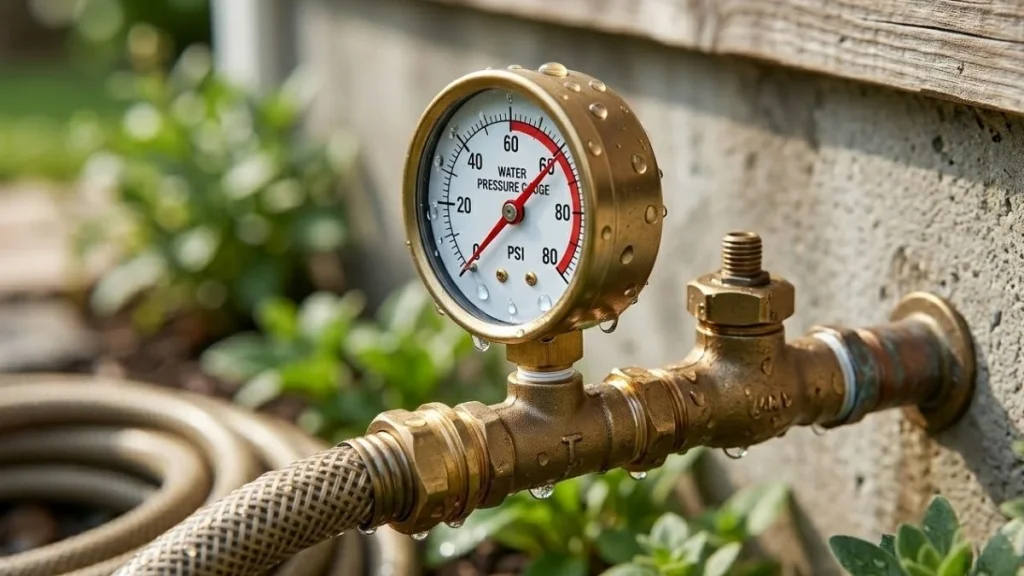
The PRV regulates incoming water pressure for the whole house. A failing PRV can drop pressure below 40 PSI, starving upper-floor fixtures. Test your pressure with a simple gauge on an outdoor hose bib. Normal range is 40–80 PSI. If it’s low, the PRV may need adjustment or replacement.
Corroded or Clogged Pipes
Older galvanized pipes corrode from the inside, narrowing the water passageway over time. If your home is 40–50 years old with original plumbing, this may be the root cause. Repiping with copper or PEX tubing is the permanent solution.
Cross-Connection Between Hot and Cold Lines
A cross-connection occurs when hot and cold water lines are improperly linked, allowing cold water to dilute the hot supply. The result is water that never gets fully hot regardless of how long you run it. This typically happens after recent plumbing work or a DIY repair. A plumber can isolate and test the lines to identify and fix the connection quickly.
A Failing Hot Water Recirculation System
Homes with a recirculation system keep hot water continuously moving through the pipes for instant availability. When the pump fails, hot water stops circulating and cools down in the pipes — and the upstairs shower feels it most.
Signs of a failing pump:
- Hot water takes much longer to arrive upstairs
- The pump runs constantly without result
- No indicator light activity on the pump unit
Replacing a failed recirculation pump typically costs $200–$500 for the unit, plus $100–$300 for installation.
How to Diagnose the Problem Step by Step
Before calling a plumber or spending money on repairs, take 10–15 minutes to run through these simple diagnostic steps. In most cases, you can pinpoint the exact cause of the problem without any special tools.
Step 1: Check Other Hot Water Fixtures in the House
Start by testing hot water at multiple points in your home — the kitchen sink, downstairs bathroom, and any other upstairs fixtures. This single step tells you a lot.
- If no fixtures in the house get hot water — the problem is almost certainly your water heater.
- If downstairs gets hot water but upstairs doesn’t — the issue is related to pipe distance, pressure, or insulation.
- If other upstairs fixtures work fine but the shower doesn’t — the problem is inside the shower itself, likely the mixing valve.
Step 2: Inspect Your Water Heater
Head to your water heater and check the following:
- Temperature setting — Make sure the thermostat is set to 120°F.
- Tank age — If it’s over 10–15 years old, efficiency may have dropped significantly.
- Unusual sounds — Rumbling or popping indicates sediment buildup.
- Visible damage — Look for rust, leaks, or discoloration around the base and connections.
If anything looks or sounds off, the water heater is likely part of the problem.
Step 3: Test the Shower Mixing Valve
Turn the shower handle completely to the hot side and let it run for 3–5 minutes. Then check the bathroom sink on the same floor. If the sink produces hot water but the shower stays cold, the mixing valve is the culprit. If both stay cold, the issue is further back in the plumbing system.
Step 4: Check Your Home’s Water Pressure
Pick up an inexpensive water pressure gauge from any hardware store and attach it to an outdoor hose bib. Normal home water pressure should read between 40–80 PSI.
| Pressure Reading | What It Means |
| Below 40 PSI | Low pressure — PRV may need adjustment |
| 40–80 PSI | Normal range |
| Above 80 PSI | Too high — can damage fixtures and pipes |
If your reading is below 40 PSI, a failing pressure-reducing valve is likely restricting hot water flow to your upper floor.
Step 5: Inspect Visible Pipes
Check any exposed pipes in your basement, attic, crawl space, or utility room. Look for:
- Frost or condensation — Signs of freezing or temperature loss
- Rust or corrosion — Indicates aging galvanized pipes restricting flow
- Moisture or water stains — Could point to a slow leak affecting pressure
If your pipes run through unheated spaces and show no insulation, that alone could explain why hot water isn’t reaching your upstairs shower at the right temperature.
Step 6: Check the Recirculation Pump (If Applicable)
If your home has a hot water recirculation system, locate the pump — usually near the water heater — and check whether it’s running. Most units have an indicator light. If the pump is silent, shows no activity, or runs continuously without result, it has likely failed and needs replacing.
Recommended: How To Check Hot Water Heater Thermostat
How to Fix No Hot Water in Your Upstairs Shower
Once you’ve identified the cause, the fix becomes straightforward. Some problems you can solve yourself today — others need a licensed plumber.
DIY Fixes You Can Do Today
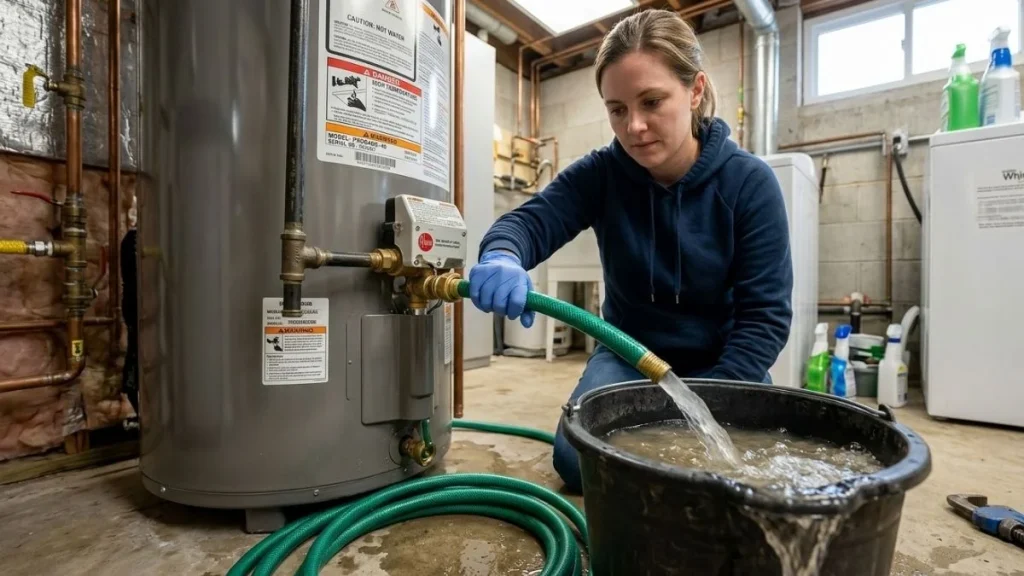
Adjust the water heater temperature to 120°F if it’s set lower. This is the quickest fix and costs nothing. If the setting is already correct but water is still lukewarm, flush the tank to remove sediment buildup — connect a garden hose to the drain valve, let it run until the water clears, then refill and restart the heater.
Insulate exposed hot water pipes running through unheated spaces like the attic or crawl space. Foam pipe insulation is inexpensive and easy to install — it reduces heat loss and helps hot water reach your upstairs shower faster.
Adjust the anti-scald valve if your shower never gets comfortably hot. Remove the shower handle, rotate the limit stop ring to allow a higher temperature, and reinstall. The whole process takes about 15 minutes.
Fixes That Require a Plumber
Mixing valve replacement is best handled professionally to avoid damaging surrounding tile or plumbing connections. Corroded galvanized pipes need repiping with copper or PEX tubing for a permanent fix. If long pipe runs are the issue, a plumber can install a recirculation pump to keep hot water moving continuously through your pipes. A failing PRV can be recalibrated or replaced to restore adequate pressure to upper-floor fixtures.
When to Replace Your Water Heater
Consider a full replacement if your unit is over 10–15 years old, repairs are becoming frequent, or your household demand has outgrown the tank’s capacity. A tankless water heater is worth considering for two-story homes — it heats water on demand and never runs out, making it a reliable long-term solution.
| Fix | DIY or Professional |
| Adjust water heater temperature | DIY |
| Flush water heater tank | DIY |
| Insulate hot water pipes | DIY |
| Adjust anti-scald valve | DIY |
| Replace mixing valve | Professional |
| Repipe corroded pipes | Professional |
| Install recirculation pump | Professional |
| Replace or adjust PRV | Professional |
How Much Does It Cost to Fix No Hot Water Upstairs?
Repair costs vary depending on the cause and whether you handle it yourself or hire a plumber. Here’s a straightforward breakdown of what to expect:
Cost Breakdown by Fix Type
| Fix | DIY Cost | Professional Cost |
| Water heater flush | Free | $80–$200 |
| Pipe insulation | $20–$50 | $100–$300 |
| Anti-scald valve adjustment | Free | $75–$150 |
| Mixing valve replacement | $50–$100 | $150–$500 |
| PRV adjustment or replacement | Not recommended | $200–$500 |
| Recirculation pump installation | $200–$500 | $300–$800 |
| Water heater replacement | Not recommended | $800–$2,000+ |
| Full repiping | Not recommended | $2,000–$8,000 |
DIY vs. Professional — What’s Worth Doing Yourself?
Simple fixes like adjusting the thermostat, flushing the tank, insulating pipes, and resetting the anti-scald valve are well within reach for most homeowners. These tasks require no special skills and can save you $100–$300 in labor costs.
Anything involving valve replacement, pipe repair, or pressure system adjustments is best left to a licensed plumber. A small mistake in these areas can lead to water damage or bigger plumbing problems — costing far more than the original repair.
When to Get Multiple Quotes
If the fix requires professional work, always get at least two or three quotes before committing. Labor rates vary significantly by region, and some plumbers charge flat fees while others bill by the hour. For larger jobs like repiping or water heater replacement, a second opinion can save you hundreds of dollars.
How to Prevent This Problem From Happening Again
Preventing hot water problems upstairs comes down to simple, consistent maintenance. Flush your water heater once a year to clear sediment buildup and check the anode rod every 3–5 years — this alone keeps your unit running efficiently and extends its lifespan significantly.
Before winter, wrap exposed hot water pipes in unheated spaces like the attic or crawl space with foam insulation. It reduces heat loss year-round and protects against freezing when temperatures drop. Also check your home’s water pressure once or twice a year using an inexpensive gauge. Keeping it within the 40–80 PSI range ensures hot water reaches upper-floor fixtures without issue.
If your upstairs shower consistently takes too long to heat up, consider installing a recirculation pump. It’s a smart long-term investment that eliminates wait time and reduces water waste. Finally, keep track of the age of key components — mixing valves, PRVs, and water heaters all have a limited lifespan. Replacing them proactively before they fail saves you from unexpected breakdowns and costly emergency repairs.
Conclusion
No hot water in your upstairs shower almost always has a fixable cause — whether it’s your water heater, a faulty mixing valve, poor pipe insulation, or low water pressure. Start with the diagnostic steps, try the simple DIY fixes first, and call a licensed plumber for anything beyond basic repairs.
With the right fix and a little routine maintenance, your upstairs shower will stay consistently hot all year round.