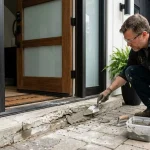


When strong winds and heavy storms hit, your hurricane shutters are your first line of defense. But what happens if the anchors holding them in place get damaged or loose?
Your home’s safety could be at risk. If you’ve noticed wobbling shutters or anchors that don’t feel secure, it’s time to act fast. You’ll discover simple and effective ways to repair your hurricane shutter anchors. By the end, you’ll know exactly how to protect your home and keep your family safe when the next storm arrives.
Causes Of Anchor Damage
Hurricane shutter anchors secure shutters firmly to protect homes from strong winds and debris. Over time, these anchors can suffer damage, reducing their effectiveness. Various factors like weather, installation mistakes, and material aging contribute to anchor failure. Identifying these causes ensures timely repair and safety during storms.
Weather Impact
Weather plays a major role in damaging hurricane shutter anchors. Strong winds, heavy rain, and salt air can weaken the anchors over time. Here are key weather factors that cause damage:
- High Winds: Constant pressure and shaking loosen anchors from walls.
- Heavy Rain: Water seeps into anchor points, causing rust and corrosion.
- Salt Air: Coastal homes face faster metal decay due to salty moisture.
These weather conditions cause metal anchors to rust and wooden structures to rot. Rust reduces the anchor’s strength and can make it brittle. Water damage expands cracks in walls and holes where anchors sit, lowering their grip.
| Weather Factor | Effect on Anchors | Result |
| Wind | Repeated force and vibration | Loosened or bent anchors |
| Rain | Water penetration and moisture | Rust and wall damage |
| Salt Air | Corrosive moisture | Accelerated metal decay |
Regular inspection after storms can catch weather-related damage early. Repairing rust and sealing gaps prevents further wear.
Installation Errors
Improper installation is a common cause of anchor damage. Poorly placed or wrong-sized anchors fail under hurricane pressure. Some typical installation mistakes include:
- Using anchors too small for the shutter size
- Incorrect drill depth or angle
- Anchors placed in weak wall spots
- Failing to use corrosion-resistant materials
These errors reduce the holding power of anchors, making them easy to pull out. For example, anchors installed in drywall instead of solid studs do not hold well.
Proper installation steps improve anchor durability:
- Measure and select correct anchor size
- Drill holes to the right depth and straight angle
- Attach anchors to strong, stable wall areas
- Use stainless steel or coated anchors for corrosion resistance
Incorrect installation may cause visible damage like cracked walls or loose shutters. Checking anchor placement and tightening screws regularly helps avoid problems.
Material Wear
Material wear happens naturally as hurricane shutter anchors age. Constant exposure to elements and stress causes metal fatigue and corrosion. Wooden parts can crack or rot. Signs of material wear include:
- Rust patches or flaking metal
- Cracks or splits in wood around anchors
- Loose or wobbly anchor fittings
- Discoloration or peeling paint on anchors
Metal anchors made from low-quality steel wear faster. Using high-grade materials slows down this process. Protective coatings on anchors prevent rust and extend life.
Periodic maintenance reduces wear effects:
- Clean anchors to remove dirt and moisture
- Apply rust inhibitors or paint coatings
- Replace damaged anchors promptly
Ignoring material wear leads to anchor failure during storms. Regular upkeep keeps hurricane shutters reliable and secure.
Types Of Hurricane Shutter Anchors

Hurricane shutter anchors are critical for securing shutters to a building during strong winds. Choosing the right type of anchor improves shutter performance and protects your home. Different anchors suit various wall types and shutter materials.
Surface Mount Anchors
Surface mount anchors attach directly to the outside wall surface. They are easy to install and ideal for wood or concrete walls. These anchors hold the shutter firmly against the wall, preventing wind from lifting it.
Key features of surface mount anchors:
- Simple to install with screws or bolts
- Works well with most shutter types
- Requires solid wall material for best hold
- Visible on the exterior, which may affect appearance
Common materials for surface mount anchors include galvanized steel and stainless steel. These resist rust and corrosion. This makes them durable in coastal areas.
| Anchor Type | Best For | Installation | Durability |
| Surface Mount | Wood, Concrete Walls | Screws or Bolts | High with rust-resistant materials |
Surface mount anchors provide strong, straightforward support. They are a popular choice for many homeowners.
Through-bolt Anchors
Through-bolt anchors pass completely through the wall or shutter frame. A nut secures the bolt on the opposite side. This creates a very strong hold that resists high wind forces.
Benefits of through-bolt anchors include:
- Extremely secure fastening
- Works well on thick walls or frames
- Reduces risk of anchor pull-out
- Requires access to both sides of the wall
This anchor type suits masonry, concrete, and brick walls. Through-bolt anchors also handle heavy shutters efficiently.
Considerations for through-bolt anchors:
- Installation needs drilling through the wall
- May require professional tools
- Visible bolt heads and nuts on both sides
Because of their strength, through-bolt anchors are preferred in hurricane-prone zones. They add an extra layer of safety for your home.
Toggle Anchors
Toggle anchors are designed for hollow walls or drywall. They expand inside the wall cavity to create a secure grip. This makes them useful where solid backing is unavailable.
Main advantages of toggle anchors:
- Strong hold in hollow walls
- Easy to install without wall damage
- Suitable for lighter shutters
- Not ideal for heavy loads or thick walls
Toggle anchors consist of a bolt and a spring-loaded wing. When inserted, the wing opens behind the wall. This spreads the load across a wider area.
Use toggle anchors only on walls that cannot support surface or through-bolt anchors. They provide a practical solution for certain repair situations.
| Anchor Type | Best For | Installation | Load Capacity |
| Toggle Anchors | Hollow Walls, Drywall | Insert and Expand | Moderate |
Toggle anchors improve shutter safety in less solid wall structures. They offer a practical fix for specific anchor repair needs.
Step-by-step Repair Process

Hurricane shutter anchor repair requires careful steps to ensure your shutters stay secure during storms. The step-by-step repair process helps restore strength and safety. Follow each stage closely for the best results.
Removing Damaged Anchors
Start by inspecting the existing anchors for rust, cracks, or looseness. Damaged anchors can fail during strong winds, so remove them carefully. Use the right tools to avoid harming the surrounding area.
- Gather tools: drill, screwdriver, pliers, safety goggles.
- Remove screws or bolts: unscrew the fasteners holding the anchor.
- Extract anchors: pull out anchors embedded in the wall using pliers or a pry bar.
- Clear debris: clean the area around the anchor holes.
Take care with fragile surfaces like stucco or drywall to avoid extra damage. If anchors are stuck, drill around them gently to loosen. Damaged anchors often show signs such as:
| Sign | Description |
| Rust | Corrosion weakens metal anchors. |
| Cracks | Fractures reduce holding strength. |
| Looseness | Anchors wiggle or fall out easily. |
After removal, inspect the holes for damage before moving to the next step.
Preparing The Surface
Proper surface preparation ensures new anchors hold firmly. Start by cleaning the area to remove dust, dirt, and old anchor residue. Use a brush or vacuum for thorough cleaning.
Check the wall for cracks or weak spots. Patch any damage using appropriate filler or mortar. Let patches dry completely before continuing.
Follow these key steps:
- Clean surface: remove loose particles and old anchor material.
- Repair cracks: fill with patching compound or mortar.
- Sand smooth: gently sand patch once dry for a flat surface.
- Mark holes: measure and mark exact spots for new anchors.
Installing New Anchors
Select new anchors suitable for your wall type and shutter weight. Common types include sleeve anchors, expansion anchors, and lag shields. Match anchors to the wall material for best hold.
Follow these steps for installation:
- Drill pilot holes: use a drill bit matching the anchor size.
- Clean holes: remove dust with a brush or blower.
- Insert anchors: push or tap anchors into holes until flush.
- Secure anchors: tighten screws or bolts firmly.
- Test stability: gently pull on anchors to check hold.
Use a torque wrench if possible to avoid overtightening, which can weaken anchors. Here is a quick reference for anchor types:
| Anchor Type | Best For | Installation Tip |
| Sleeve Anchor | Concrete, brick | Expand by tightening nut |
| Expansion Anchor | Concrete, block | Expands inside hole when screw inserted |
| Lag Shield | Hollow walls | Use with lag screw for strong hold |
Complete the installation by attaching hurricane shutters to anchors. Check all fasteners for tightness. Properly installed anchors improve shutter safety and help protect your home.
Tips For Long-lasting Repairs

Hurricane shutter anchor repair ensures your shutters stay secure during storms. Long-lasting repairs protect your home and save money on future fixes. Use the right materials, install anchors correctly, and maintain them regularly. These tips help keep your anchors strong and reliable for years.
Choosing Durable Materials
Strong materials are key for hurricane shutter anchors. Choose parts that resist rust and weather damage. Stainless steel and galvanized steel are top options. They last longer and hold up well against wind and rain. Avoid cheap metals that corrode quickly.
- Stainless steel: Resists rust, very durable
- Galvanized steel: Coated with zinc to prevent rust
- Heavy-duty plastic: Use only for non-structural parts
Use anchors and screws designed for outdoor use. Check product labels for weather resistance. Buying quality materials costs more but saves money over time.
| Material | Strength | Rust Resistance | Cost |
| Stainless Steel | High | Excellent | High |
| Galvanized Steel | Moderate | Good | Moderate |
| Plastic | Low | Good | Low |
Proper Installation Techniques
Correct installation keeps anchors strong and safe. Start by cleaning the surface to remove dirt and rust. Use a drill bit that fits the anchor size exactly. Drill holes straight and deep enough for secure placement.
- Mark anchor locations carefully for even support.
- Use a level to keep shutters aligned.
- Insert anchors fully into drilled holes.
- Tighten screws firmly but avoid over-tightening.
Follow manufacturer instructions for best results. Improper installation causes anchors to loosen or fail in storms. Use a torque wrench if possible to control screw tightness.
| Step | Tip |
| Cleaning | Remove rust and dirt for strong grip |
| Drilling | Use correct drill bit size and depth |
| Securing | Do not overtighten screws |
Regular Maintenance
Maintain anchors to extend their life and prevent damage. Inspect anchors every 6 months or after storms. Look for rust, looseness, or cracks. Tighten screws that feel loose and replace damaged parts immediately.
- Clean anchors with mild soap and water to remove dirt.
- Apply rust-resistant spray if metal shows signs of corrosion.
- Lubricate moving parts to prevent stiffness.
Keep a maintenance log to track inspections and repairs. Regular care keeps anchors strong and ready for the next storm. Neglect leads to costly repairs or shutter failure.
Read Also: Installing Shutters on Hardie Board Siding
Conclusion
Strong hurricane shutter anchors keep your home safe from storms. Repairing them quickly stops damage and saves money. Check anchors often for rust, cracks, or loose bolts. Use proper tools and follow safety steps during repair. A solid anchor holds shutters tight and protects windows well.
Don’t wait for damage to get worse. Taking small actions today helps you avoid big problems later. Keep your home ready before hurricane season starts. Safety and peace of mind come from strong, well-maintained anchors.