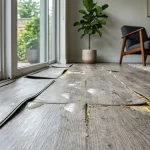


You saved up, picked the perfect style, and had it installed — only to notice something’s wrong just a few months later. Planks creaking. Edges lifting. Gaps opening up between boards that weren’t there before.
So why is a brand-new floor already failing?
The truth is, it almost always comes down to three things — moisture problems beneath the surface, installation shortcuts, or the wrong product for the space.
The good news is most of these issues are fixable, especially if you catch them early. In this article, we’ll cover the most common reasons new floors fail, who’s responsible, and exactly what you can do to stop the damage before it gets worse.
The Most Common Signs Your New Floor Is Already Failing
Most homeowners assume that if a floor looks fine on the surface, everything underneath must be okay too. Unfortunately, that’s not always the case. Flooring problems don’t always announce themselves with obvious cracks or missing tiles — sometimes the warning signs are subtle at first, easy to dismiss as “just the house settling” or “normal wear and tear.”
But when a floor is only a few months old, nothing should be written off as normal. Here’s what to look for.
Visible Surface Problems
If your floor is scratching, fading, or showing uneven discoloration too soon, it usually means the wear layer is too thin for your space or the wrong product was installed for your traffic level. Misaligned or shifting planks this early almost always point to a subfloor that wasn’t properly leveled before installation.
Structural Warning Signs
Buckling, warping, and gaps between boards are serious red flags — and moisture is almost always the cause. If certain areas feel soft or spongy underfoot, the subfloor beneath is likely already compromised. Cupping and crowning in hardwood floors are also moisture-related and need immediate attention before the damage spreads further.
Sound and Feel Issues
Squeaking and creaking in a new floor usually means planks weren’t properly fastened during installation. Hollow sounds under tiles indicate poor adhesion — those tiles are at risk of cracking under pressure. If your click-lock planks are shifting or clicking when you walk, the locking joints have likely failed due to expansion or inadequate underlayment support.
None of these issues are normal for a new floor. The sooner you identify them, the better your chances of fixing the problem without a full replacement.
Why Is Your New Floor Failing? The Real Causes

A floor doesn’t fail on its own. There’s always a reason behind it — and in most cases, the problem started before the first plank was ever laid down. Here are the most common causes.
Poor Installation Practices
Bad installation is the number one cause of early floor failure. Skipping the acclimation process is one of the biggest mistakes installers make. Most flooring materials — especially hardwood, laminate, and engineered wood — need 48 to 72 hours to adjust to the room’s temperature and humidity before installation. Skip that step, and the material will expand or contract after it’s laid down, causing buckling, gaps, and warping.
Improper subfloor preparation is equally damaging. If the subfloor isn’t clean, level, and dry before installation begins, no amount of quality flooring on top will save it.
Subfloor Moisture and Water Damage
Moisture is the single biggest enemy of any floor. If there’s undetected moisture in the subfloor — especially on concrete slabs — it will work its way up and destroy the flooring above it over time. Before any installation, moisture levels should be tested. Anything above 3–4% in a wood subfloor is a serious concern that needs to be resolved first.
Wrong Flooring Material for the Space
Not every flooring type works in every room. Solid hardwood in a bathroom or basement is a recipe for failure. Flooring rated for light traffic installed in a busy kitchen will wear out fast. Always match the flooring material to the specific demands of the space it’s going into.
Low-Quality Flooring Products
Budget flooring often comes with a very thin wear layer that breaks down quickly under normal use. Low-quality laminate swells at the first sign of moisture. If the product wasn’t built to last, no installation technique will change that outcome.
Temperature and Humidity Fluctuations
Natural flooring materials expand in humidity and contract in dry conditions. Homes without consistent climate control — especially during seasonal changes — put enormous stress on floors. Keeping indoor humidity between 35–55% year-round is one of the simplest ways to protect your investment.
Heavy Loads and Improper Furniture Use
Dragging furniture without felt pads, leaving heavy appliances in one spot for too long, or allowing pets with untrimmed nails to run freely across the floor — all of these cause premature wear and damage. Small habits make a big difference in how long a floor lasts.
Who Is Responsible — You, the Installer, or the Manufacturer?

When a new floor starts failing, the first question most homeowners ask is — whose fault is this? The answer isn’t always straightforward, but it usually falls into one of three categories.
When It’s the Installer’s Fault
If the floor was improperly prepared, rushed, or installed without following the manufacturer’s guidelines, the installer is responsible. Signs of poor workmanship include uneven surfaces, improper spacing, skipped acclimation, and adhesion failures. If you have a written contract that includes a workmanship warranty, you have grounds to call them back and demand a fix at no extra cost.
When It’s a Product Defect
Sometimes the problem isn’t the installation — it’s the product itself. Delamination, warping straight out of the box, or surface defects that appear within normal use are typically covered under the manufacturer’s warranty. Most flooring warranties range from 1 to 5 years for defects. Document everything with photos and dates, and file your claim as early as possible.
When Homeowner Habits Are the Problem
Not every floor failure is someone else’s fault. Wet mopping regularly, leaving spills to sit, using harsh chemical cleaners, or ignoring humidity control in your home can all void a warranty and accelerate damage. If the root cause points back to daily habits, the responsibility — and the repair cost — falls on the homeowner.
The key takeaway here is simple — before spending money on repairs, figure out exactly where the fault lies. Check your warranty, review your installer’s contract, and document the damage thoroughly. It could save you a significant amount of money.
How to Fix a Failing Floor Before the Damage Spreads

Catching a floor problem early gives you options. The longer you wait, the more the damage spreads — and the more expensive the fix becomes. Here’s how to approach repairs based on how severe the situation is.
Quick Fixes for Minor Issues
For small surface scratches and dents, a floor repair kit matched to your flooring type can do a surprisingly good job. Lifted tile edges can often be re-glued with the right adhesive. Squeaky boards can sometimes be fixed by driving a screw through the subfloor from below or applying a lubricant between the planks. These are simple fixes that take minimal time and cost very little.
Mid-Level Repairs
If individual planks or tiles are warped, cracked, or hollow-sounding, they can usually be replaced without redoing the entire floor. However, before replacing anything, always address the root cause first — especially if moisture is involved. Replacing a damaged plank over a wet subfloor is a temporary fix that will fail again quickly.
For click-lock flooring that has shifted or come apart, sections can often be disassembled and re-laid without replacing the material entirely, as long as the planks themselves aren’t damaged.
When You Need a Full Replacement
Sometimes repairs aren’t enough. If the damage covers more than 30–40% of the floor, or if there’s widespread mold, subfloor rot, or structural failure beneath the surface, a full replacement is the only real solution.
Before you go that route, take these steps:
- Identify and fix the root cause first — moisture, subfloor issues, or humidity problems must be resolved before new flooring goes down
- Get a second opinion from a certified flooring inspector before committing to replacement costs
- Review your warranty — depending on the cause, repairs or replacement may be covered at no cost to you
Rushing into a repair without understanding the cause is one of the most common — and costly — mistakes homeowners make. Fix the source first, then fix the floor.
How to Prevent Your Next Floor From Failing

The best floor repair is the one you never have to make. Most flooring failures are completely preventable — if the right steps are taken from the very beginning. Here’s what to do differently next time.
Hire a Qualified, Experienced Installer
Never choose an installer based on price alone. Ask for references, check reviews, and confirm they have experience with your specific flooring type. Make sure they follow the manufacturer’s installation guidelines — and get everything in writing, including a workmanship warranty. A good installer stands behind their work.
Choose the Right Flooring for the Right Room
This is one of the most overlooked steps in the entire process. Waterproof vinyl or tile works best in bathrooms, kitchens, and basements. Engineered hardwood handles moisture better than solid hardwood in humidity-prone areas. Always check the traffic rating of any product before purchasing — and match it honestly to how the room is actually used daily.
Prepare the Subfloor Properly
No flooring material can perform well over a subfloor that isn’t clean, level, and completely dry. Always test for moisture before installation — especially on concrete slabs. Use the right underlayment for your flooring type to provide proper support, sound absorption, and moisture protection.
Maintain the Right Indoor Environment
Keep indoor humidity between 35–55% year-round. Use a humidifier during dry winter months and a dehumidifier during humid summers. Avoiding dramatic temperature swings inside your home goes a long way in protecting natural wood and wood-based flooring from expanding and contracting excessively.
Adopt Good Daily Floor Care Habits
Small habits protect your floor more than most people realize. Always use felt pads under furniture legs. Clean up spills immediately — never let liquids sit on the surface. Use only manufacturer-approved cleaning products, and place entry mats at all doorways to reduce the dirt, grit, and moisture tracked in from outside.
Prevention always costs less than repair. Taking these steps seriously before and after installation is the simplest way to make sure your floor lasts for decades — not just months.
Conclusion
A new floor failing within months is frustrating — but it’s rarely a mystery. In most cases, it comes down to moisture problems, installation shortcuts, or the wrong material for the space. The good news is that most of these issues are preventable, and many are fixable if you catch them early enough.
Before spending money on repairs, identify the root cause first. Check your warranty, document the damage, and don’t hesitate to bring in a professional for a second opinion. Acting quickly is always cheaper than waiting until the damage spreads.
If you’re planning a new floor installation, take the preparation seriously. Choose the right material for the room, hire a qualified installer, and maintain consistent humidity levels in your home. Those simple steps are the difference between a floor that lasts decades and one that fails within a year.