

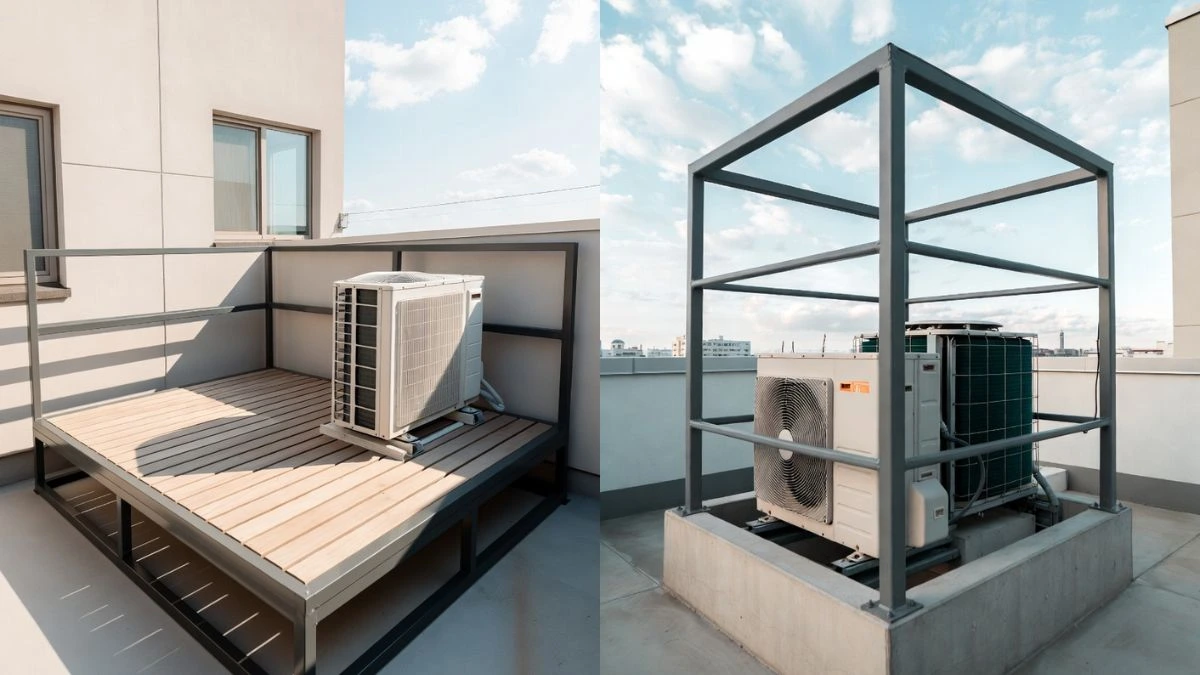
Are you tired of struggling with your air conditioner installation? Building a sturdy, reliable platform can make all the difference in keeping your unit stable and working efficiently.
Whether you want to protect your AC from damage or improve its performance, creating the right base is easier than you think. You’ll discover simple, step-by-step instructions to build an air conditioner platform that fits your needs perfectly. Keep reading to learn how you can save time, avoid costly repairs, and ensure your AC runs smoothly for years to come.
Choosing The Location
Choosing the location for your air conditioner platform is a vital step in building a stable and efficient setup. The right spot ensures the unit works well and lasts longer. Pick a location that supports easy installation, proper airflow, and simple maintenance. This helps the air conditioner cool effectively and avoid damage over time.
Assessing Space Requirements
Start by measuring the size of your air conditioner. The platform must be large enough to hold the unit without crowding. Leave extra space around the unit for airflow and access during maintenance. A tight fit can cause overheating and reduce efficiency.
Check the area for flatness and strength. The surface should be level to keep the unit stable. It must support the weight of the air conditioner plus the platform itself.
- Measure the unit’s width, depth, and height.
- Allow at least 6-12 inches of clearance on all sides.
- Ensure the platform is sturdy and level.
- Consider nearby obstacles like walls, fences, or plants.
Choosing a location with enough space and a strong base prevents problems later. It keeps the air conditioner safe and helps it run smoothly.
Considering Ventilation Needs
Ventilation is key for an air conditioner to function well. The platform location must allow free airflow around the unit. Good ventilation prevents overheating and boosts cooling power.
Avoid placing the unit in tight corners or behind objects that block air. Walls, trees, or large furniture can limit airflow and cause the unit to work harder.
- Place the platform in an open area.
- Keep at least 2 feet of clear space above the unit.
- Ensure no objects block the sides or back of the unit.
- Check local building codes for ventilation rules.
Good ventilation helps the air conditioner cool your space efficiently. It also protects the unit from damage caused by heat buildup. Pick a location that offers plenty of fresh air and keeps the unit running well for years.
Selecting Materials
Choosing the right materials is essential for building a strong and safe air conditioner platform. The materials must support the unit’s weight and resist weather damage.
Durable Wood Options
Wood is a popular choice for air conditioner platforms because it is easy to work with and widely available. Selecting the right type of wood ensures the platform stays sturdy and resists rot or pests. Pressure-treated lumber is one of the best options. It is treated to withstand moisture and insects. Cedar and redwood are natural woods that resist decay but cost more.
Here are some key wood types for platforms:
- Pressure-treated Pine: Affordable, strong, and moisture-resistant.
- Cedar: Naturally resistant to rot and insects, looks good outdoors.
- Redwood: Durable and decay-resistant, but expensive.
Use exterior-grade screws and waterproof wood sealant to extend the platform’s life. Make sure to measure the AC unit before buying wood to cut the pieces accurately. A well-built wooden platform can last many years with proper care.
| Wood Type | Durability | Cost | Resistance |
| Pressure-treated Pine | High | Low | Moisture, Insects |
| Cedar | Medium-High | Medium | Rot, Insects |
| Redwood | High | High | Rot, Decay |
Metal And Plastic Alternatives
Metal and plastic materials offer strong and weather-resistant alternatives to wood. Metals like aluminum and steel provide excellent support and resist rust if coated properly. Plastic platforms are lightweight, easy to install, and do not rot or corrode. Both materials need less maintenance than wood.
Consider these benefits:
- Aluminum: Lightweight, rust-resistant, and strong.
- Galvanized Steel: Very sturdy and coated to prevent rust.
- Recycled Plastic: Durable, weatherproof, and eco-friendly.
Plastic platforms often come pre-made with built-in drainage and anti-slip surfaces. Metal platforms require tools for cutting and welding but last longer under heavy loads. Choose metal or plastic if you want a low-maintenance platform that handles outdoor conditions well.
Building The Frame

The frame supports the air conditioner’s weight and keeps it safe. A well-built frame ensures the unit stays level and prevents damage from vibrations or weather. This part of the project requires careful measuring, cutting, and joining of materials to form a solid base. Using the right tools and materials will make the frame last longer and hold the air conditioner securely.
Cutting And Assembling
Start by measuring the air conditioner’s base and the space where the platform will sit. Use these measurements to mark your wood or metal pieces. Cutting the frame parts accurately is important. Use a saw designed for the material you choose—wood or metal—to make clean, straight cuts.
- Cut the side pieces first, matching the length of the air conditioner’s base.
- Cut the front and back pieces to fit between the side pieces exactly.
- Include cross supports to add strength. These go between the front and back pieces.
After cutting, assemble the pieces using screws or bolts. Avoid nails; screws hold better over time. Use clamps to hold pieces in place while fastening. Check that corners form right angles with a carpenter’s square. Assemble the frame on a flat surface to keep it even.
| Material | Recommended Tool | Fastening Method |
| Wood (2×4 lumber) | Hand saw or power miter saw | Wood screws, wood glue (optional) |
| Metal (steel tubing) | Metal cutting saw or angle grinder | Bolts, welding (if skilled) |
Take your time during assembly to align all parts carefully. A well-assembled frame reduces problems later.
Ensuring Structural Integrity
Structural integrity means the frame can hold weight and resist forces without breaking or bending. To ensure this, use strong materials and proper assembly techniques. Check each joint for tightness and support. Cross braces or diagonal supports help the frame handle side pressure and wind.
Use these tips to improve frame strength:
- Use quality screws or bolts: Avoid cheap fasteners that can loosen or break.
- Add corner brackets: Metal brackets at corners increase stability.
- Include diagonal bracing: Adds resistance to twisting forces.
- Check for levelness: A frame that is not level can cause stress on the air conditioner.
Test the frame by gently pressing down in the middle and on corners. It should not bend or wobble. Reinforce weak spots with extra supports. Keep the frame off the ground using small feet or pads to avoid water damage and rot.
| Check Point | Action | Result |
| Joint Tightness | Tighten screws/bolts | Prevents wobbling |
| Corner Strength | Install metal brackets | Improves frame stability |
| Level Frame | Use a level tool | Even weight distribution |
| Protection from Moisture | Raise frame on feet | Prevents wood rot |
Strong structural integrity means the frame will last longer and keep the air conditioner safe. Taking time to reinforce the frame pays off with a reliable platform.
Adding Support Features

Building a strong platform for your air conditioner is essential for safety and durability. Adding support features improves stability and prevents damage from weight or movement. These features help the platform hold the air conditioner firmly in place. Without proper support, the platform may weaken or collapse over time.
Reinforcing Corners
The corners of the air conditioner platform are the most vulnerable points. Reinforcing them increases the platform’s strength and stops it from bending or breaking. Use sturdy materials like metal brackets or extra wooden blocks at each corner.
Steps to reinforce corners:
- Cut corner blocks from solid wood or metal plates.
- Attach the blocks firmly using screws or bolts.
- Check that the corners are square and aligned.
- Use corner braces inside and outside for extra support.
Installing Braces
Braces add extra strength to the platform by supporting the frame against bending. They connect different parts of the platform to hold it firm under the air conditioner’s weight.
Types of braces commonly used:
- Diagonal braces: Run from one corner to the opposite side, creating a triangle shape.
- Horizontal braces: Placed between legs or frame parts to add side-to-side support.
Steps to install braces:
- Measure the distance between frame parts where braces will go.
- Cut braces to fit snugly without gaps.
- Attach braces using screws or nails at both ends.
- Check the frame for stability after installing braces.
Use strong materials like 2×4 wood or metal strips for braces. Properly installed braces reduce shaking and protect the platform from stress.
Braces improve the platform’s rigidity and help it hold the air conditioner safely for years.
Recommended: Installing Window Air Conditioner in Aluminum Window Frame
Conclusion
Building an air conditioner platform takes careful planning and effort. Start with a strong, level base for safety and stability. Use the right materials to protect your unit from damage. Measure twice, cut once to avoid mistakes. Keep tools and instructions close while working.
A solid platform helps your air conditioner run better and last longer. Take your time and follow each step carefully. This simple project can improve your home’s cooling system. A good platform means less noise and better airflow. You can do this with patience and focus.