
Choosing the right hardwood floor can change the whole look and feel of your home. But when it comes to hand scraped vs smooth hardwood floors, which one is really best for you?
You might be wondering which style fits your lifestyle, your taste, and your budget. This article will help you see the key differences clearly, so you can make a confident choice. Keep reading to discover what each floor type offers and which one will make your space truly shine.
Hand Scraped Hardwood Floors

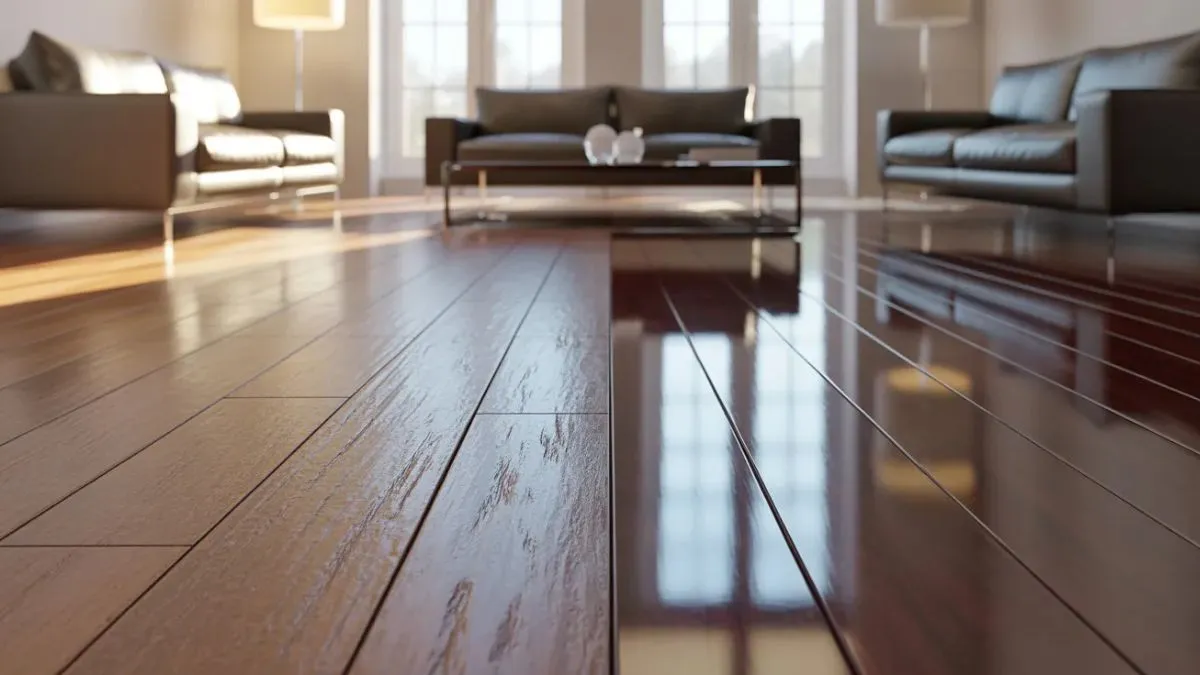
Hardwood floors add warmth and style to any home. Among the popular choices are hand scraped hardwood floors and smooth hardwood floors. Hand scraped floors have a unique look created by artisans who add texture by scraping the wood’s surface.
This style offers a rustic, worn-in feel that many homeowners love. It brings character and charm, making each plank different from the next. Below, we explore the qualities of hand scraped hardwood floors to help you understand their appeal and whether they suit your space.
Texture And Appearance
Hand scraped hardwood floors have a distinct texture that sets them apart from smooth floors. The surface is uneven with carved grooves and ridges. This creates a natural, aged look that feels warm and inviting. The scraping reveals the wood’s grain, knots, and natural flaws, making each board unique.
- Rustic charm: The uneven surface adds a cozy, lived-in feel.
- Visual depth: Shadows from the grooves enhance the wood’s color and pattern.
- Unique character: No two planks look the same due to hand scraping.
The texture also helps hide scratches and dents better than smooth floors. This makes hand scraped floors ideal for busy homes with pets or children. The look fits well with farmhouse, vintage, or traditional decor styles. It adds personality and warmth to spaces that need a soft, natural touch.
Craftsmanship And Process
Hand scraped hardwood floors require skilled craftsmanship. The process begins with selecting quality hardwood planks. Then, artisans use special tools to scrape the surface by hand, creating grooves and texture. This work is done carefully to maintain the wood’s strength while enhancing its beauty.
- Wood selection: Hardwoods like oak, hickory, or maple are chosen for durability.
- Hand scraping: Tools carve irregular marks to mimic natural wear.
- Finishing: Floors are sanded lightly and sealed with stains or oils.
This manual method contrasts with machine-sanded smooth floors. The hand scraping adds more character but takes more time. Skilled workers must balance the scraping depth to avoid damaging the wood. The result is a floor with a handcrafted look that machines cannot duplicate.
Durability And Maintenance
Hand scraped hardwood floors are durable and can last for decades with proper care. The textured surface helps hide dents and scratches, reducing visible wear over time. This makes them suitable for areas with high foot traffic.
- Scratch resistance: Texture camouflages minor damage.
- Cleaning: Regular sweeping and damp mopping keep floors clean.
- Refinishing: Floors can be lightly sanded and resealed to restore appearance.
Maintenance is similar to smooth hardwood but requires attention to the grooves where dirt can collect. Avoid harsh chemicals or soaking the floor. Use wood-friendly cleaners and dry mops to keep the surface in good condition.
Well-maintained hand scraped floors remain beautiful and functional for many years. Their unique texture adds resilience and charm that improves with age.
Cost Considerations
Hand scraped hardwood floors usually cost more than smooth floors. The extra price comes from the labor-intensive process and skilled craftsmanship. Here is a cost comparison:
| Floor Type | Average Cost per Sq Ft | Installation Complexity |
| Hand Scraped Hardwood | $8 – $15 | High (due to detailed work) |
| Smooth Hardwood | $5 – $12 | Moderate |
Other costs include finishing and sealing, which may be more intensive for hand scraped floors. The investment suits homeowners who want a unique, long-lasting floor with character.
Best Settings For Use
Hand scraped hardwood floors work well in many spaces. Their rustic look fits cozy and traditional interiors. Best settings include:
- Living rooms: Adds warmth and a welcoming feel.
- Dining areas: Creates a charming, timeless atmosphere.
- Bedrooms: Offers a soft, natural texture underfoot.
- Entryways and halls: Hides wear from heavy foot traffic.
They may not suit ultra-modern or minimalist styles that favor clean lines. Also, hand scraped floors work best in dry indoor environments to avoid moisture damage. With the right design, these floors bring a classic and inviting touch to your home.
Smooth Hardwood Floors
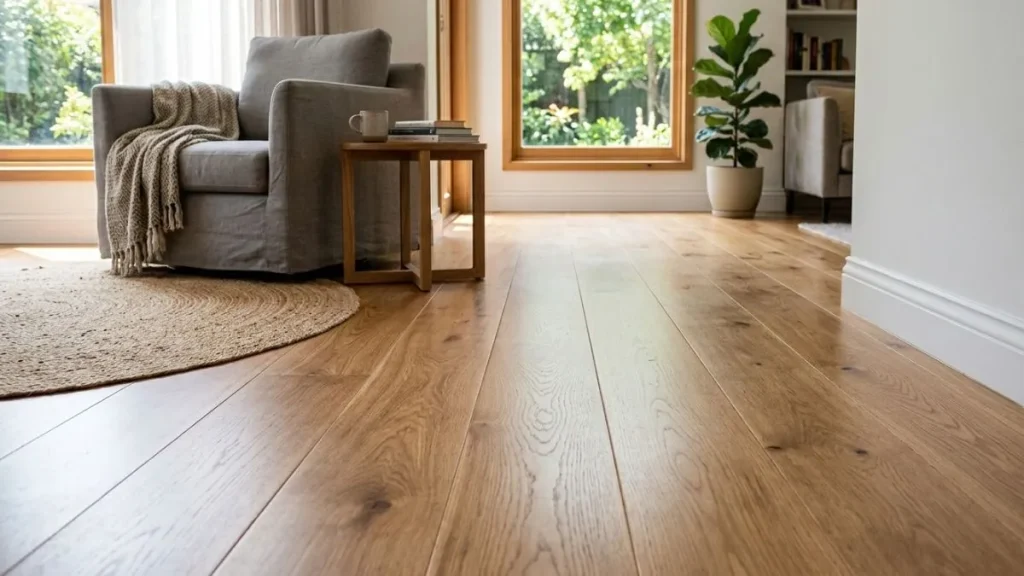
Smooth hardwood floors offer a sleek, refined appearance that fits well in many homes. Unlike hand scraped floors, smooth hardwood provides a flat, even surface that highlights the wood’s natural grain and color. These floors create a modern and clean atmosphere, appealing to those who prefer a minimalist or classic style. Smooth hardwood floors also work well with various furniture and decor styles, making them versatile for different interior designs.
Clean And Polished Look
Smooth hardwood floors have a clear, even finish that reflects light beautifully. This polished look makes rooms appear larger and brighter. The surface is uniform, without the textured grooves or indentations found in hand scraped floors. This smoothness gives a sophisticated and tidy feel to any space.
- Consistent color and grain: Smooth floors show the wood’s natural patterns clearly.
- Shiny surface options: Floors can have a matte, satin, or high-gloss finish depending on preference.
- Easy to clean: Dust and dirt do not get trapped in grooves, making maintenance simpler.
The sleek surface of smooth hardwood floors fits well in formal rooms, offices, and modern homes. It gives a sharp, neat look that many homeowners desire.
Manufacturing Techniques
Smooth hardwood floors are made through precise manufacturing processes that ensure a flawless surface. The wood is carefully cut, sanded, and finished to create a uniform appearance.
- Cutting: Logs are sliced into planks with smooth edges and surfaces.
- Sanding: Multiple sanding stages remove roughness and prepare the wood for finishing.
- Finishing: Several coats of sealant, stain, or polyurethane are applied for durability and shine.
Modern technology allows for exact control during production. This results in fewer imperfections and consistent quality. The smoothness comes from removing all surface irregularities before applying the finish.
| Step | Description | Purpose |
| Cutting | Logs sliced into planks | Create flat, smooth surfaces |
| Sanding | Multiple sanding passes | Remove roughness, prepare wood |
| Finishing | Apply sealants and coatings | Protect wood, enhance shine |
Longevity And Upkeep
Smooth hardwood floors last long when properly cared for. Their flat surface makes cleaning and maintenance easier than textured floors. Regular upkeep preserves their shine and prevents damage.
- Cleaning: Sweep or vacuum regularly to remove dust.
- Mopping: Use a damp mop with a wood floor cleaner.
- Protection: Place felt pads under furniture to avoid scratches.
- Refinishing: Floors can be sanded and refinished every 7-10 years.
Damage like dents or scratches can be fixed with sanding and refinishing. Smooth hardwood floors resist dirt buildup because they have no deep grooves. This makes them ideal for busy households or areas with pets and children.
Pricing Factors
Costs of smooth hardwood floors vary based on several elements. These influence the final price and help buyers choose the right product for their budget.
| Factor | Impact on Price |
| Wood Species | Hardwoods like oak or maple cost less than exotic woods. |
| Finish Type | High-gloss finishes usually cost more than matte or satin. |
| Thickness | Thicker planks are pricier but last longer. |
| Installation | Professional installation adds to cost but ensures quality. |
| Brand | Reputable brands may charge more for quality assurance. |
Choosing smooth hardwood floors requires balancing quality, appearance, and budget. Prices can range from affordable to premium based on these factors.
Ideal Environments
Smooth hardwood floors suit many indoor spaces. Their clean look and easy maintenance make them popular in different settings.
- Living Rooms: Create a welcoming and polished space.
- Bedrooms: Offer warmth and comfort.
- Offices: Provide a professional, neat appearance.
- Dining Rooms: Easy to clean after meals.
Smooth hardwood floors work best in areas with stable humidity and temperature. Avoid spaces prone to moisture, like bathrooms or basements, to prevent warping. Their smooth surface is ideal for high-traffic rooms because it resists wear and cleans easily.
Comparing Hand Scraped And Smooth Hardwood
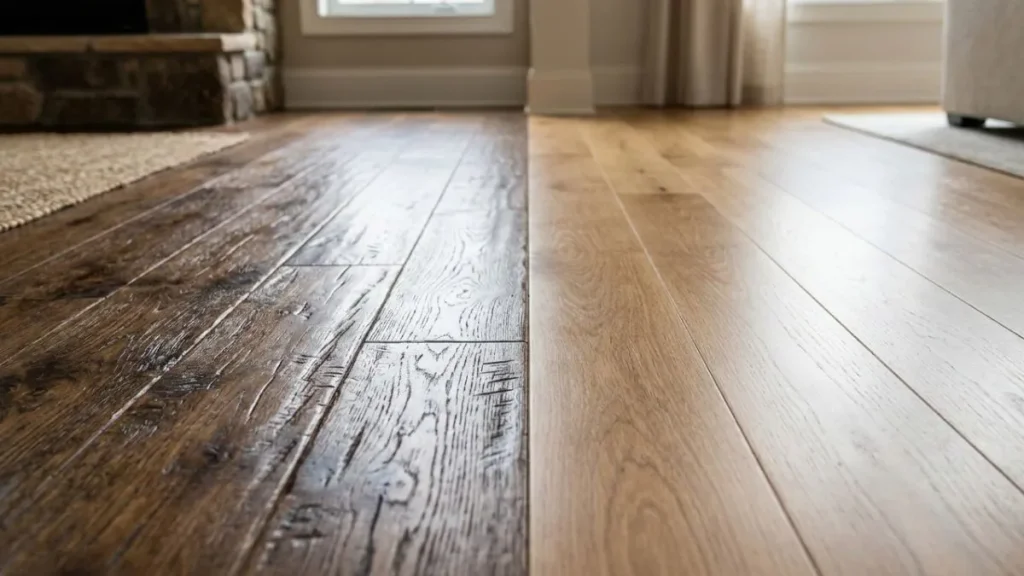
Choosing between hand scraped and smooth hardwood floors can shape a room’s entire feel. Both types have unique looks and practical qualities. Comparing hand scraped and smooth hardwood helps understand which fits your home best. This section explores how these floor styles differ in looks, installation, durability, value, and lifestyle fit.
Aesthetic Differences
Hand scraped hardwood floors show natural textures and small grooves made by hand tools. This style creates a rustic, warm, and cozy look. Each plank looks unique with its marks and slight imperfections. This adds charm and character to spaces like cottages or country-style homes.
Smooth hardwood floors have a flat, polished surface. They offer a clean, modern, and elegant appearance. The uniform finish reflects light well, making rooms feel larger and brighter. Smooth floors suit contemporary and formal designs.
| Feature | Hand Scraped Hardwood | Smooth Hardwood |
| Texture | Rough, uneven with visible tool marks | Flat and even surface |
| Look | Rustic, natural, vintage | Modern, sleek, polished |
| Color Variation | High, with natural wood character | More uniform and consistent |
Both types add beauty but fit different styles. Hand scraped floors bring warmth and history, while smooth floors offer simplicity and shine.
Installation Challenges
Installing hand scraped hardwood can be trickier. The uneven surface requires careful handling to avoid damage. Each plank may need extra fitting due to its irregular edges. Skilled installers are best for this type to ensure a perfect fit and strong bond.
Smooth hardwood installation is more straightforward. The flat planks fit together easily with less adjustment. This can reduce installation time and labor costs.
- Hand scraped: More time-consuming, needs experienced installer.
- Smooth: Faster, simpler process.
Subfloor preparation is important for both. Smooth floors need a perfectly level base, while hand scraped floors can hide minor imperfections better due to their textured look.
Choosing the right installation method affects the final look and floor durability. Knowing these challenges helps plan better for your project.
Wear And Tear Resistance
Hand scraped floors naturally hide scratches and dents well. The textured surface disguises minor damages, keeping floors looking good longer without much touch-up. This makes them ideal in homes with pets or kids.
Smooth hardwood shows scratches and marks more clearly. Its flat surface reflects light, highlighting imperfections. Regular maintenance like polishing may be needed to keep the shine.
| Aspect | Hand Scraped Hardwood | Smooth Hardwood |
| Scratch visibility | Low – hides well | High – scratches stand out |
| Maintenance | Low to moderate | Moderate to high |
| Durability | Good for heavy use | Good but shows wear sooner |
Both floors use durable hardwood species. Surface finish also affects wear resistance. Choose finishes wisely based on your lifestyle needs.
Resale Value Impact
Hand scraped floors can boost resale value by adding unique character. Buyers often see them as a sign of quality and craftsmanship. They appeal to those who want a home with personality and warmth.
Smooth hardwood floors also increase home value. They attract buyers preferring modern and clean aesthetics. The classic look fits many design tastes, making it a safe investment.
- Hand scraped floors may limit appeal to buyers seeking sleek styles.
- Smooth floors have broad market appeal due to their versatile look.
Location and buyer preferences matter. Some markets favor traditional styles, others prefer contemporary. Hardwood type can influence a home’s market speed and price.
Suitability For Different Lifestyles
Hand scraped hardwood suits active households well. Its ability to mask wear makes it great for families with children and pets. It also fits casual and rustic living styles.
Smooth hardwood works best in low-traffic areas or homes with careful use. Its elegant look enhances formal spaces and modern interiors. It suits owners who prefer a polished, neat environment.
- Families: Hand scraped for durability and hiding damage.
- Professionals: Smooth for sleek, clean design.
- Pet owners: Hand scraped hides scratches better.
- Entertainers: Smooth adds a refined touch.
Understanding lifestyle needs guides the right hardwood choice for comfort and long-term satisfaction.
Choosing Between Hand Scraped And Smooth Floors
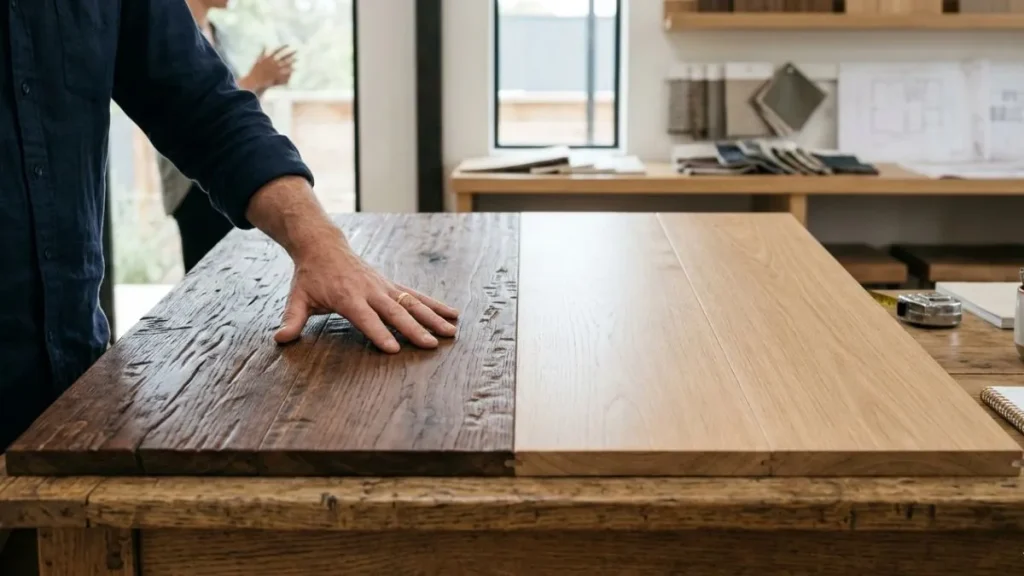
Choosing between hand scraped and smooth hardwood floors requires careful thought. Both options offer unique looks and benefits. Hand scraped floors have a textured, rustic charm. Smooth floors provide a sleek, modern appearance. Understanding your needs helps pick the right floor for your home. Consider your style, budget, upkeep, room use, and future satisfaction to make the best choice.
Personal Style Preferences
Your style is key when choosing between hand scraped and smooth hardwood floors. Hand scraped floors show natural wood marks and uneven edges. This gives a warm, cozy feel. They suit traditional, farmhouse, or rustic decor very well.
Smooth floors have a clean, polished look. They fit modern, minimalist, or classic styles. Their even surface reflects light and brightens rooms. Choose smooth floors if you want a neat and elegant look.
Think about these style points:
- Hand scraped floors add character and hide scratches better.
- Smooth floors look more formal and create a sleek space.
- Hand scraped textures add depth to casual rooms.
- Smooth floors give a uniform look, great for open layouts.
Here is a simple comparison table:
| Feature | Hand Scraped Floors | Smooth Floors |
| Texture | Textured, rustic | Even, polished |
| Style | Traditional, farmhouse | Modern, classic |
| Scratch Visibility | Hides scratches well | Shows scratches easily |
| Light Reflection | Matte, low reflection | Shiny, brightens room |
Budget And Investment
Costs vary between hand scraped and smooth hardwood floors. Hand scraped floors often cost more. The extra price comes from the labor needed to create the texture. Smooth floors usually have a lower price per square foot.
Consider these budget facts:
- Hand scraped floors: Higher labor costs, unique look.
- Smooth floors: More affordable, easier to install.
- Both types need quality wood for durability.
- Finishing and sealing costs are similar for both.
Maintenance Commitment
Both floor types need care but differ in upkeep. Hand scraped floors hide dirt and small scratches better. They need less frequent cleaning to look good. Dust and debris settle in grooves, so regular sweeping or vacuuming is important.
Smooth floors show dust and scratches more clearly. They look clean with quick wiping. Spills should be wiped fast to avoid damage. Smooth floors can need more frequent polishing or refinishing to keep shine.
Maintenance tips for each type:
- Hand scraped floors: Sweep often, mop with damp cloth, avoid harsh chemicals.
- Smooth floors: Dust daily, clean spills immediately, polish yearly.
Cleaning tools:
- Soft broom or vacuum with hardwood setting
- Microfiber mop
- pH-neutral wood cleaner
Choose based on how much time you want to spend on floor care.
Room Functionality
Think about how you use the room. Hand scraped floors work well in busy spaces. Their texture hides wear from heavy foot traffic. They add warmth to living rooms, kitchens, and hallways.
Smooth floors suit formal rooms, bedrooms, or offices. Their flat surface is easy to clean and move furniture on. Smooth floors can make a room feel larger and brighter.
Match floor type to room use:
- Hand scraped: Great for high-traffic, casual areas.
- Smooth: Best for low-traffic, formal spaces.
Consider pets and children. Hand scraped floors are more forgiving of scratches from claws or toys.
Long-term Satisfaction
Think about how happy you will be with your floor years later. Hand scraped floors age well. Their marks and texture give a timeless look. Small dents or scratches blend in and add to character.
Smooth floors need careful upkeep to stay perfect. They can look worn if scratched or dull. Refinishing smooth floors every few years keeps them fresh. Choose smooth floors if you like a polished look and can maintain it.
Factors affecting long-term satisfaction:
- Durability: Hand scraped hides damage better.
- Appearance: Smooth floors need more care.
- Comfort: Both feel warm but smooth feels softer.
- Resale value: Both add value; style preference matters.
Ask yourself:
- Do I want a floor that shows age naturally?
- Can I commit to regular maintenance?
- Which look will I enjoy for years?
Read Also: Hardwood Floor Transition from Room to Hallway
Conclusion
Choosing between hand scraped and smooth hardwood floors depends on your style and needs. Hand scraped floors offer a rustic, textured look. Smooth floors create a clean, modern feel. Both types are durable and add value to your home. Think about your room’s use and your personal taste.
Either way, hardwood floors bring warmth and beauty to any space. Choose what fits your lifestyle best.