
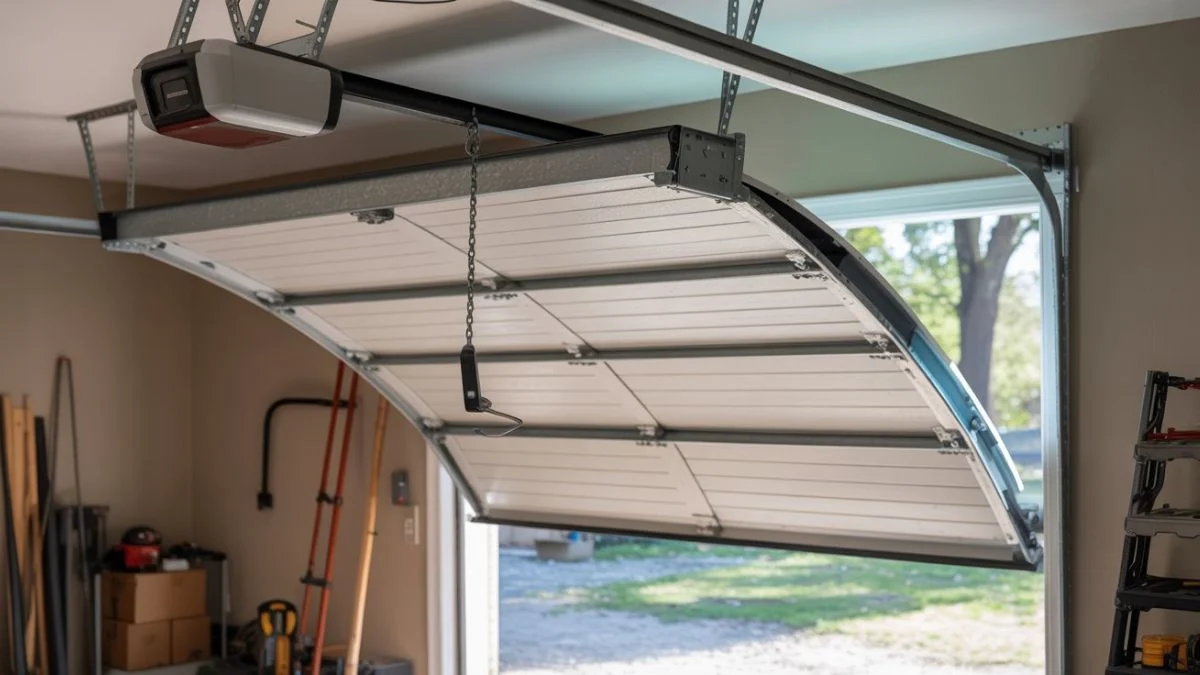
Is your garage door not attached to the chain? This might sound like a small problem, but it can cause big headaches.
When your garage door’s chain is loose or disconnected, your door won’t open or close properly. You might feel stuck, wondering what to do next or how to fix it safely. Don’t worry—this article will guide you step-by-step through the simple checks and solutions you need.
Common Causes
Garage doors rely on a chain drive to open and close smoothly. When the garage door is not attached to the chain, it cannot operate properly. This issue can stem from several common causes that affect the chain’s connection and function.
Worn Or Broken Chain
A worn or broken chain is a frequent reason for the garage door detaching from the chain drive system. Chains endure constant stress as they move the heavy door. Over time, this stress causes wear and tear, weakening the chain links.
Signs of a worn or broken chain include:
- Visible rust or corrosion on the chain
- Stretched or elongated chain links
- Missing or cracked links
- Unusual noises during operation
Loose Chain Tension
Loose chain tension reduces the chain’s grip on the sprockets. This condition lets the chain slip or come off during door movement. Chains that are too loose can cause jerky or uneven door operation.
Causes of loose tension include:
- Natural stretching of the chain over time
- Improper installation or adjustment
- Worn tensioning components
Misaligned Components
Garage door chains work with various parts like sprockets, tracks, and tensioners. Misaligned components cause the chain to slip or jump off. This misalignment may result from poor installation, wear, or accidental impact.
Common misalignment issues include:
- Sprockets not lined up with the chain path
- Tracks bent or loose
- Tensioners installed at wrong angles
Damaged Sprocket Or Gear
Damaged sprockets or gears impair the chain’s movement and cause it to detach. Sprockets have teeth that engage with the chain links. When these teeth wear down or break, the chain slips off easily.
Signs of sprocket or gear damage include:
- Missing or chipped sprocket teeth
- Worn gear surfaces
- Unusual noises during garage door operation
Step-by-step Fix
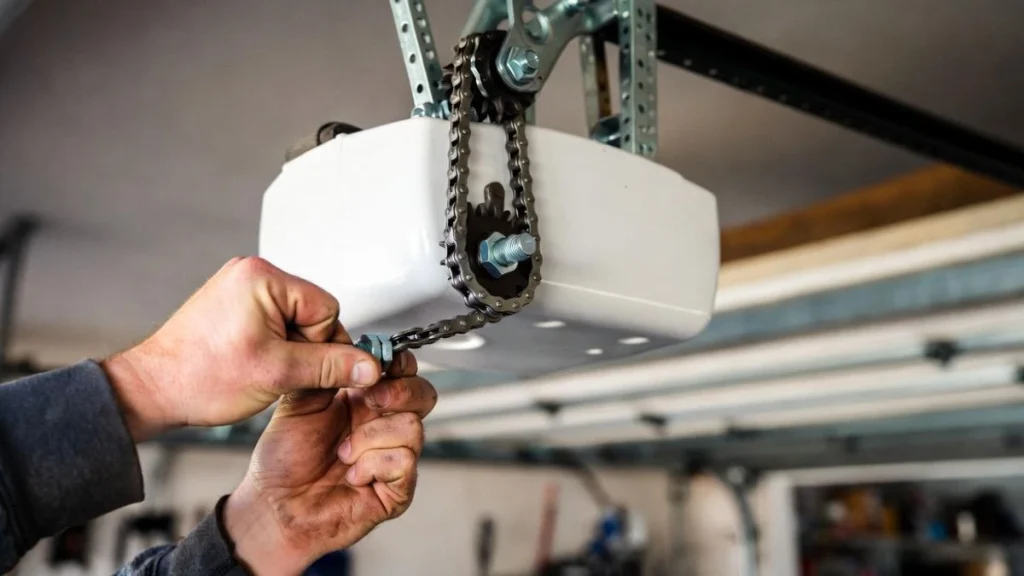
When the garage door chain detaches, it stops the door from working properly. Fixing this issue quickly helps avoid further damage and restores normal function. The step-by-step fix guides you through simple tasks to reattach the chain safely and correctly. Follow each step carefully to get the door moving again without problems.
Inspect The Chain And Components
Start by examining the entire chain and related parts. Look for any damage or issues that caused the chain to come off. A thorough inspection helps find problems before fixing the chain.
- Check the chain links for breaks, rust, or twists.
- Inspect the sprocket for worn or broken teeth.
- Look at the mounting brackets to ensure they are secure.
- Examine the door rollers and tracks for obstructions or damage.
Use a flashlight for better visibility inside the garage door opener mechanism. If the chain looks very worn or broken, replace it instead of reattaching. Damaged sprockets or brackets also need fixing to prevent future problems.
| Component | What to Check | Signs of Damage |
| Chain Links | Breaks, rust, twists | Broken or stiff links |
| Sprocket | Teeth condition | Missing or worn teeth |
| Mounting Brackets | Stability and bolts | Loose or bent brackets |
| Door Rollers & Tracks | Obstructions and damage | Misaligned or damaged tracks |
Reattach The Chain To The Sprocket
After inspection, reattach the chain carefully to the sprocket. This step restores the connection that moves the door up and down.
- Turn off the power to the garage door opener for safety.
- Locate the sprocket where the chain should sit.
- Place the chain over the sprocket teeth, making sure it fits snugly.
- Check the chain path follows the correct track along the opener arm.
- Tighten any loose bolts on the sprocket or mounting brackets.
Use gloves to protect your hands from sharp edges. Avoid forcing the chain onto the sprocket; it should fit smoothly. If the chain slips easily, check for worn sprocket teeth again. Proper reattachment prevents the chain from falling off during operation.
Adjust Chain Tension
Setting the correct chain tension is key for smooth garage door movement. Too loose or too tight causes problems.
- Locate the tension adjustment bolt on the opener arm.
- Use a wrench to turn the bolt and adjust tension.
- Target a chain slack of about 1/2 inch (12 mm) in the middle of the chain.
- Check that the chain moves freely without sagging or binding.
Over-tightening can strain the motor and damage the chain. Too loose allows the chain to jump off again. Adjust slowly and test after small changes. Regularly lubricate the chain with garage door lubricant for smooth operation and longer life.
Test The Door Operation
Testing ensures the chain fix works and the door opens and closes safely.
- Restore power to the garage door opener.
- Use the remote or wall switch to operate the door.
- Listen for unusual noises like grinding or slipping.
- Watch the door movement for smooth, even travel.
- Manually stop the door if it shows signs of strain or uneven motion.
Test multiple open and close cycles to confirm stability. Check the chain stays on the sprocket and does not loosen. If the door jerks or stops, readjust tension or inspect components again. Proper testing prevents future breakdowns and keeps the door safe to use.
Recommended: Garage Door Belt off Track
Preventive Maintenance
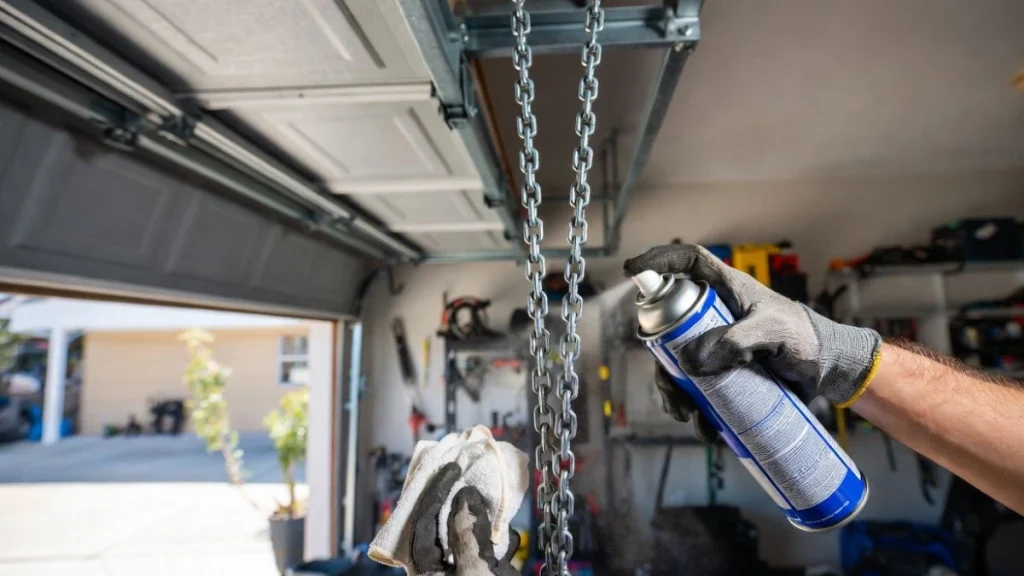
Garage doors not attached to chains can cause serious safety risks and operational problems. Preventive maintenance helps avoid these issues by keeping all parts, including the chain, in good shape. Regular care extends the door’s life, ensures smooth movement, and prevents sudden failures.
Regular Chain Inspection
Inspecting the chain often is crucial to catch early signs of wear or damage. A chain that is not attached properly or has broken links can cause the door to malfunction or fall unexpectedly. Check the chain for:
- Rust or corrosion: Look for brown or orange spots that weaken the metal.
- Broken or bent links: These can disrupt smooth movement.
- Chain tension: The chain should be tight but not too tight to avoid stress.
- Alignment: Make sure the chain runs straight along the guide.
Lubricate Moving Parts
Lubrication reduces friction and wear on garage door parts, especially the chain. Dry or rusty chains increase noise and cause jerky movements. Use a silicone-based or lithium grease lubricant for best results. Avoid oil-based lubricants that attract dust and dirt.
Steps to lubricate your garage door chain and parts:
- Clean the chain with a dry cloth to remove dust and debris.
- Apply lubricant evenly along the entire length of the chain.
- Lubricate other moving parts such as rollers, hinges, and tracks.
- Operate the door up and down several times to spread the lubricant evenly.
Tighten Loose Components
Loose parts can cause the chain to detach or the door to operate unsafely. Regularly check and tighten bolts, nuts, and screws on the garage door and its mechanism. Focus on these areas:
- Chain attachment points on the door and motor.
- Roller brackets and hinges.
- Mounting brackets for the opener motor.
- Track supports and wall anchors.
Schedule Professional Checkups
Professional garage door technicians have the skills and tools to spot hidden problems. Schedule a checkup once a year to keep your door in top condition. During a service, a pro will:
- Inspect the chain and entire door system thoroughly.
- Adjust chain tension and alignment precisely.
- Lubricate all moving parts with proper products.
- Test safety features like sensors and auto-reverse.
- Replace worn or damaged components safely.
Professional maintenance prevents costly repairs and enhances safety. Keep a record of each service visit to track maintenance history.
Conclusion
A garage door not attached to the chain can cause many problems. It stops the door from working correctly and can be unsafe. Fixing the chain connection quickly keeps the door running smoothly. Regular checks help find issues early and avoid big repairs.
Simple steps can save time and money. Stay safe by fixing any problems right away. Keep your garage door in good shape for peace of mind every day.