

Your brick fireplace is the heart of your room, but have you ever thought about how the floor trim around it can change the entire look? The right floor trim not only protects your floors but also highlights your fireplace’s charm.
If you want to make your space feel cozy and polished, choosing and installing the perfect floor trim is a game-changer. Keep reading to discover simple tips and ideas that will make your brick fireplace stand out like never before.
Choosing Floor Trim Materials
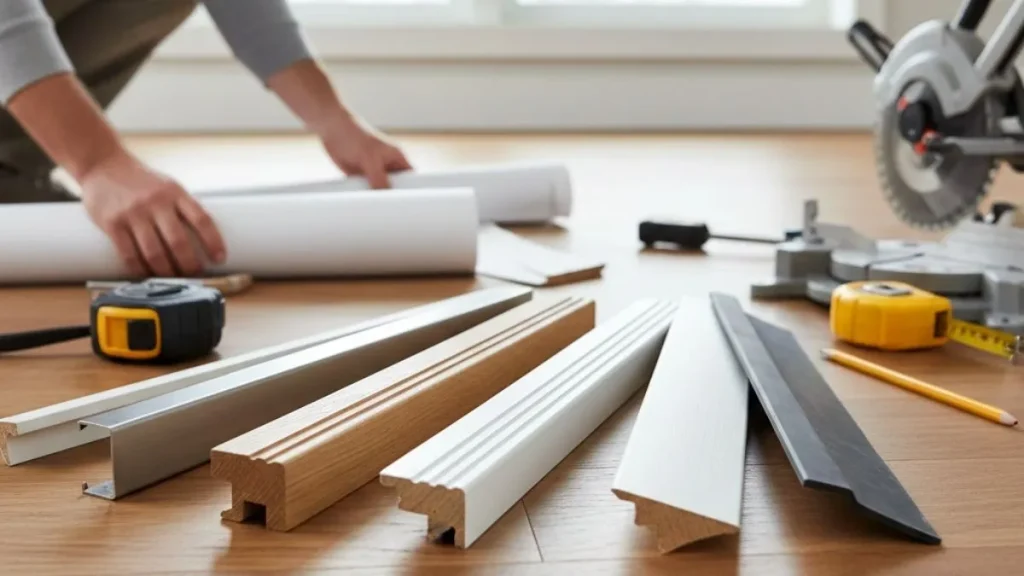
Choosing the right floor trim material around a brick fireplace is essential for both style and durability. The trim ties the room together and protects the edges where the floor meets the wall. Since a brick fireplace often has a rustic, warm feel, the floor trim should complement this look without clashing.
Wood Options
Wood is a classic choice for floor trim around a brick fireplace. It adds warmth and natural beauty that matches the brick’s earthy tones. There are several types of wood to consider:
- Oak: Hard and durable. It resists dents and scratches well.
- Pine: Softer and less expensive but can dent easily.
- Maple: Smooth grain and strong, perfect for painted or stained trim.
- Cherry: Rich color that darkens over time, adds elegance.
Wood trim can be stained to match your floor or painted for contrast. It requires sealing to protect from moisture, especially near a fireplace where heat can cause drying and cracking. Wood is easy to cut and shape, allowing for custom designs like grooves or patterns.
Wood trim is perfect for a cozy, traditional look. It works well if you want a natural feel that blends with the brick texture.
MDF And Composite Trims
MDF (Medium-Density Fiberboard) and composite trims offer affordable and versatile choices. These materials are engineered from wood fibers and resin, making them smooth and easy to paint. They resist warping better than natural wood when exposed to heat or moisture near a fireplace.
Advantages of MDF and composite trims include:
- Cost-effective: Less expensive than solid wood.
- Smooth finish: Ideal for painting in any color.
- Consistency: No knots or grain variations.
- Easy to install: Cuts cleanly and fits tightly.
These trims are less durable against impact and can swell if exposed to water. Proper sealing and paint help protect the surface. They are great for modern or minimalist designs where clean lines matter.
| Material | Resistance | Cost | Best Use |
| MDF | Heat & Moisture Resistant with Seal | Low | Painted, Smooth Finish |
| Composie | More Durable than MDF | Medium | Painted or Stained |
MDF and composites suit homeowners wanting a clean look at a lower price. They are especially good in areas with moderate heat and humidity.
Metal And Stone Alternatives
Metal and stone trims provide a modern or industrial edge around a brick fireplace. These materials are highly durable and heat resistant, making them practical near fireplaces. They also create a striking visual contrast with brick texture.
Common metal options include:
- Aluminum: Lightweight and corrosion-resistant.
- Stainless Steel: Strong and shiny, adds sleekness.
- Bronze or Copper: Warms the space with rich tones.
Stone trims, such as marble or slate, blend naturally with brick. They require professional installation and can be costly. Stone offers a timeless, upscale look with excellent durability.
| Material | Durability | Maintenance | Style Impact |
| Aluminum | High | Low | Modern, Industrial |
| Stainless Steel | Very High | Low | Contemporary |
| Bronze/Copper | High | Medium (Patina Develops) | Warm, Vintage |
| Marble/Slate | Very High | Medium | Elegant, Natural |
Metal and stone trims suit spaces needing durability and style. They stand out as design features and last for decades.
Measuring And Planning
Adding floor trim around a brick fireplace enhances its look and protects the edges where the floor meets the wall. Proper measuring and planning ensure the trim fits perfectly and lasts long. Careful preparation avoids mistakes and saves time and money.
Assessing Fireplace Dimensions
Begin by measuring the exact size of your brick fireplace. Accurate dimensions help in cutting the trim pieces to fit perfectly around the fireplace base.
- Measure the width of each visible side of the fireplace facing the floor.
- Measure the height from the floor to the bottom edge of the brick if the trim will cover part of the wall.
- Note any irregular shapes or corners that may require custom cuts.
Use a tape measure and write down all numbers clearly. Double-check each measurement to avoid errors. A simple table can help keep track of dimensions:
| Fireplace Side | Width (inches) | Height (inches) | Notes |
| Front | 48 | 4 | Straight edge |
| Left Side | 12 | 4 | Brick extends slightly |
| Right Side | 12 | 4 | Wall flush |
Measuring carefully ensures the trim fits well and looks clean around the fireplace.
Accounting For Expansion Gaps
Floor trim needs small gaps around it to allow for natural expansion and contraction of materials. This prevents the trim from warping or cracking over time.
Expansion gaps are small spaces left between the trim and fireplace or floor. These gaps let wood or other trim materials move slightly with changes in temperature and humidity.
- Leave a gap of about 1/8 inch (3 mm) between the trim and brick fireplace.
- Keep a similar gap between the trim and floor if the floor expands.
- Use flexible caulk to fill gaps for a neat finish without restricting movement.
Use a spacer tool or small pieces of cardboard to keep gaps consistent during installation. Without these gaps, trim can press tightly against the brick and floor. This pressure may cause damage or push the trim out of place.
Here is a simple guide for expansion gaps:
| Material | Recommended Expansion Gap | Reason |
| Wood Trim | 1/8 inch (3 mm) | Allows for swelling/shrinking |
| Brick Fireplace Edge | 1/8 inch (3 mm) | Prevents pressure and cracking |
| Floor Surface | 1/8 inch (3 mm) | Accommodates floor movement |
Planning these gaps avoids problems and keeps the trim looking great for years.
Layout Considerations
Careful layout planning helps achieve a clean and professional trim installation around your brick fireplace.
Start by sketching the fireplace and floor area on paper. Mark where the trim pieces will go and note any corners or joints.
- Plan for mitered corners at fireplace edges to create smooth joints.
- Consider the floor type (hardwood, tile, carpet) as it affects trim height and shape.
- Decide trim style (simple, decorative, tall) to match your room’s look.
- Check clearance for fireplace doors or vents to avoid blocking them.
Use a level and straightedge during installation to keep trim even and aligned. Measure twice, cut once is key for all trim work.
Cutting And Fitting Trim
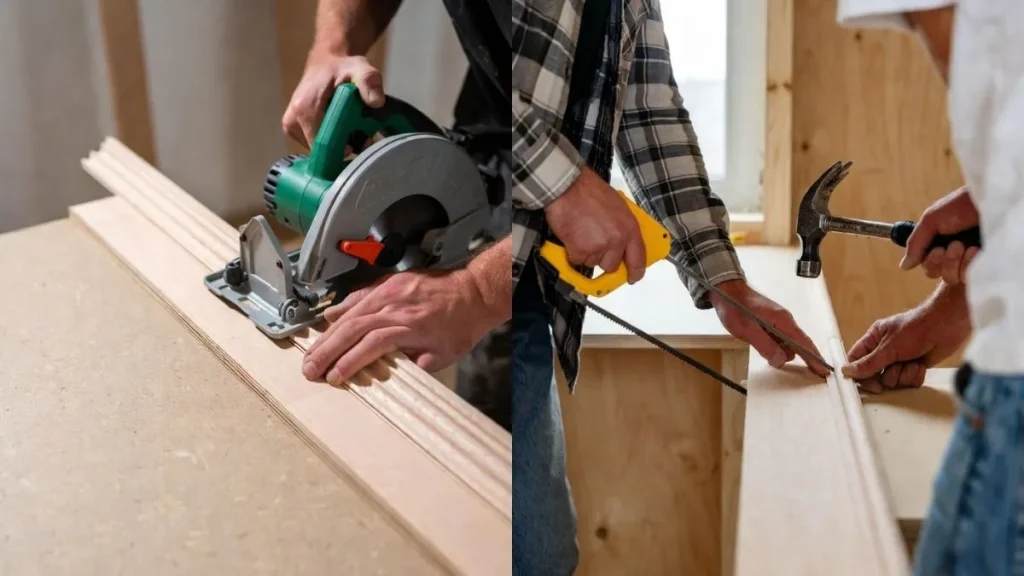
Installing floor trim around a brick fireplace adds a polished look to your room. Cutting and fitting the trim correctly ensures a snug fit and a professional finish. This task requires careful measurement, precise cutting, and attention to detail. The brick’s uneven edges can make fitting tricky, but the right tools and techniques make the job easier.
Making Precise Cuts
Accurate cuts are crucial to fit trim neatly around the fireplace. Start by measuring the length needed for each trim piece. Use a tape measure and mark the trim with a pencil. Cut with a miter saw, setting the blade at the right angle for corners.
Follow these steps for precise cuts:
- Measure twice, cut once. Double-check your measurements.
- Set the miter saw to the correct angle (usually 45 degrees for corners).
- Secure the trim piece firmly on the saw base.
- Make slow, steady cuts to avoid splintering.
- Sand rough edges for smooth joints.
For straight cuts along the fireplace edge, a simple 90-degree cut works best. For corners, use angled cuts to create clean joints. If multiple pieces meet at a corner, cut each piece’s end at an angle that fits together tightly.
Tip: Use scrap wood to practice cutting angles before trimming your actual pieces. This helps avoid mistakes on your final trim.
Fitting Around Irregular Shapes
Brick fireplaces often have uneven edges and curves. Fitting trim around these irregular shapes needs patience and creativity. Start by taking detailed measurements of the brick surface, noting any bumps or gaps.
Try this approach:
- Use a flexible ruler or cardboard template to trace the shape.
- Transfer the template outline onto the trim piece.
- Cut slowly and carefully with a coping saw or utility knife.
- Dry fit the trim piece to check alignment before securing it.
Small gaps between the trim and brick are normal. Fill these with caulk for a clean look. For tight curves, trim can be gently bent or scored to fit better.
Remember: Patience is key. Adjust cuts gradually rather than rushing. This prevents wasting material and ensures a neat finish.
Installation Techniques
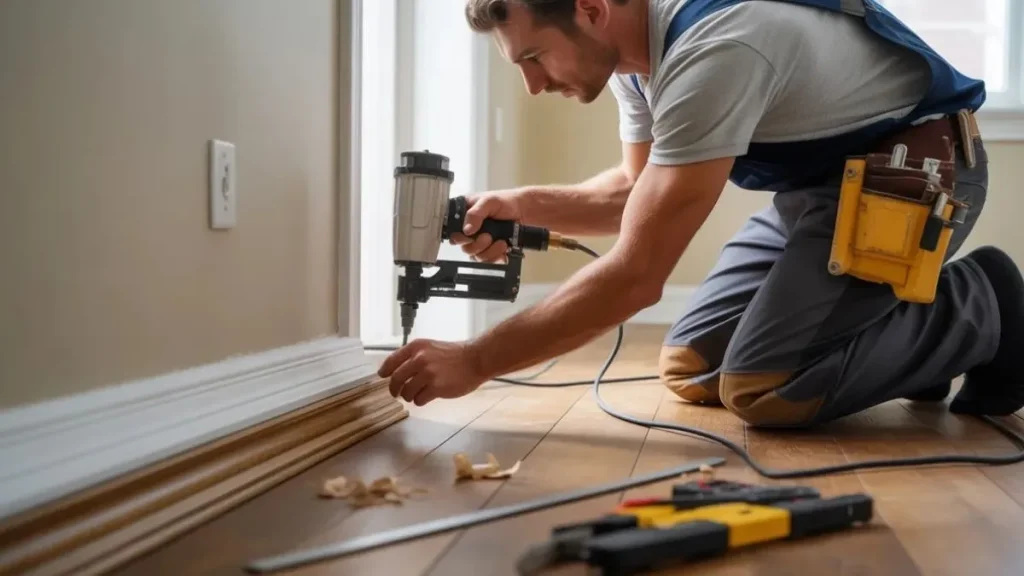
Installing floor trim around a brick fireplace requires care and precision. The unique texture and shape of brick create challenges for fitting trim neatly. Proper installation techniques ensure the trim stays secure and looks clean.
Attaching Trim Securely
Secure attachment of floor trim around a brick fireplace is essential to avoid gaps and loosening over time. Since brick is hard and rough, special steps are needed to fasten trim properly.
- Use the right fasteners: Choose masonry nails or screws with anchors designed for brick. Regular nails will not hold well.
- Pre-drill holes: Drill holes into the brick or mortar before inserting anchors. This prevents cracking and ensures a tight fit.
- Apply construction adhesive: Spread adhesive on the back of the trim for extra bonding strength, especially on uneven bricks.
- Check alignment carefully: Hold the trim in place with clamps or temporary supports until fasteners set.
Dealing With Uneven Surfaces
Brick surfaces around fireplaces are rarely flat. Uneven bricks and mortar joints create gaps behind trim, causing poor fit and weak attachment.
To manage uneven surfaces effectively, follow these tips:
- Use shims: Thin wooden or plastic shims fill gaps between the trim and brick surface. This helps the trim sit flush.
- Sand or plane trim edges: Slightly adjust the trim shape to match the brick contour for a tighter fit.
- Apply a flexible adhesive: Use adhesives that can fill small gaps and remain strong after drying.
- Check for protruding bricks: Remove or grind down any bricks that stick out too much to avoid unevenness.
Caulking And Sealing
After installing floor trim, caulking and sealing are vital to create a neat, finished appearance. Gaps between the trim and brick can collect dust and look unfinished.
Follow these points for proper caulking and sealing:
- Choose the right caulk: Use a paintable, flexible caulk made for interior use. Silicone or acrylic latex caulk works well.
- Clean the gap area: Remove dust and debris before applying caulk to ensure good adhesion.
- Apply caulk evenly: Use a caulking gun to fill gaps smoothly. Run a wet finger or a caulk smoothing tool along the bead for a clean line.
- Seal both top and bottom edges: Seal the top edge where the trim meets the brick and the bottom edge where it meets the floor to prevent dirt and moisture entry.
- Allow proper drying time: Follow manufacturer instructions for drying before painting or touching the trim.
Finishing Touches
Adding floor trim around a brick fireplace creates a polished, finished look that enhances the room’s style. These finishing touches highlight the fireplace as a focal point while protecting the edges where the floor meets the brick. Proper care and attention to detail in this area ensure the trim lasts longer and maintains its beauty.
Painting And Staining
Painting or staining floor trim near a brick fireplace requires careful choice of colors and finishes. The goal is to complement the brick’s natural tones and the room’s decor. For a classic look, white or off-white paint brightens the space and contrasts with dark bricks. Staining wood trim enhances its natural grain and adds warmth.
Consider these tips for painting or staining:
- Choose heat-resistant paint or stain. The area near the fireplace can get warm, so use products designed to withstand heat.
- Test samples first. Apply small patches to see how colors look next to the brick.
- Use a primer for painting. This helps the paint stick better and last longer on wood trim.
- Apply multiple thin coats. This gives a smooth, even finish without drips.
Protecting Against Heat And Damage
Floor trim near a fireplace faces heat, smoke, and physical wear. Protecting it from damage keeps your fireplace area looking fresh and safe. Heat can cause paint to peel or wood to warp, while smoke and soot leave stains. Physical damage happens from moving furniture or foot traffic.
Use these strategies to protect trim:
- Install a heat shield. Metal or fireproof materials block direct heat from the trim.
- Seal the trim. Use a clear, heat-resistant sealant to protect wood surfaces.
- Keep a safe distance. Leave a small gap between the fireplace and trim if possible.
- Clean regularly. Wipe soot and dust off the trim to prevent buildup.
Maintaining Trim Over Time
Maintenance keeps floor trim looking sharp for years. Over time, wear and tear show as chips, cracks, or fading color. Regular upkeep fixes small problems before they grow. This saves money and effort in the long run.
Key maintenance tasks include:
- Inspect trim monthly. Look for signs of damage or loose pieces.
- Touch up paint or stain. Fix chips or fading spots with matching color.
- Clean gently. Use mild soap and water to avoid stripping finishes.
- Control humidity. Keep room moisture stable to prevent wood warping.
- Replace damaged sections. Swap out badly worn trim pieces promptly.
Conclusion
Choosing the right floor trim around your brick fireplace adds style and protection. It creates a clean, finished look for your room. Trim helps cover gaps between the floor and bricks. Simple designs often work best for a classic feel.
Match the trim color with your floor for a neat look. Proper installation keeps the trim secure and long-lasting. Small details like trim make a big difference in your space. Enjoy the cozy, polished feel your fireplace brings.