

Have you ever been lying in bed, trying to fall asleep, when suddenly you hear a strange popping sound coming from your floor? That unexpected noise can be unsettling and might make you wonder if something is wrong with your home.
You’re not alone—many people experience these mysterious floor popping sounds at night. But what causes them? And should you be worried? Keep reading to discover the surprising reasons behind these noises and what you can do to keep your home safe and peaceful.
Causes Of Floor Popping Sounds
Hearing popping sounds from your floor at night can be unsettling. These noises often come from natural changes or small issues within your home’s structure.
Temperature Changes
One of the main causes of floor popping sounds is temperature changes. Floors, especially those made from wood or laminate, react to shifts in temperature by expanding or contracting. This movement creates noises as materials rub or press against each other.
During the day, floors may absorb heat and expand. At night, the temperature drops, causing floors to cool and contract. This cycle happens repeatedly, leading to the popping sounds you hear.
- Warm days: Floors expand slightly.
- Cool nights: Floors shrink back.
- Materials affected: Wood, laminate, vinyl, and some tile floors.
| Time of Day | Floor Material | Effect |
| Day (Warm) | Wood/Laminate | Expansion causing tight fits |
| Night (Cool) | Wood/Laminate | Contraction causing gaps and noises |
These temperature-related movements are normal but can cause annoying sounds at night when the house cools down.
Wood Expansion And Contraction
Wood floors naturally expand and contract due to moisture and temperature. This process can create popping or cracking noises. Wood absorbs moisture from the air, swelling when humid and shrinking in dry conditions.
Expansion and contraction affect floorboards differently based on:
- Wood type (oak, pine, maple, etc.)
- Humidity levels inside the home
- Floor installation method
Loose Floorboards
Loose floorboards often cause loud popping or creaking sounds. Boards that are not securely fastened can move when stepped on or due to settling. This movement causes friction or small shifts that create noise.
Common reasons for loose floorboards include:
- Wear and tear over time
- Improper installation
- Changes in temperature and humidity
- Foundation movement
Loose boards may also create gaps, making floors feel uneven. Checking for loose boards involves gently pressing or walking over suspect areas to listen for movement.
- Sounds may be louder at night due to quiet surroundings.
- Loose boards can worsen if not fixed promptly.
Fixing loose floorboards usually requires re-nailing, screwing, or adding adhesive to stop movement and noise.
Structural Shifts
Structural shifts in a house can cause floor popping sounds. Foundations and supporting beams may move slowly due to soil settling, moisture changes, or natural aging. This movement puts stress on floorboards, joints, and subfloors.
Signs of structural shifts include:
- Cracks in walls or ceilings
- Uneven or sloping floors
- Doors and windows that stick or don’t close properly
As the structure shifts, floors may make popping or creaking noises. These sounds can occur suddenly or over time and may increase at night when the house cools down.
Structural problems need professional inspection. Small shifts can be normal, but large or sudden movements require repair to prevent damage.
Common Locations For Noises
Floor popping sounds often cause concern and confusion. These noises usually come from specific parts of a home where materials expand or contract. The following sections explain typical spots for floor popping sounds and why they happen.
Wooden Floors
Wooden floors are a common source of popping sounds at night. Wood naturally expands and contracts with changes in temperature and humidity. This movement causes the wood to rub against nails, joints, or the subfloor, creating noises.
- Expansion and Contraction: Wood expands in warm, humid conditions and shrinks in cold, dry air.
- Nails and Fasteners: As wood moves, nails may loosen or shift, making popping or creaking sounds.
- Subfloor Interaction: The wood can rub against the subfloor or joists below, causing noise.
Laminate Flooring
Laminate flooring also makes popping noises at night. Unlike wood, laminate is made from compressed layers topped with a photo layer and a clear protective coating. It does not absorb moisture but still moves slightly with temperature changes.
The main reasons for laminate floor noises include:
- Expansion Gaps: Laminate needs small gaps around edges to expand. If gaps are too small or missing, boards push against each other and pop.
- Improper Installation: Flooring that is not locked tightly or laid on uneven surfaces can create gaps and movement noises.
- Subfloor Issues: Uneven or damaged subfloors cause laminate boards to flex and make noise.
Laminate floors are more sensitive to movement than wood. Proper installation and maintaining expansion space reduce popping sounds.
Basements And Crawl Spaces
Basements and crawl spaces often cause floor popping sounds, especially at night when temperatures drop. These areas affect the floors above due to shifting foundations and moisture changes.
- Foundation Movement: Soil expands or contracts with moisture, causing the foundation to shift slightly.
- Temperature Differences: Cooler basement air cools floor joists and beams, causing wood to contract and pop.
- Moisture and Humidity: Dampness in basements can cause wood to swell and then shrink as it dries.
When To Be Concerned
Hearing a floor popping sound at night can be unsettling. Such noises might come from normal house settling or signal deeper problems. Knowing when to be concerned helps protect your home and peace of mind. Not all sounds mean danger, but some signs should never be ignored.
Signs Of Structural Damage
Floor popping sounds can sometimes indicate structural damage. Look for these signs to know if the noise is serious:
- Cracks in walls or ceilings: Small cracks are common, but large or growing cracks may mean shifting foundations.
- Uneven or sagging floors: Floors that dip or slope can signal weakened supports or joists.
- Doors and windows sticking: Trouble opening or closing doors and windows often relates to frame changes.
- Visible gaps: Spaces between floorboards or between walls and floors can show movement or damage.
Frequency And Intensity Of Sounds
How often and how loud floor popping sounds occur can reveal their cause and urgency. Normal settling noises are usually rare and soft. Sounds that happen frequently or are very loud deserve attention.
- Occasional, soft pops: Usually harmless and related to temperature changes or humidity.
- Frequent or loud pops: Could mean structural stress or damage requiring inspection.
- Sounds after changes: New noises following renovations or extreme weather can be warning signs.
Keep a simple log of these sounds to track their pattern. Note the time, loudness, and any related events. This helps professionals diagnose the problem.
| Sound Pattern | Possible Cause | Action Needed |
| Rare, soft pops | House settling, normal contraction/expansion | No action needed |
| Regular, loud pops | Structural stress, loose floorboards | Schedule a professional inspection |
| Sudden loud pops after weather | Foundation shifting, moisture changes | Check for cracks and damage |
Diy Fixes For Floor Noises
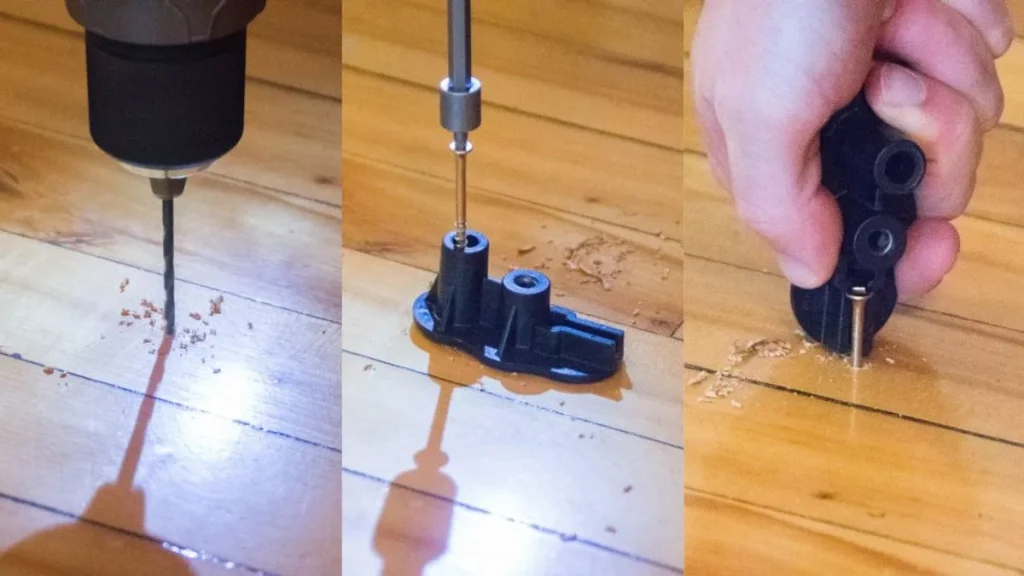
Hearing a floor popping sound at night can disturb your peace and sleep. These noises usually come from loose floorboards, changes in humidity, or friction between wood parts. Many floor noises can be fixed easily at home. DIY fixes save money and help you understand your floor better. Here are some simple ways to reduce or stop those annoying sounds.
Securing Loose Boards
Loose floorboards often cause popping or creaking sounds. These boards move slightly when stepped on, creating noise. Fixing loose boards is a common and effective way to stop floor popping sounds.
Start by finding the loose boards. Walk on the floor and listen carefully. Mark the noisy spots with tape or chalk. Then, try these steps:
- Use finishing nails or screws: Carefully drive nails or screws into the edges of loose boards. Use a nail set to sink the nails slightly below the surface.
- Glue and clamps: Apply wood glue between gaps and use clamps to hold boards tightly together. Wipe off extra glue before it dries.
- Add shims: Insert thin wooden shims under loose boards to fill gaps and stop movement.
Using Lubricants
Friction between wooden floor parts causes many popping sounds. Using lubricants helps reduce this friction and quiets the floor. Lubricants work best on joints and small gaps where wood rubs against wood.
Common lubricants for floors include:
- Talcum powder or baby powder: Absorbs moisture and reduces friction. Sprinkle lightly over gaps and wipe away extra powder.
- Wax sticks or paraffin: Rub wax into joints to create a smooth surface.
- Graphite powder: A dry lubricant that stops squeaks without mess.
Controlling Humidity Levels
Wood floors expand and contract with changes in humidity. High humidity makes wood swell, while low humidity causes it to shrink. This movement creates popping sounds, especially at night when temperature and humidity change.
Controlling indoor humidity helps keep your floor stable and quiet. Aim to keep humidity levels between 35% and 55%. Use these tips:
- Use a humidifier: Add moisture during dry months to prevent wood shrinking.
- Use a dehumidifier: Remove excess moisture in damp weather to stop swelling.
- Ventilate rooms: Open windows or use exhaust fans to improve air flow.
- Seal gaps: Fill floor and wall gaps with caulk to reduce moisture changes.
Professional Solutions
The mysterious floor popping sound at night can cause sleeplessness and worry. Professional solutions offer effective ways to stop these noises and ensure safety. Experts identify the root cause and provide lasting fixes. From quick repairs to detailed inspections and ongoing care, professionals help maintain peace and comfort in your home.
Floor Repair Services
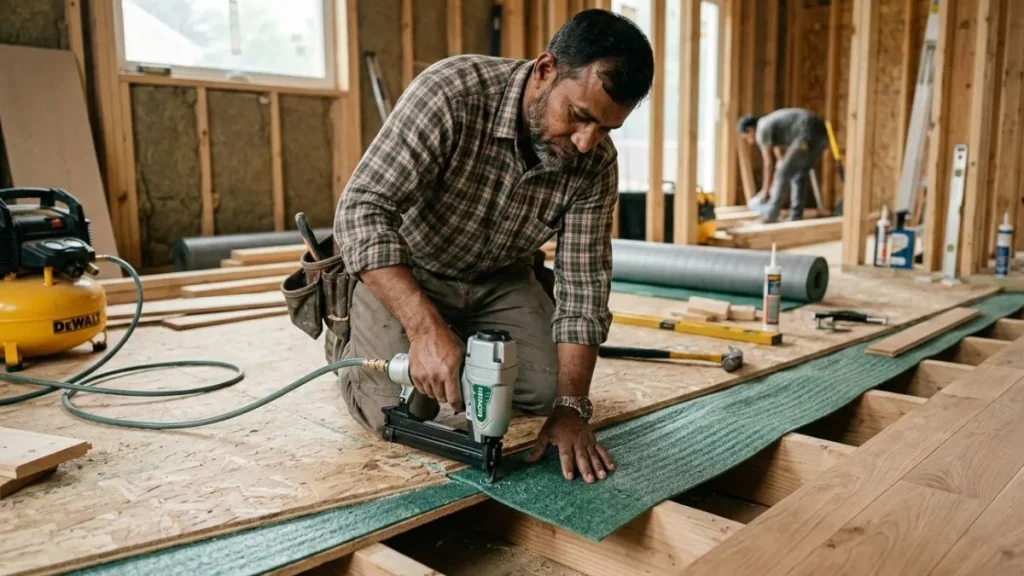
Skilled technicians repair floors that produce popping sounds using proven methods. These services target loose boards, gaps, or worn-out materials causing noise. Repairs vary by floor type, such as hardwood, laminate, or tile.
- Fixing loose boards: Nails or screws secure the floorboards tightly.
- Replacing damaged sections: Worn or cracked planks get replaced for stability.
- Applying fillers: Gaps between boards are filled to reduce movement and noise.
- Lubricating joints: Special powders or waxes reduce friction between floor parts.
Structural Inspections
Experts perform detailed inspections to find hidden causes of floor popping sounds. They check the entire floor system, including joists, beams, and subfloor layers. Structural issues often create noises that simple repairs miss.
- Assessing joist condition: Look for cracks, rot, or bending.
- Checking subfloor stability: Ensure it is firmly attached and not warped.
- Inspecting support beams: Verify strength and proper alignment.
- Detecting moisture problems: Moisture can weaken wood and cause noises.
Inspection tools include moisture meters, sound detectors, and visual checks. Professionals provide a clear report with findings and repair recommendations.
Long-term Maintenance
Maintaining floors after repairs and inspections is key to avoiding future popping sounds. Professionals suggest simple steps homeowners can follow to keep floors quiet and stable.
- Control humidity: Use dehumidifiers or humidifiers to keep wood stable.
- Clean floors regularly: Remove dirt and debris that affect joints.
- Inspect periodically: Check for new gaps or loose boards every few months.
- Apply protective coatings: Seal floors to prevent moisture damage.
Read Also: Do You Need Transition Strips between Rooms With Same Flooring?
Conclusion
A floor popping sound at night can feel strange and worrying. Most often, it comes from natural changes in wood or house materials. These sounds usually do not mean a big problem. Still, paying attention helps keep your home safe and sound.
Fix small issues early to avoid bigger repairs later. Quiet nights feel better when you understand what causes noises. Keep an eye on the sounds and act if they grow louder or more frequent. Your home can stay peaceful with simple care and watchfulness.