

Have you noticed cracks forming in the bricks right above your garage door? It might seem like a small issue at first, but those cracks can be a sign of bigger problems lurking beneath the surface.
Ignoring them could lead to costly repairs down the road. You’ll discover why these cracks appear, what they mean for your home’s safety, and the simple steps you can take to fix them before they get worse. Keep reading to protect your home and avoid unexpected damage.
Causes Of Brick Cracking
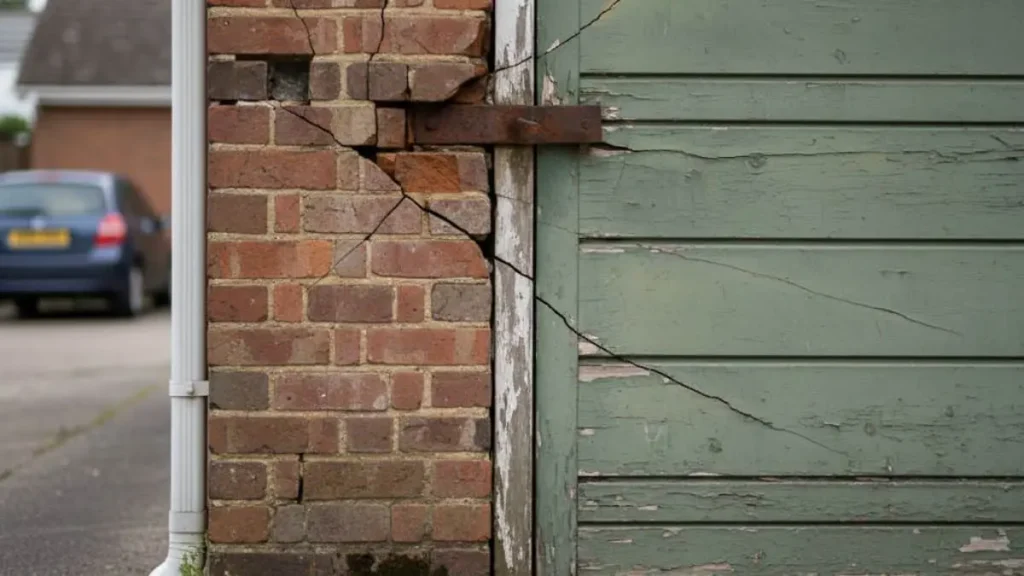
Several factors contribute to this problem, including movement in the building, construction flaws, soil issues, and weather conditions. Each cause creates stress on the bricks and mortar, leading to cracks.
Structural Movement
Structural movement is a major cause of brick cracking above garage doors. Buildings naturally settle over time, causing slight shifts in the foundation and frame. These movements put pressure on the bricks, which do not flex easily, resulting in cracks.
Common types of structural movement include:
- Foundation settling: Uneven settling can cause walls to shift.
- Wall deflection: Walls bending under load may crack bricks.
- Vibrations: Nearby construction or heavy traffic creates vibrations.
Stress from these movements often shows above garage doors. This area lacks strong support, making it vulnerable.
Poor Construction
Poor construction is another key reason for brick cracks above garage doors. Errors made during building can weaken the structure. These flaws cause bricks to crack under normal stress.
Common construction mistakes include:
- Improper mortar mix: Weak mortar fails to hold bricks firmly.
- Lack of lintel support: Missing or undersized lintels cause pressure on bricks.
- Poor bricklaying technique: Uneven brick placement creates weak spots.
Such errors allow bricks to move or settle unevenly. Cracks form as a result of stress concentrations.
Soil Settlement
Soil settlement under a home can cause brick cracking. The ground beneath the foundation changes over time due to moisture or compaction. This causes the foundation to move, affecting the walls above.
Types of soil settlement:
- Uniform settlement: The entire foundation sinks evenly.
- Differential settlement: One part sinks more than another.
Differential settlement is more damaging. It creates uneven pressure on bricks above garage doors, leading to cracks.
| Settlement Type | Impact on Structure | Cracking Pattern |
| Uniform | Minimal damage | Few or no cracks |
| Differential | Severe stress on walls | Diagonal or stair-step cracks |
Temperature Changes
Temperature changes cause bricks and mortar to expand and contract. These movements create stress, especially in areas like above garage doors. Constant cycles of heating and cooling weaken the brickwork over time.
Key effects of temperature changes:
- Thermal expansion: Bricks expand in heat, pushing against each other.
- Contraction: Cooling causes bricks to shrink and pull apart.
- Freeze-thaw cycles: Water in bricks freezes and expands, causing cracks.
Repeated stress from temperature variations causes mortar joints to fail. Cracks often appear as fine lines or widen gradually.
Identifying Crack Types

Brick cracking above a garage door can signal different issues with your home’s structure. Identifying the crack types helps understand the cause and decide on repairs. Cracks vary in shape and size. Each type shows unique signs. Knowing these details can save time and money.
Vertical Cracks
Vertical cracks run straight up and down. They often appear near the edges of the garage door opening. These cracks usually happen because of normal settling in the house foundation.
Signs of vertical cracks:
- Thin lines following the mortar joints or bricks
- Cracks that are straight and continuous
- Usually less than 1/4 inch wide
Vertical cracks are often less serious but should not be ignored. They can widen if the foundation shifts further. Early repair stops bigger problems.
| Cause | Appearance | Concern Level |
| Foundation settling | Straight, vertical lines | Low to moderate |
Horizontal Cracks
Horizontal cracks run side to side above the garage door. These cracks can mean pressure is pushing against the brick wall. Causes include soil pressure, poor construction, or damaged lintels.
Horizontal crack features:
- Cracks appear along the mortar or bricks
- May be wider than vertical cracks
- Can cause bricks to bulge or separate
Horizontal cracks need quick attention. They may indicate serious wall stress. Repairing the cause is important to stop collapse or water damage.
| Cause | Appearance | Concern Level |
| Soil pressure or lintel damage | Sideways cracks, possible bulging | High |
Diagonal Cracks
Diagonal cracks form a slant or zigzag pattern. They often show movement between bricks or foundation shifts. These cracks are common near corners of the garage door opening.
Characteristics of diagonal cracks:
- Slanted lines usually 30-45 degrees
- May follow mortar joints in a stair-step pattern
- Widen over time if not fixed
Diagonal cracks suggest uneven foundation settlement or wall movement. They can grow and cause leaks or structural damage. Monitoring and repairing early is critical.
| Cause | Appearance | Concern Level |
| Uneven settlement or movement | Slanted or stair-step cracks | Moderate to high |
Hairline Vs Wide Cracks
Crack width says a lot about severity. Hairline cracks are very thin, often less than 1/16 inch wide. Wide cracks measure over 1/4 inch and show more serious problems.
Differences include:
- Hairline cracks are common in new construction and often harmless.
- Wide cracks may mean structural damage or major foundation issues.
Here is a simple guide to crack width:
| Crack Width | Possible Cause | Repair Urgency |
| Less than 1/16 inch | Minor shrinkage or settling | Low |
| 1/16 to 1/4 inch | Normal movement or mild stress | Medium |
| Greater than 1/4 inch | Structural issues or foundation problems | High |
Check cracks regularly. Note any changes in width or length. Large cracks need a professional inspection immediately.
Risks And Consequences

Cracks in the brickwork above a garage door can signal serious problems. These cracks are more than just a cosmetic issue. They can lead to multiple risks and consequences affecting your home’s structure, safety, and appearance.
Water Infiltration
Cracks above the garage door create openings for water to enter the wall. Water infiltration can cause major damage over time. Moisture seeps inside, leading to issues like mold growth and wood rot. These problems weaken the building materials, making repairs more costly.
- Brick and mortar damage: Water causes bricks to erode and mortar to crumble.
- Interior damage: Water stains on walls and ceilings near the garage.
- Mold and mildew: Damp conditions promote mold growth, affecting air quality.
Compromised Support
Bricks above the garage door often carry heavy loads. Cracks can weaken this support, risking structural failure. The lintel, a beam above the door, might also suffer damage. A weakened lintel may cause the bricks to sag or fall.
- Load-bearing issues: Cracks reduce the ability to hold weight safely.
- Lintel corrosion: Rust or damage to metal lintels worsens the problem.
- Progressive damage: Small cracks can grow larger and more harmful over time.
Aesthetic Damage
Cracks hurt your home’s curb appeal. The area above the garage door is highly visible. Damaged bricks and mortar lower the overall look and value of your property. This can affect resale potential and neighborhood appearance.
- Visible cracks: Make the house look old and poorly maintained.
- Discoloration: Stains and dirt collect in cracks, making them stand out.
- Uneven surfaces: Cracks cause rough, broken textures on the wall.
Safety Concerns
Cracks above the garage door can pose serious safety risks. Falling bricks or collapsing walls can injure people or damage vehicles. Structural failure may also affect the garage door’s function, creating hazards during use.
- Falling debris: Loose bricks may fall and cause injury.
- Door operation issues: Cracks can misalign the door frame, causing malfunctions.
- Collapse risk: Severe damage might lead to partial wall collapse.
Repair Techniques
Brick cracking above a garage door is a common issue that affects many homes. These cracks can weaken the structure and allow water to enter, causing further damage. Repair techniques vary depending on the crack size and cause. Proper repair restores strength and prevents future problems. Below are effective methods to fix brick cracking above garage doors.
Repointing Mortar
Repointing mortar is a key repair technique for small to medium cracks in the brick joints. Mortar holds bricks together, so damaged mortar can cause instability. This method removes old, cracked mortar and replaces it with fresh mortar. It restores the wall’s strength and prevents water from seeping in.
Steps to repoint mortar:
- Remove damaged mortar using a chisel or grinder carefully.
- Clean the joints to remove dust and debris.
- Mix new mortar to match the original color and texture.
- Apply the new mortar into joints using a pointing trowel.
- Smooth the mortar and allow it to cure properly.
Brick Replacement
Brick replacement is necessary when cracks damage bricks themselves. Cracked or spalled bricks lose strength and can fall out. Replacing damaged bricks restores the wall’s stability and looks.
Process of brick replacement:
- Remove broken bricks carefully without damaging surrounding bricks.
- Clean the empty cavity from old mortar and debris.
- Prepare new bricks matching size and color.
- Apply mortar and set new bricks firmly in place.
- Fill joints with mortar and finish to match existing wall.
Important tips for brick replacement:
- Use bricks that match the original in size and color.
- Check the wall’s alignment to avoid uneven surfaces.
- Allow mortar to cure fully before applying loads.
Structural Reinforcement
Structural reinforcement strengthens the wall when cracks indicate deeper problems. Cracking above the garage door often results from settling or load stress. Reinforcement supports the wall and prevents cracks from growing.
Common reinforcement methods include:
- Steel lintels: Installed above the garage door to carry weight and reduce pressure on bricks.
- Wall anchors: Connect the brick wall to the building’s frame for added stability.
- Carbon fiber strips: Bonded to the wall surface to increase tensile strength.
Signs that structural reinforcement is needed:
- Wide or growing cracks above the garage door.
- Doors and windows sticking or misaligned.
- Visible bowing or bulging of the brick wall.
Sealants And Waterproofing
Sealants and waterproofing protect repaired brickwork from moisture damage. Water entering cracks can cause mortar erosion, brick spalling, and mold growth. Applying sealants creates a water-resistant barrier.
Types of sealants used:
- Silicone-based sealants: Flexible and durable for small cracks.
- Acrylic sealants: Paintable options that blend with brick color.
- Elastomeric coatings: Thick, waterproof layers covering large areas.
Waterproofing techniques:
- Clean the brick surface thoroughly to remove dirt and loose material.
- Apply sealant or coating evenly with a brush or sprayer.
- Allow drying and cure time as per product instructions.
- Inspect and reapply sealant every few years for lasting protection.
Conclusion
Brick cracking above your garage door needs quick attention. Small cracks can grow and cause bigger damage. Check the area often for new or bigger cracks. Fixing cracks early saves money and keeps your home safe. Use proper materials to avoid future problems.
Consult a professional if cracks look serious or spread fast. Taking care now helps prevent costly repairs later. Keep your garage strong and your home protected.