
Is your radiator leaking water when you try to bleed it, but you don’t see any air coming out? This can be confusing and frustrating.
You might expect only air to escape when bleeding a radiator, but water dripping instead raises questions about what’s really going on inside your heating system. Understanding why your radiator bleeds water but no air can help you fix the problem quickly and avoid bigger issues like damage or poor heating.
Causes Of Water Bleeding Without Air
Bleeding a radiator usually releases trapped air, improving heat circulation. Sometimes, water bleeds out without any air escaping. This issue signals underlying problems in the heating system.
Faulty Radiator Valve
A faulty radiator valve often causes water to bleed without air. Valves control water flow and air release. When a valve is damaged, it may not open or close properly. This leads to water leaking during bleeding instead of air escaping.
Common signs of a faulty valve include:
- Continuous water dripping during bleeding
- Valve handle feels loose or stuck
- Radiator fails to heat properly
Corrosion And Blockages
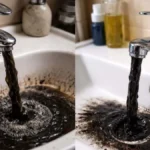
Corrosion and blockages inside the radiator or pipes cause water to bleed without air. Corrosion forms rust, which creates rough surfaces and narrow passages. Blockages restrict water flow and trap debris. Both problems stop air from escaping during bleeding.
Signs of corrosion and blockages include:
- Cold spots on the radiator
- Slow heating or uneven warmth
- Water leaking during bleeding
Common causes of corrosion and blockages:
- Old heating systems with untreated water
- Metal parts reacting with water chemicals
- Lack of system maintenance
Pressure Imbalance In The System
Pressure imbalance inside the heating system causes water to bleed without air. Radiators need correct pressure to work well. Too much or too little pressure can force water out during bleeding.
Symptoms of pressure imbalance include:
- Water dripping from bleed valve
- Radiator not heating evenly
- Frequent need to top up system pressure
Common reasons for pressure problems:
- Leaks reducing system pressure
- Faulty expansion vessel
- Incorrect pressure settings on the boiler
Step-by-step Bleeding Process
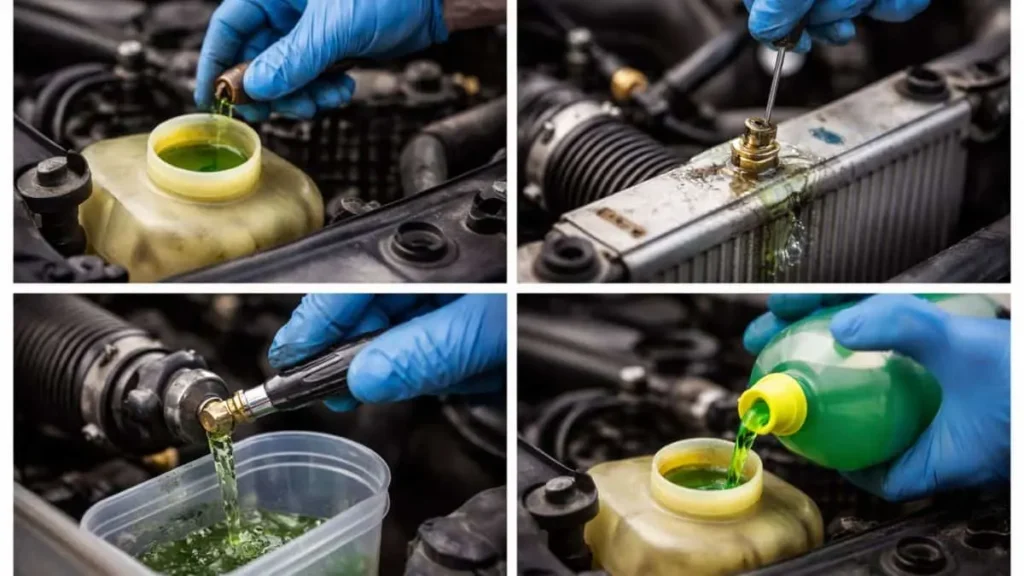
Bleeding a radiator removes trapped air to improve heating efficiency. Sometimes, water comes out instead of air. This means the radiator needs careful handling to avoid leaks and damage. Follow the step-by-step bleeding process to fix this issue safely and effectively. Each step helps keep your heating system in good condition.
Preparing The Radiator
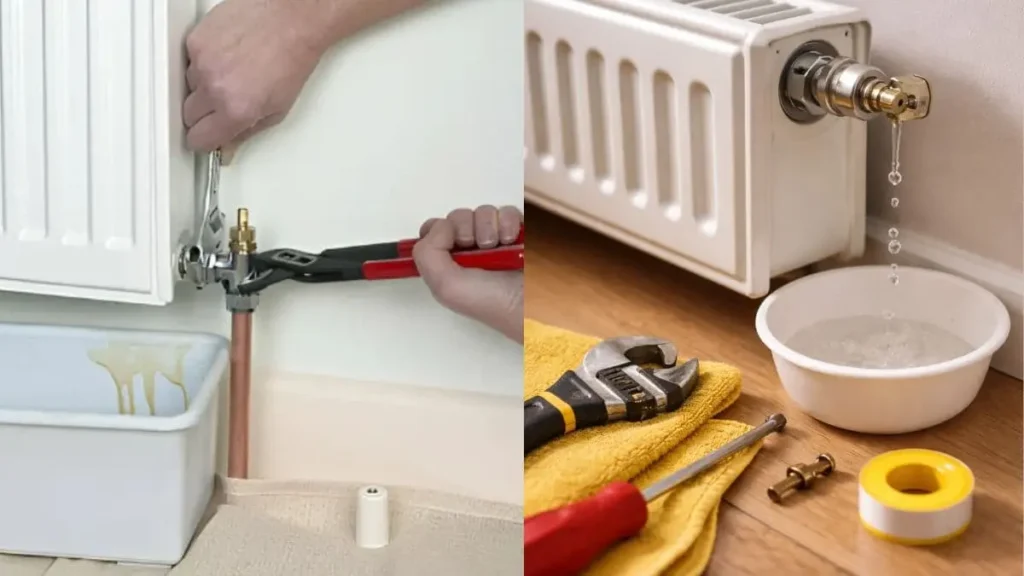
Start by turning off your heating system. This prevents hot water from spraying out and causing burns. Wait for the radiator to cool down. Cold radiators are safer to handle and prevent scalding.
Gather these tools before you begin:
- A radiator key or flat-head screwdriver
- A cloth or small container to catch water
- Protective gloves
- A towel to protect the floor
Place the towel under the bleed valve to catch any water. Keep the container ready to catch water that might escape during bleeding.
| Tool | Purpose |
| Radiator Key | Opens the bleed valve |
| Cloth or Container | Catches water leaking out |
| Gloves | Protect hands from hot water |
| Towel | Protects the floor |
Identify the bleed valve location. It is usually at the top side of the radiator. Make sure you have clear access to it. This preparation reduces the risk of spills and injury.
Bleeding Water Safely
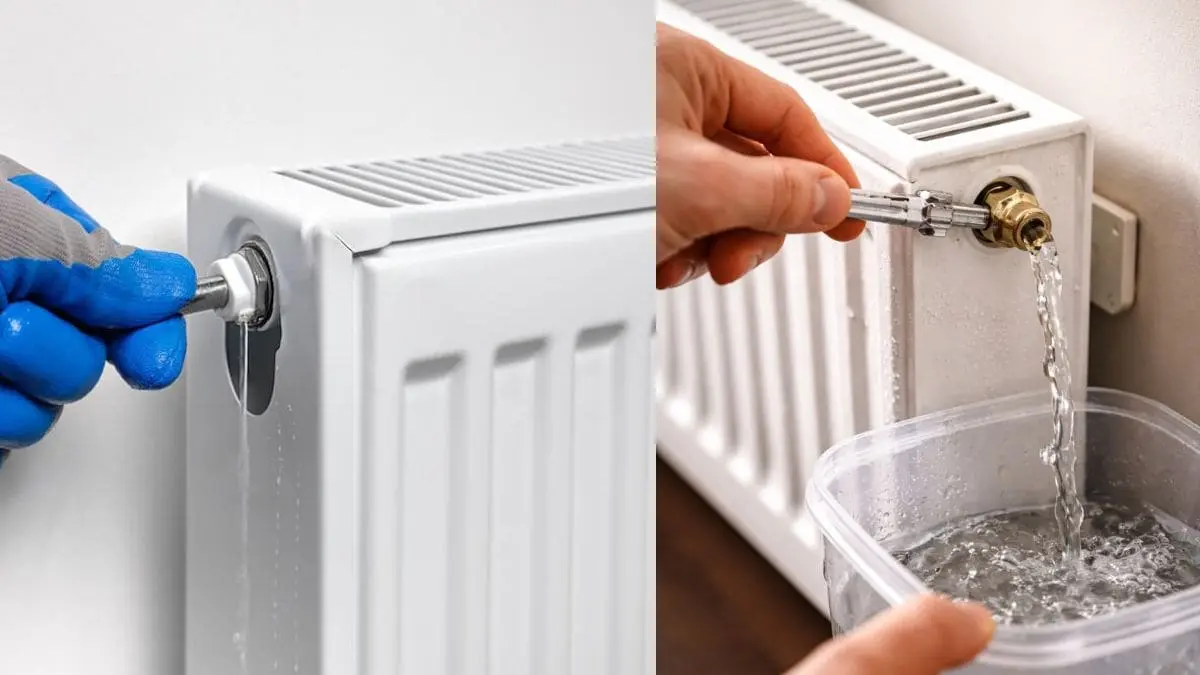
Place the container under the bleed valve. Hold the cloth ready to wipe any spills. Slowly insert the radiator key into the valve. Turn it gently counterclockwise. Do this very slowly to control water flow.
Expect water to come out first if no air is trapped. Keep turning the valve until water flows steadily without sputtering. This means all air is released.
- Turn the valve slowly to avoid sudden water spray.
- Stop turning once a steady stream of water appears.
- Close the valve by turning clockwise.
- Wipe away any water spills immediately.
Do not force the valve open. Forcing may break it or cause leaks. If water flow is too strong, close the valve and check your system pressure before trying again.
Wear gloves and protect your skin. Hot water can burn easily. Use towels to keep your floor and walls dry. Clean up spills quickly to prevent damage.
Checking System Pressure
After bleeding, check your boiler or heating system pressure gauge. Low pressure can cause poor heating and damage. The ideal pressure usually reads between 1 and 1.5 bar when cold.
Follow these steps to check and adjust pressure:
- Locate the pressure gauge on your boiler.
- Note the current pressure reading.
- If pressure is below 1 bar, you need to add water.
- Use the filling loop to slowly add water until pressure is correct.
- Close the filling loop tightly after adjustment.
Recommended: How to Bleed Radiant Floor Heating System
Maintenance Tips To Avoid Future Problems
Bleeding radiator water but no air can signal hidden issues within your heating system. Preventing future problems requires consistent maintenance. Proper care keeps your radiator working efficiently and avoids costly repairs. Focus on key maintenance steps to maintain system health and prolong its life.
Regular System Checks
Regular system checks catch problems early. Inspect your radiator and boiler monthly to ensure everything works well. Look for leaks, unusual noises, or cold spots on radiators. These signs may show hidden faults.
Follow this simple checklist for system checks:
- Check radiator valves for tightness and leaks.
- Feel radiator surfaces for cold patches.
- Listen for knocking or banging noises in pipes.
- Examine boiler pressure gauge; ideal pressure is usually 1-1.5 bar.
- Look for water leaks near the boiler or pipes.
Using Inhibitors And Cleaners
Inhibitors and cleaners protect your radiator system from damage. They stop rust, corrosion, and sludge build-up inside pipes and radiators. This helps water flow freely and keeps heat moving well.
Inhibitors work by forming a protective layer inside the system, preventing metal parts from rusting. Cleaners remove old sludge and debris that block pipes.
Steps to use inhibitors and cleaners:
- Drain the radiator system completely.
- Add a chemical cleaner to the system.
- Run the heating system for a few hours to circulate the cleaner.
- Drain the system again to remove the cleaner and sludge.
- Refill the system with water and add the inhibitor.
Conclusion
Bleeding radiator water without air can be confusing. It often means a leak or a pressure issue. Check your system carefully to find the cause. Fixing it early can save you money and trouble. Keep your heating working well and your home warm.
Simple steps can prevent bigger problems later. Stay alert and maintain your radiator regularly. This helps avoid cold spots and water loss. Taking action now keeps your heating system healthy.