

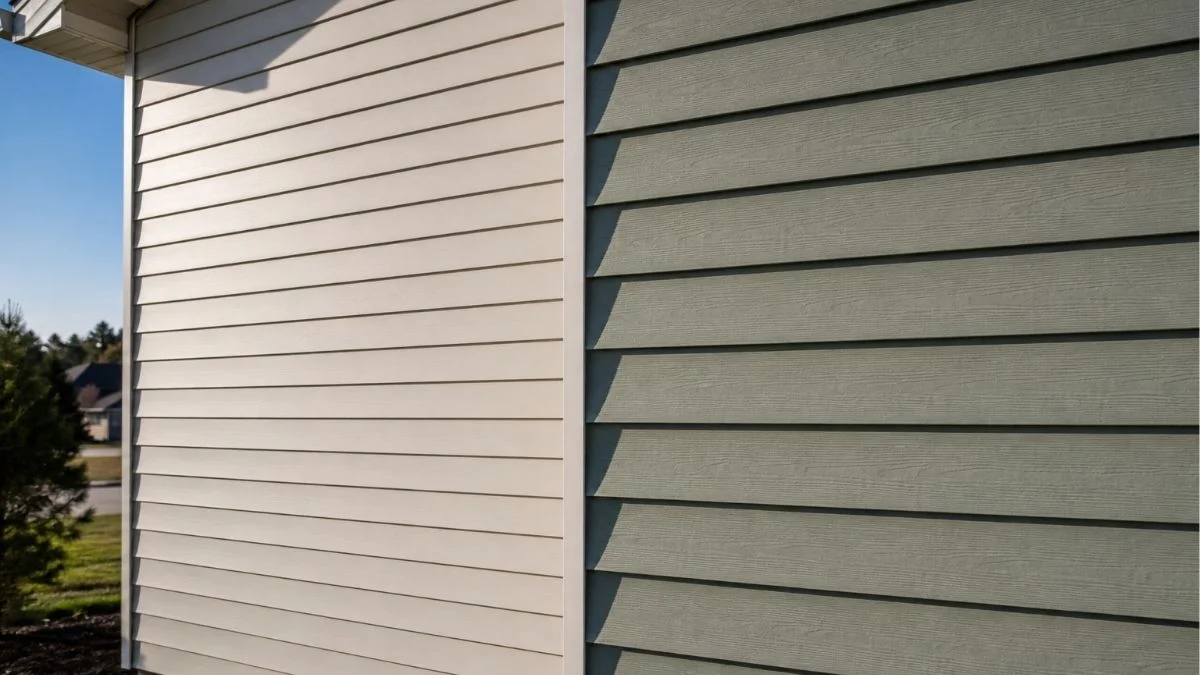
Choosing between clapboard vs dutch lap vinyl siding comes down to more than looks — the profile you pick affects shadow depth, water runoff, and how your home reads from the street.
Most first-time buyers stall at the sample board stage because both styles look similar in photos but perform and price differently once installed across a full facade.
This guide gives you a clear visual and practical framework — covering profile geometry, cost, climate performance, and installation differences — so you can make a confident purchasing decision before you buy a single panel.
Visual and Dimensional Differences
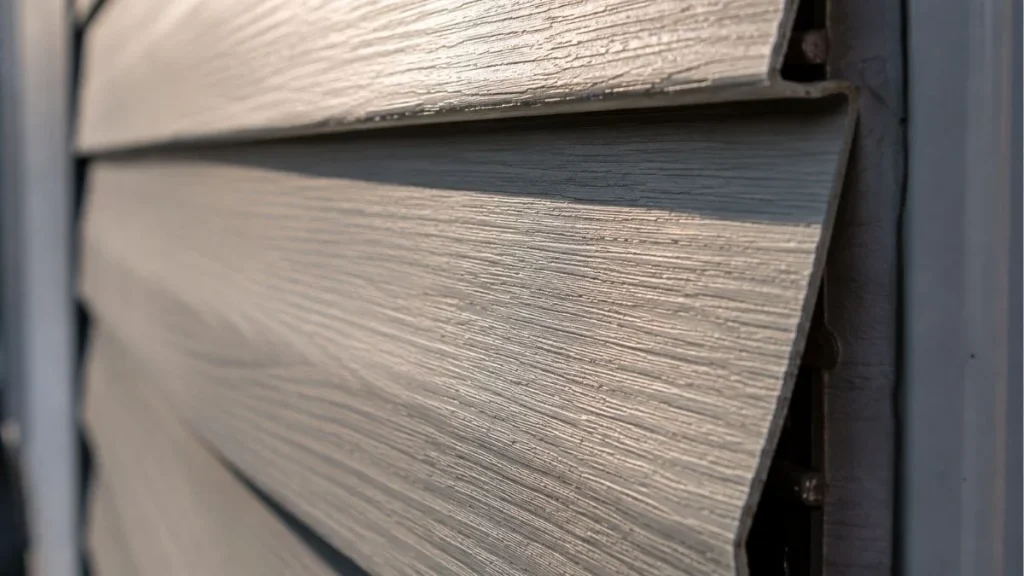
Profile Shape and Shadow Line Effect
The core difference between these two profiles is geometry. Clapboard siding — also called straight lap siding — has a flat face that tapers slightly from bottom to top, creating a minimal shadow line where boards overlap. Dutch lap siding adds a concave scoop cut into the top edge of each board, called a rabbet, which deepens the shadow line significantly and gives the facade a layered, dimensional appearance.
Board width amplifies this effect. Clapboard panels typically run 4 to 5 inches of exposed face, while Dutch lap profiles expose 6 to 7 inches. The wider board combined with the deeper shadow line means Dutch lap reads as bolder and more textured from the street, even at a distance.
Aesthetic Impact on Home Appearance
Dutch lap siding texture and shadow lines create visual movement across a facade — light shifts throughout the day and across seasons, making the exterior look more dynamic. This suits craftsman bungalows, colonial revivals, and older American farmhouse styles where lap siding depth and dimension are part of the architectural character.
Clapboard delivers a clean, streamlined look that works best on New England colonials, Cape Cods, and contemporary farmhouse builds where simplicity is the point. The flat face reads as refined and restrained rather than decorative.
Here’s the practical takeaway: if your home has flat, plain walls with few architectural details, Dutch lap adds visual interest that clapboard cannot. If your home already has strong trim work, columns, or window surrounds, clapboard’s simple streamlined look lets those details lead.
Durability, Maintenance, and Climate Suitability

Moisture and Weather Resistance
Both profiles are vinyl, so the base material resists rot, insects, and moisture absorption equally well. The difference is geometry, not chemistry. Dutch lap’s rabbeted shadow line creates a recessed channel where dirt, pollen, and moisture collect — a real concern in humid climates like the Southeast, where mold and mildew growth accelerates in shaded crevices. Clapboard’s flat face sheds water more cleanly and gives debris fewer places to accumulate.
In dry climates like the Southwest, the moisture trapping issue is largely irrelevant, and Dutch lap’s lap siding depth and dimension become a purely aesthetic choice with no meaningful performance penalty. In coastal or high-rainfall regions, clapboard’s simpler profile is the more practical exterior cladding option.
Maintenance and Long-Term Care Requirements
Cleaning Dutch lap siding requires more deliberate effort. The shadow line channel needs direct water pressure or a soft brush to clear trapped grime — a garden hose alone often misses the recessed groove. Expect to clean Dutch lap at least twice yearly in humid or heavily treed environments.
Clapboard’s flat face wipes down faster and responds well to a basic low-pressure rinse, making it the lower-maintenance choice over a 10 to 20 year ownership period.
Warranty terms are profile-neutral for most major manufacturers. CertainTeed and ProVia both offer lifetime limited warranties on their vinyl siding lines regardless of whether you choose a traditional clapboard vs modern profiles like Dutch lap. What shortens real-world lifespan is installation quality and climate exposure — not which profile you picked.
Cost, Installation, and Long-Term Value
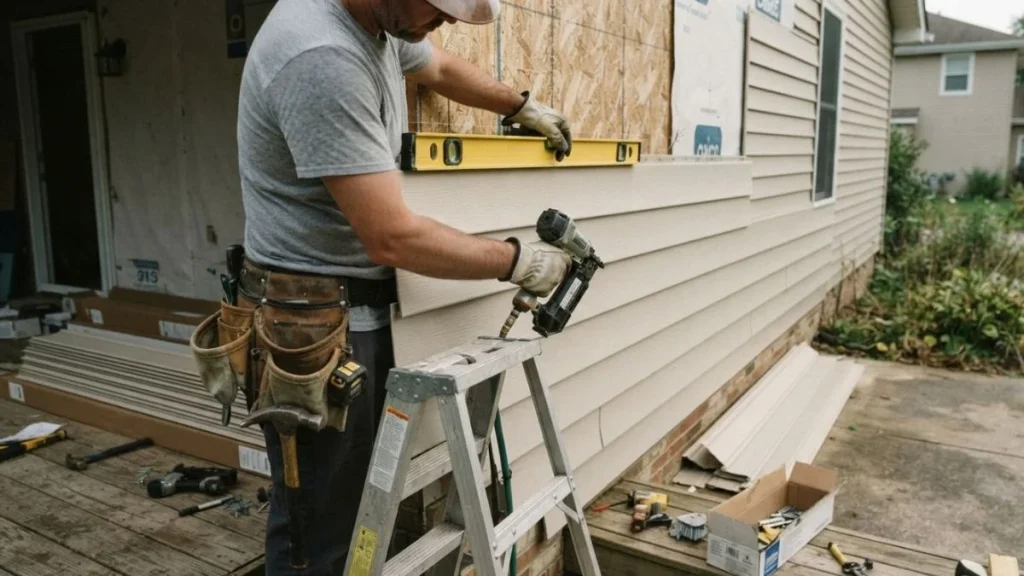
Material and Labor Cost Breakdown
Material costs between the two profiles are close but not identical. Dutch lap vinyl panels typically run $1.50 to $3.50 per square foot, while clapboard vinyl sits in the $1.00 to $3.00 range — a modest difference per panel that compounds across a full exterior. On a 1,500 square foot installation, that gap can add $750 to $1,500 in material costs alone before labor.
Dutch lap’s wider exposed face — 6 to 7 inches versus clapboard’s 4 to 5 inches — means fewer courses to install, which slightly reduces labor hours. However, the rabbeted profile requires more careful alignment to maintain consistent shadow line depth across the facade, which can offset that time savings on complex walls with multiple windows or corners.
CertainTeed’s Monogram line and ProVia’s Mastic profile both offer Dutch lap and clapboard options in comparable thickness grades, making direct price comparisons straightforward. Trulog specializes in log-look profiles and is less relevant for this specific siding profile comparison.
Curb Appeal and Resale Value Implications
Dutch lap’s pronounced shadow line effect adds perceived depth and visual interest that photographs well — a measurable advantage in competitive resale markets where listing photos drive initial buyer interest. Homes with strong dimensional appearance on the exterior consistently attract more online engagement before showings.
According to Remodeling Magazine’s Cost vs. Value report, vinyl siding replacement returns roughly 80% of project cost at resale nationwide. Profile choice matters less than material quality and installation precision, but Dutch lap’s visual interest aesthetic gives a slight edge in markets where craftsman and colonial styles dominate. Clapboard’s simple streamlined look holds its own in contemporary and minimalist neighborhoods where restraint reads as intentional design.
How to Choose: Decision Framework
No single profile wins across every situation. The right choice depends on four factors specific to your home and circumstances.
Match profile to architectural style first. Dutch lap’s lap siding depth and dimension suits homes with traditional detailing — craftsman bungalows, colonial revivals, older American foursquares. Clapboard’s simple streamlined look belongs on Cape Cods, contemporary farmhouses, and any home where clean lines are the design intent. Installing Dutch lap on a modern minimalist exterior creates visual conflict, not visual interest.
Weigh maintenance tolerance against aesthetic goals. If you live in the humid Southeast, Gulf Coast, or Pacific Northwest, Dutch lap’s shadow line effect means committing to twice-yearly cleaning to prevent mildew buildup in the recessed groove. If low maintenance is a priority, clapboard is the practical choice regardless of which profile you find more attractive.
Run a climate and budget check together. In dry climates, Dutch lap carries no moisture penalty, so the decision becomes purely aesthetic and financial. On a tight budget, clapboard’s lower material cost and faster installation give you more square footage for the same spend.
Real-world outcomes bear this out. Homeowners in coastal Georgia who installed CertainTeed Monogram Dutch lap reported cleaning the shadow line channels every spring and fall to manage pollen and mildew. A Minnesota homeowner using ProVia’s straight lap clapboard profile reported zero maintenance issues over 12 years beyond an annual rinse. Climate is the deciding variable when aesthetics and budget are otherwise equal.
Read Also: Replacing Exterior Door With Vinyl Siding
Choosing Your Siding Profile
Climate and architectural style together determine the right profile more reliably than personal preference alone. Order sample panels of both CertainTeed Monogram Dutch lap and a standard clapboard profile, hold them against your exterior wall at different times of day, and photograph the shadow line difference before committing to either. If you live in a humid climate, that test will show you exactly how much maintenance the Dutch lap shadow line adds before you’ve spent a dollar on installation.


