


Most window creaking during storms is normal frame flex, not a sign of structural failure — Andersen and Pella both engineer residential windows to flex under wind loads within strict design tolerances.
The problem is that hearing windows creak in wind at 2 a.m. during a storm feels alarming, especially when you cannot tell whether the sound means a loose seal, a failing frame, or something worse.
This guide gives you a clear, cause-by-cause breakdown so you can diagnose the noise, fix what you can, and know exactly when to call a pro.
Common Causes of Window Creaking and Popping
Window noises during wind fall into five distinct categories. Identifying which one applies to your window narrows the fix immediately.
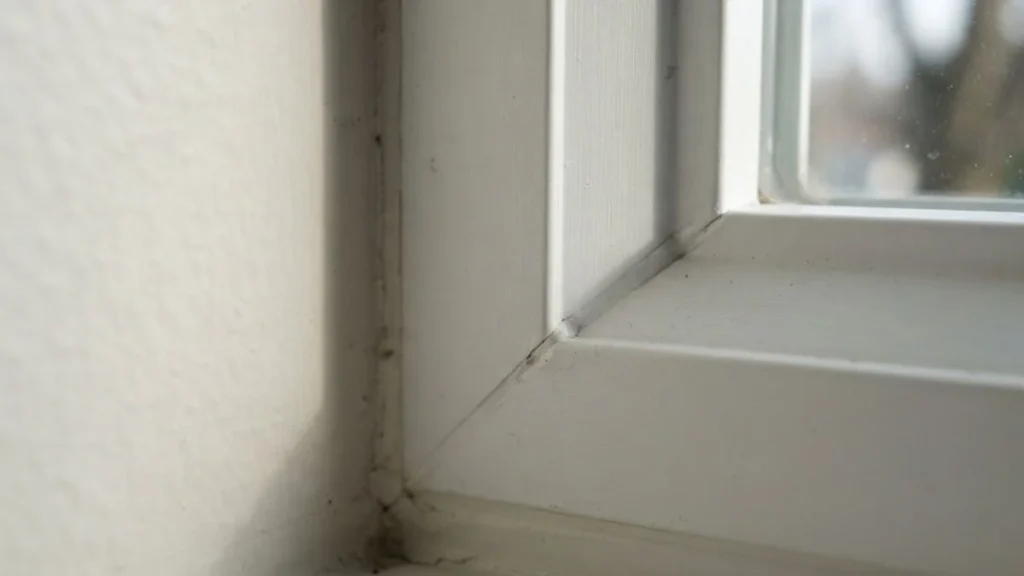
Thermal Expansion and Contraction
Vinyl frames expand and contract more than wood or fiberglass — vinyl moves roughly 3 times more per degree of temperature change than aluminum. On a cold night when warm indoor air meets a chilled frame, that window expansion and contraction cycle creates audible popping. This is the most common cause of double pane window creaking and is rarely a problem requiring repair.
Loose Fasteners and Hardware Vibration
A loose window frame in wind rattles because screws, hinges, or sash locks have worked free over time. Wind pressure amplifies any play in the hardware into a persistent creak or knock. Check mounting screws along the frame perimeter and tighten any that turn freely.
Vinyl Frame Flexing Under Pressure
Vinyl window frame flexing under strong gusts is by design — the material is intentionally flexible. The creak you hear is the frame returning to its resting position after peak pressure passes. This is normal sash movement under wind pressure, not a structural stress indicator.
Trapped Moisture and Seal Degradation
A fogged or wet appearance between glass panes signals seal degradation and trapped moisture between glass panes. This does not cause creaking directly, but a compromised seal allows air infiltration, which increases frame vibration and worsens weatherproofing failure over time.
Frame Misalignment from House Settling
Foundation movement shifts door and window frames out of square. A misaligned sash binds against the frame under wind load, producing a sharp creak rather than a soft flex sound. This cause warrants a closer look — and sometimes a professional inspection.
Noise Types and What They Reveal
The sound itself is diagnostic data. A creak, a pop, a whistle, and a rattle each point to a different root cause — and a different response.
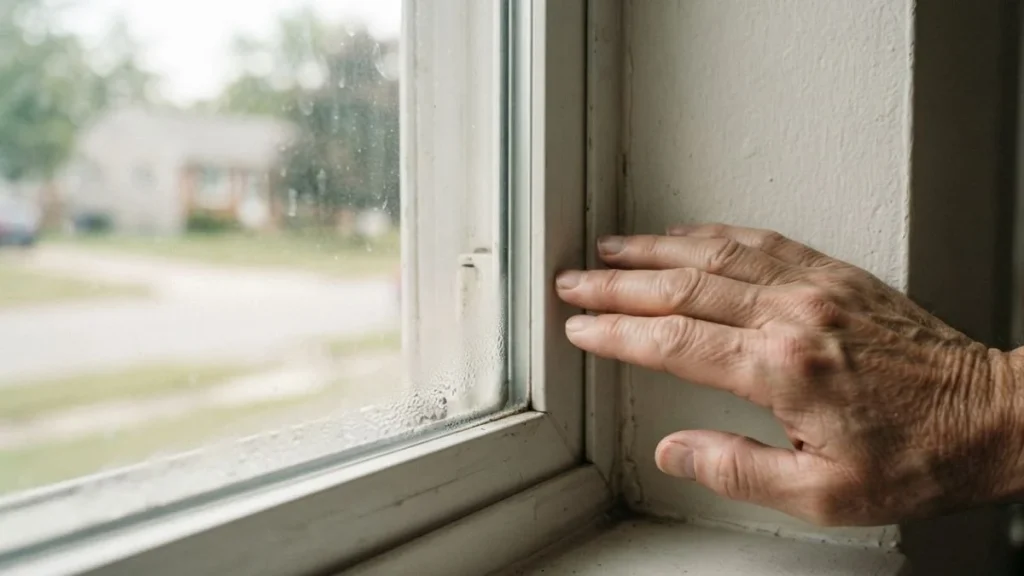
Creaking: Frame Flex in Action
A slow, low creak during gusts is almost always vinyl window frame flexing or wood expanding under pressure. This sound typically comes from the frame perimeter, not the glass. It follows the wind — louder during gusts, silent when the wind drops. No action needed unless the creaking is new and accompanied by visible frame gaps.
Popping: Thermal Stress at Work
A sharp, sudden windows popping noise in wind usually signals thermal expansion and contraction rather than structural stress. It happens most often at dawn and dusk when outdoor temperatures shift fastest. A single pop or two per hour is normal. Rapid, repeated popping from the same spot can indicate a failing seal or a frame that has shifted out of alignment.
Whistling: Air Infiltration Warning
Whistling is the clearest air infiltration sign. It means wind is passing through a gap — typically a degraded weatherstrip, a shrunken vinyl frame, or window seal damage along the sash edge. Run your hand around the frame interior on a windy day. Feeling a draft confirms the source.
Rattling: Loose Sash or Hardware
A rattle points directly to mechanical looseness. Distinguish between sash movement — the glass panel shifting inside the frame — and frame noise, which is the outer frame vibrating against the rough opening. Sash rattle usually fixes with a latch adjustment or foam tape. Frame rattle may require rescreening the mounting screws or adding exterior caulk.
How to Fix Creaking Windows

Most window noise fixes take under 30 minutes and cost less than $20 in materials. Start with the simplest interventions before considering professional help.
Lubricating Tracks and Sashes
Dry vinyl tracks amplify frame flexing under pressure into an audible creak. Apply a silicone-based spray lubricant — 3-IN-ONE Professional Silicone Lubricant works well — directly to the track channel and along the sash edges. Avoid WD-40, which attracts dust and degrades vinyl over time. For wood frames, use a dry wax lubricant like Johnson Paste Wax along the sash channel. Open and close the window several times after application to distribute the lubricant evenly.
Tightening Loose Hardware
Work through these steps in order:
- Inspect all visible screws on hinges, sash locks, and frame corners.
- Tighten any screw that turns without resistance using a Phillips or flathead screwdriver.
- For stripped screw holes, insert a wooden toothpick with wood glue, let it dry fully, then re-drive the screw.
- Test the window under the next windy conditions to confirm the rattle is gone.
Sealing Gaps and Replacing Weatherstripping
Weatherstripping failure is the leading cause of both whistling and increased sash movement under wind pressure. Replace foam or felt strips with EPDM rubber weatherstripping, which handles temperature extremes without shrinking. Apply exterior-grade silicone caulk along any visible frame-to-wall gaps to stop air infiltration and prevent further seal degradation.
When to Call a Professional
Call a licensed window installer when you observe any of these:
- Visible frame warping or a sash that no longer sits square
- Fogging between panes indicating trapped moisture and full seal failure
- Creaking that started suddenly after a storm — a potential structural stress indicator
- A frame gap wider than 3mm at any point along the rough opening
Repair typically costs $75–$300 per window. Full replacement ranges from $300–$1,200 depending on window type and size — justified when seal degradation is complete or the frame is structurally compromised.
Quick Diagnostic Checklist
Run through these questions before picking up a tool or calling a contractor. The answers narrow the cause in under five minutes.
5 Questions to Identify the Source
| Question | Answer Points To |
|---|---|
| Does the noise follow wind gusts exactly? | Normal frame flexing under pressure |
| Is the sound a sharp pop, not a creak? | Thermal expansion and contraction cycle |
| Do you feel a draft near the frame? | Air infiltration, weatherstripping failure |
| Is the glass fogged or wet between panes? | Trapped moisture, full seal degradation |
| Did the noise start after a storm or cold snap? | Frame misalignment, potential structural stress indicator |
Seasonal Pattern Tracking
Window noise follows predictable seasonal patterns. Popping sounds peak in autumn and spring when window expansion and contraction cycles are most dramatic — overnight temperature swings of 20°F or more stress vinyl frames hardest. Whistling tends to worsen in winter as weatherstripping shrinks in cold air. If your double pane window creaking appears only in summer, high humidity is likely expanding the frame rather than wind pressure driving sash movement.
Track when the noise occurs — season, time of day, and wind direction. A north-facing window that creaks only in northwest winter gusts points to a weatherproofing failure on that specific exposure, not a whole-house problem.
Humidity and Moisture Assessment
Indoor humidity above 50% accelerates seal degradation and promotes trapped moisture between glass panes. Use a basic hygrometer — the Govee or Inkbird models cost under $15 — to check indoor humidity levels. High interior moisture combined with window seal damage wind noise is a reliable signal that the insulated glass unit needs replacement, not just resealing.
You May Read Also: How to Fix Popping Vinyl Plank Flooring
Stop Worrying and Start Diagnosing
Most window creaking during wind is thermal expansion or normal frame flex — not structural failure, not a safety emergency. Tonight, run the 5-question checklist in the section above, identify your noise type, and apply the matching fix. If the noise started suddenly after a storm, the glass is fogged between panes, or you feel a draft along the frame, schedule a licensed window installer inspection within the next 30 days.