
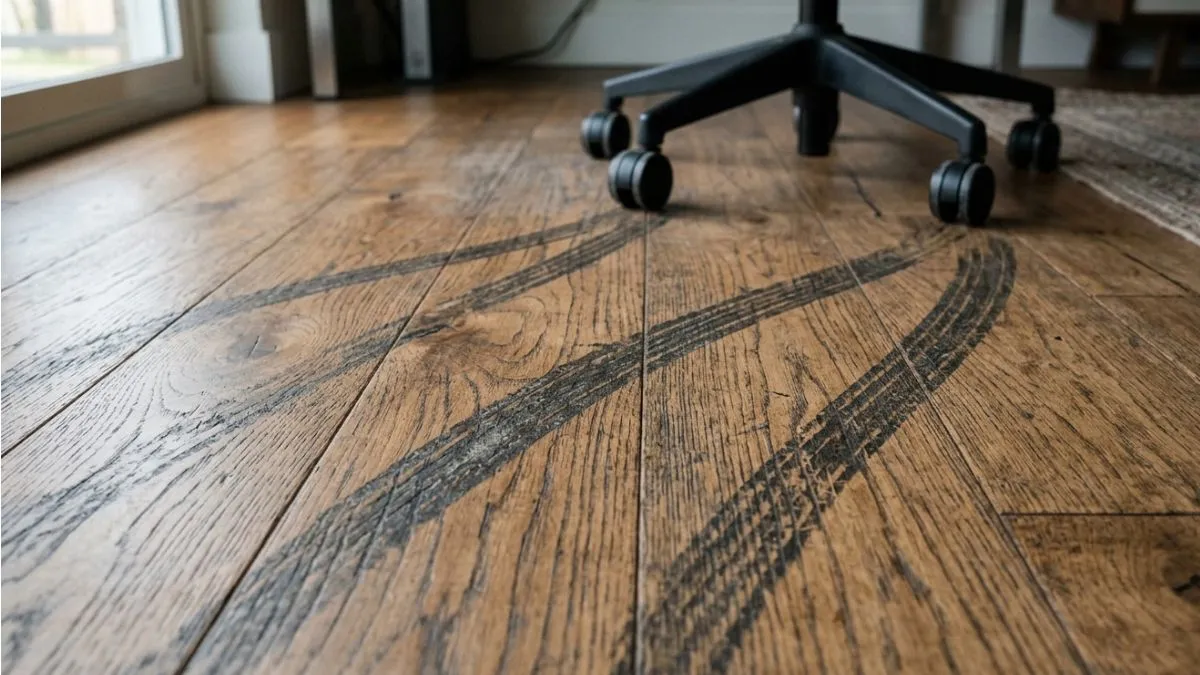
Have you noticed unsightly wheel marks ruining the beauty of your wood floor? These stubborn streaks can turn a warm, inviting space into a source of frustration.
If you want to keep your floors looking flawless, understanding how to remove and prevent these marks is key. You’ll discover simple, effective ways to tackle wheel marks and protect your wood floor for years to come. Keep reading to bring back that smooth, polished look you love.
Causes Of Wheel Marks
Wheel marks on wood floors appear as dark or scuffed lines. They happen when wheels roll over the floor surface. These marks can look bad and may damage the wood finish. Understanding the causes helps in preventing and cleaning them effectively. Wheel marks form from pressure, friction, and dirt carried by the wheels. Different wheels and situations create different types of marks. Knowing these details helps protect wood floors from damage.
Types Of Wheels That Damage Floors
Not all wheels harm wood floors equally. Some wheels cause more marks and scratches. The type of wheel material and size affects the damage level.
- Hard Plastic Wheels: These wheels are common on office chairs and carts. They create deep scratches and dark marks easily.
- Rubber Wheels: Softer than plastic but still can leave marks, especially if dirty or worn.
- Metal Wheels: Rare but very damaging. They can gouge wood and leave permanent marks.
- Polyurethane Wheels: These cause less damage and are often used to protect floors.
The following table summarizes how different wheels affect wood floors:
Wheel size and weight load also matter. Small wheels with heavy loads press harder and cause more marks. Larger wheels spread weight and reduce damage. Dirt or grit caught in wheels can scratch floors too.
Common Scenarios For Wheel Marks
Wheel marks often appear in places with rolling traffic. These common situations cause most wood floor damage:
- Office Settings: Chairs with plastic wheels roll back and forth daily. This wears down finish and leaves marks.
- Furniture Movement: Dragging sofas or tables with wheels can scratch floors.
- Shopping Areas: Carts with hard wheels leave black marks in stores or homes.
- Industrial Use: Equipment on metal or plastic wheels damages floors in warehouses.
- Home Appliances: Vacuum cleaners or portable fans on wheels can leave streaks.
Other factors make marks worse:
- Rough or dirty wheels
- High weight on small wheels
- Frequent movement over the same area
- Soft or worn wood finishes
Preventing marks involves choosing the right wheels and cleaning floors regularly. Soft wheels and floor protectors reduce damage. Regular inspection helps catch problems early before marks get deep.
Identifying Different Marks
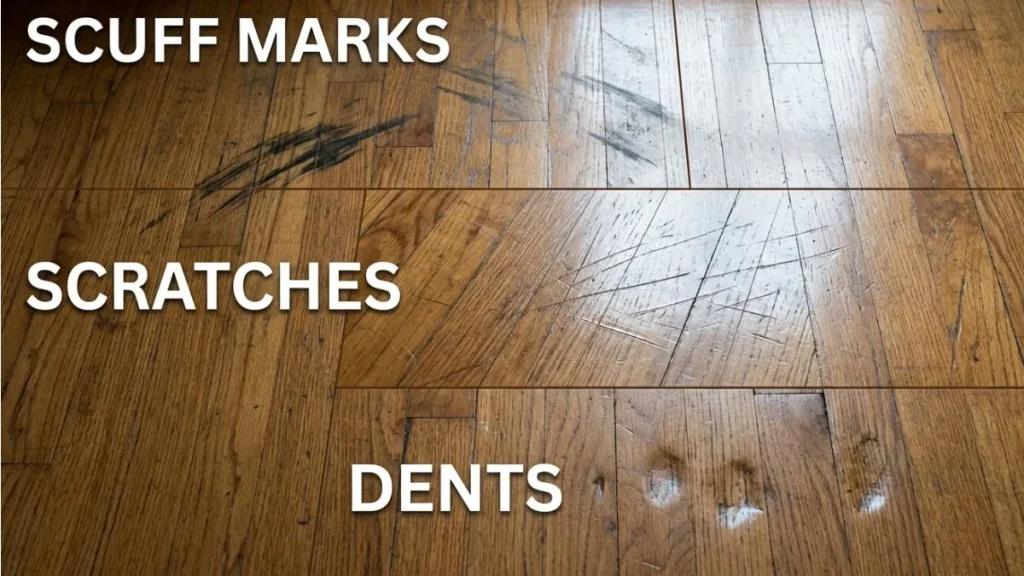
Wheel marks on wood floors can vary in appearance and damage level. Identifying different marks helps decide the right cleaning or repair method. Some marks are surface-level, while others may need deeper treatment.
Scuff Marks Vs. Deep Scratches
Scuff marks usually happen when rubber or plastic wheels rub against the floor. These marks sit on the surface and often look like black or gray streaks. They do not cut into the wood but can be stubborn to remove.
Deep scratches go beneath the wood’s surface. They are caused by sharp or rough wheels, like those on heavy furniture or sharp-edged casters. These scratches may show the lighter wood under the finish and feel rough to the touch.
- Scuff Marks: Surface-level, dark color, smooth texture.
- Deep Scratches: Cut into wood, lighter color inside, rough texture.
| Feature | Scuff Marks | Deep Scratches |
| Depth | Surface only | Below surface |
| Color | Black or gray streaks | Lighter wood color inside |
| Texture | Smooth or slightly sticky | Rough and uneven |
| Removal | Cleaning or light buffing | Requires sanding or repair |
Color And Texture Clues
Color changes and texture help identify wheel marks on wood floors. Marks made by rubber wheels often leave black or dark smudges on the floor. These marks sit on the finish and feel smooth or sticky. They usually do not change the wood’s color underneath.
Scratches and gouges show a different texture and color. The wood beneath the finish is lighter and rougher. You can often feel these marks by running a finger over the area. The surface may feel uneven or jagged.
- Dark smudges suggest rubber or plastic wheel scuffs.
- Lighter patches point to scratched or gouged wood.
- Smooth texture means marks are on the surface.
- Rough texture means wood damage.
Spotting these clues helps choose the right fix. Cleaning products work best on smooth, dark marks. Repairs or sanding are needed for rough, light scratches. Always check the mark’s feel and color before treating it.
Preventing Wheel Marks
Wheel marks on wood floors can spoil the beauty of your home or office. These marks appear from chair casters, furniture wheels, or any rolling item that moves across the surface. Preventing wheel marks helps keep floors clean and scratch-free. Taking simple steps protects your investment and maintains a fresh look for years.
Protective Floor Coverings
Using protective floor coverings is a smart way to stop wheel marks on wood floors. These coverings act as a barrier between the wheels and the floor, reducing friction and preventing damage.
Common protective floor coverings include:
- Area rugs: Placed under rolling chairs or furniture to absorb pressure and prevent marks.
- Chair mats: Clear plastic mats designed for office chairs to allow smooth movement without harming floors.
- Vinyl or rubber mats: Durable options for heavy traffic areas, offering strong protection.
Choosing the right floor covering depends on the room’s function and style. For example, an office chair mat works well in a workspace, while rugs fit better in living rooms.
Choosing The Right Wheels
The type of wheels used on furniture or equipment greatly affects the chances of wheel marks on wood floors. Wheels made from hard materials often cause more damage.
Consider these wheel types for better floor care:
- Soft rubber wheels: Provide cushioning and reduce pressure on the floor.
- Polyurethane wheels: Durable and gentle, ideal for hardwood surfaces.
- Plastic or hard nylon wheels: Should be avoided; they tend to leave marks and scratches.
Check the wheel size as well. Larger wheels distribute weight better and roll more smoothly, causing less wear.
| Wheel Material | Floor Friendliness | Durability | Cost |
| Soft Rubber | Excellent | Moderate | Moderate |
| Polyurethane | Very Good | High | Higher |
| Hard Nylon/Plastic | Poor | High | Low |
Replacing existing wheels with softer types is a cost-effective method to protect floors. Inspect wheels regularly for wear and replace them if damaged.
Proper Furniture Movement Techniques
How furniture moves across wood floors affects the chance of wheel marks. Dragging or pushing heavy items carelessly can cause scratches and scuffs.
Follow these tips for safe furniture movement:
- Lift instead of drag: Whenever possible, lift furniture to move it rather than rolling or dragging.
- Use sliders or pads: Place felt pads or sliders under legs before moving heavy pieces.
- Move slowly and smoothly: Avoid sudden stops or jerks that increase friction.
- Clear the path: Remove small objects or debris that can cause wheels to catch.
Teach family members or coworkers to follow these methods. Consistent care reduces the risk of wheel marks and prolongs floor life.
Here is a quick checklist for moving furniture safely:
- Check wheel condition
- Use floor protection
- Lift heavy items
- Move slowly
- Clear floor path
Removing Wheel Marks
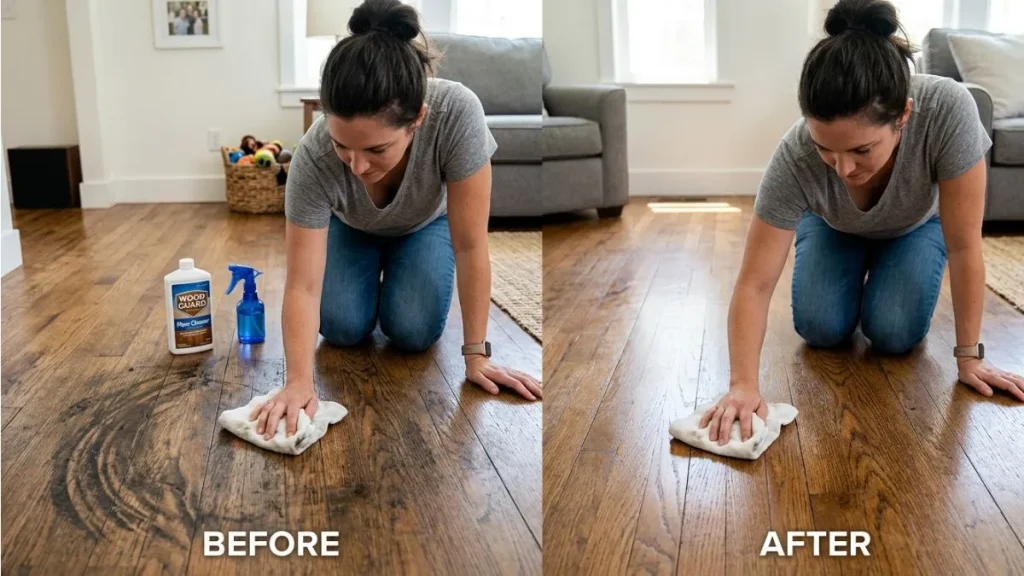
Wheel marks on wood floors can spoil the beauty of your home. These marks usually come from chair wheels, carts, or other rolling objects. Removing wheel marks quickly helps keep your floor looking fresh and clean. Some marks are easy to clean, but others need more care.
DIY Cleaning Methods
Many wheel marks can be removed with simple items found at home. Start with gentle methods to avoid harming the wood finish. Here are some easy steps:
- Use a soft cloth or sponge: Dampen it with warm water and mild soap. Gently rub the marks in a circular motion.
- Baking soda paste: Mix baking soda with water to form a paste. Apply to the marks and rub softly with a cloth.
- White vinegar solution: Combine equal parts vinegar and water. Lightly dampen a cloth and wipe the marks carefully.
- Magic eraser: Slightly wet the eraser and rub the wheel marks. Test on a hidden spot first to avoid damage.
Be patient and avoid using too much water. Wood can absorb moisture and warp. After cleaning, dry the area with a soft towel. Repeat the process if the marks do not disappear right away.
| Method | Materials Needed | How to Use |
| Soap and Water | Soft cloth, mild soap, warm water | Wipe gently in circles, dry immediately |
| Baking Soda Paste | Baking soda, water, cloth | Apply paste, rub softly, rinse, dry |
| Vinegar Solution | White vinegar, water, cloth | Wipe marks, avoid soaking, dry quickly |
| Magic Eraser | Magic eraser, water | Rub gently, test first, dry area |
Commercial Products For Removal
Some wheel marks require stronger cleaners. Choose commercial products made for wood floors to avoid damage. These products break down tough stains and marks effectively. Common options include:
- Wood floor cleaner sprays: Designed to clean and protect floors. Spray and wipe with a soft cloth.
- Gum remover or adhesive removers: Useful for sticky or stubborn marks. Follow product instructions carefully.
- Specialty wood floor cleaners: Formulated to remove scuffs and wheel marks without stripping finish.
Use commercial products as directed. Test on a small, hidden area before full use. Avoid harsh chemicals like bleach or ammonia. These can ruin the wood surface.
Keep these tips in mind:
- Read product labels for wood floor compatibility.
- Wear gloves to protect your skin.
- Ventilate the room while cleaning.
- Use soft cloths or microfiber pads with the cleaner.
- Rinse and dry the floor after cleaning.
When To Call A Professional
Some wheel marks resist all cleaning efforts. Deep scratches or stains may need expert help. Professionals have tools and products that keep floors safe. Consider calling a professional if:
- Marks cover a large area and DIY methods fail.
- Cleaning products damage the floor finish.
- Scratches or gouges appear with the marks.
- Floor has a valuable or delicate finish.
- You want a full floor restoration or refinishing.
Professionals inspect floors and choose the best treatment. They use special buffers, stains, and sealants. This restores the floor’s natural beauty and protects it long term.
Here is a quick checklist to decide:
| Condition | Recommended Action |
| Light wheel marks | DIY cleaning methods |
| Stubborn or large marks | Commercial products |
| Deep scratches or finish damage | Professional service |
Maintaining Wood Floors
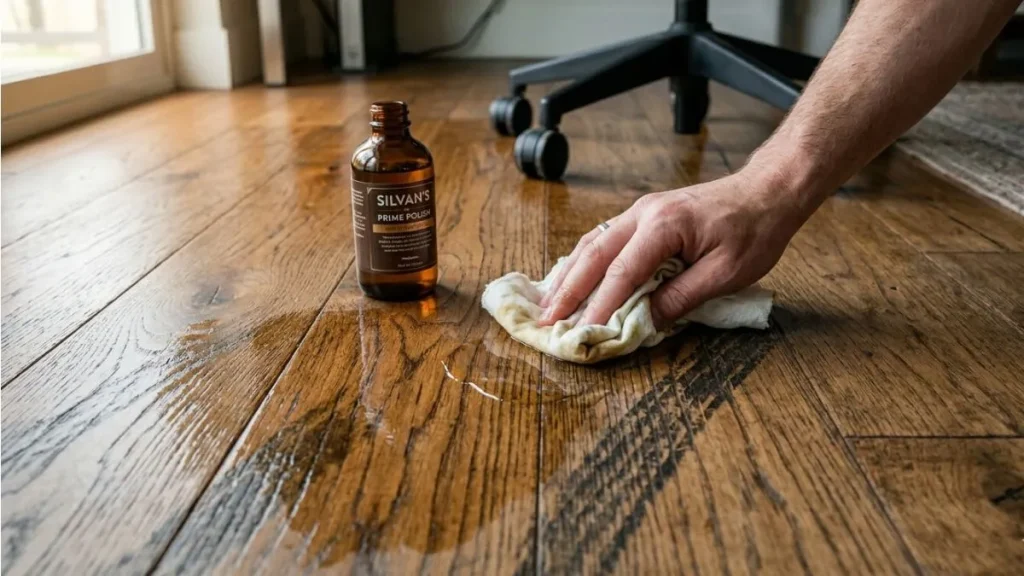
Maintaining wood floors preserves their beauty and extends their life. Wheel marks on wood floors are common, especially in homes with chairs or furniture on wheels. These marks can dull the floor’s finish and cause scratches. Proper care helps prevent damage and keeps floors looking fresh. Regular maintenance reduces the need for costly repairs or refinishing.
Regular Cleaning Tips
Cleaning wood floors regularly removes dirt, dust, and grit that cause scratches and wheel marks. Use a soft broom or vacuum with a floor-brush attachment to avoid damage. Avoid vacuums with beater bars that can scratch the surface.
- Dry mop daily to pick up fine dust and dirt.
- Damp mop weekly using a well-wrung mop and a cleaner made for wood floors.
- Wipe spills immediately to prevent stains and water damage.
- Use area rugs in high-traffic zones to protect the floor.
Use a cleaning solution that does not leave a residue. Soap-based or wax cleaners can make floors slippery and attract dirt. Avoid harsh chemicals or abrasive tools that wear down the finish. Follow the manufacturer’s instructions for all products.
| Cleaning Method | Purpose | Frequency |
| Dry Mopping | Remove dust and loose dirt | Daily |
| Damp Mopping | Clean sticky or stuck-on dirt | Weekly |
| Spot Cleaning | Handle spills or stains | As needed |
Applying Protective Finishes
Protective finishes shield wood floors from wheel marks and scratches. They create a barrier that reduces wear and tear. Choose finishes based on the floor’s wood type and usage level.
Common finishes include:
- Polyurethane: Durable and resistant to water and scratches.
- Wax: Adds shine but requires frequent reapplication.
- Oil-based finishes: Penetrate the wood, enhancing natural grain.
Applying a fresh coat of finish every few years keeps floors protected. Clean the floor thoroughly before refinishing. Lightly sand the surface to help the new finish stick. Follow product instructions carefully for best results.
Use floor protectors on furniture legs and wheels to minimize contact damage. Soft rubber or felt pads work well. Consider using caster cups under chair wheels to spread the weight.
Routine Inspection And Repairs
Inspect wood floors regularly for signs of damage or wear. Early detection prevents small issues from becoming major problems. Check for:
- Scratches and dents
- Fading or discoloration
- Loose or lifting boards
- Wheel marks and scuffs
Repair minor scratches with wood touch-up kits or colored markers. For deeper damage, sanding and refinishing may be necessary. Replace damaged boards if they cause safety concerns.
Keep a maintenance log to track repairs and refinishing dates. This helps plan future care and preserves floor value. Routine care saves money and keeps floors looking their best.
You May Read Also: How to Clean Waxed Wood Floors
Conclusion
Wheel marks on wood floors can be frustrating to see. Cleaning them quickly keeps your floor looking fresh. Use gentle methods to avoid damage. Regular care helps prevent new marks from forming. Small steps make a big difference over time.
Your wood floor will stay beautiful and strong. Keep an eye on wheel use indoors. Simple habits protect your floors every day.