
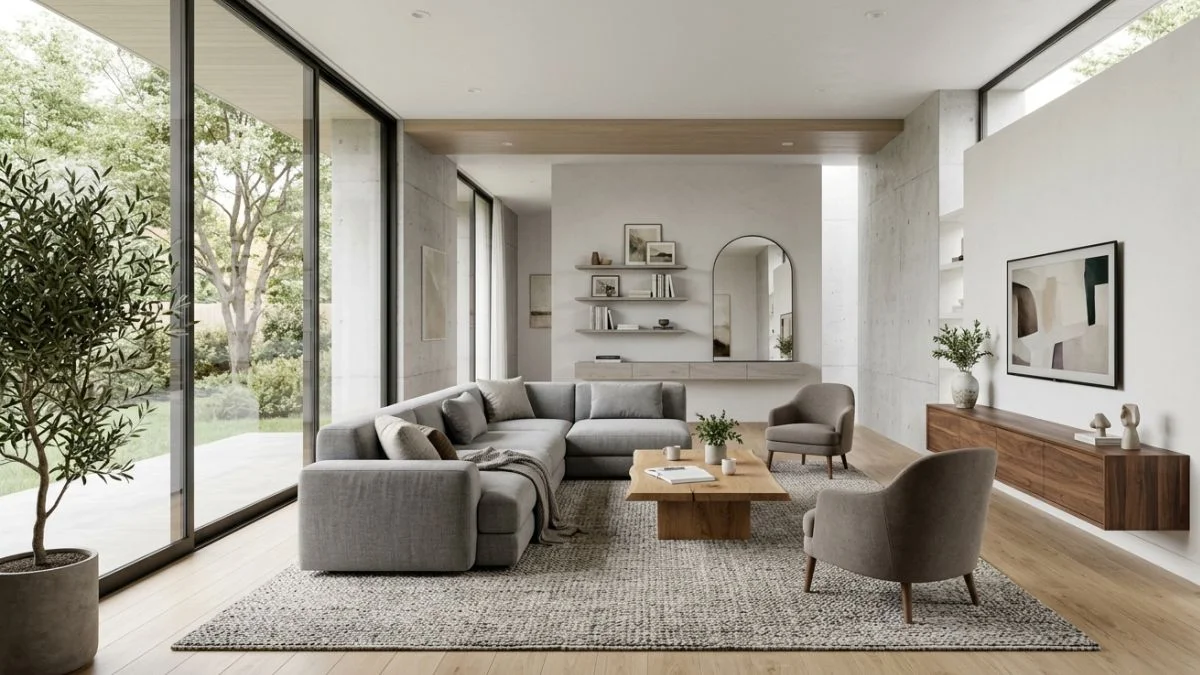
Have you ever wanted to create a stylish, open look in your living room by floating your furniture away from the walls—but hit a snag because there’s no floor outlet nearby? You’re not alone.
Power outlets often limit where you can place lamps, chargers, or entertainment devices. But don’t worry—there are clever and practical ways to arrange your furniture that keep your space looking clean and modern without sacrificing functionality. Keep reading to discover simple tricks and smart solutions that will help you float your living room furniture effortlessly, even when a floor outlet isn’t an option.
Choosing Power Solutions
Selecting the right power options helps maintain the clean lines of floating furniture while providing enough light and charging points. Safe, effective, and flexible power choices make the room comfortable without clutter.
Battery-powered Lamps
Battery-powered lamps are a simple way to add light without cords. They come in many sizes and styles, fitting any décor. These lamps run on rechargeable batteries or replaceable ones. Rechargeable lamps save money and reduce waste over time.
Benefits of battery-powered lamps:
- No need for nearby outlets
- Easy to move and adjust
- Safe with no exposed wires
- Good for small or floating furniture
Look for lamps with LED bulbs for bright light and long battery life. Some models offer dimming features or color changes. This adds mood lighting without extra devices.
Wireless Charging Options
Wireless charging offers a tidy way to power devices near floating furniture. It uses pads or stands that connect to power sources but keep cables hidden. Place phones or small gadgets on charging pads without plugs or cords showing.
Advantages of wireless charging include:
- Less clutter on tables or shelves
- Easy device placement and removal
- Works with many smartphone models
- Can be integrated into furniture surfaces
Some wireless chargers support multiple devices at once. Others have fast charging modes for quicker power-ups.
Using Extension Cords Safely
Extension cords help reach distant outlets but require caution. Proper use prevents accidents and keeps your floating furniture safe. Choose cords that match the power needs of your devices and lamps.
Safety tips for extension cords:
- Use heavy-duty cords rated for your devices’ wattage.
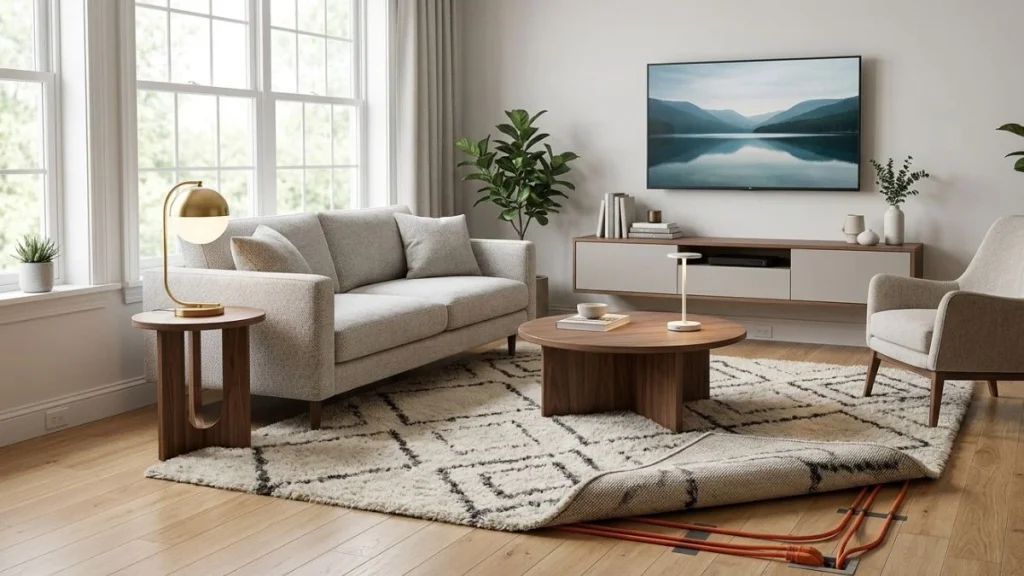
- Avoid running cords under rugs to prevent overheating.
- Keep cords away from high-traffic areas to stop tripping hazards.
- Check cords regularly for damage or fraying.
- Use cord covers or clips to secure and hide cables.
Consider power strips with built-in surge protection for multiple devices. Do not overload outlets or daisy-chain multiple extension cords. This can cause fires.
Incorporating Floor Outlets Alternatives
Floating living room furniture creates an open, airy space that looks modern and inviting. Without floor outlets, powering lamps, chargers, or other devices can be tricky. Incorporating floor outlet alternatives solves this problem. These options keep your room tidy and functional without ugly cords running across the floor. Explore practical ways to add power access near your furniture for a clean, stylish look.
Installing Wall Outlets
Wall outlets offer a neat solution to power needs when floor outlets are missing. Placing outlets on walls near your furniture keeps cords hidden and accessible. This method works best when walls are close to where you want to float furniture.
Benefits of installing wall outlets:
- Keeps cords off the floor for safety and style
- Supports multiple devices with convenient access
- Allows furniture to remain flexible in layout
Utilizing Cord Covers
Cord covers hide and protect electrical cords running along walls or floors. This method works well when extending power from existing outlets to furniture placed away from walls.
Reasons to use cord covers:
- Prevents tripping hazards by securing cords in place
- Improves room appearance by hiding unsightly cables
- Protects cords from damage and wear
Types of cord covers include:
- Raceways: Plastic or metal channels mounted along baseboards or walls
- Floor Cord Covers: Flat strips placed on the floor, often with non-slip backing
- Decorative Covers: Designed to blend with décor or painted to match walls
Employing Power Strips Strategically
Power strips expand the number of available outlets from a single wall socket. They allow multiple devices near your floating furniture without extra wiring.
Key advantages of power strips:
- Offers multiple plugs in one compact unit
- Some include USB ports for charging mobile devices
- Many feature surge protection to safeguard electronics
Place power strips carefully to keep cords out of sight and avoid clutter. Consider these placement ideas:
- Attach to the back or underside of furniture with mounting brackets
- Hide inside a decorative basket or box with ventilation
- Use strips with long cords to reach wall outlets easily
Arranging Furniture For Floating Effect
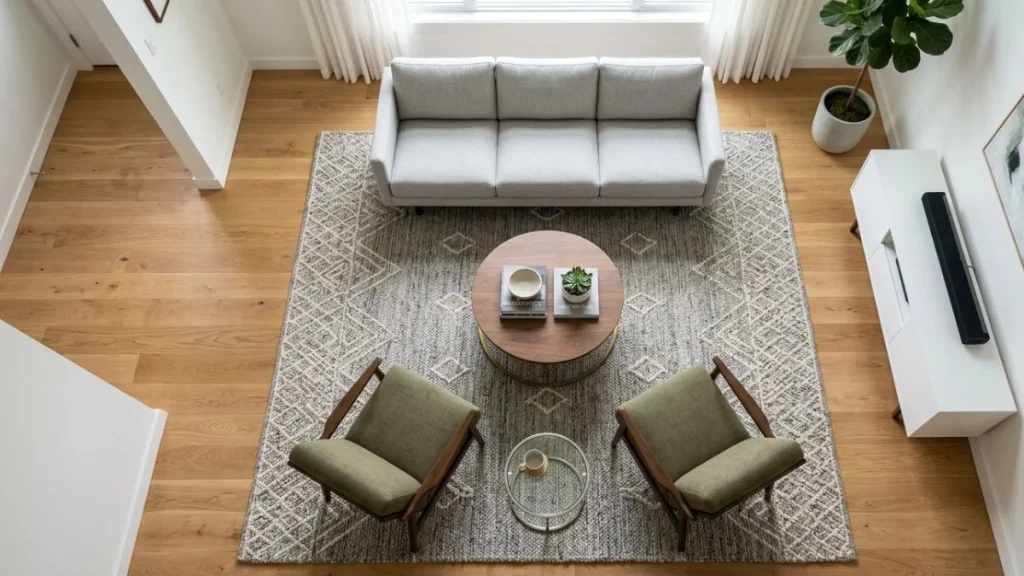
Arranging furniture for a floating effect in a living room without a floor outlet requires thoughtful planning. Floating furniture means placing pieces away from the walls, creating an open, airy space. This style improves room flow and adds a modern touch. It also helps solve the problem of limited floor outlets by allowing flexible furniture placement. Proper arrangement enhances comfort and makes the room feel larger and more inviting.
Selecting Suitable Furniture Pieces
Choosing the right furniture is key to achieving the floating effect. Lightweight and compact pieces work best because they are easy to move and arrange. Avoid bulky or heavy furniture that clutters the space or feels stuck to the walls.
- Sofas and Chairs: Pick sofas with slim arms and legs. Armless chairs can also save visual space.
- Tables: Use smaller coffee tables or nesting tables that fit well between floating seating.
- Storage: Choose open shelving or low-profile cabinets that do not block sight lines.
Consider furniture height and scale. Furniture that is too tall or too large can disrupt the balance and make the room feel cramped. Below is a simple table to compare ideal furniture types for floating arrangements:
| Furniture Type | Best Features | Why It Works |
| Sofa | Legs visible, light frame | Creates a floating look and easy to move |
| Armchair | Compact, armless or slim arms | Keeps space open and accessible |
| Coffee Table | Small, clear or glass top | Does not block view or crowd space |
| Storage | Low height, open design | Maintains openness and functionality |
Positioning Away From Walls
Floating furniture requires placing items away from walls. Leave at least 12-18 inches between furniture and walls for a true floating effect. This space allows light to flow and makes the room feel bigger. It also prevents the room from feeling boxed in.
Arrange seating in groupings. For example, position sofas and chairs facing each other or around a central table. This creates a cozy conversation area in the middle of the room instead of against walls.
- Measure the room carefully to allow walking space around furniture.
- Use rugs to anchor floating furniture and define the area visually.
- Keep pathways clear for easy movement.
Use this checklist to guide furniture placement:
- Maintain 12-18 inches gap from walls.
- Group seating to face inward.
- Center furniture on area rugs.
- Leave at least 24 inches for walkways.
- Balance the room by spacing furniture evenly.
Floating furniture feels lighter and more inviting. It opens the room and creates a balanced, functional space.
Creating Functional Zones
Floating furniture helps create clear zones in a living room. Functional zones improve use and flow. These zones separate different activities like relaxing, reading, or playing games.
Define zones by grouping furniture based on purpose. For example, a seating area with a sofa and chairs forms a conversation zone. A corner with a small table and chair can become a reading nook.
- Living Area: Sofa, chairs, and coffee table grouped centrally.
- Reading Nook: Armchair and floor lamp in a quiet corner.
- Entertainment Zone: TV stand and seating arranged for viewing.
Use rugs and lighting to mark these zones visually. Rugs help ground groups of furniture and create a cozy feel. Floor lamps or table lamps add light and highlight specific areas.
Here is a simple example of how zones can be arranged in a floating layout:
| Zone | Furniture | Purpose |
| Conversation | Sofa, 2 chairs, coffee table | Socializing and relaxing |
| Reading | Armchair, floor lamp, side table | Quiet reading space |
| Entertainment | TV stand, sofa, media storage | Watching TV or movies |
Clear zones keep the room organized and functional. Floating furniture supports this by allowing flexible layouts and easy adjustments.
Lighting Solutions Without Floor Outlets
Floating living room furniture creates a clean, modern look by moving pieces away from walls. This design style often means no floor outlets nearby. Lighting solutions without floor outlets become essential to keep your room bright and cozy. You can use wall-mounted or portable lighting options that don’t need floor power sources. These options provide flexibility and style, letting you arrange furniture freely without worrying about cords.
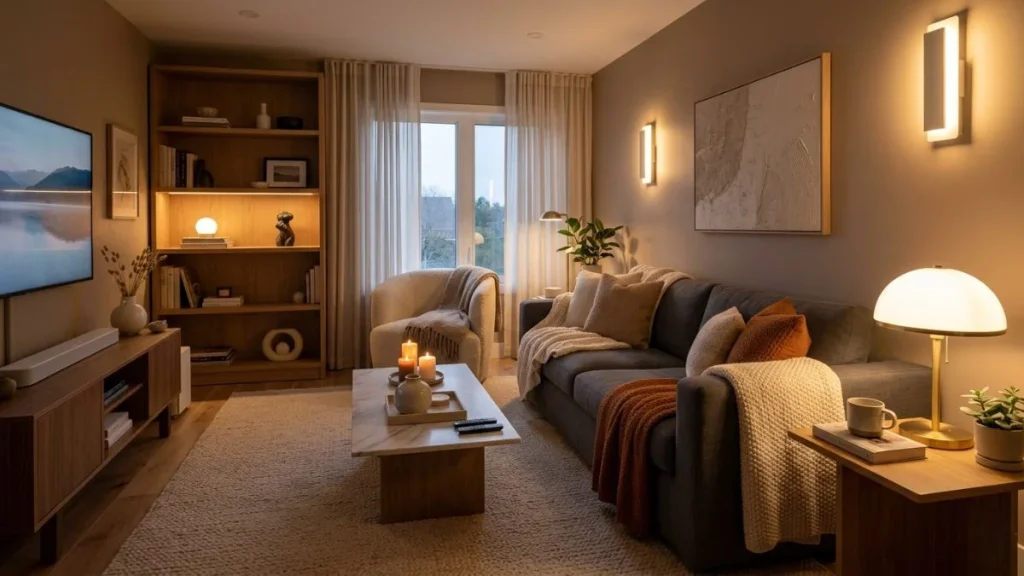
Plug-in Wall Sconces
Plug-in wall sconces offer an easy way to add light without floor outlets. They mount on walls and plug into regular wall sockets, which are more common than floor outlets. These sconces come with long cords that you can hide behind furniture or along baseboards.
Benefits of plug-in wall sconces:
- Simple installation without electrical work
- Various designs to match your decor
- Adjustable brightness with dimmers
- Freely place furniture away from outlets
You can find plug-in sconces with features like:
| Feature | Description |
| Adjustable Arms | Move light direction for reading or ambiance |
| Built-in Dimmer | Control light intensity easily |
| USB Charging Ports | Charge devices without extra outlets |
Use plug-in wall sconces to create layered lighting. Position them near seating or art to highlight spaces. The cords can run discreetly along walls, keeping the look tidy and elegant.
Rechargeable Lamps
Rechargeable lamps are portable lighting solutions that need no cords at all. Charge them during the day, then move them anywhere in the room at night. These lamps come in many styles, including table, floor, and lantern types.
Advantages of rechargeable lamps include:
- Wireless and cordless for easy placement
- Battery life lasting several hours
- Lightweight and easy to move
- Safe around children and pets
Many rechargeable lamps feature:
- Multiple brightness settings: Adjust light to fit mood or task.
- Color temperature control: Choose warm or cool light.
- USB charging: Charge from power banks or wall adapters.
Rechargeable lamps fit perfectly with floating furniture because you do not need to place them near walls. Use them on side tables or shelves. They add soft light and help create cozy corners without cluttering your floor.
Smart Lighting Systems
Smart lighting systems bring control and convenience without needing floor outlets. These systems often use Wi-Fi or Bluetooth and can be installed as ceiling, wall, or table lights. You control them with apps, voice commands, or remote controls.
Key benefits of smart lighting:
- Remote control from anywhere in the room or house
- Customizable colors and brightness levels
- Scheduling lights to turn on/off automatically
- Integration with other smart home devices
Here is a quick comparison of smart lighting features:
| Feature | Benefit | Example Use |
| Voice Control | Hands-free operation | Turn lights on/off while seated |
| Color Changing | Create mood with colors | Relax with warm tones or party with bright colors |
| Scheduling | Automate lighting | Lights turn on at dusk automatically |
Smart bulbs and fixtures can be installed in wall sconces or ceiling lights away from floor outlets. This lets you keep your living room furniture floating while still enjoying modern lighting control and effects.
Cable Management Techniques
Floating living room furniture creates a clean, modern look but often leaves the challenge of managing cables without floor outlets. Proper cable management techniques keep your space tidy and safe. They prevent tripping hazards and maintain the sleek style of floating furniture.
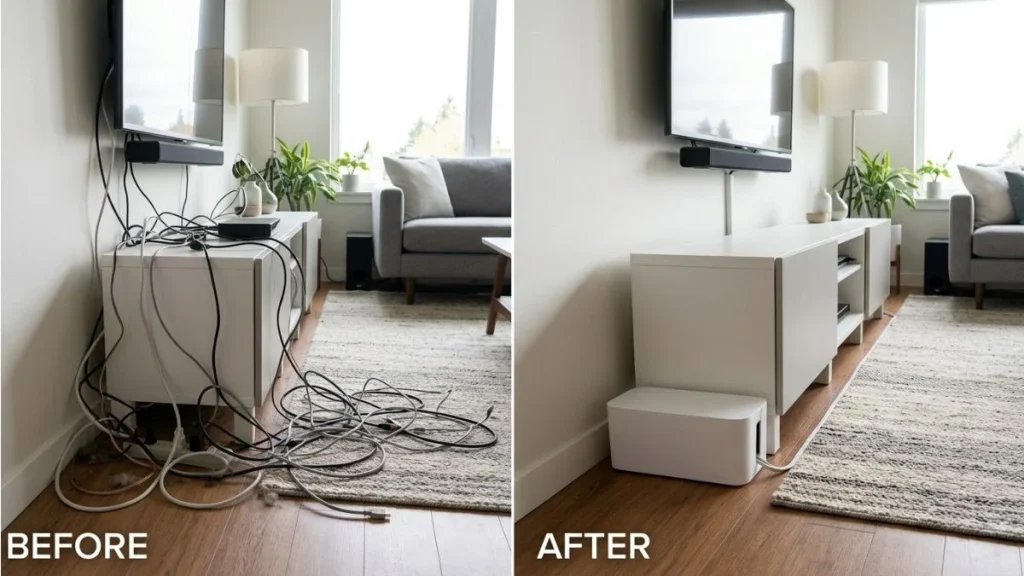
Concealing Cords With Rugs
Rugs serve as an easy and stylish way to hide cables running across your floor. Choose a rug that covers the area where cords travel from your wall or outlet to your furniture.
- Select a thick rug: A dense rug hides cords better and prevents them from moving.
- Use rug pads: Place a non-slip pad under the rug to keep it steady and protect cables.
- Choose patterns wisely: Patterns and darker colors help hide slight bumps or bulges caused by cords underneath.
- Run cords under the rug edges: This keeps wires out of sight and reduces tripping risk.
Using Cord Clips And Channels
Cord clips and channels provide a neat way to guide cables along walls or furniture legs. These tools keep wires organized and prevent tangling.
- Cord clips: Small adhesive clips secure cables to surfaces without drilling.
- Cord channels: Plastic or metal covers hide multiple cables and protect them from damage.
- Flexible cable sleeves: Bundle several cords in one sleek sleeve for a clean look.
Follow these steps to install cord management tools:
- Clean the surface where clips or channels will attach.
- Measure and cut cords or channels to fit the desired length.
- Secure clips or mount channels along the route of the cables.
- Insert cords and press firmly to hold them in place.
Using cord clips and channels allows you to run cables vertically or horizontally with minimal visibility. They are especially useful when cables must stretch across open spaces.
Hiding Wires Behind Furniture
Placing wires behind floating furniture reduces their visibility and keeps the floor clear. This method works well for power cords, HDMI cables, and audio wires.
Steps for hiding wires effectively:
- Measure cable length: Ensure cables reach outlets without tension.
- Use cable ties: Bundle excess wire to avoid tangles.
- Run cables along furniture edges: Use adhesive-backed clips to secure cords behind furniture.
- Install cable raceways: Attach slim plastic channels behind furniture to conceal multiple wires.
Furniture with a hollow back or built-in cable management features simplifies hiding wires.
Consider this checklist for wire hiding:
| Task | Tip |
| Check cable slack | Leave some slack to avoid strain |
| Secure cables | Use ties or clips to keep them bundled |
| Choose proper raceways | Select slim, paintable options for blending |
Safety note: Avoid pinching or sharply bending cables behind furniture to prevent damage.
Read Also: Living Room Remodel Cost
Conclusion
Floating living room furniture without a floor outlet is simple and stylish. Use creative solutions like power strips, extension cords, or wireless chargers. These ideas keep your space neat and safe. You can enjoy a clean look without losing power access.
Try different options to find what fits your room best. Small changes make a big difference in your home’s feel. Keep your furniture flexible and your space open. Give your living room a fresh, modern touch today.