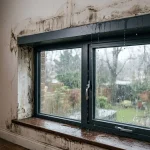


Have you ever noticed water pooling around the floor vents in your mobile home? This can be more than just a small annoyance—it might be a sign of a bigger problem that could damage your floors and affect your home’s comfort.
If you’ve found water in your floor vents, you probably want to know why it’s happening and how to fix it fast. You’ll discover the common causes behind this issue and simple steps you can take to protect your mobile home.
Causes Of Water In Floor Vents
Water in floor vents of a mobile home signals moisture problems that need attention. Moisture can damage floors, walls, and air quality. Several factors lead to water buildup, from condensation to leaks and installation errors.
Condensation Issues
Condensation forms when warm, moist air meets a cold surface. In mobile homes, floor vents often have metal ducts that get cold, especially in winter. Warm indoor air hits these cold ducts, causing water droplets to form inside the vents.
Common reasons for condensation include:
- High indoor humidity from cooking, bathing, or drying clothes.
- Poor ventilation that traps moisture inside the home.
- Cold outdoor temperatures making ducts colder than indoor air.
Condensation can cause mold growth, wood rot, and damage to vent covers. It often appears as small puddles or dampness near vents.
Leaking Ductwork
Leaky ducts allow water to enter the ventilation system. Holes, gaps, or disconnected sections let rainwater or ground moisture seep inside. This water travels through ducts and collects in floor vents.
Signs of leaking ductwork include:
- Wet spots or puddles near vents.
- Musty odors from damp ducts.
- Reduced airflow and heating or cooling efficiency.
Common causes of leaks:
- Age-related wear and tear.
- Poor duct sealing during installation.
- Damage from pests or shifting mobile home structure.
Regular duct inspection and sealing prevent leaks. Using metal tape or mastic sealant helps keep ducts airtight and dry.
Roof And Window Leaks
Water entering through roof or window leaks can travel down walls and floors. This moisture may reach floor vents, causing water to pool inside them.
Leak sources include:
- Damaged or missing roof shingles.
- Cracked window seals or frames.
- Improper flashing around roof edges or windows.
Signs of roof and window leaks near vents:
- Water stains on ceilings or walls close to vents.
- Dripping sounds during rain.
- Damp or warped floorboards near vents.
Fixing leaks quickly prevents water damage inside vents and the home structure.
Improper Vent Installation
Incorrect installation of floor vents and ducts often causes water problems. Vents placed too low or without proper slope allow water to sit and gather.
Installation mistakes include:
- Vents installed below ground level or outside grade.
- Lack of drainage or drip pans under vents.
- Improper sealing around vent edges.
These errors let water enter or stay trapped in vents. Over time, trapped water damages vent covers and subfloor materials.
Risks Of Water Accumulation
Water in floor vents of a mobile home creates serious risks. These vents help with air flow, but water inside them causes many problems. Water accumulation can harm your home’s structure, health, and comfort. Ignoring water buildup leads to bigger issues over time.
Mold And Mildew Growth
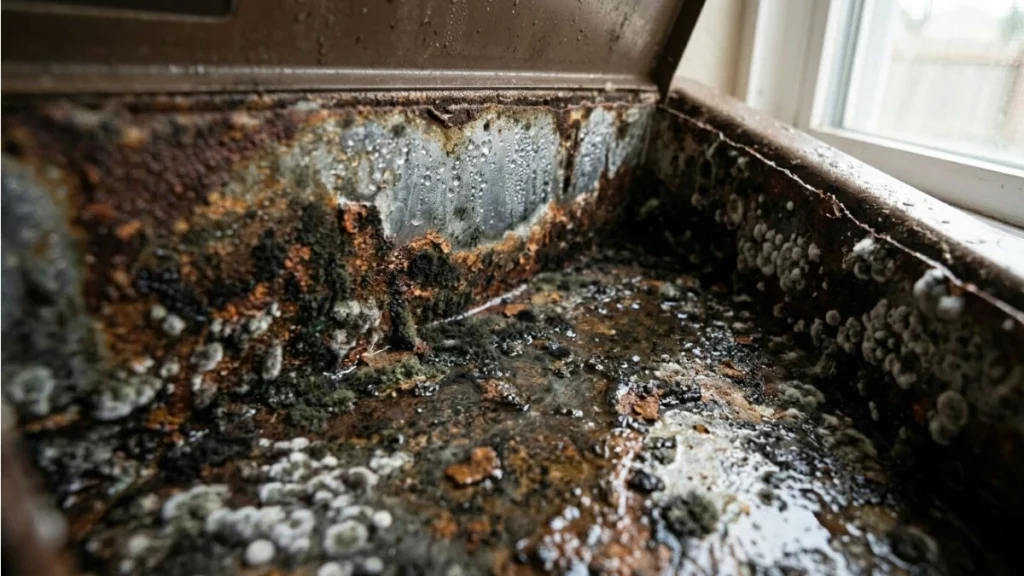
Water in floor vents creates a perfect place for mold and mildew to grow. These fungi thrive in damp, dark areas. Once they start growing, they spread quickly inside vents and nearby surfaces. Mold can cause bad smells and stains on floors and walls.
Mold and mildew bring health risks too:
- Allergic reactions like sneezing and itchy eyes
- Respiratory problems such as coughing and wheezing
- Increased asthma symptoms in sensitive people
Cleaning mold is tough. It often requires professional help. Stopping water from entering vents is the best way to prevent mold. Check vents regularly for leaks or standing water. Use dehumidifiers to reduce moisture in the air. Fix any plumbing or roof leaks quickly.
Structural Damage
Water inside floor vents can cause serious structural damage to a mobile home. Water can soak into wooden floor joists, subflooring, and walls around vents. Over time, this causes wood to weaken and rot. Rotten wood loses strength and can lead to sagging floors or even collapse.
Other damage includes:
- Rusting of metal vent parts and fasteners
- Warping or buckling of flooring materials
- Damage to insulation, reducing energy efficiency
Structural damage is expensive and dangerous. Early signs to watch for:
- Soft or spongy spots near vents
- Visible water stains on floors or walls
- Unusual odors or musty smells
Fixing leaks and drying out vents quickly prevents damage. Use a moisture meter to check hidden areas. Replace damaged wood and metal parts to keep the home safe.
Poor Indoor Air Quality
Water in floor vents leads to poor indoor air quality. Damp vents encourage mold spores and dust mites to multiply. These particles enter the air you breathe, causing health problems.
Common issues from poor air quality include:
- Allergic reactions and eye irritation
- Frequent headaches and fatigue
- Worsening asthma and lung conditions
Blocked or wet vents reduce airflow, making heating and cooling less effective. This causes uneven temperatures and higher energy bills. Regular vent cleaning and moisture control improve air quality and comfort.
Detecting Water In Floor Vents
Detecting water in floor vents of a mobile home is important for maintaining a safe and dry living space. Water can enter vents through leaks, condensation, or plumbing issues. Early detection helps prevent mold, wood rot, and damage to your heating and cooling system. Knowing how to spot water issues in floor vents can save money and keep your home healthy.

Visual Inspection Tips
Start by looking closely at the floor vents for any visible signs of water. Remove the vent cover carefully and check inside the duct. Water may pool or drip inside the vent, especially after rain or high humidity.
- Check for discoloration: Look for dark spots or stains around the vent opening.
- Look for rust or corrosion: Metal vent covers or ducts may show rust if exposed to moisture.
- Inspect the floor around the vent: Water stains or warping on the floor can indicate leaks.
- Smell for musty odors: Damp areas often have a distinct, moldy smell.
Use a flashlight to see inside the vent deeper. Shine the light to spot any water or moisture buildup. Keep an eye out for any debris or dirt clumps that stick together, which might mean wetness.
Signs Of Moisture Damage
Water in floor vents can cause visible damage around and under your vents. Watch for these common signs of moisture damage:
| Sign | Description | What to Do |
| Warped Flooring | Floorboards bend or bubble near the vent. | Check for leaks and dry the area immediately. |
| Peeling Paint | Paint near vents flakes or bubbles. | Inspect for moisture source and repair. |
| Mold or Mildew | Black, green, or white spots on surfaces. | Clean with mold remover and fix water entry points. |
| Rust on Vents | Orange or brown rust spots on metal vents. | Replace rusty parts and prevent future moisture. |
Early signs may be small. Check regularly to catch problems before they grow. Moisture damage can weaken the floor structure and harm indoor air quality.
Using Moisture Meters
Moisture meters are tools that measure water content in materials. They help detect hidden moisture inside floor vents and surrounding areas. Two main types exist: pin and pinless meters.
- Pin Moisture Meters: These use metal probes inserted into the material. They give accurate readings of moisture percentage.
- Pinless Moisture Meters: These use sensors on the surface. They scan for moisture without damage.
Follow these steps to use a moisture meter effectively:
- Turn off heating or cooling system.
- Remove the vent cover carefully.
- Place the meter probes or sensors on the duct material and nearby floor.
- Take multiple readings in different spots.
- Compare readings to normal moisture levels (usually below 15%).
High moisture readings confirm water presence. Use this data to target repairs and monitor progress after fixing leaks. Moisture meters provide objective proof of water issues that may not be visible.
Fixing Water Problems In Vents
Water in floor vents of a mobile home causes many problems. It can lead to mold growth, bad smells, and damage to the heating and cooling system. Fixing water problems in vents is important to keep your home safe and comfortable. Taking the right steps stops water from entering and protects the ducts from damage.
Sealing And Insulating Ducts
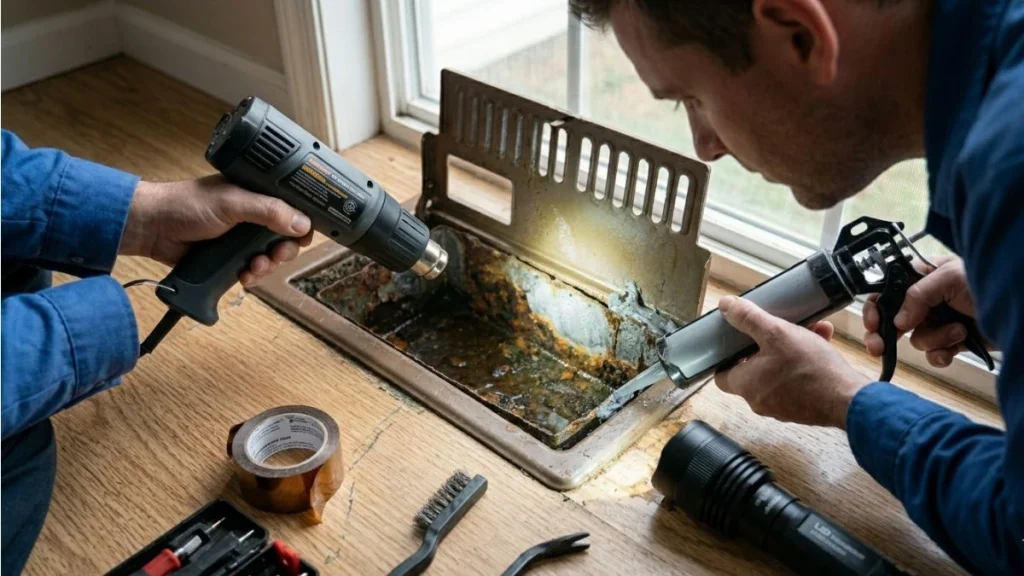
Sealing and insulating ducts prevent water from getting inside the vents. Small holes or gaps in ducts allow moisture to enter, causing water buildup. Use duct mastic or foil tape to seal all joints and seams tightly. Avoid using regular duct tape because it loses stickiness over time.
Steps to seal and insulate ducts:
- Locate all ducts under the floor and check for gaps or holes.
- Clean the surface of ducts before applying sealant.
- Apply duct mastic or foil tape on all seams and joints.
- Wrap ducts with insulation sleeves or foam to keep moisture out.
- Ensure insulation covers all exposed duct surfaces.
Proper sealing and insulation keep the air dry inside the vents. It also improves heating and cooling efficiency. Below is a table showing common duct sealing materials:
| Material | Use | Durability | Cost |
| Duct Mastic | Sealing joints and holes | High | Moderate |
| Foil Tape | Sealing seams | High | Low |
| Fiberglass Insulation | Wrapping ducts | Moderate | Low |
| Foam Pipe Insulation | Covering ducts | Moderate | Low |
Repairing Roof And Window Leaks
Water entering vents often comes from leaks in the roof or windows. Fixing these leaks stops water from pooling near vents and floors. Check the roof for damaged shingles, cracked seals, or gaps. Inspect windows for worn-out caulking or broken seals around frames.
Common signs of leaks:
- Water stains on ceilings or walls
- Dripping sounds during rain
- Damp spots near vents or floor edges
Steps to repair leaks:
- Clean and dry the area around the leak.
- Replace damaged shingles or roofing materials.
- Remove old caulk around windows.
- Apply fresh, waterproof caulking to window frames.
- Use weatherproof sealant on any cracks or gaps.
Regular roof and window maintenance helps prevent water from reaching vents. Inspect these areas at least twice a year, especially before rainy seasons. This keeps your mobile home dry and vent system safe.
Improving Ventilation
Good ventilation reduces moisture buildup inside the home and vents. Poor airflow causes humidity to rise, leading to condensation in floor vents. Improve ventilation by increasing air circulation and controlling humidity levels.
Ways to improve ventilation:
- Use exhaust fans in kitchens and bathrooms to remove moisture.
- Open windows on dry days to allow fresh air inside.
- Install vent covers that allow airflow but block water entry.
- Use a dehumidifier in damp areas to lower humidity.
- Check for blocked vents or ducts and clear any debris.
Better ventilation keeps air moving and prevents moisture from settling near floor vents. This simple step protects your vents and improves indoor air quality.
Replacing Damaged Components
Sometimes water causes permanent damage to vent parts. Damaged vent covers, duct sections, or insulation must be replaced to fix water problems. Leaving broken parts allows water to enter and causes more damage.
Signs that parts need replacing:
- Rust or corrosion on metal vent covers
- Cracked or warped plastic vent grilles
- Wet or rotted insulation around ducts
- Duct sections with holes or heavy damage
Replacement tips:
- Remove damaged vent covers and replace with weather-resistant models.
- Cut out and replace any duct sections with holes or rust.
- Install new insulation made for HVAC ducts.
- Use screws or clips to secure new parts tightly.
- Check all new components for proper fit and sealing.
Replacing damaged components restores vent protection. It stops water from entering and ensures the HVAC system works well. Always use parts designed for mobile homes or similar HVAC setups.
Preventing Future Water Issues
Water in floor vents of a mobile home can cause serious damage over time. Preventing future water issues helps protect your home’s structure and indoor air quality. Simple steps can keep vents dry and avoid costly repairs.
Regular Maintenance Routines
Maintaining floor vents regularly is key to stopping water problems early. Check vents at least once every three months. Look for signs of moisture, rust, or mold. Clean the vent covers and remove dust and debris to keep airflow clear.
Use this checklist for regular maintenance:
- Inspect vent covers for cracks or damage.
- Clear any blockages inside the vent ducts.
- Check for signs of water stains or rust around vents.
- Test airflow to ensure vents are working properly.
- Clean with a dry cloth or a vacuum brush attachment.
Keep a maintenance log to track inspections and repairs. This helps catch small issues before they grow. Regular upkeep reduces moisture buildup by allowing vents to work efficiently.
Installing Vapor Barriers
Vapor barriers stop moisture from seeping into floor vents. These barriers are thin sheets of plastic or foil placed under the mobile home’s flooring. They block water vapor coming from the ground or crawl space.
Follow these tips for installing vapor barriers:
- Choose a high-quality plastic sheet at least 6 mil thick.
- Cover the entire crawl space floor and overlap seams by 12 inches.
- Seal edges with waterproof tape to prevent leaks.
- Inspect barriers yearly for tears or damage.
Using vapor barriers reduces humidity and protects vents from condensation. They are a cost-effective way to keep your mobile home dry.
Proper Vent Placement
Correct vent placement is essential to avoid water issues. Vents located near water sources or low spots risk flooding. Place vents higher than the ground level to prevent water entry.
Consider these placement tips:
- Locate vents away from downspouts and drainage areas.
- Elevate vents at least 12 inches above the soil or ground.
- Ensure vents face areas with good airflow to dry out moisture.
- Avoid placing vents where rainwater can easily splash inside.
Proper placement helps vents stay dry and maintain good air circulation. This reduces the chance of water damage and mold growth.
Controlling Indoor Humidity
High indoor humidity leads to condensation inside vents. Lower humidity levels to prevent water buildup. Use a hygrometer to monitor indoor moisture regularly.
Steps to control humidity include:
- Use dehumidifiers in damp areas like basements or crawl spaces.
- Ventilate your home by opening windows or using exhaust fans.
- Fix leaks in plumbing or roofing to stop extra moisture.
- Seal cracks and gaps around doors and windows to keep moist air out.
Keeping indoor humidity between 30-50% reduces condensation risks. This simple step protects floor vents and improves overall home comfort.
You May Like Also: Water Leaking above Window Frame
Conclusion
Water in floor vents of a mobile home can cause serious problems. It may lead to mold, bad smells, and damage to your floors. Keep vents clean and dry to avoid these issues. Check for leaks Have you ever noticed water pooling around the floor vents in your mobile home?
This can be more than just a small annoyance—it might be a sign of a bigger problem that could damage your floors and affect your home’s comfort.
If you’ve found water in your floor vents, you probably want to know why it’s happening and how to fix it fast. You’ll discover the common causes behind this issue and simple steps you can take to protect your mobile home.